



Washington Says an End May Be Near. The Country Is Not So Sure.
President Donald Trump is telling Americans that the war with Iran could be over "pretty soon." But the political mood in the United States, the mixed signals from Tehran, and the unresolved fight over the Strait of Hormuz suggest a far more fragile reality.
Six months into the conflict, the war has become both a foreign-policy test and a domestic political burden. The White House is trying to present a path toward de-escalation, even as U.S. threats of renewed strikes, Iranian warnings to Gulf states, and conflicting claims about negotiations keep markets and voters on edge.
What Trump Is Saying Now
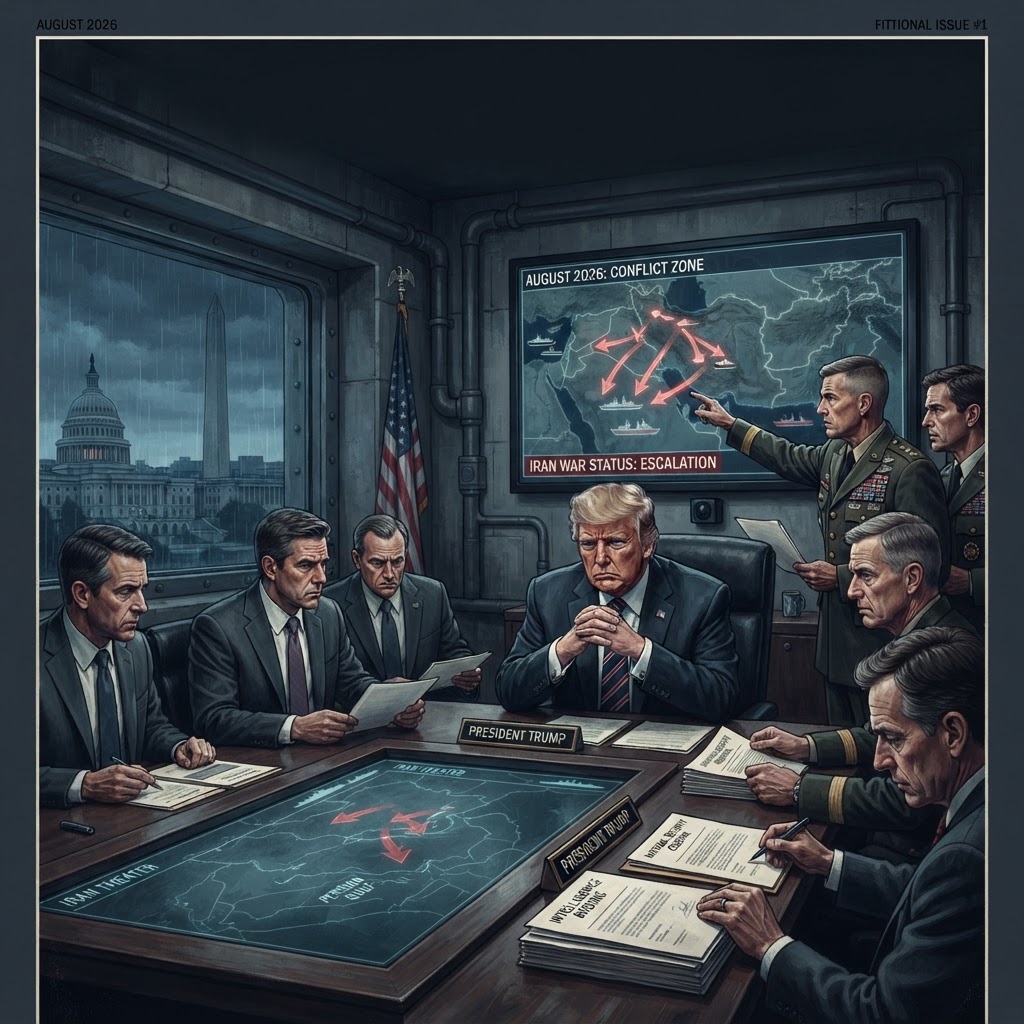
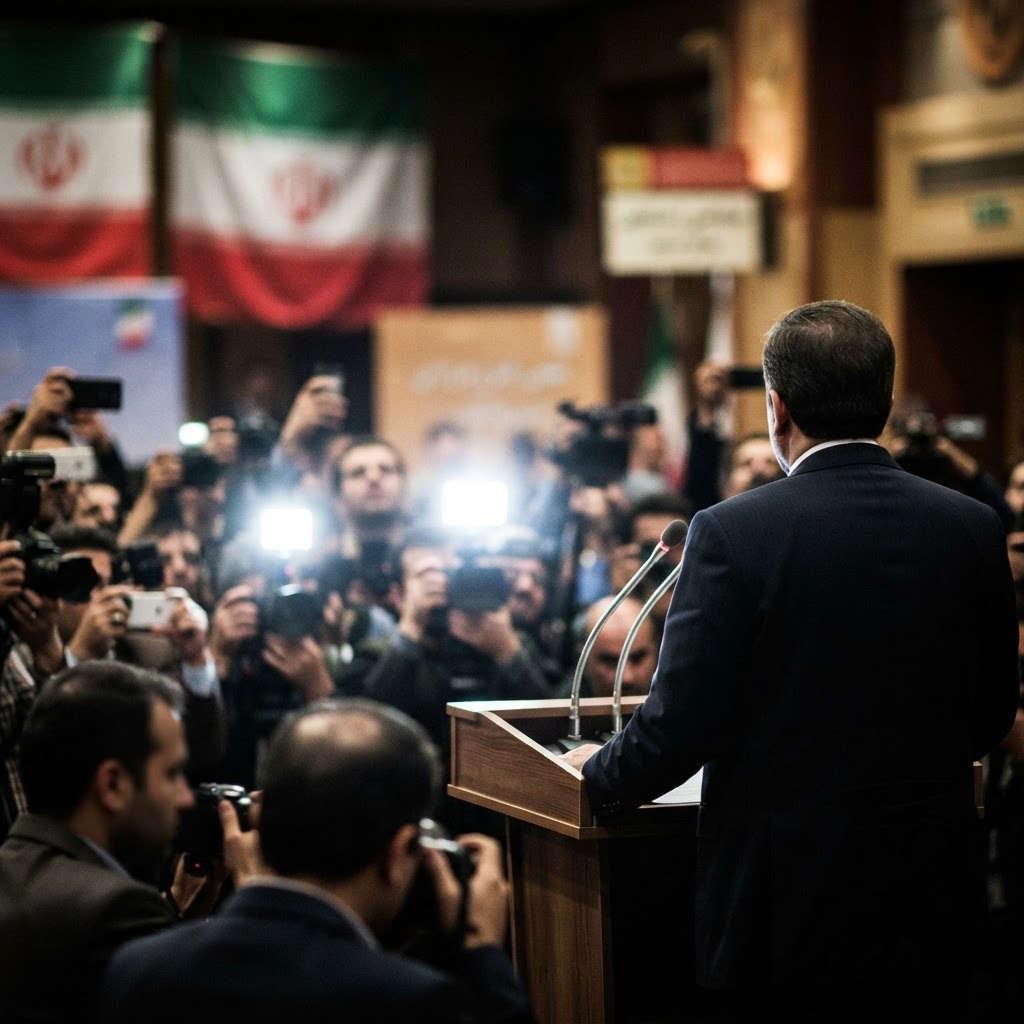
In recent remarks, Trump said he believes the war will end soon and has also described talks with Iran as active or close to active. Reuters reported that he pulled back from plans for fresh large-scale attacks after regional partners urged diplomacy another chance.
That message is politically important for the White House. Trump began this war promising a short campaign and decisive results. Now, as the conflict stretches on, his public language has shifted from confident victory to managing expectations — and trying to convince Americans that diplomacy is still possible.
The Problem: Tehran and Washington Are Not Telling the Same Story
One of the biggest problems for the administration is that Iran has repeatedly contradicted Trump's claims about negotiations. Reuters reported that while Trump said talks were happening, Iranian officials publicly denied that any negotiations with Washington were under way or planned.
At the same time, mediators in the Gulf have signaled that some progress may be possible. Reuters and AP both reported that discussions around the Strait of Hormuz have moved closer to a possible interim arrangement. But the sticking point is enormous: any deal that appears to formalize Iranian control over the critical waterway would be seen in Washington as a major concession.
Why This Matters in America
For U.S. voters, the war is no longer just an overseas military story. It is becoming an economic and political story at home.
Reuters, citing a new Reuters/Ipsos poll, reported that Americans who expect the Middle East to become more chaotic because of the war outnumber those expecting greater stability by roughly three to one. The same reporting said Republican voters still largely back Trump's handling of the conflict, but even inside his base there are signs of unease about what the war is producing.
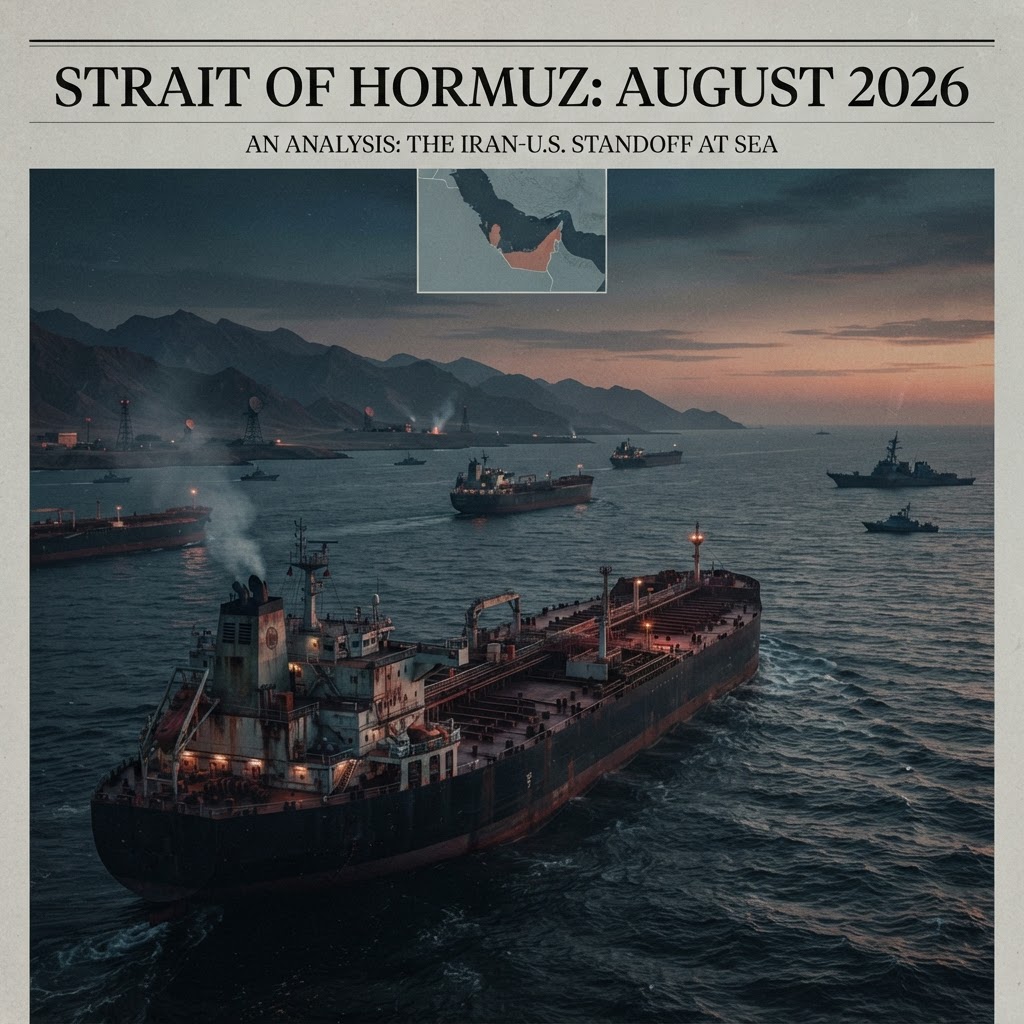
The concern is easy to understand. Any prolonged instability around the Strait of Hormuz raises fears about energy prices, shipping risk and a broader regional spillover. In the United States, those pressures quickly become kitchen-table issues — gasoline costs, inflation anxiety and another election-year argument over whether Washington walked into a conflict without a clear off-ramp.
Trump’s Political Bind
That is the central American story right now: Trump is trying to project strength without owning an open-ended war.
According to Reuters, the president faces a narrowing set of choices. Escalating again could deepen an already unpopular conflict and raise the risk of retaliation against U.S. partners and energy infrastructure. Accepting a compromise that leaves Iran with more leverage in Hormuz could look, to critics, like a strategic retreat after months of costly fighting.
This is why the administration's messaging keeps swinging between threat and diplomacy. One day the emphasis is force. The next, it is a nearing deal. That pattern may buy time, but it has not yet produced clarity.
The American Debate Is Shifting
In the first phase of the war, the argument in Washington centered on military objectives and deterrence. Now the argument is shifting toward endurance, cost and political credibility.
Can the White House show that the war produced a measurable strategic gain? Can it prevent a new energy shock? Can Trump persuade Americans that a conflict launched with promises of speed and control is not turning into another drawn-out Middle East entanglement?
Those are no longer abstract questions. They are becoming the frame through which the public is judging the war.
What Comes Next
Much now depends on whether diplomacy over Hormuz produces a face-saving formula both sides can sell at home. If it does, Trump may argue that pressure forced Iran to the table. If it fails, the White House could again confront the choice between escalation and an awkward stalemate.
For now, the most important news in America about the Iran war is not only what is happening in the Gulf. It is what the conflict is doing to Trump's presidency, to voter confidence, and to the country's appetite for another long confrontation in the Middle East.
Source note: This article is based on recent Reuters and AP reporting published between Aug. 3 and Aug. 6, 2026, including coverage of U.S.-Iran diplomacy claims, Strait of Hormuz negotiations, and polling on American public opinion.
Comments (0)
Be the first to share your thoughts!
Your voice matters. Every comment helps build our community.
Discussion Starters
No comments yet. Be the first to share your thoughts!