



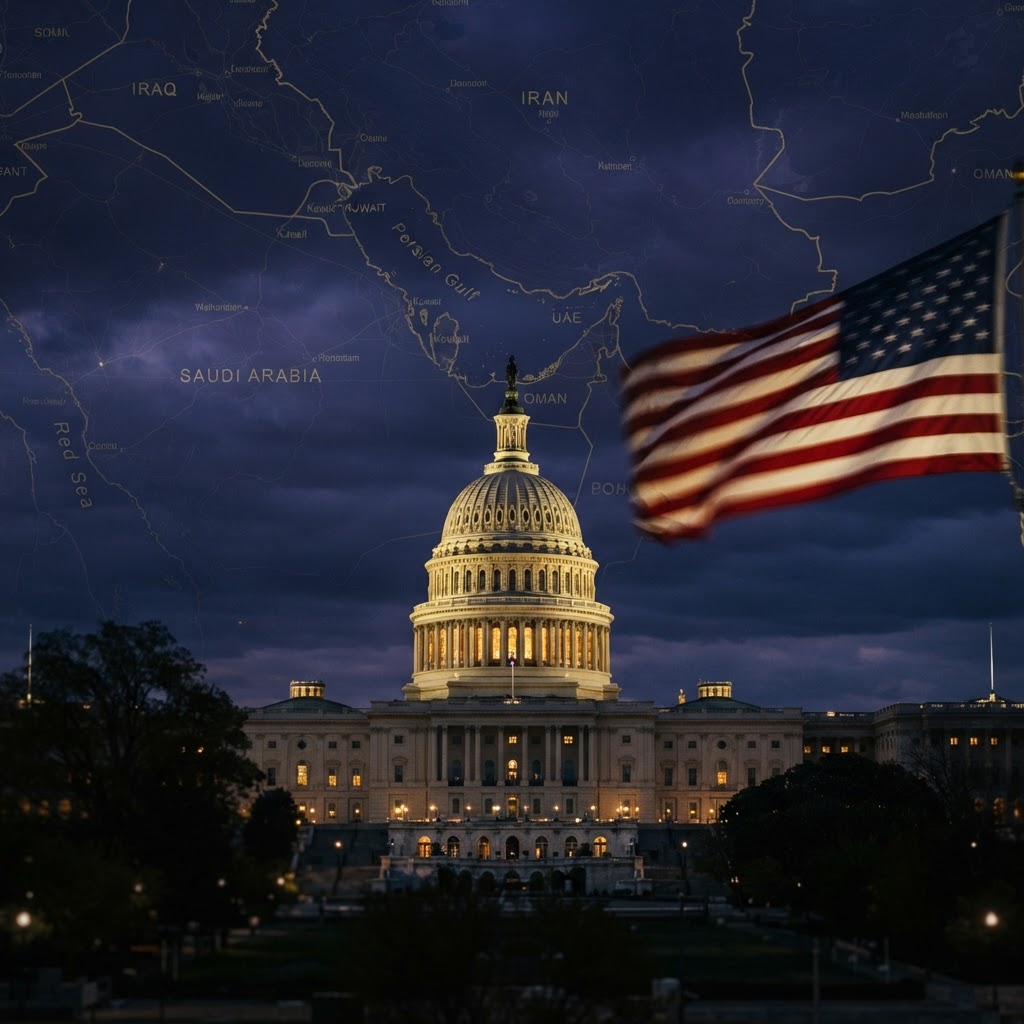
WASHINGTON — Less than a month before Americans head to the polls, the war with Iran has become the single most powerful force shaping the 2026 midterm elections. In recent days the conflict has moved from foreign-policy briefings to campaign rallies, gas-station price boards and battleground television ads.
New war options before Election Day
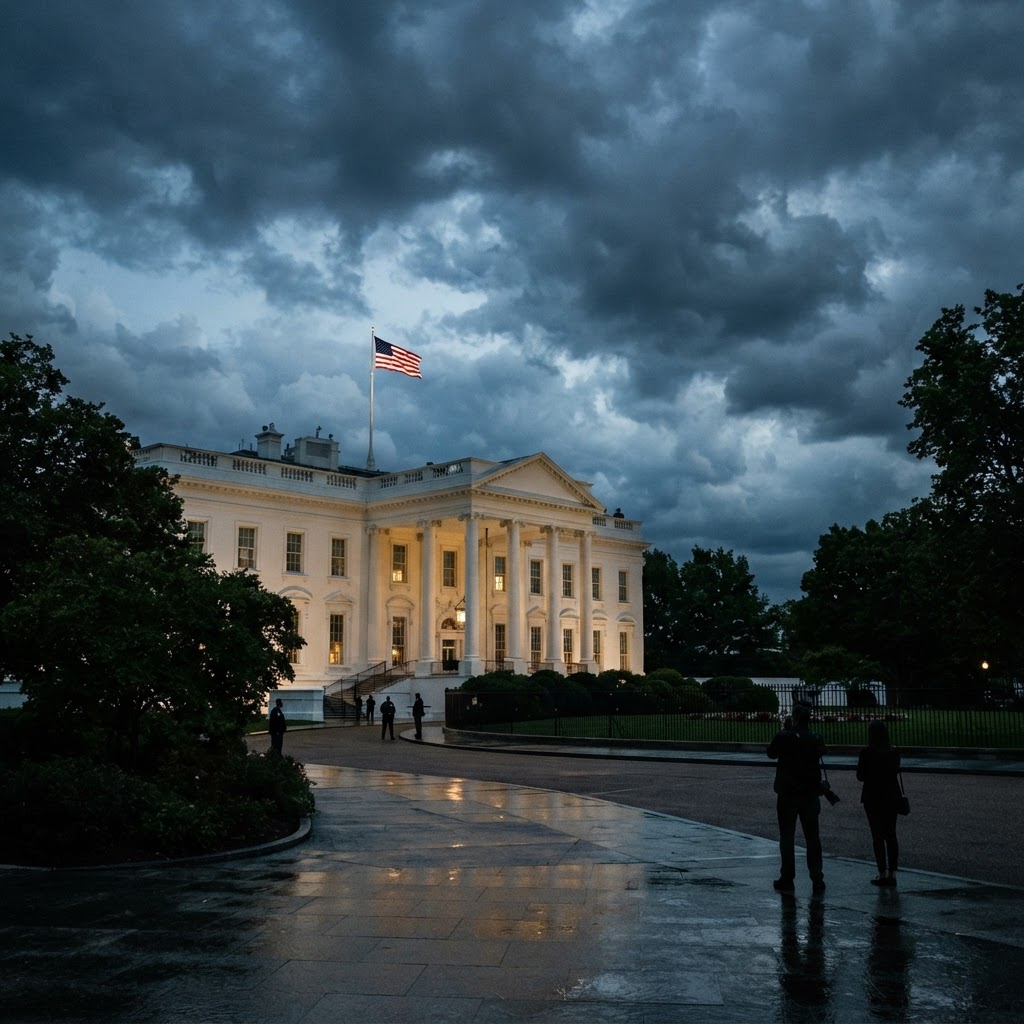
According to reporting by NBC News and The Telegraph, the U.S. military is preparing new options for strikes on Iran. The options were reportedly drawn up after senior administration officials met at Camp David to discuss the war and the related conflict with Iran-backed Houthi forces, CBS News reported. US sources quoted by The Telegraph say President Trump could order strikes before the November vote.
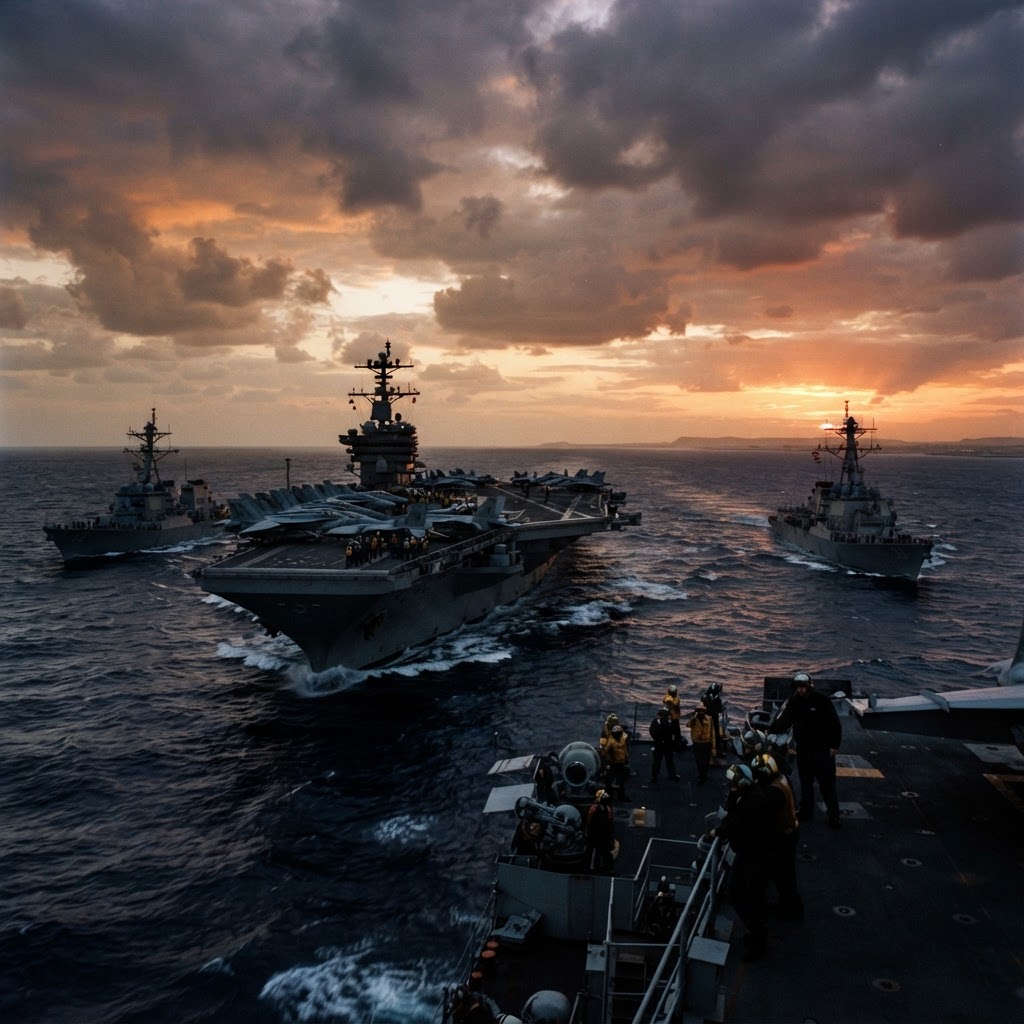
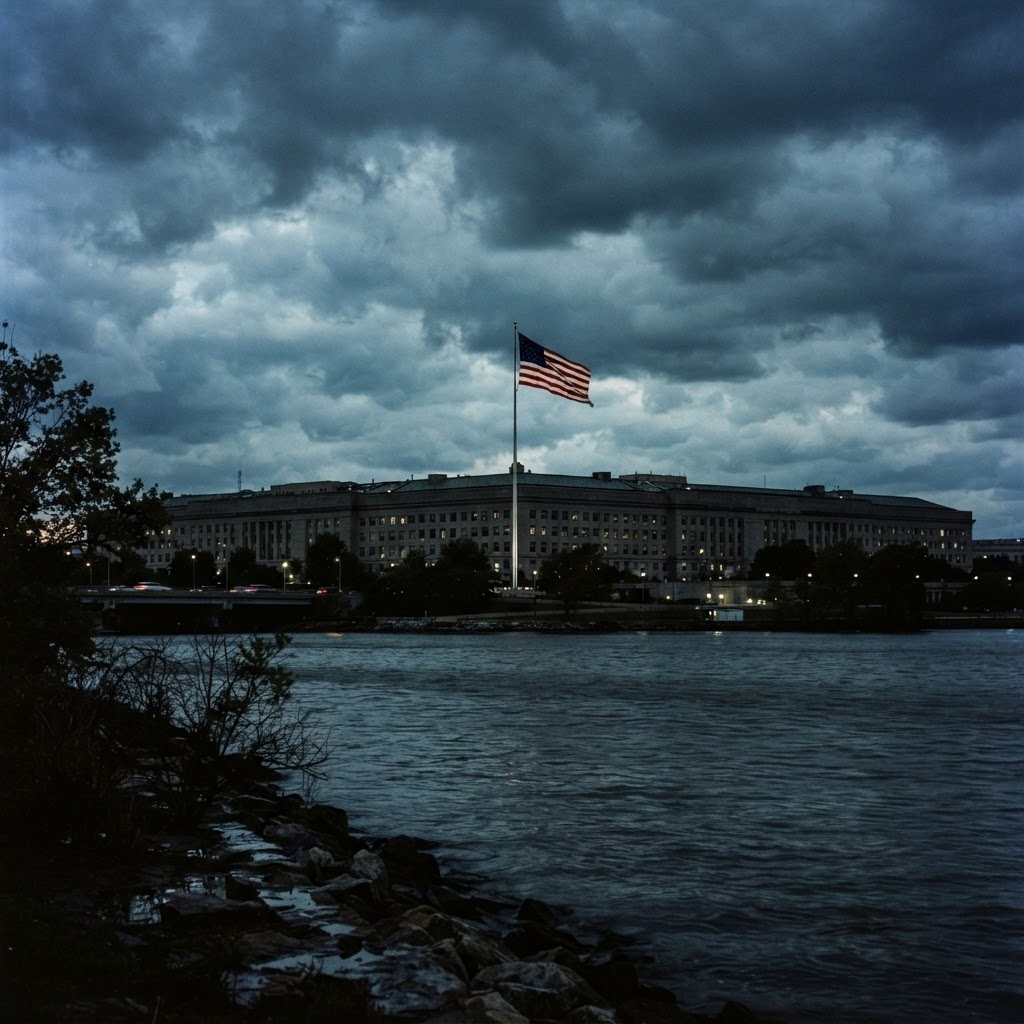
U.S. naval power remains concentrated in the Gulf region as Washington weighs its next moves.
The president has repeatedly promised a quick end. At a speech in Denton, Texas, he said Iran was "ready to fold up" and predicted the U.S. would win "right after the election", adding, "Maybe before the election." Tehran has dismissed the claims. One Iranian official told the president, "You can win every day in your own imagination."
Rally remarks spark a California backlash
Speaking at a rally in Nebraska on Monday night, Trump said he hoped to see a "tremendous victory" in November. He described the high prices linked to the war as a "small price to pay for keeping the world safe." His suggestion that Iran could "take out" Los Angeles or San Diego drew sharp condemnation. San Diego Mayor Todd Gloria said his city was "not collateral damage" in the president's war, The Guardian reported.
The comments landed in the middle of California's governor's race, where Trump-endorsed Republican Steve Hilton is seeking an upset. Democrats moved quickly to turn the remark into campaign material.
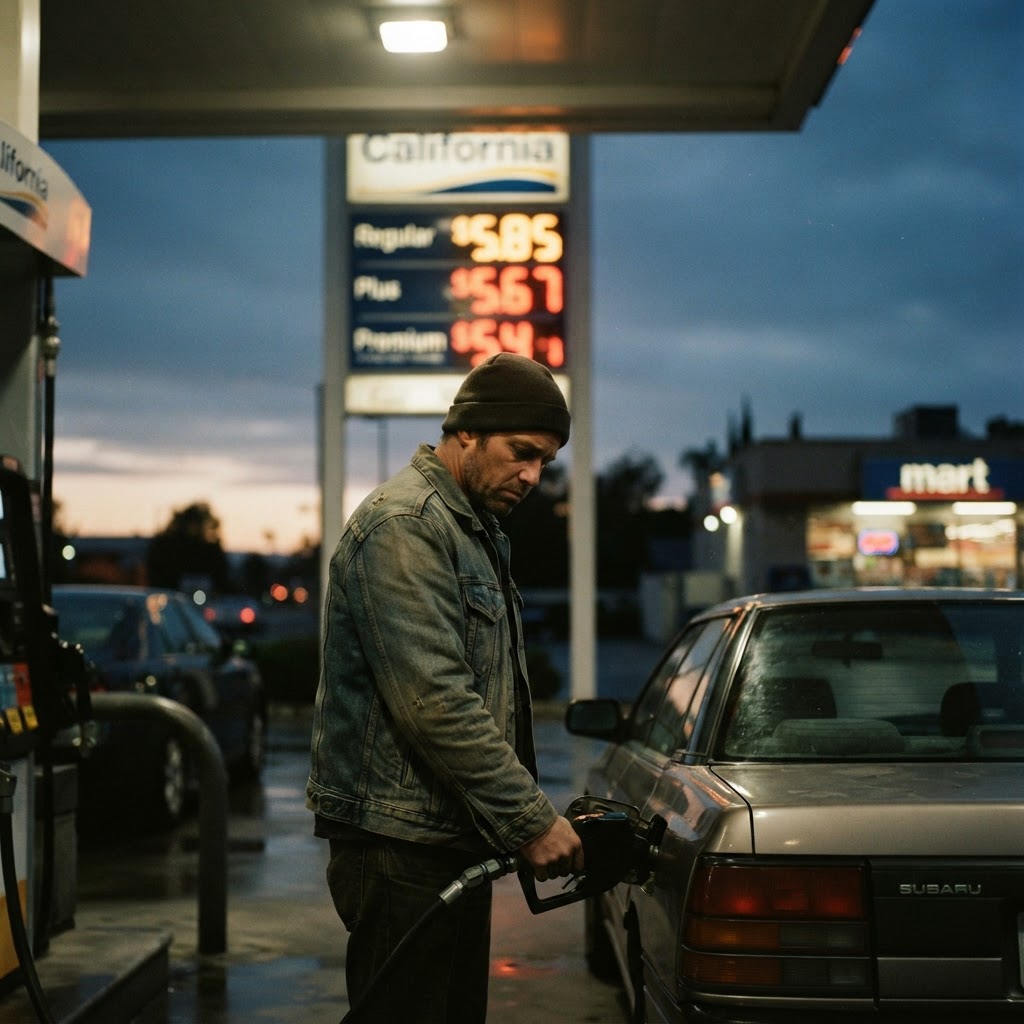
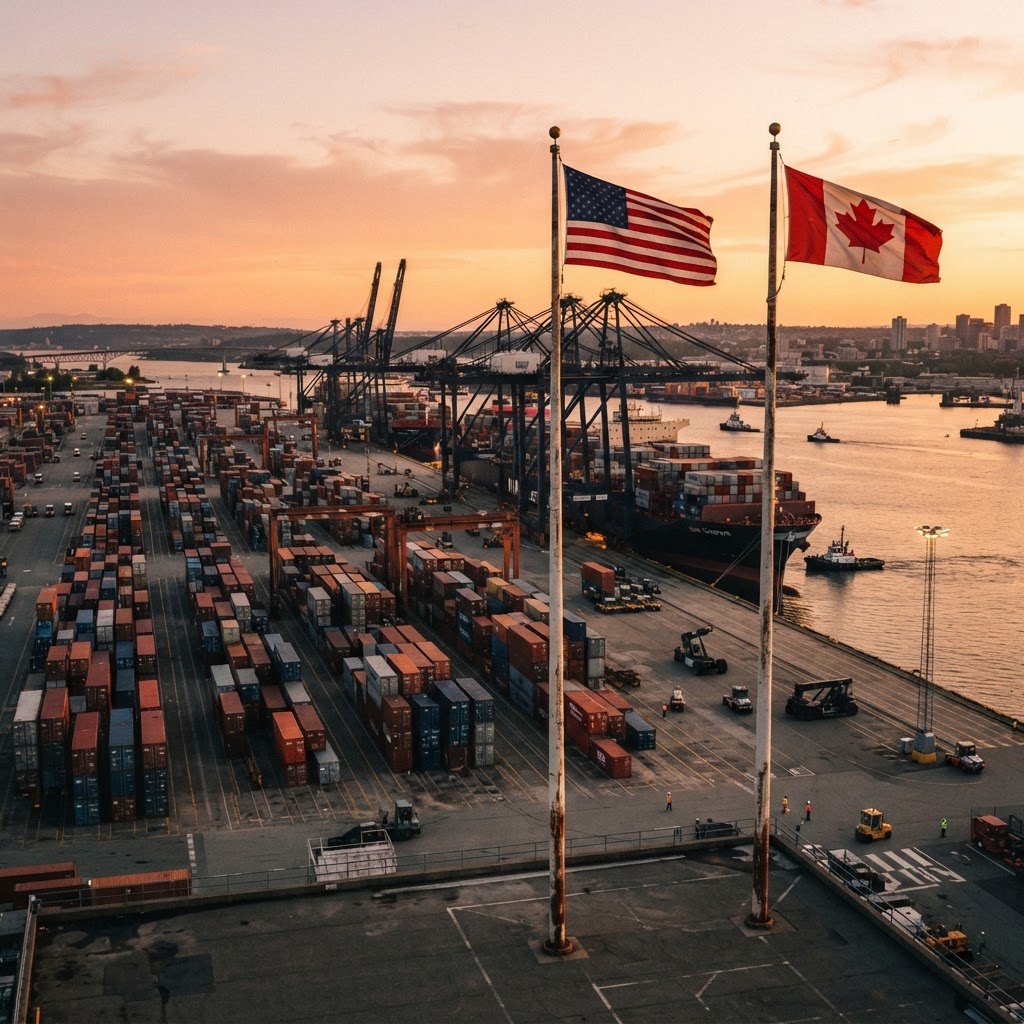
Higher fuel and household costs have brought the war home for many voters.
The economy: where the war meets the wallet
For many households, the war is felt most directly at the pump and the grocery store. Strategists in both parties say cost of living, not battlefield developments, may decide close House and Senate contests. The White House argues that firmness abroad will deliver lasting security. Its critics, including Rep. James Walkinshaw (D-Va.), call the administration's approach "reckless" and are pressing for a ceasefire.
What it means for November
Midterms have historically been hard on the party that holds the White House. A wartime backdrop adds unusual volatility. A rapid, decisive outcome could boost Republicans and reward the president's message of strength. A wider conflict, new strikes or further price increases could energize Democratic turnout and swing suburban voters.
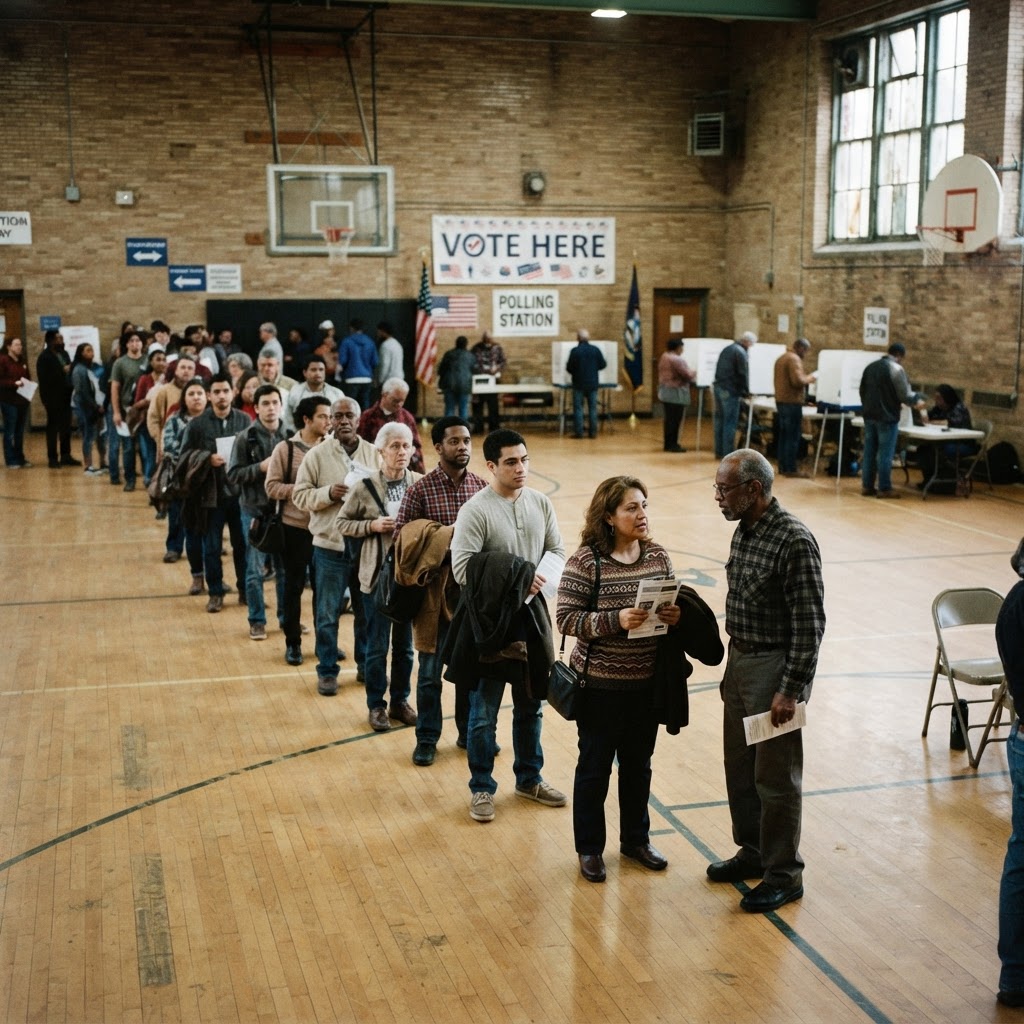
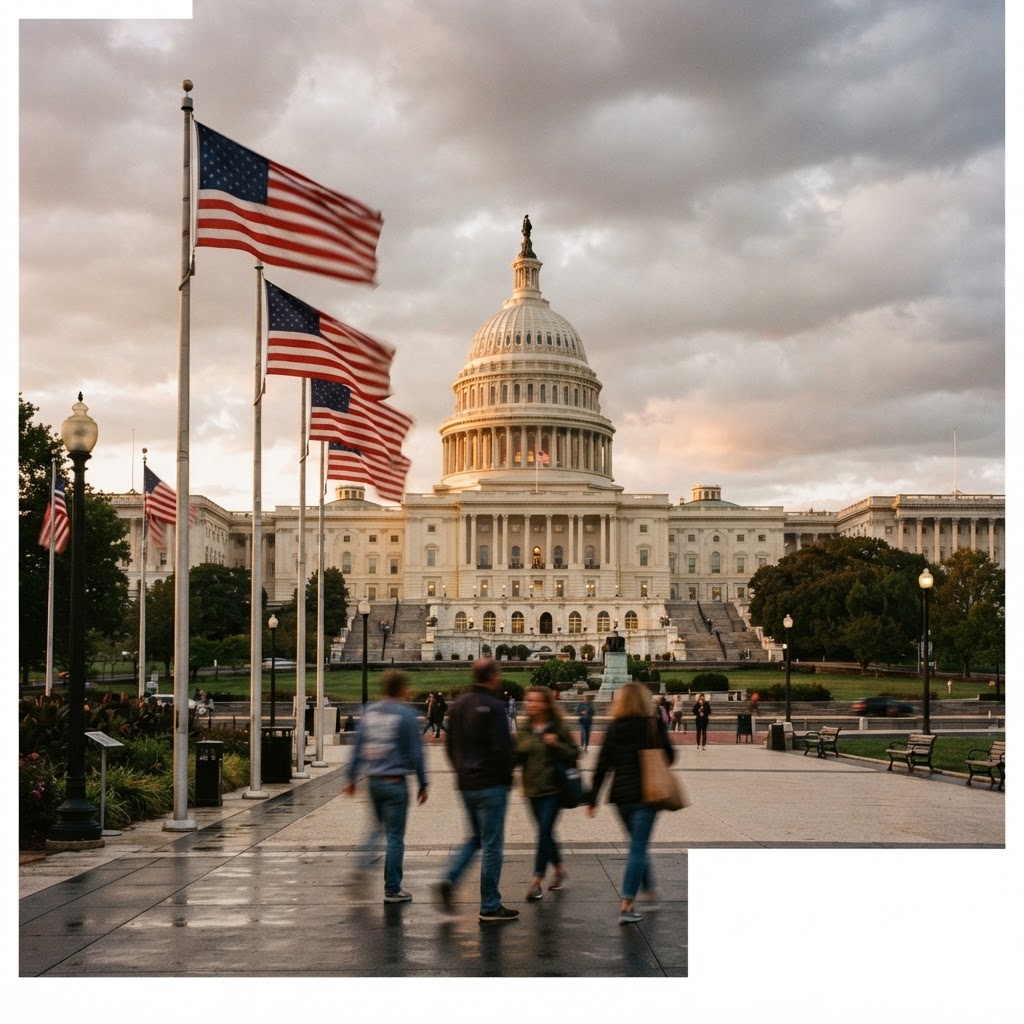
Early voting is already underway in several states as the campaign enters its final weeks.
"The war is no longer an overseas story — it is on the ballot in every competitive district in America."
With early voting already open in parts of the country, the coming weeks will test whether Americans see the Iran war as a reason to rally behind the president or as a reason to put a check on his power. The New Dispensation will continue to follow developments on the battlefield and on the campaign trail.
Sources: NBC News, CBS News, The Guardian, The Telegraph, ABC News.
Comments (0)
Be the first to share your thoughts!
Your voice matters. Every comment helps build our community.
Discussion Starters
No comments yet. Be the first to share your thoughts!