




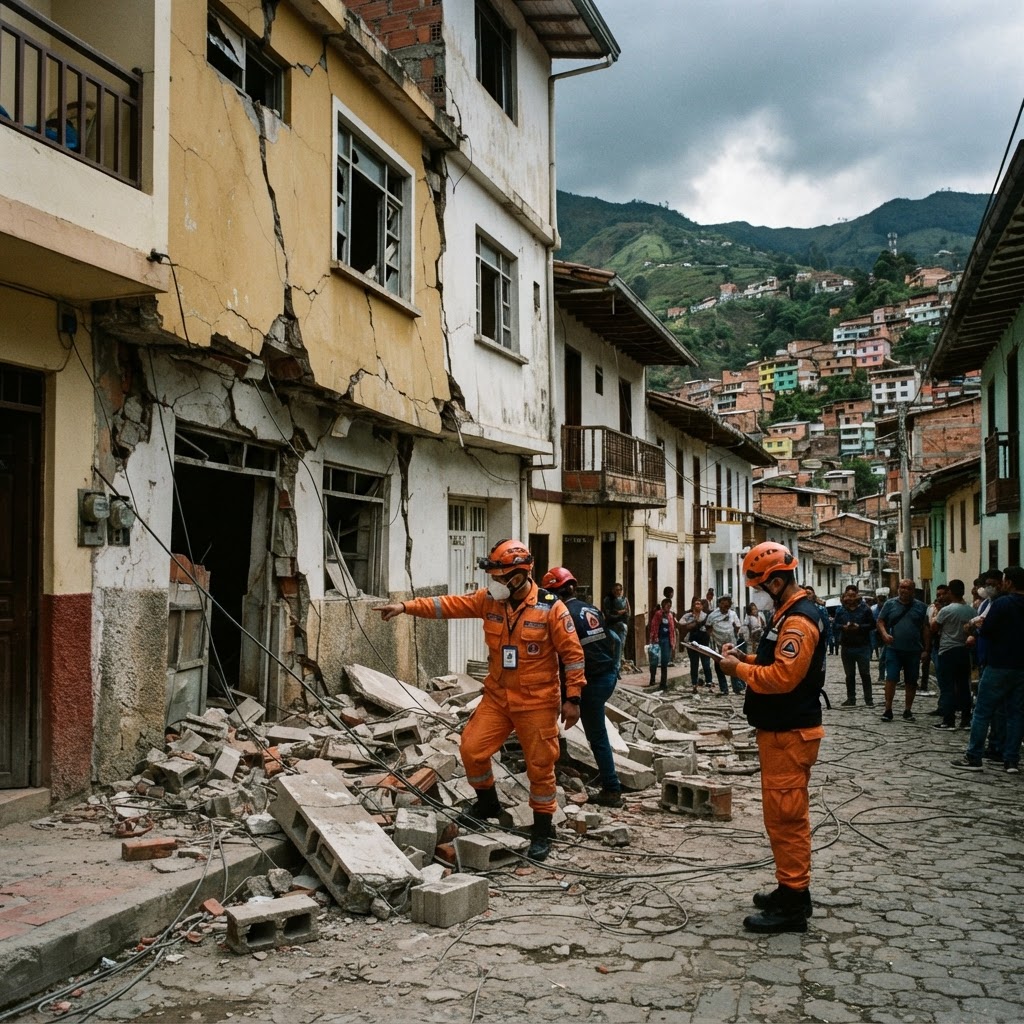
Catastrophic Tremor Rocks Western Colombia
A powerful magnitude 7.4 earthquake struck western Colombia on the morning of August 10, 2026, triggering a national emergency and leaving at least 111 people dead, according to reports from the Colombian Geological Service and local authorities. The tremor, which occurred at 7:34 a.m. local time, was felt across 32 of the country's departmental capitals, with significant damage reported in the Chocó region and surrounding areas.
Epicenter and Seismic Data
According to the United States Geological Survey (USGS), the earthquake's epicenter was located approximately 5 kilometers south of San José del Palmar in the Chocó department. The event occurred at an intermediate depth of 110.3 kilometers. This depth is a critical factor in the event's characteristics; while the quake was felt over a vast area—including parts of Ecuador and Panama—the depth likely mitigated even more severe surface-level destruction that would typically accompany a shallow 7.4 magnitude event.
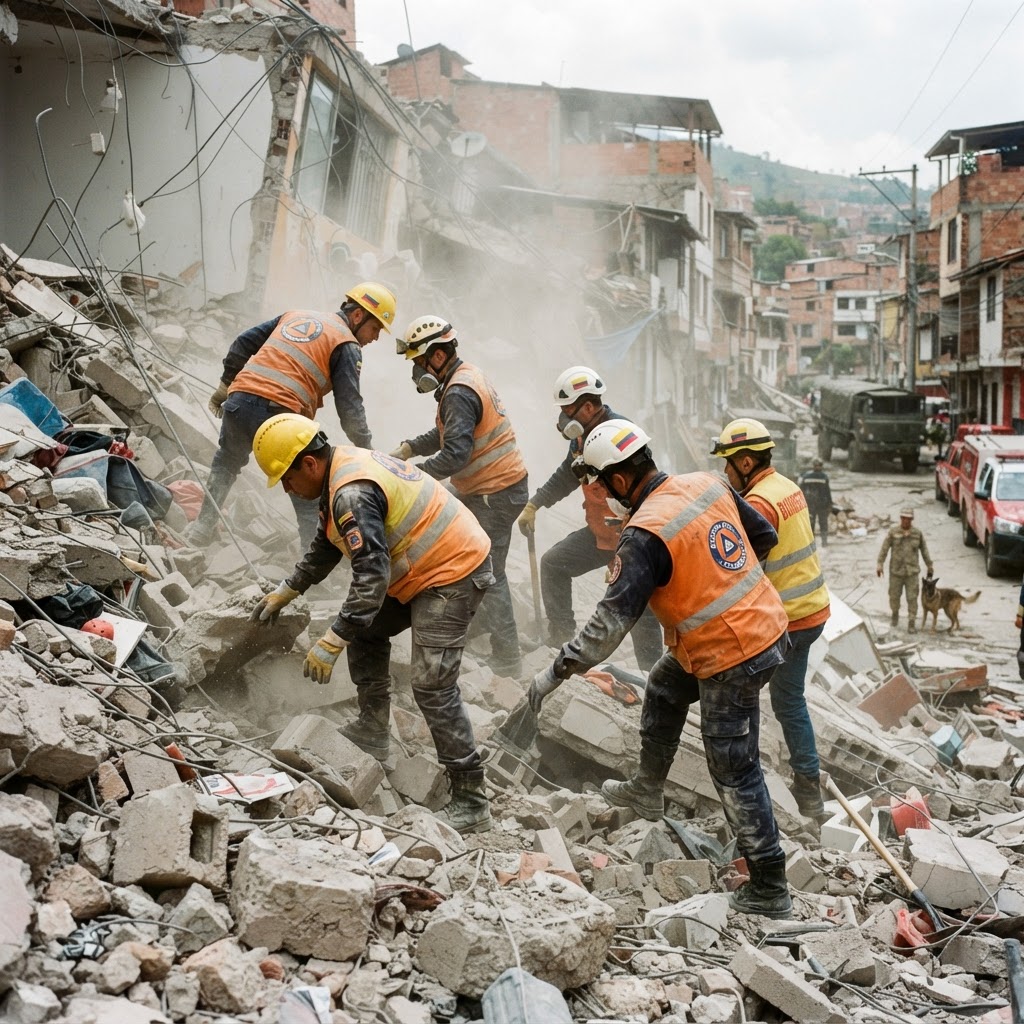

Casualties and Emergency Response
As of August 11, 2026, the death toll has reached at least 111, with over 570 individuals reported injured. Colombian officials have declared a state of "national disaster" to expedite rescue and recovery efforts. Emergency teams are currently navigating difficult terrain in the Chocó region to reach remote villages that may have been cut off by the shaking. Hospitals in major cities like Cali have been placed on red alert to manage the influx of casualties.
The earthquake represented a rupture within the subducting Nazca plate as it subducts eastwards beneath the South American plate along the Ecuador–Colombia trench.
Aftershocks and Tectonic Context
The Colombian Geological Service has recorded at least 33 aftershocks following the main event, the largest of which reached a magnitude of 5.0. Authorities continue to warn residents to remain vigilant as seismic activity persists. The region is no stranger to such events; the area near the epicenter was previously impacted by a 7.2 magnitude earthquake in November 1979. Geologists note that the Nazca-South American plate boundary is one of the most seismically active regions on Earth, with intermediate-depth quakes being a known, albeit dangerous, feature of the subducting slab.
Infrastructure and Unconfirmed Reports
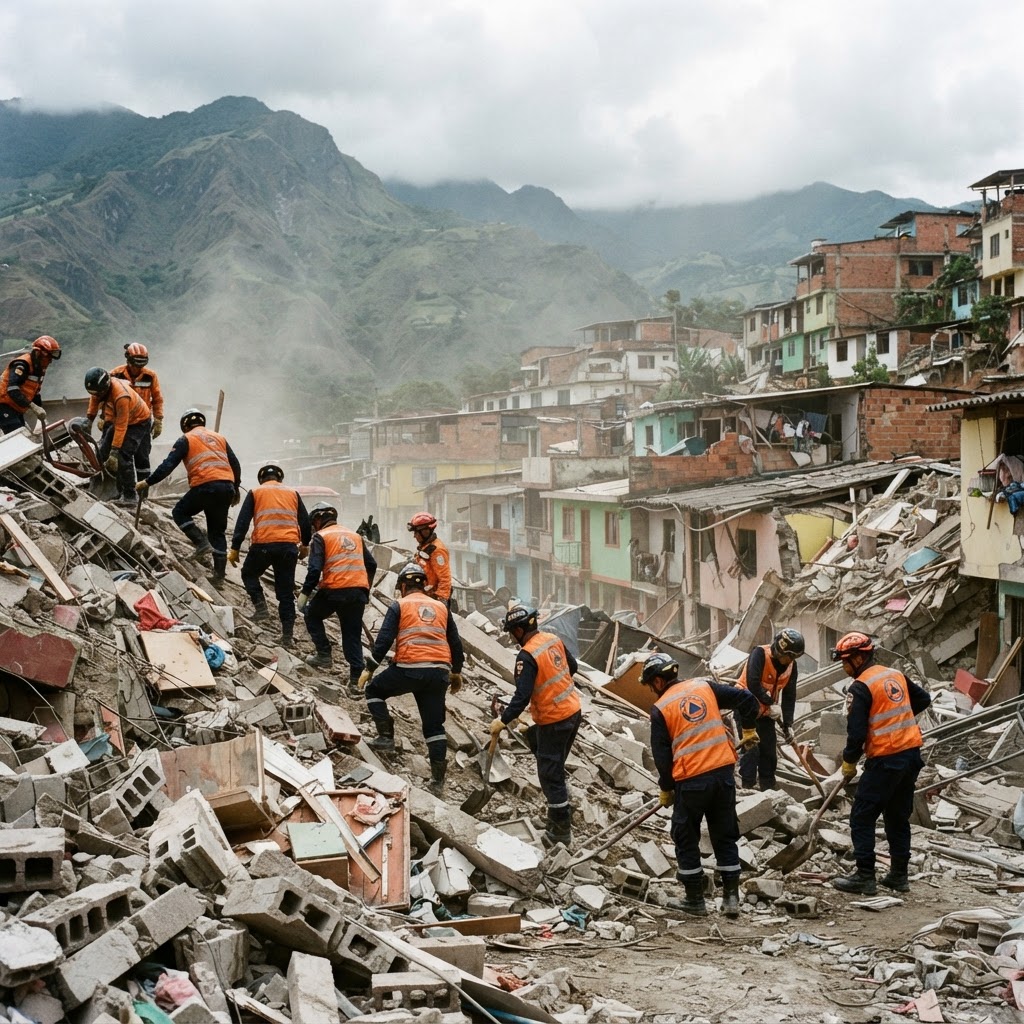
Damage to infrastructure is widespread. Reports indicate that the Matecana International Airport in Pereira sustained heavy damage to its terminal, and public transportation, including the Metro systems in Panama, experienced temporary shutdowns as a precaution. While the death toll is currently confirmed at 111, officials have explicitly stated that this figure is provisional. Search and rescue operations are ongoing, and the number of casualties is expected to evolve as crews gain access to the most heavily impacted zones.



Comments (0)
Be the first to share your thoughts!
Your voice matters. Every comment helps build our community.
Discussion Starters
No comments yet. Be the first to share your thoughts!