



WASHINGTON — The uneasy framework that once promised an end to the U.S.–Iran war has collapsed. The 60-day deadline for a peace deal built on the June Memorandum of Understanding expired on August 17 with no agreement, and the Trump administration answered this weekend with the most sweeping economic escalation of the conflict to date.
Treasury Secretary Scott Bessent announced a new round of comprehensive sanctions targeting Iran's trade partners, effective Sunday, August 24 — a move designed to choke off the revenue streams sustaining Tehran's war effort. Iran responded within hours, threatening to block all oil exports from the Gulf in retaliation.
A War Without an Off-Ramp
The collapse of the June framework leaves both capitals without a diplomatic path forward at a moment when the human cost of the war continues to mount. The Pentagon now reports 775 total U.S. service members killed or wounded since hostilities began, including 18 deaths and 60 new injuries in recent days as U.S. and Israeli forces pressed strikes against Iranian infrastructure.
Inside Iran, the war has already redrawn the country's leadership. Mojtaba Khamenei has emerged as the new Supreme Leader following the death of his father, Ayatollah Ali Khamenei — though he remains largely invisible to the Iranian public, deepening uncertainty about who truly controls the state's war machine.
The Hormuz Flashpoint
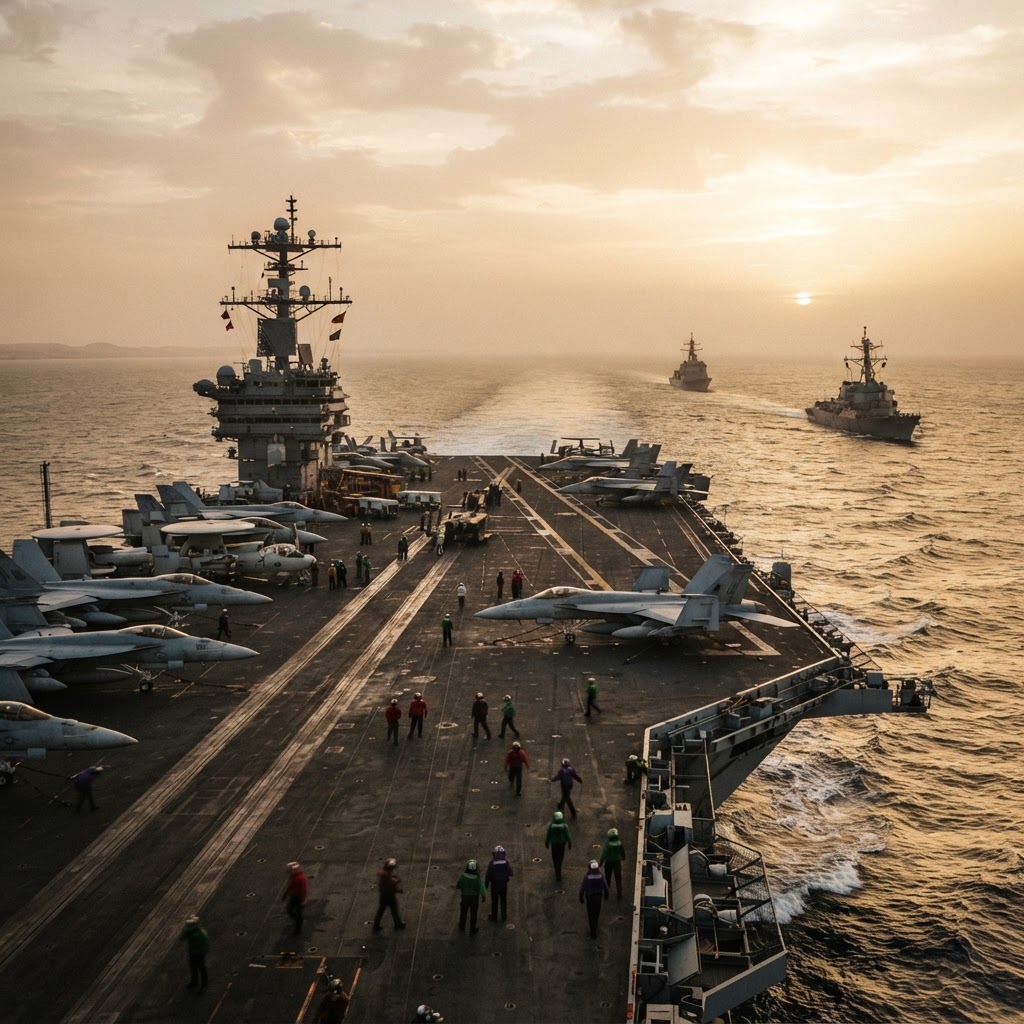
Nowhere are the stakes higher than the Strait of Hormuz, the narrow chokepoint through which roughly a fifth of the world's oil passes. Tehran's threat to shut down Gulf oil exports collides directly with the administration's hardline stance on keeping the strait open — President Trump has gone as far as threatening to bomb Oman if it interferes with U.S. operations in the waterway.

A narrow diplomatic opening remains. Pakistan's army chief, Asim Munir, arrives in Tehran today for mediation talks — one of the few remaining channels between the warring sides after the June framework's collapse.
Business as Unusual in Washington
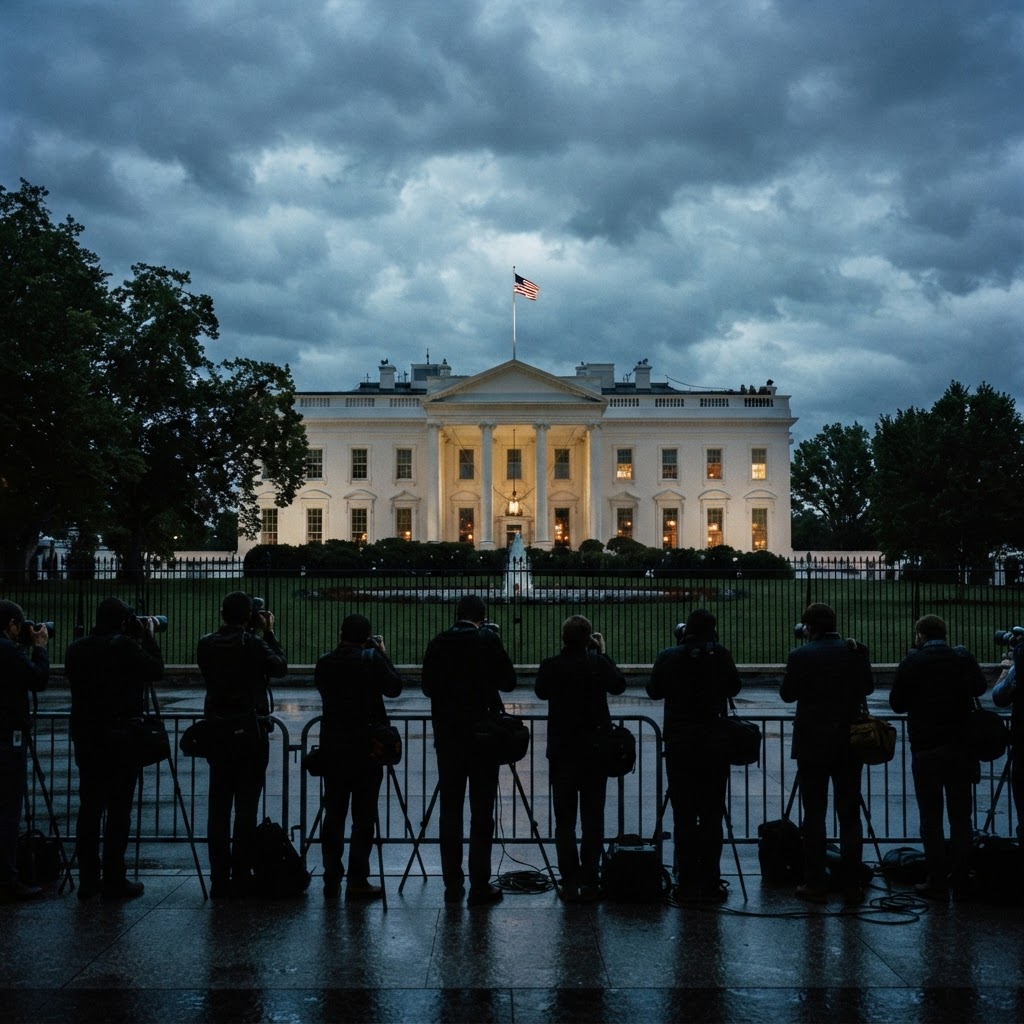
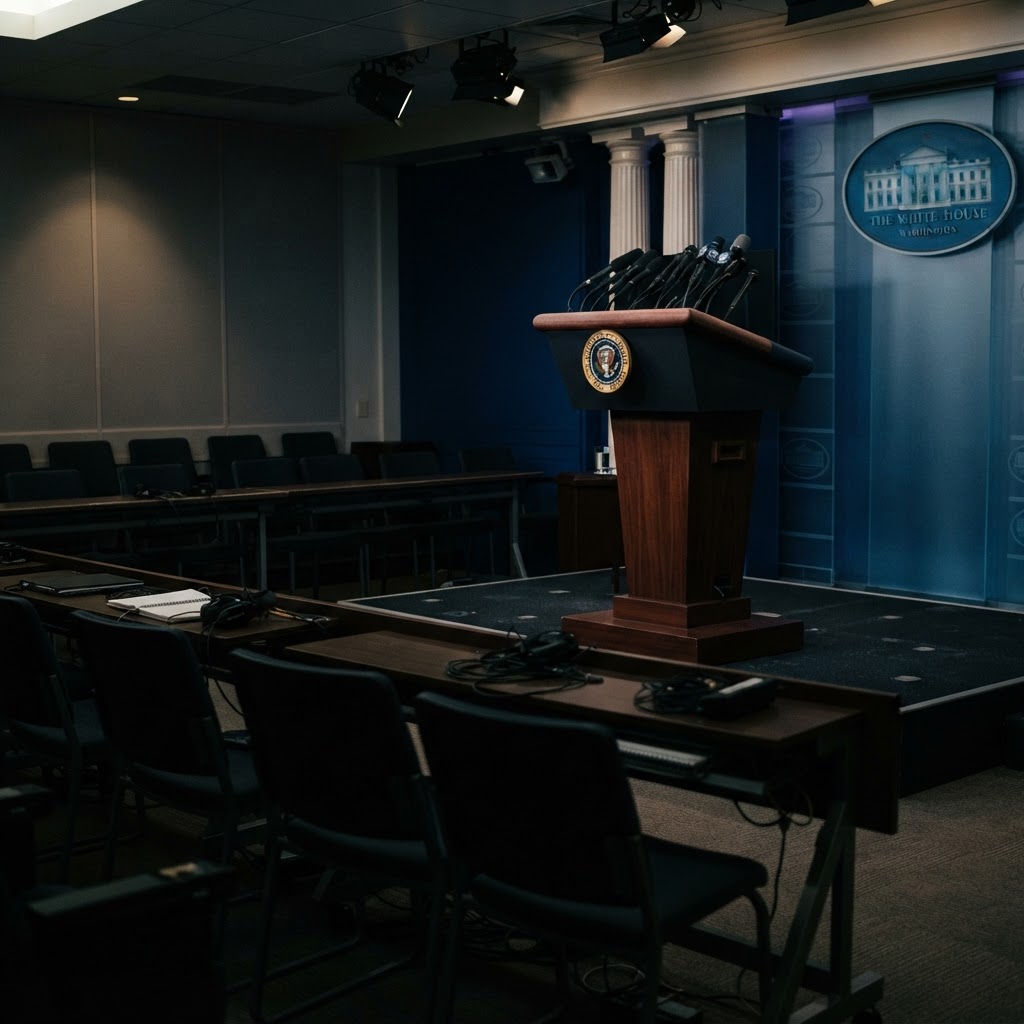
Even as the war dominates the agenda, the administration has pressed forward on other fronts. On August 20, President Trump signed a new space transportation memorandum setting a target of 1,000 annual launches by 2030. And on Sunday evening, he attended the rescheduled White House Correspondents' Association dinner at the Waldorf Astoria — an event held under extraordinary security following the violent incident at a WHCA gathering in April.
But the split screen cannot mask the central reality of this American moment: a war entering a harsher phase, an economy bracing for an oil shock, and a diplomatic clock that has already run out. What comes after August 24 — escalation or a Pakistani-brokered reprieve — may define the rest of this presidency.
Comments (0)
Be the first to share your thoughts!
Your voice matters. Every comment helps build our community.
Discussion Starters
No comments yet. Be the first to share your thoughts!