




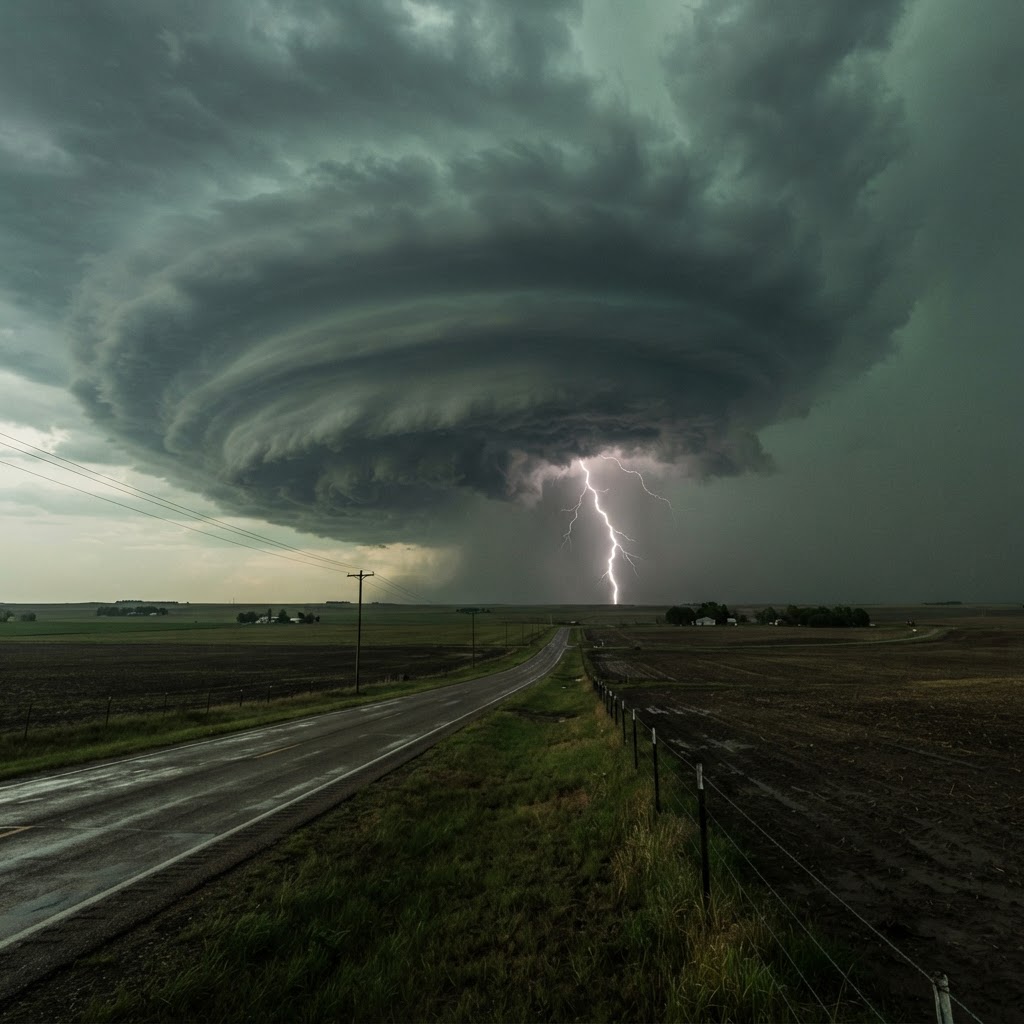
WASHINGTON — A dangerous convergence of extreme weather is battering much of the United States this week, as record-breaking heat scorches the West, severe thunderstorms and flash flooding threaten the Central and Eastern states, and wildfire danger climbs across the Northwest and Plains.
Scorching Heat in the West and Plains
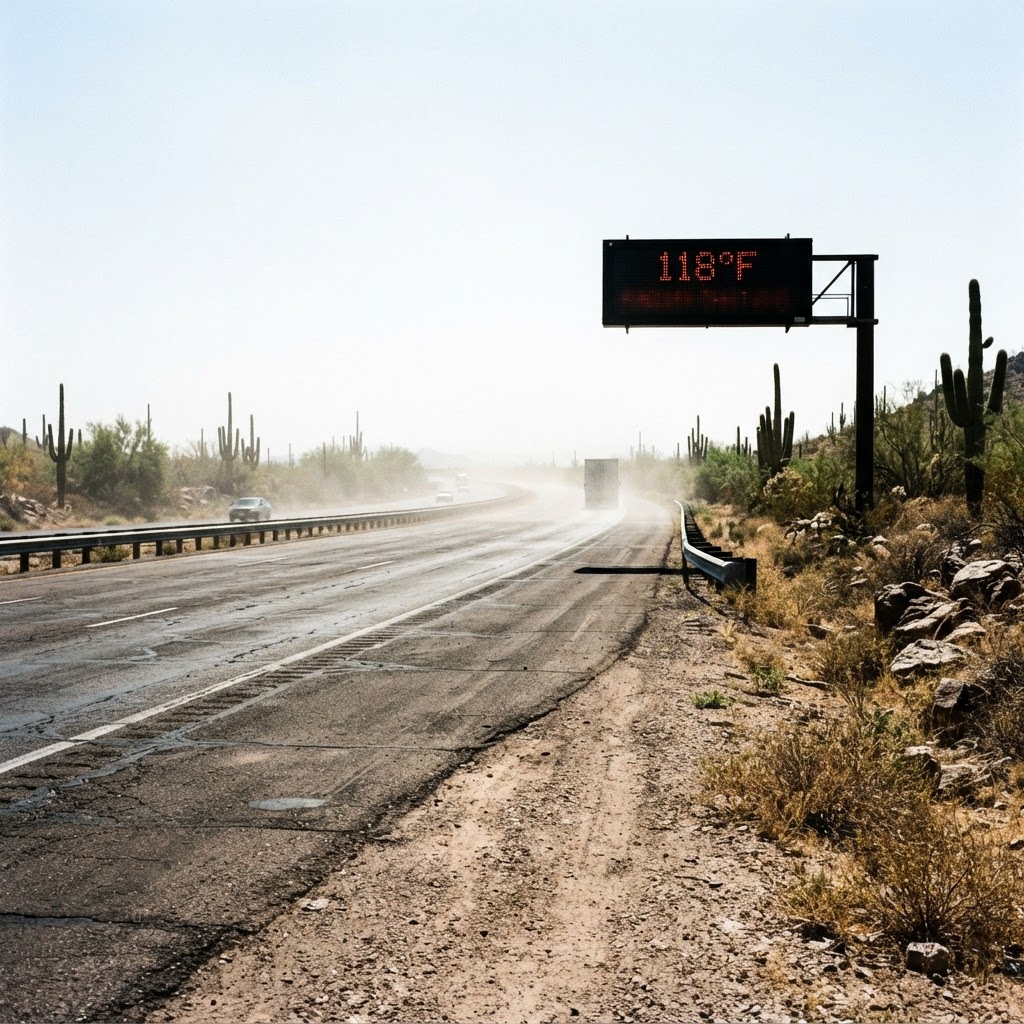
States from California to Colorado saw record temperatures in the upper 90s and triple digits over the weekend, with forecasts calling for highs up to 114 degrees in some areas as the heat persists through midweek and spreads east into the central Rockies and Great Plains.
In parts of Kansas and Missouri, the heat index is forecast to reach 107 degrees, and extreme heat warnings remain in effect. Communities across Arizona, California and Nevada are under similar warnings, with officials urging residents to limit outdoor activity, check on vulnerable neighbors and never leave children or pets in vehicles.
Flash Flood Emergency in the East
Meanwhile, humid air fueling extreme thunderstorms is bringing severe wind gusts, hail and torrential rainfall to the Great Plains, Midwest and East Coast. Storms tracking from northeastern Illinois to central Pennsylvania and northern Virginia have snarled commutes in major metros including Chicago, Detroit and Pittsburgh, the National Weather Service warned.
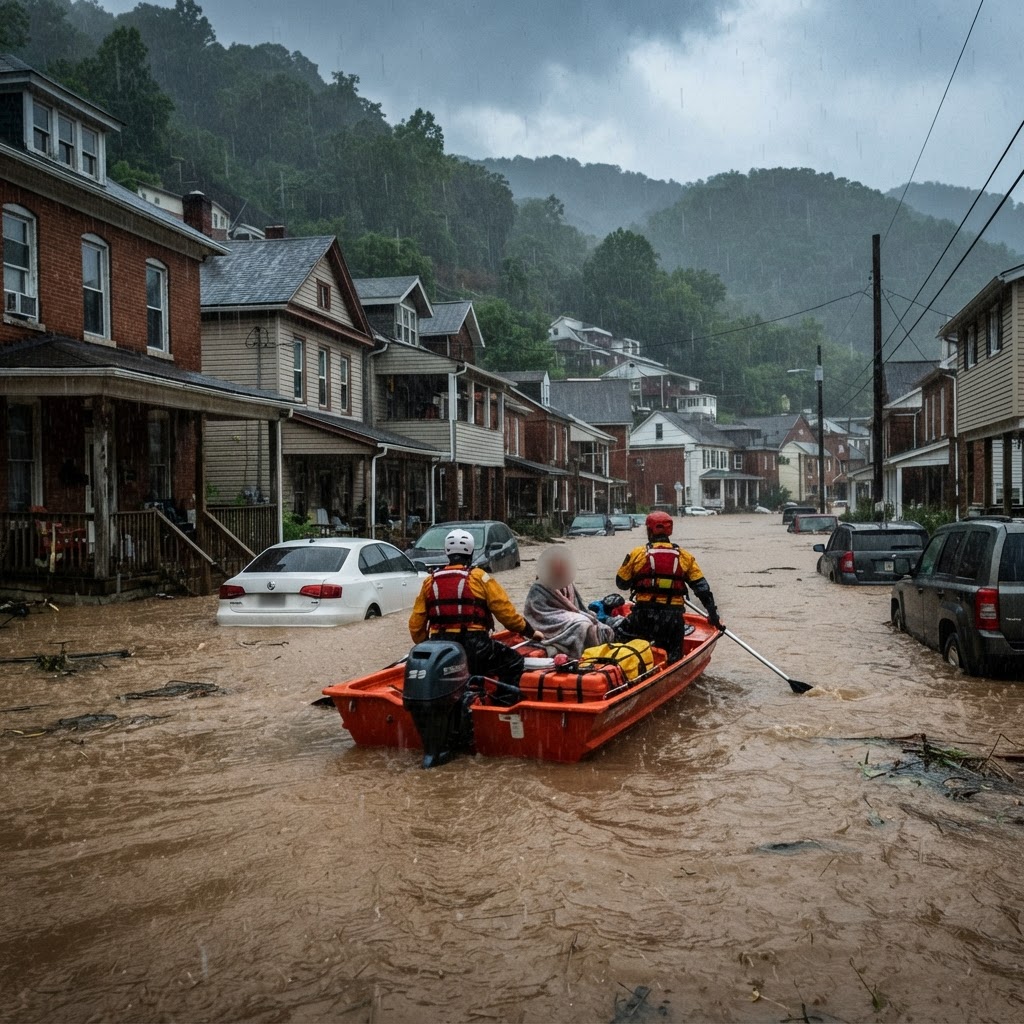
The most serious threat lies over southern Ohio, eastern Kentucky, West Virginia and southwestern Pennsylvania, where meteorologists say up to 12 inches of rain could fall — enough to trigger life-threatening flash flooding in the region's steep hollows and river valleys. Hail and heavy downpours are also possible across the Midwest and the Dakotas.
Wildfire Risk Mounts in the Northwest
Much of the western United States faces elevated fire risk driven by high heat, bone-dry vegetation and gusty winds. Areas of concern include Washington, Oregon, Idaho, Wyoming and parts of Kansas, Oklahoma and Texas. Dry lightning storms across Colorado, Utah, Nevada and California could ignite new fires, AccuWeather meteorologists warn, while smoke and haze from existing burns drift east, dimming skies across the country.
What Residents Should Do
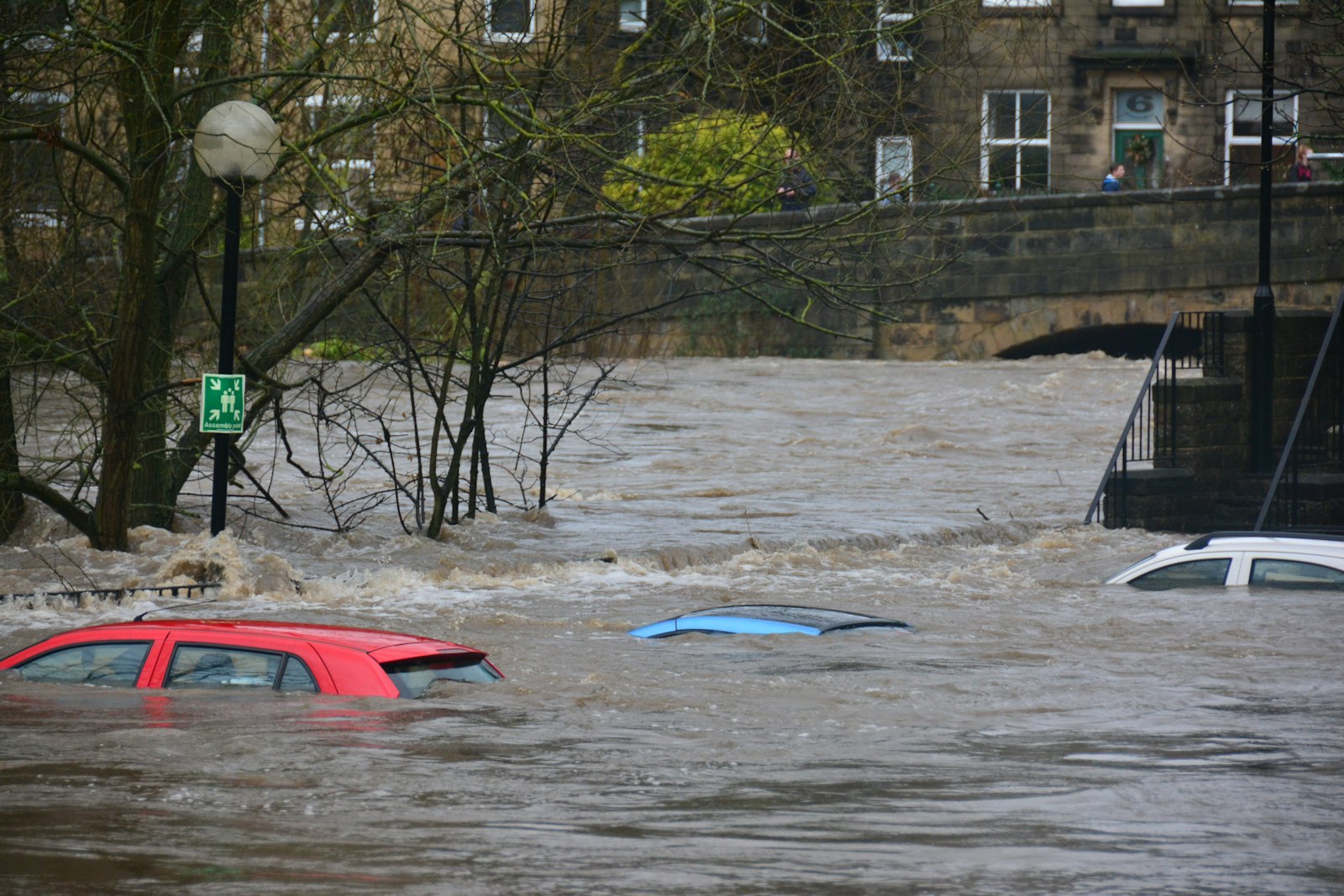
Forecasters urge Americans in affected regions to take warnings seriously: stay hydrated and indoors during peak heat, never drive through flooded roadways — just 12 inches of moving water can carry away a vehicle — and follow local evacuation orders in fire-prone areas. With the pattern expected to hold through the week, officials warn the danger is far from over.


Comments (0)
Be the first to share your thoughts!
Your voice matters. Every comment helps build our community.
Discussion Starters
No comments yet. Be the first to share your thoughts!