





TND News | November 20, 2026
Tensions in the Middle East are reaching a boiling point as the conflict between the United States and Iran escalates in the Persian Gulf and the Strait of Hormuz. Despite ongoing diplomatic efforts by regional allies to de-escalate the nine-month-old war, military actions from both sides have intensified over the past 48 hours, threatening global shipping and energy supplies.
Surge in Maritime Aggression
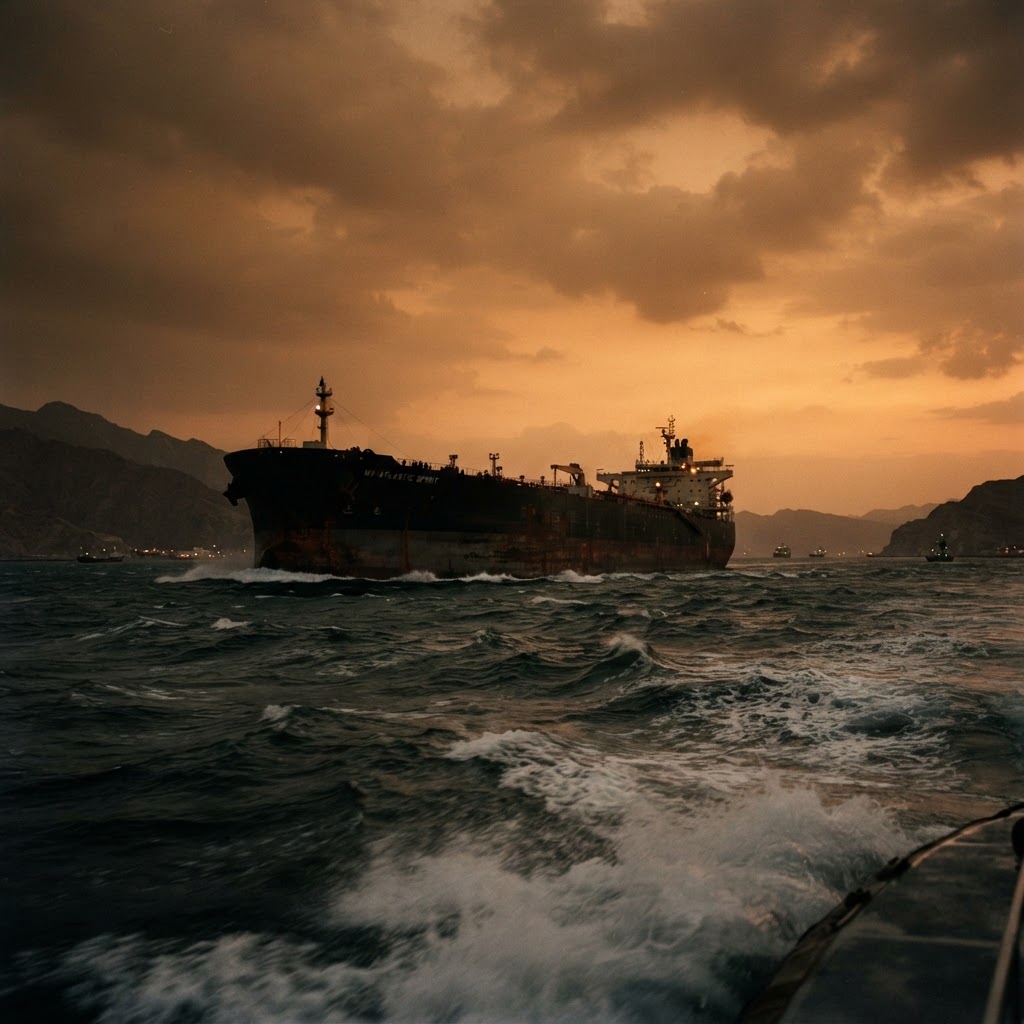
Iran has significantly ramped up its aggression in the Strait of Hormuz, a critical chokepoint for global oil. According to a US official speaking on Thursday, Iranian forces have shifted tactics, deploying anti-ship cruise missiles which are described as far more lethal than the drones previously used. The UK Maritime Trade Operations (UKMTO) agency has reported multiple Iranian attacks on vessels daily in recent days.
Despite the heightened risks, oil traffic through the strait has paradoxically surged. On Wednesday, an unprecedented 28 million barrels of oil passed through the Strait of Hormuz, marking the highest volume recorded even before the war began. However, the danger remains acute. The New York Times reported on Thursday that the rate of attacks on ships in the strait this month and last has more than doubled compared to the previous seven months. One recent attack left a sailor missing, and the Islamic Revolutionary Guard Corps (IRGC) Navy claimed that a vessel struck a naval mine and exploded along an unauthorized route.
Tit-for-Tat Military Strikes
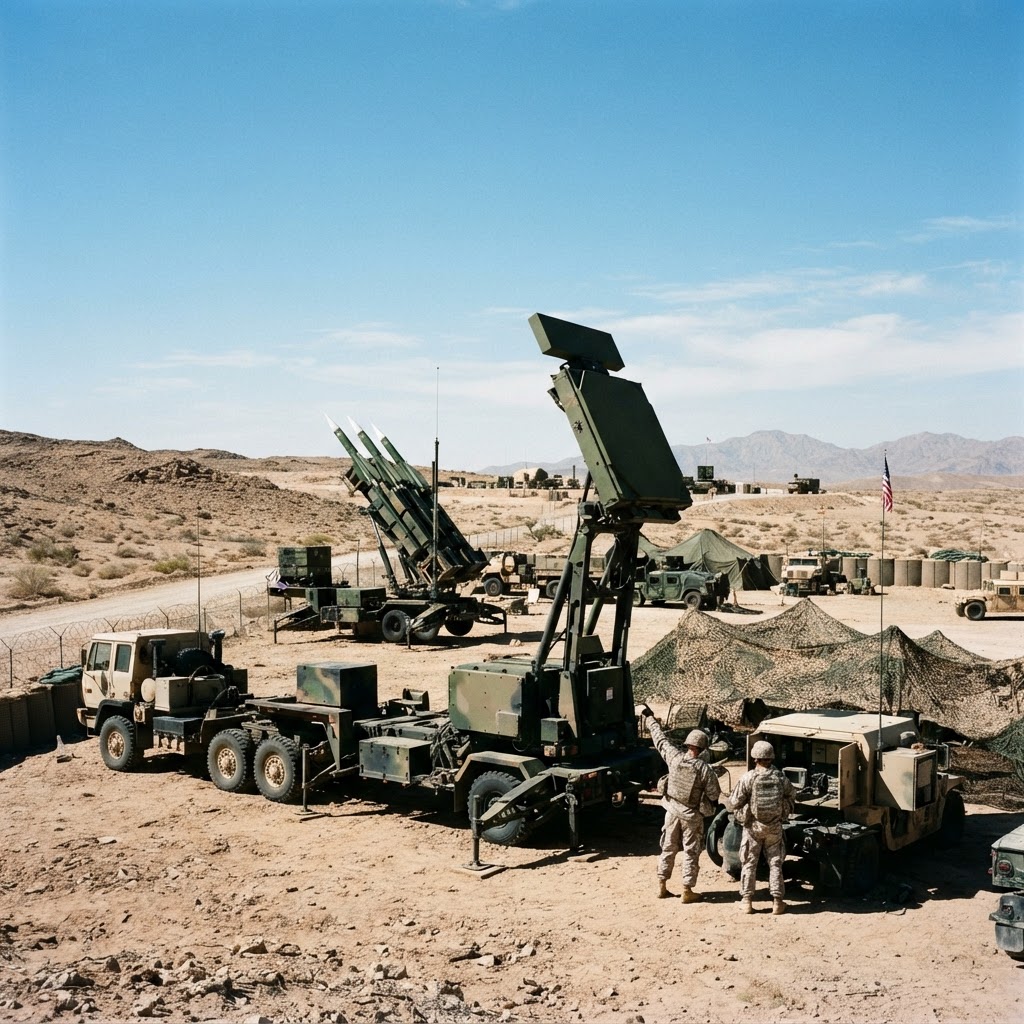
The maritime conflict is mirrored by direct military confrontations. Following a US airstrike on an IRGC missile launch site on Qeshm Island on Tuesday, Iran retaliated by targeting US military installations in neighboring Gulf countries. The Iranian army claimed to have launched drone attacks against US Patriot air defense systems and drone launchers at the Ali Al Salem Air Base in Kuwait. Kuwaiti officials reported that their air defenses successfully intercepted the projectiles.
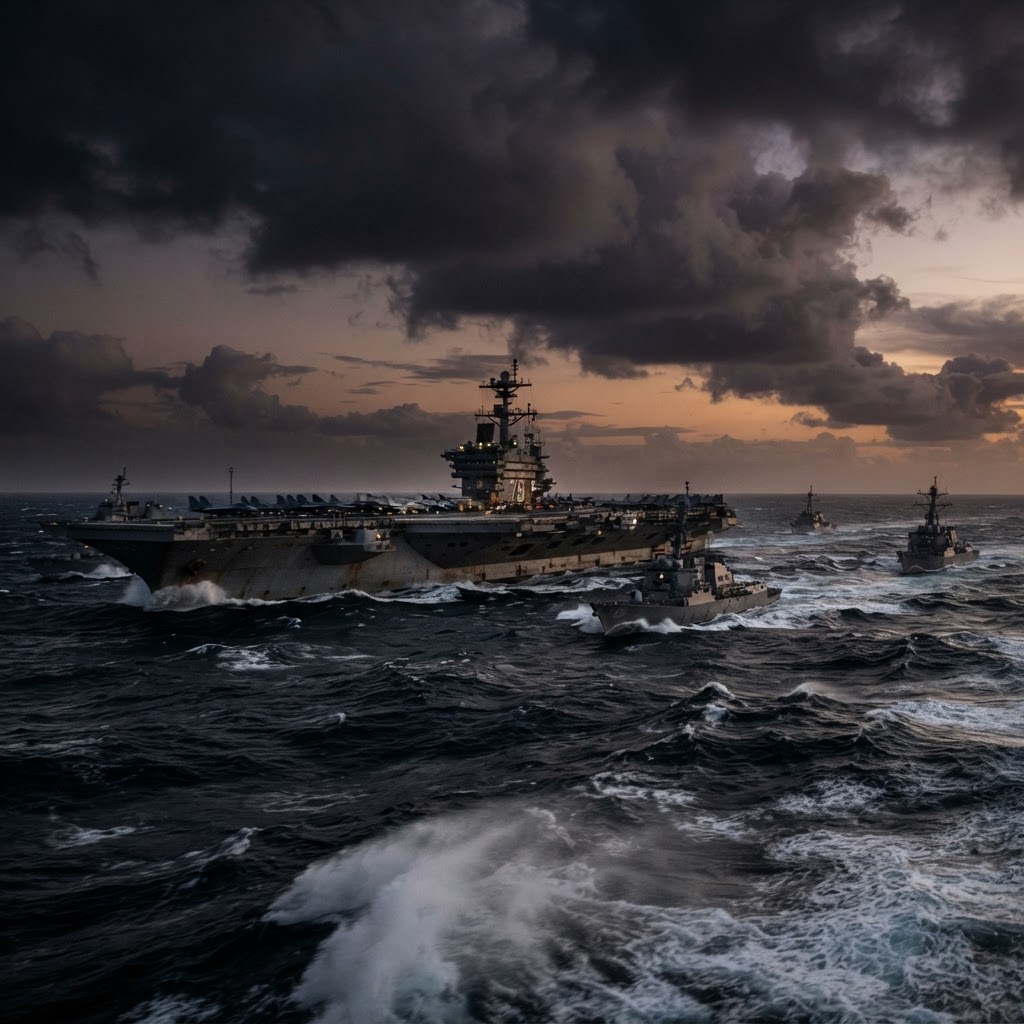
Bahrain, which hosts the US Navy's Fifth Fleet, also reported intercepting Iranian aerial attacks for the third time this week. US officials have noted that American forces are conducting discreet, near-daily strikes on Iranian missile launchers and military sites used to target vessels and Gulf states, prompting retaliatory strikes from Tehran.

Diplomatic Scramble to Avert Wider War
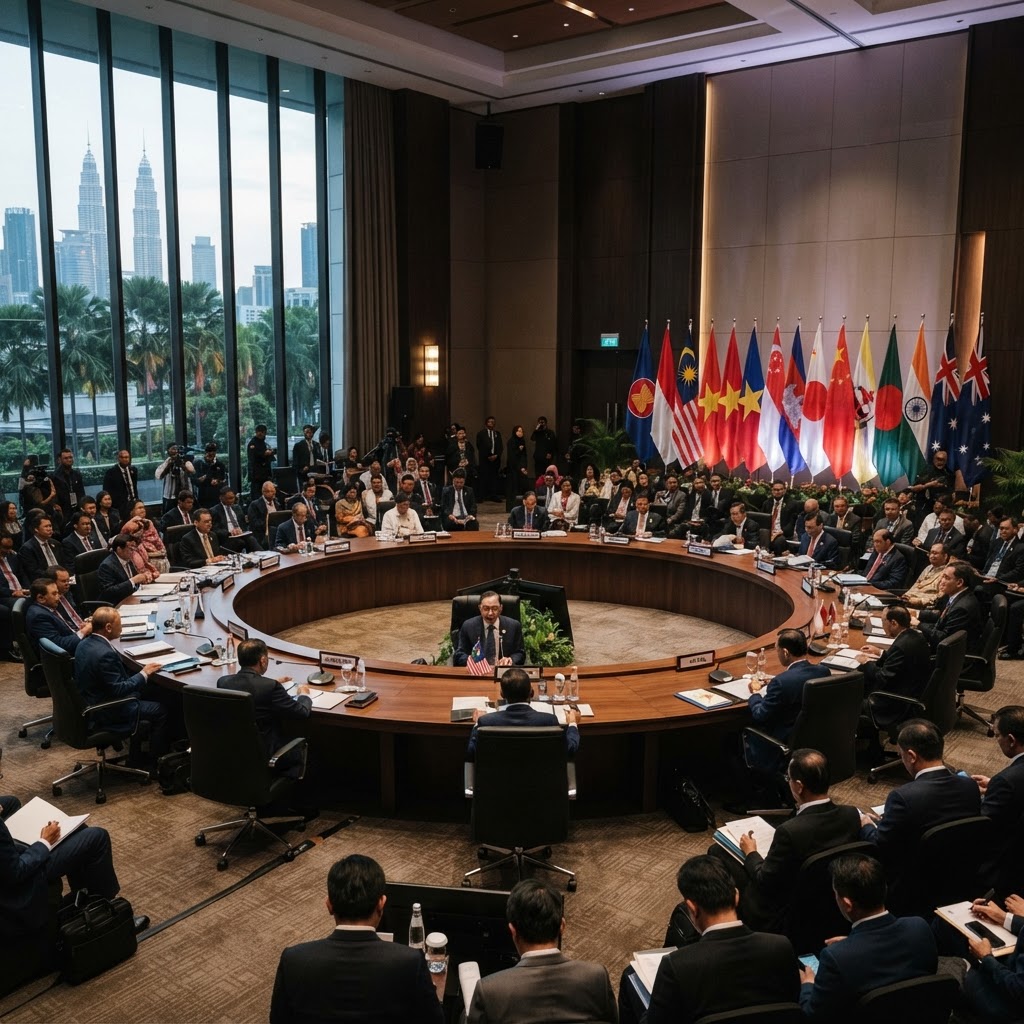
As the military exchanges intensify, US allies in the Middle East are mounting a frantic diplomatic push to prevent the conflict from spiraling into a full-scale regional war. Officials from Persian Gulf countries, Pakistan, and Turkey are actively engaging with senior US officials. Their urgency is driven by concerns that Israeli Prime Minister Benjamin Netanyahu is pressuring the Trump administration to launch a joint air campaign against Iran's nuclear and missile facilities.
Recent high-level meetings underscore these fears. Israel's Mossad chief, Roman Gofman, recently visited Washington to meet with CIA Director John Ratcliffe before heading to Miami for talks with US envoy Steve Witkoff. Concurrently, Qatar's Prime Minister met with President Donald Trump at the White House, as Doha attempts to mediate between Washington and Tehran.
Arab nations are deeply concerned that a renewed, broader conflict could devastate the region. They fear that Iran and its proxies might target not only US military bases but also critical civilian infrastructure, including oil installations, power stations, desalination plants, and undersea communication cables.
US Military Coordination
Meanwhile, military coordination between the US and Israel remains tight. US Central Command (CENTCOM) Commander Admiral Brad Cooper is currently in Israel meeting with IDF Chief of Staff Lt. Gen. Eyal Zamir to discuss future plans regarding the Iran conflict. Despite rumors of Iran planning to use a dirty bomb, US Secretary of State Marco Rubio stated in Washington that there is no imminent threat of such an attack.
As the situation develops, the international community watches closely, balancing the immediate need to protect vital shipping lanes with the overarching goal of preventing a catastrophic regional war.
Sources: The Jerusalem Post, Rappler, Critical Threats, Daijiworld, The New York Times, JINSA, UANI, AnewZ


Comments (0)
Be the first to share your thoughts!
Your voice matters. Every comment helps build our community.
Discussion Starters
No comments yet. Be the first to share your thoughts!