





TND World | November 20, 2026
Across the African continent this week, shifting political landscapes and urgent humanitarian crises have dominated the headlines. From the escalating conflict and displacement in Sudan to a major public health victory in Kenya, here are the most critical developments shaping the region as of Friday, November 20, 2026.
Sudan: Military Advances and a Deepening Humanitarian Crisis
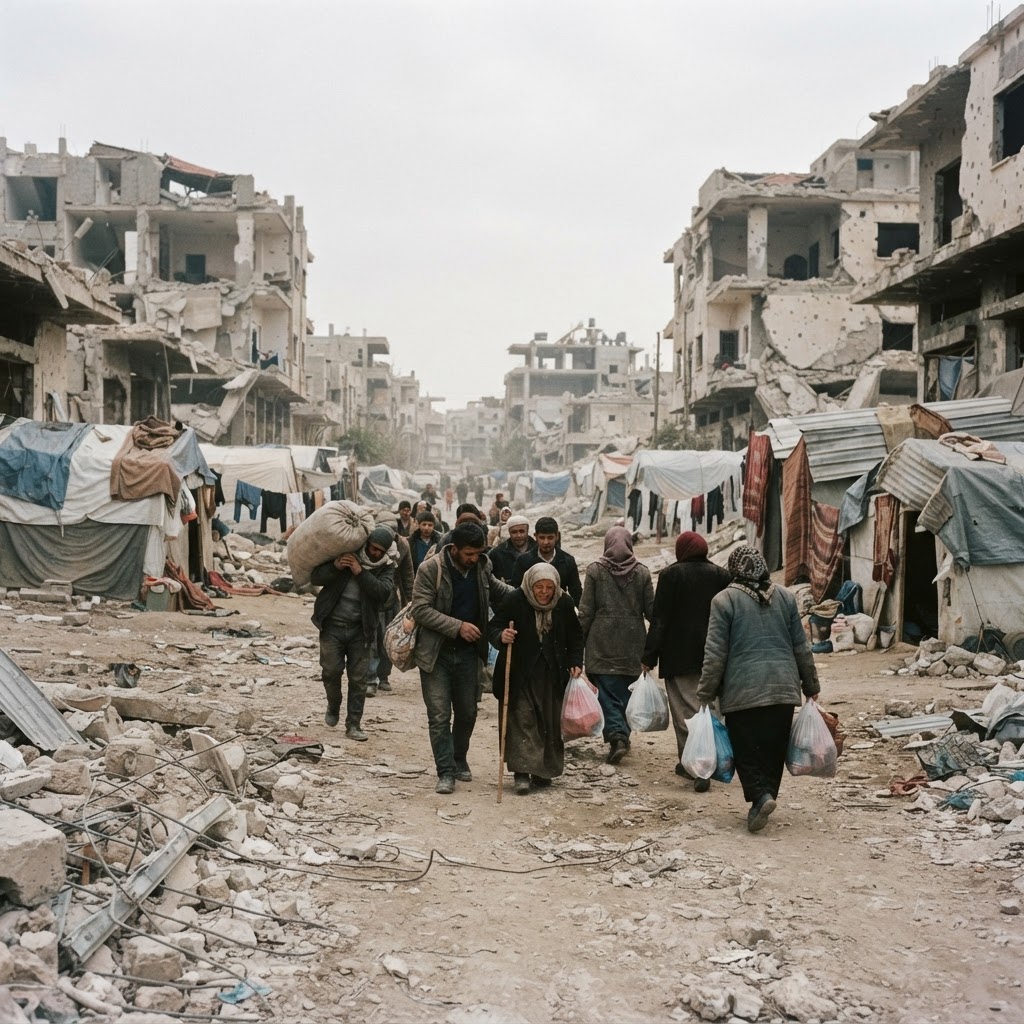
The conflict in Sudan continues to intensify, bringing severe consequences for civilian populations. The Sudanese Armed Forces have recently advanced across three districts in West Kordofan state, prompting the Rapid Support Forces to retreat from areas including Al-Khuway and the strategic town of Abu Zabad. This military push has been accompanied by intensive airstrikes targeting numerous villages, which has triggered a mass exodus of residents heading south.
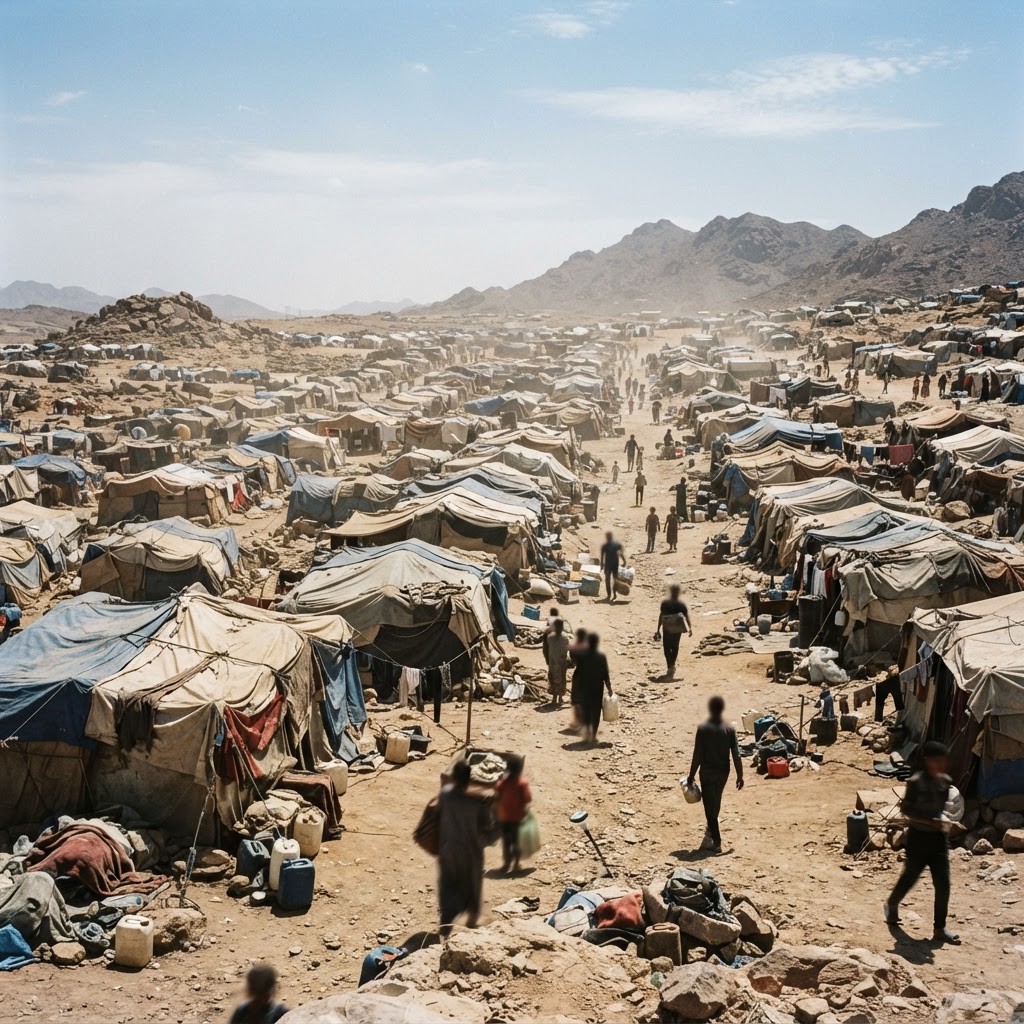
Local human rights observers report that the closure of markets has severely disrupted the supply chain for basic commodities, leaving thousands in deteriorating living conditions. The humanitarian toll is staggering. The United Nations refugee agency and the International Organization for Migration issued a joint warning this week that millions of displaced people are at risk of losing emergency shelter due to severe funding shortages. An estimated 15.4 million people urgently require basic household items, but agencies can currently only support about ten percent of those in need. Warehouses in Khartoum are reportedly empty, raising alarms about the survival of vulnerable families.
On the diplomatic front, efforts to negotiate peace have hit a stumbling block. The Sudan People's Liberation Movement-Revolutionary Democratic Current announced it will boycott the upcoming Nyon Process peace talks in Switzerland. The group cited concerns over the inclusion of certain Islamist factions, demanding a review of political consultations before proceeding with the dialogue.
Ethiopia and Eritrea: Border Tensions Escalate
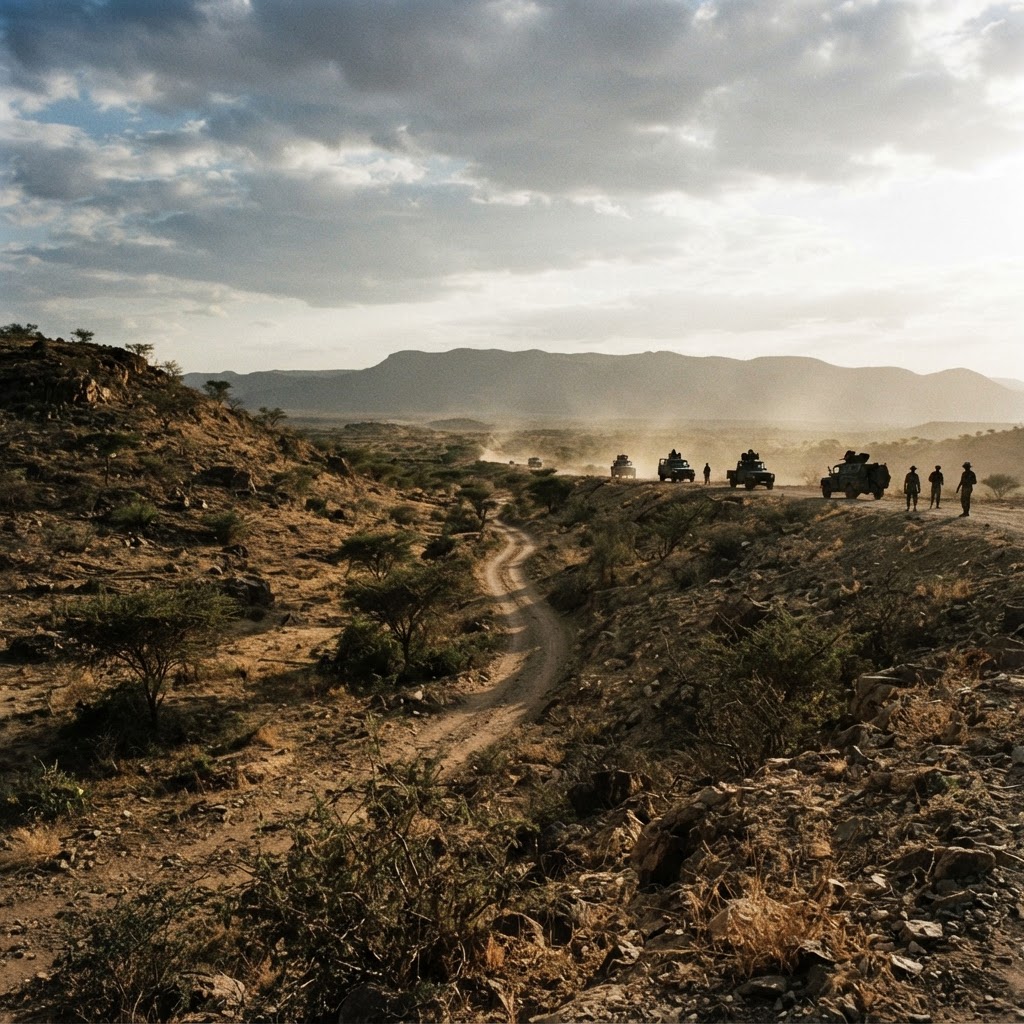
Fears of renewed conflict in the Horn of Africa are mounting as Ethiopia and Eritrea amass military forces along their shared border. Conflict monitors report that the build up has brought the two armies within striking distance of each other. There are unconfirmed reports from conflict monitoring groups of recent clashes between the two sides, which would mark their first direct armed exchanges in over a month. However, these claims remain disputed by sources close to pro government militias in the Tigray region. The situation remains highly volatile, drawing close observation from international peacekeepers and regional allies.
Kenya: A Public Health Victory Against Ebola
In a significant public health achievement, Kenya has successfully contained a recent Ebola outbreak through rapid preparation and response. Health officials discharged the country's last Ebola patient on November 11, just 37 days after the first case was recorded. Authorities have reported zero community transmission. If no new cases emerge over the next few weeks, Kenya is on track to be officially declared Ebola free by December 23. Health experts are praising the swift action, noting that the country's robust preparedness protocols prevented a wider regional health disaster.

Nigeria: Historic Move Toward State Policing
Nigeria has taken a monumental step toward restructuring its internal security apparatus. In a unanimous decision, all 36 state legislatures have approved a proposed constitutional amendment that will allow states to establish their own police forces. These new state level units will operate alongside the existing federal police. Proponents of the amendment argue that localized policing will improve response times and community relations in a country grappling with diverse security challenges, while critics have previously raised concerns about the potential for political misuse of local forces by state governors.
South Africa: Inflation Spikes Amid Rising Fuel Costs
Economic pressures are mounting in South Africa, where annual inflation rose to 5.2 percent in October, up from 4.5 percent the previous month. Statistics South Africa reported that the increase was primarily driven by surging fuel prices, which jumped 11.8 percent in a single month and nearly 43 percent over the past year. The rising costs at the pump are rapidly translating into higher prices for public transportation, food delivery, and basic staples like bread, placing a heavy burden on everyday consumers.
Ghana: Government Defends Presidential Jet Purchase
In West Africa, the Ghanaian government is facing public scrutiny over its acquisition of a 61 million dollar French made Falcon 6X presidential jet. Opposition leaders have criticized the timing and cost of the purchase, arguing the funds should have been directed toward unemployment and public services amid a rising cost of living. The administration defended the move, stating the purchase was approved by Parliament last year and financed without borrowing. Officials maintain that the new aircraft is necessary to replace an aging jet plagued by maintenance issues, noting the new model's longer flying range will reduce refueling stops on international diplomatic missions.
Sources: Sudan Tribune, Reuters, Inter Press Service, BBC, Statistics South Africa, IOM, UNHCR


Comments (0)
Be the first to share your thoughts!
Your voice matters. Every comment helps build our community.
Discussion Starters
No comments yet. Be the first to share your thoughts!