





TND World | November 20, 2026
Diplomatic and military developments surrounding the war in Ukraine have accelerated this week, marked by a rare public divergence between the United States and its European allies over military strategy. As winter sets in, international leaders are simultaneously preparing for prolonged conflict and laying the groundwork for potential peace negotiations.
European Allies Reject US Skepticism on Deep Strikes
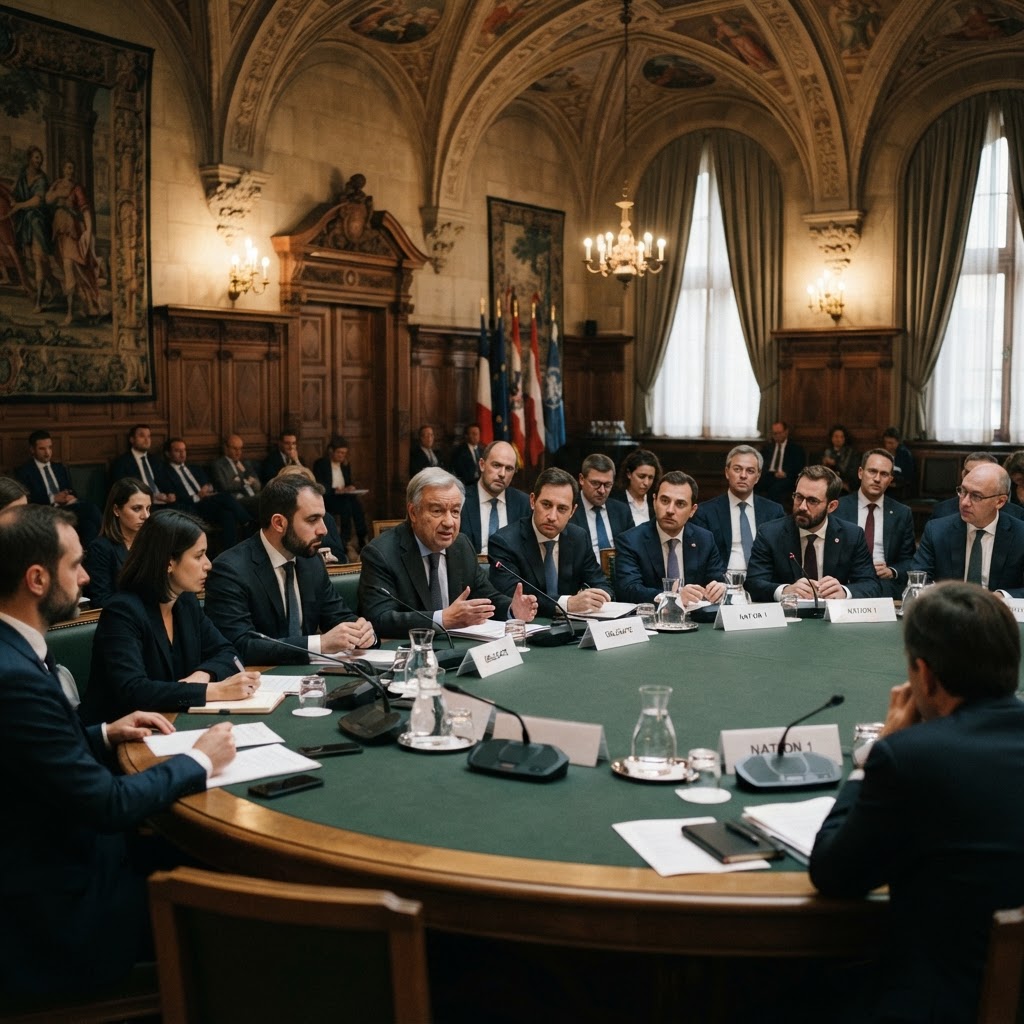
A sharp division emerged during the Ukraine Defence Contact Group meeting in Brussels regarding Kyiv's strategy of launching long range strikes deep into Russian territory. US Undersecretary of Defense Elbridge Colby criticized the attacks, which have recently targeted Russian energy facilities and commercial warehouses. Colby argued that the strikes have not been effective in ending the war or slowing Russian frontline advances, warning that they risk hardening Russian public resolve.
European leaders openly pushed back against the American assessment. German Defense Minister Boris Pistorius dismissed the criticism of striking legitimate military targets as misguided, urging allies to focus instead on Moscow's relentless attacks on Ukrainian civilian infrastructure. British Defense Secretary Wes Streeting echoed this sentiment, stating that deep strikes have successfully degraded Russia's military capabilities and saved Ukrainian lives. NATO Secretary General Mark Rutte also defended the strategy.
Undeterred by Washington's reservations, Ukraine announced plans to more than triple its deep strike capabilities in 2027. The strategy will direct significant funding toward expanding the arsenal of long range drones and improving their effectiveness against targets inside Russia.
Berlin Summit Focuses on Post War Security
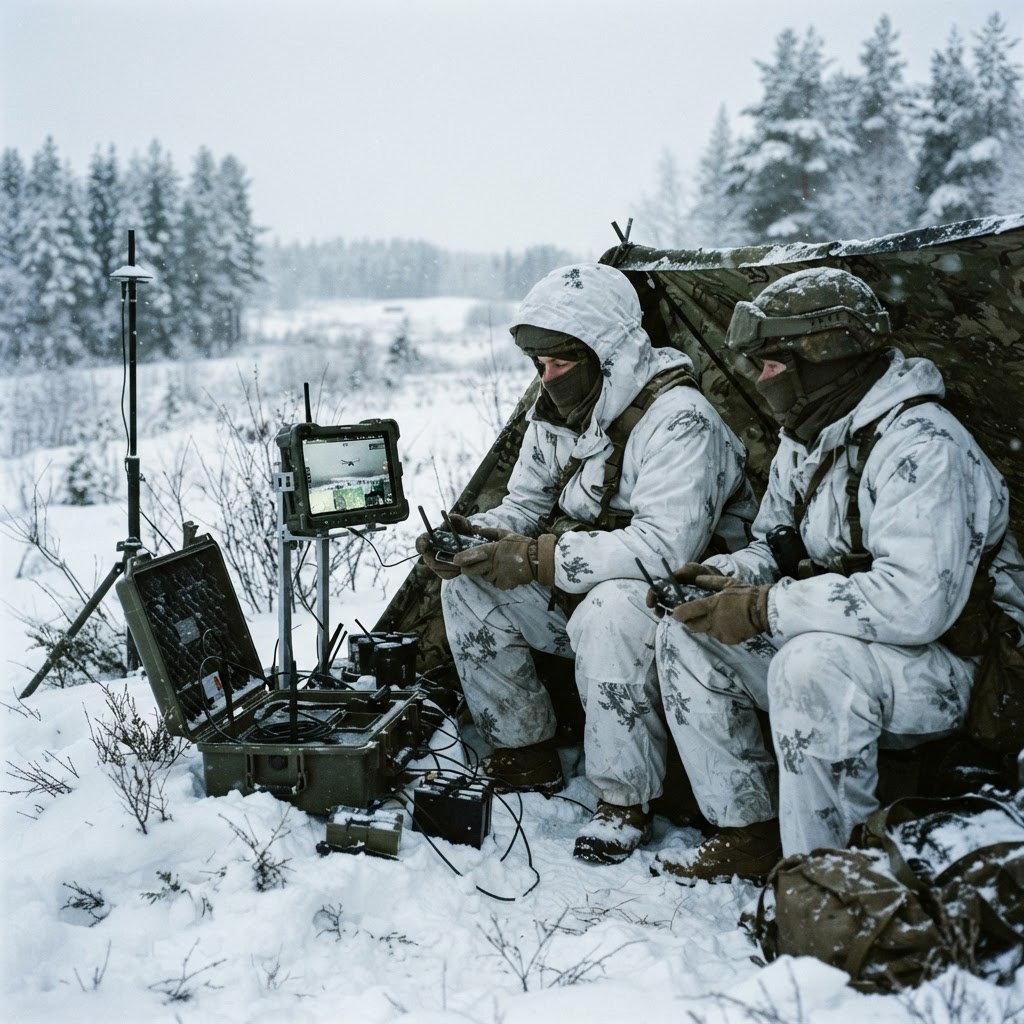
As debates over battlefield tactics continue, diplomatic efforts are intensifying. On Thursday, German Chancellor Friedrich Merz hosted delegations from more than thirty member states of the Coalition of Volunteers in Berlin. The summit aimed to define Europe's role in future peace negotiations and establish long term security guarantees for Ukraine.
Attendees included French President Emmanuel Macron, British Prime Minister Andy Burnham, and US special envoys Jared Kushner and Steve Witkoff. Following the talks, Kushner noted that Europe remains highly united and strong in its support for Ukraine, adding that this message of unity would be relayed to US leadership and Russian negotiators. These discussions precede an anticipated summit in Shenzhen, China, where US, Russian, and Chinese leadership are expected to discuss potential frameworks for ending the war.
Coinciding with the diplomatic talks, eleven nations are participating in military exercises in Poland. The drills, involving 2,800 military personnel, are designed to assess the deployment capabilities of a multinational force that could be stationed in Ukraine following a stable ceasefire agreement.
EU Proposes Massive Financial Package
To address mounting economic pressures, the European Commission has proposed a new 45 billion euro loan to support Ukraine's economy and war effort in 2027. European Commission President Ursula von der Leyen announced the initiative to help fill a projected 70 billion euro funding gap for the coming year.
In a significant policy shift, von der Leyen stated that Ukraine would only be required to repay the loan after Russia has paid reparations for the damage caused by the invasion. The proposal underscores Europe's commitment to shouldering a larger portion of the financial burden as the conflict drags on.
Battlefield Escalations and Technical Hurdles
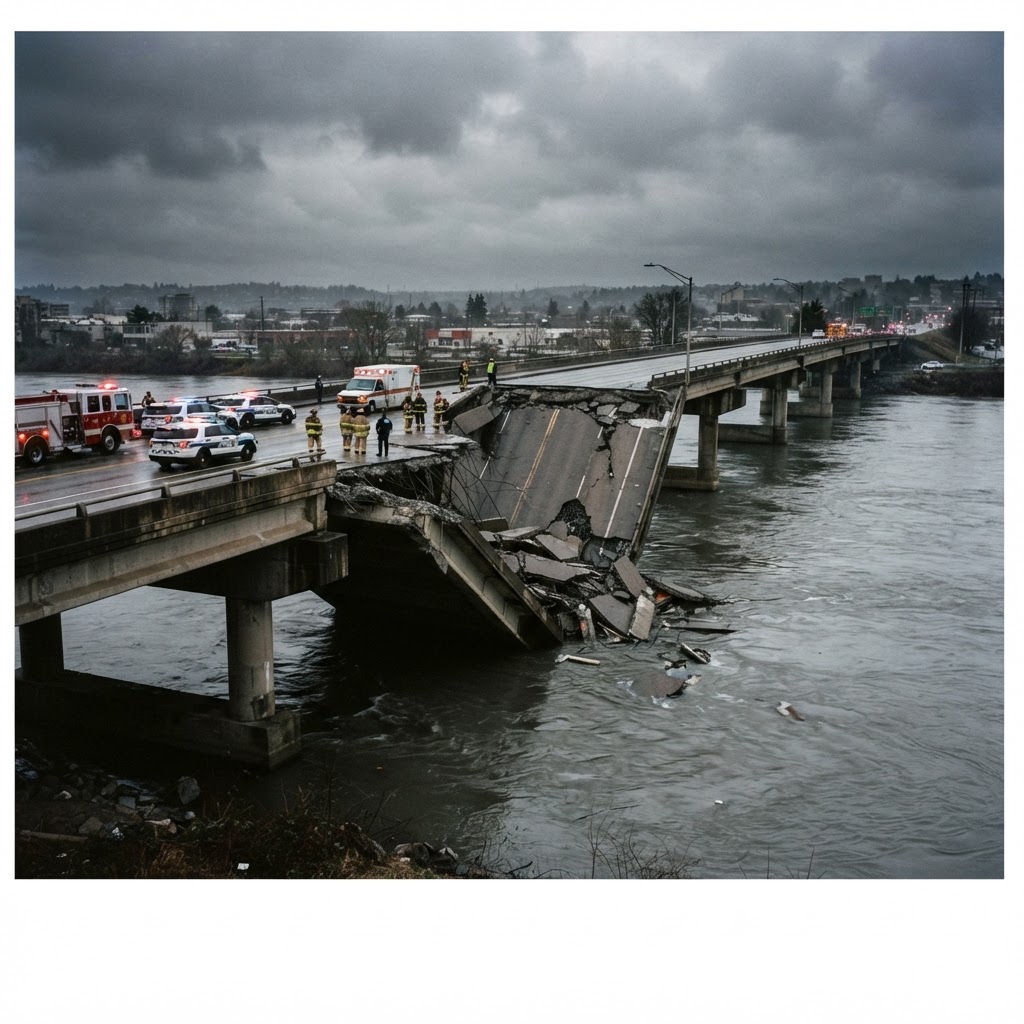
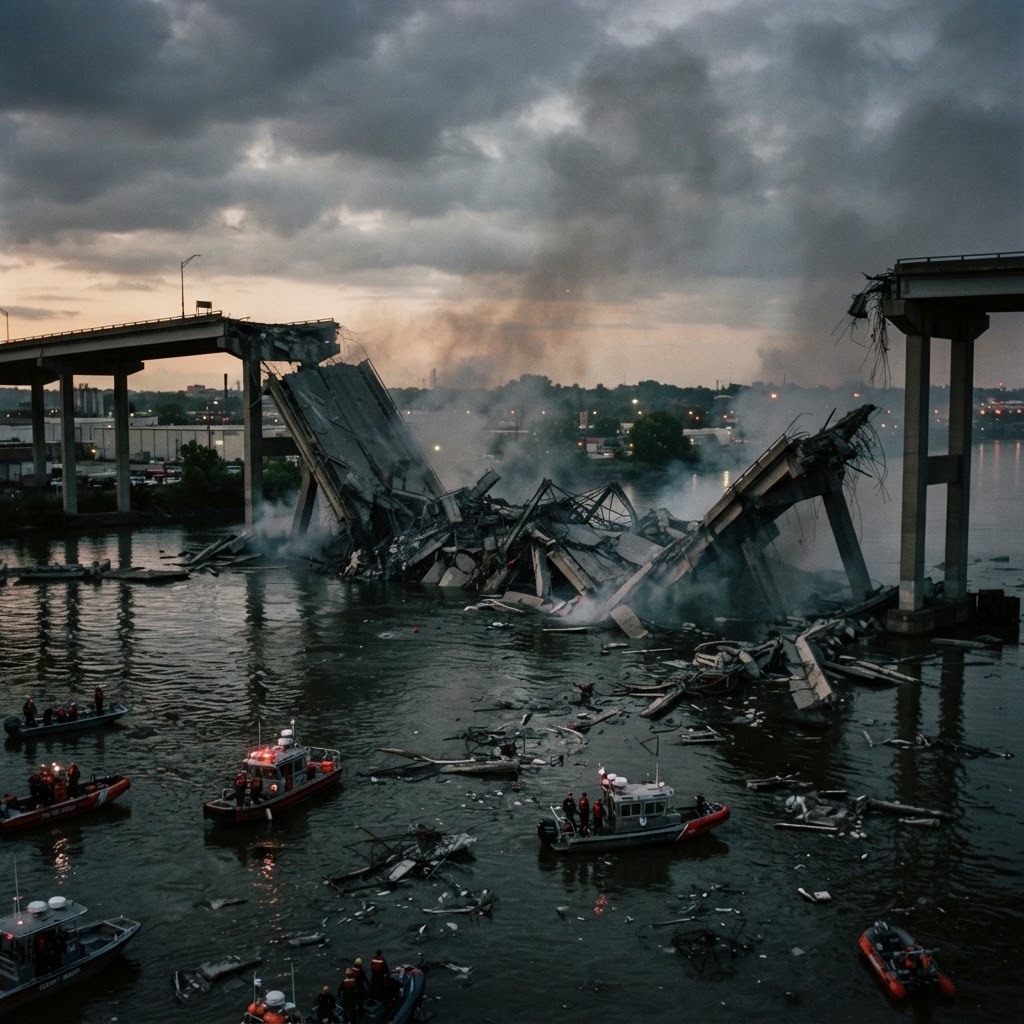
On the ground, violence has flared following a major Ukrainian strike on the Kerch Bridge, which caused a partial collapse of the structure and resulted in two reported deaths. Ukraine subsequently targeted industrial refineries in the Krasnodar region. In response, Russian air attacks across Ukraine killed at least five people, highlighting the ongoing threat to civilian populations.
Ukrainian forces are also grappling with technical limitations and dwindling air defense supplies. Kyiv is currently pressing the United States to lift restrictions on the Starshield satellite communications system. Ukrainian officials report that the system malfunctions when their interceptor drones exceed speeds of 161 kilometers per hour near the front lines, severely hampering their ability to intercept incoming Russian jet powered drones.
Furthermore, Ukrainian leadership has urged allies to release Patriot and IRIS-T interceptors from existing stockpiles immediately. Proposing a swap mechanism, Kyiv hopes to receive available missiles now in exchange for replacements from future production contracts, emphasizing that immediate air defense is critical for surviving the winter.
Sources: NATO News, CNBC, Al Jazeera, Kyiv Post, Demócrata, Eurasia Review, DW, The Independent
Comments (0)
Be the first to share your thoughts!
Your voice matters. Every comment helps build our community.
Discussion Starters
No comments yet. Be the first to share your thoughts!