





TND World | November 20, 2026
South China Sea Code of Conduct Misses Key Deadline
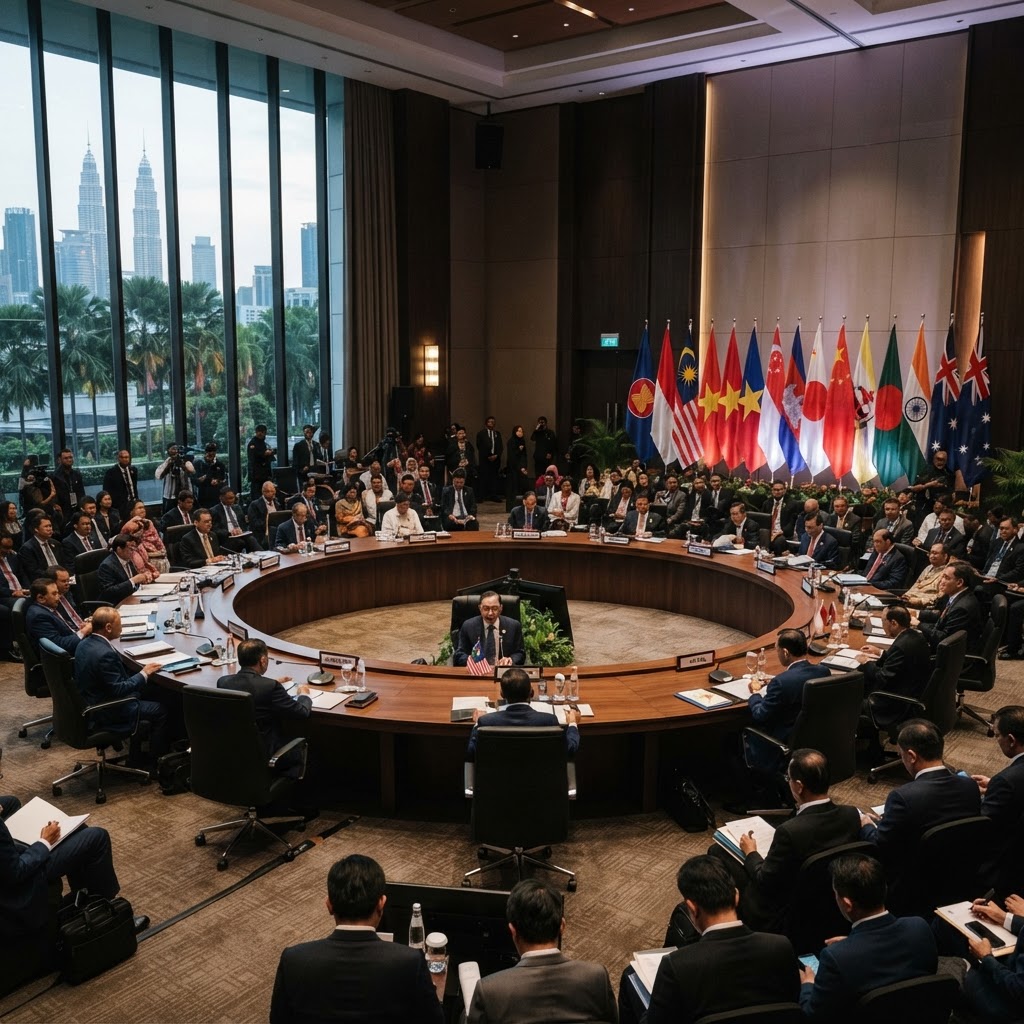
Efforts to establish a binding Code of Conduct in the South China Sea have encountered a significant setback. At the recent Association of Southeast Asian Nations summit in the Philippines, regional leaders failed to conclude the agreement, officially missing their 2026 deadline. Officials in Manila reported that negotiators had successfully completed eighty percent of the drafting text. However, the remaining unresolved sections have forced negotiations to roll over into the upcoming year, when Singapore will assume the rotating chairmanship of the bloc. Despite the progress reported by Philippine diplomats, geopolitical analysts remain highly skeptical that a substantive and effective framework can be realized in the short term, given the complex overlapping territorial claims and ongoing maritime friction in the strategic waterway.
Indonesia Enacts Historic Asset Forfeiture Law Amid Major Economic Moves
In a landmark legislative victory, Indonesia has officially passed its long awaited asset forfeiture law, concluding an eighteen year legislative struggle. The new legal framework is expected to significantly bolster the nation's anti corruption efforts by allowing the state to seize assets linked to illicit activities more efficiently. This domestic milestone coincides with major international economic developments for Jakarta. On Wednesday, Indonesia and China sealed cooperation agreements valued at over seventy one billion dollars, signaling a massive deepening of bilateral economic ties. Meanwhile, the Indonesian political landscape is experiencing a shakeup following the resignation of Vice President Gibran, with political figures Dasco and Sugiono emerging as leading contenders to fill the vacancy. In a separate move to stabilize the economy, the Indonesian central bank announced a rate hike to support the rupiah.
Japan Proposes Asian Oil Security Task Force
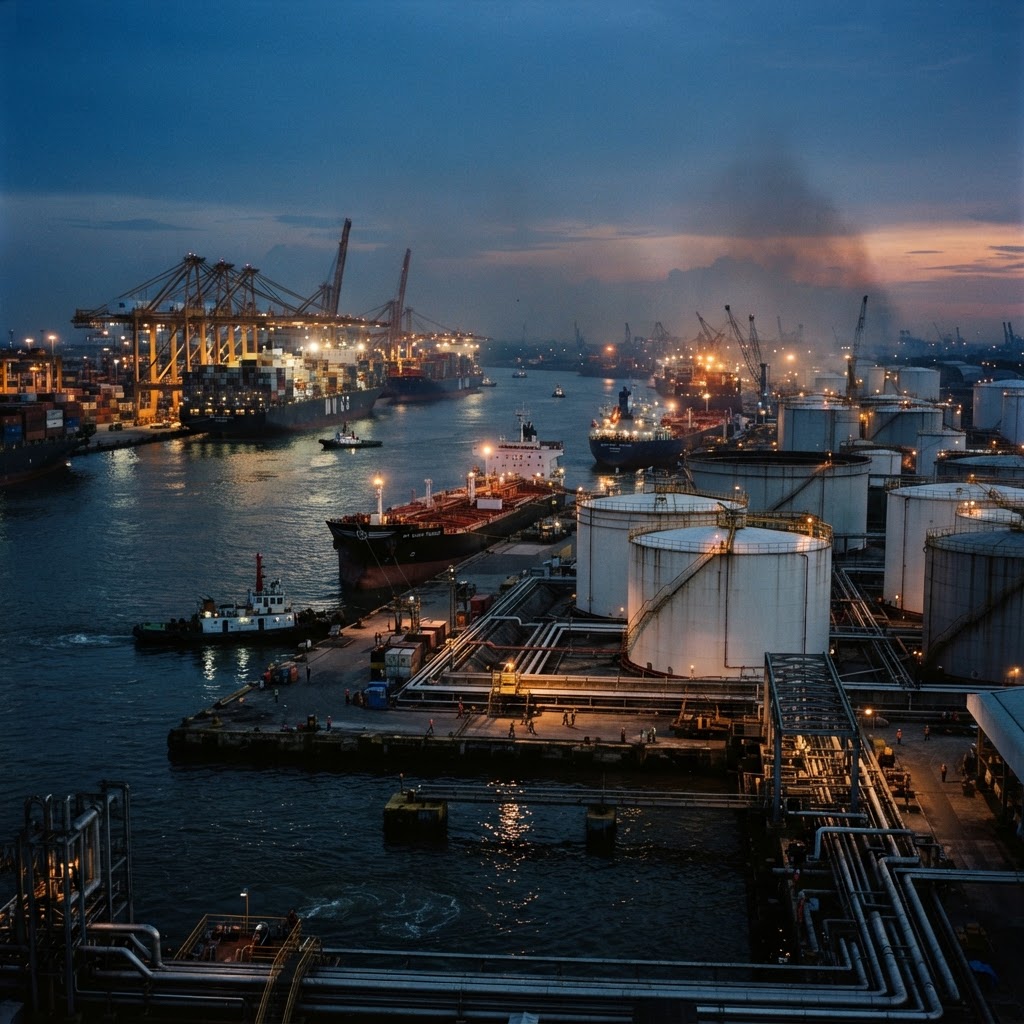
Energy security has taken center stage following the exposure of regional vulnerabilities linked to the United States and Iran conflict. In response to the heightened risks surrounding shipping routes through the Strait of Hormuz, Japanese Prime Minister Sanae Takaichi has proposed the creation of an Asia Oil Security Task Force. Speaking at the Asia Zero Emission Community meeting in Manila, Takaichi outlined a vision for an Asian equivalent to the International Energy Agency. The proposed framework would establish rules for releasing emergency oil reserves and sharing supplies during crises. To support this initiative, Japan has offered to utilize its idle domestic oil storage tanks to help Southeast Asian nations build their own reserves, noting that many countries in the region currently maintain significantly smaller stockpiles than Japan. The International Energy Agency is reportedly advising the Japanese government on the framework and plans to open a new office in Tokyo to serve as the core institution for the task force.
Quad Leaders Convene Ahead of Historic APEC Summit
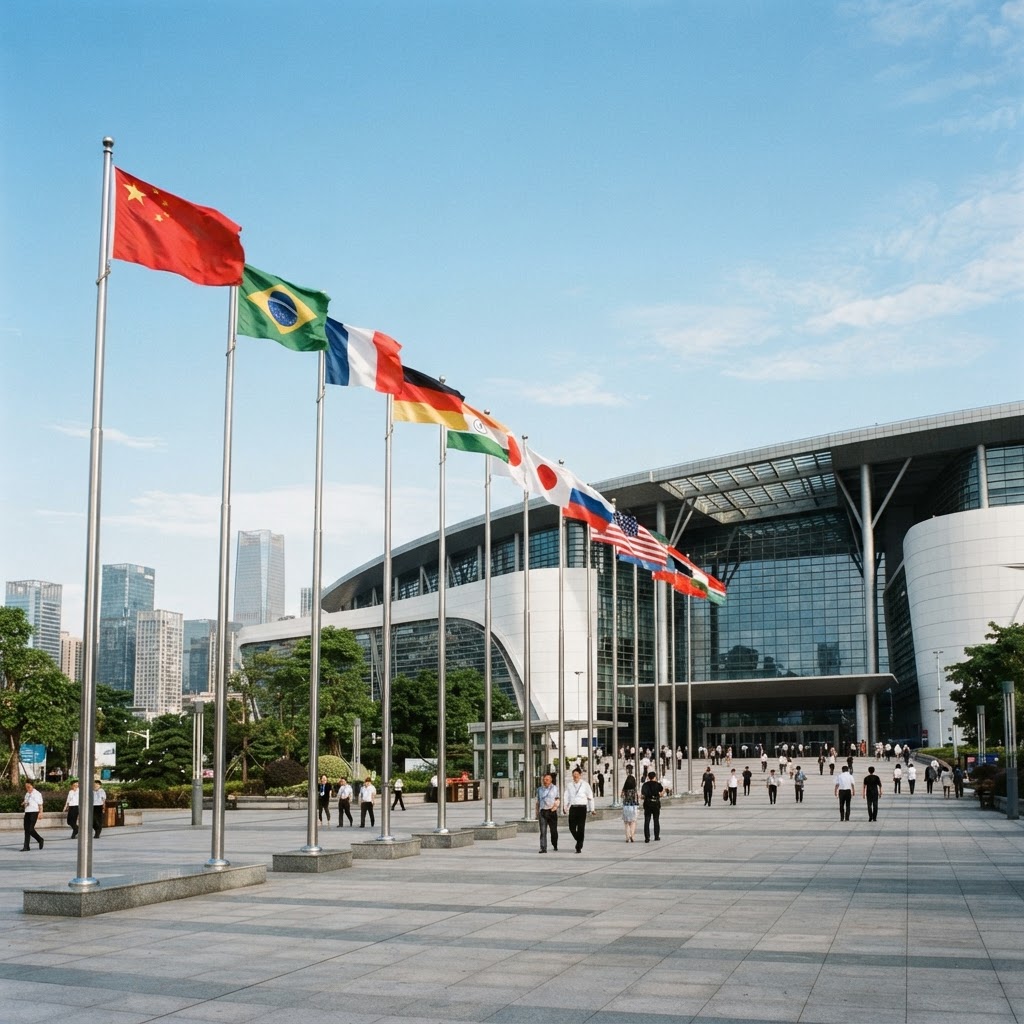
The Quad alliance held its first leaders summit in over two years this week in Manila. United States President Donald Trump, Indian Prime Minister Narendra Modi, Australian Prime Minister Anthony Albanese, and Japanese Prime Minister Sanae Takaichi met to reaffirm their commitment to Indo Pacific security. The discussions heavily prioritized maritime security, the diversification of critical mineral supply chains, and the rapid expansion of artificial intelligence. The leaders agreed to launch an inaugural Quad Business Leaders Forum in Mumbai in early 2027 to foster private sector cooperation. Following the Manila meetings, global attention has shifted to Shenzhen, China, for the Asia Pacific Economic Cooperation summit. President Trump, Prime Minister Albanese, and Russian President Vladimir Putin are all scheduled to hold high stakes meetings with Chinese President Xi Jinping. The Shenzhen summit is expected to feature historic three way nuclear talks, even as Beijing issues stark warnings to Washington regarding new restrictions on artificial intelligence chips.
Pacific Nations Face Climate Resistance at COP31
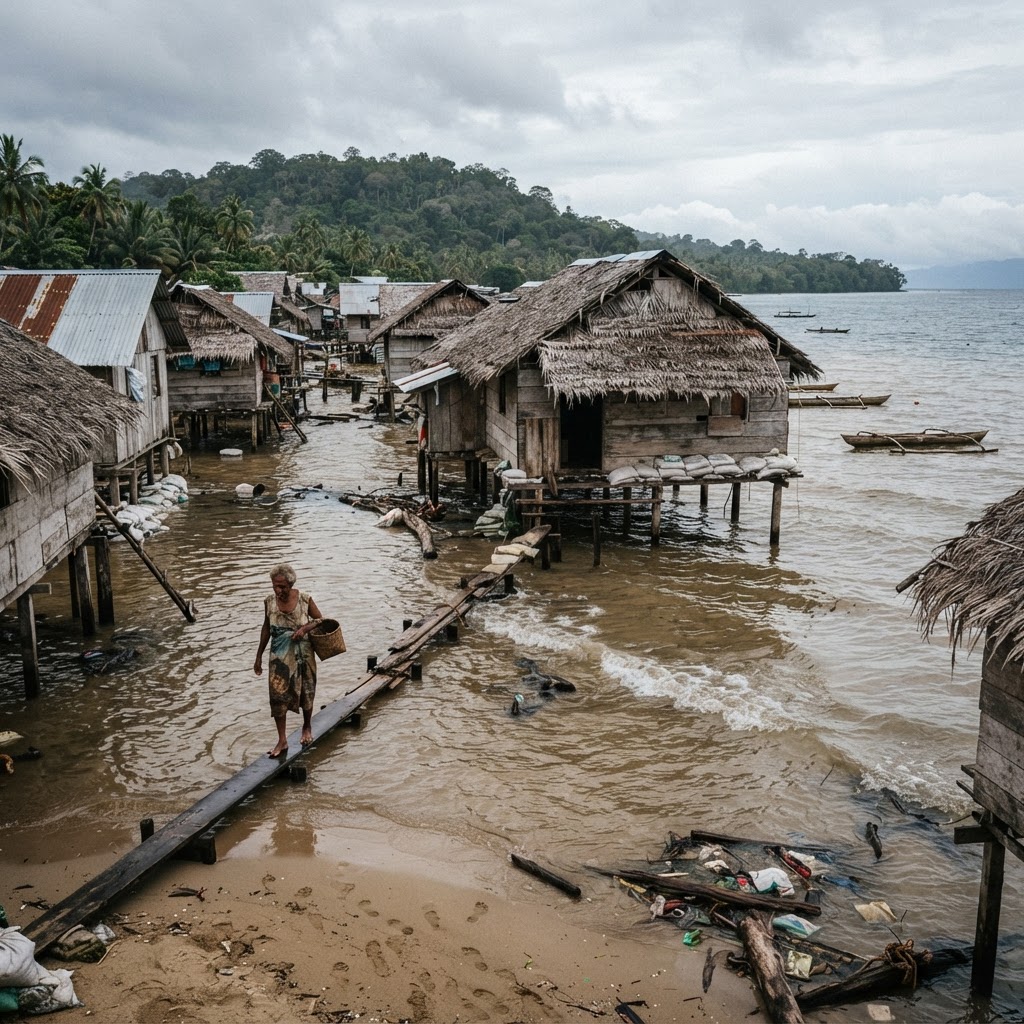
As the COP31 climate negotiations enter their critical second week in Antalya, Turkey, Pacific island nations are encountering stiff resistance to their climate demands. Australian Minister for Climate Change and Energy Chris Bowen presented the first draft of a presidency led cover decision, which includes proposals on climate finance and the global commitment to limiting warming to one point five degrees Celsius. However, the push by Pacific countries to keep the transition away from fossil fuels central to the final agreement is facing strong opposition. Negotiating blocs, including the Arab Group, have actively opposed references to a fossil fuel transition, while Russia has reportedly rejected language regarding the one point five degree target. Despite these hurdles, Pacific nations continue to advocate fiercely for community led resilience, bolstered by recent international recognition such as Niue winning the 2026 Earthshot Prize for Ocean Conservation and Singapore pledging half a million dollars to the Pacific Resilience Facility.
Sources: CNBC, Islands Business, The Diplomat, Kyodo News, SBS News, Lianhe Zaobao, IRIA News, Harici, ISEAS, The Star


Comments (0)
Be the first to share your thoughts!
Your voice matters. Every comment helps build our community.
Discussion Starters
No comments yet. Be the first to share your thoughts!