





TND News | November 19, 2026
Tensions across the Middle East have reached a critical threshold this week as the United States and Israel weigh new military actions against Iran. The strategic Strait of Hormuz remains a flashpoint for maritime security, with multiple commercial vessels sustaining damage and insurance costs skyrocketing. Meanwhile, regional mediators are scrambling to salvage diplomatic channels amid a volatile standoff that shows no immediate signs of resolution.
Military Posturing and Potential Strikes
In Washington, President Donald Trump is reportedly considering plans for another round of extensive military strikes on Iran. U.S. and Israeli officials indicate that this deliberation is driven by new intelligence regarding Iranian capabilities and intensifying pressure from Israel to act aggressively. Israel has issued warnings about Iran successfully rebuilding its missile and drone arsenals, as well as advancing its chemical and biological weapons programs. While no final decision has been made, the military coordination between the allied nations is deepening.
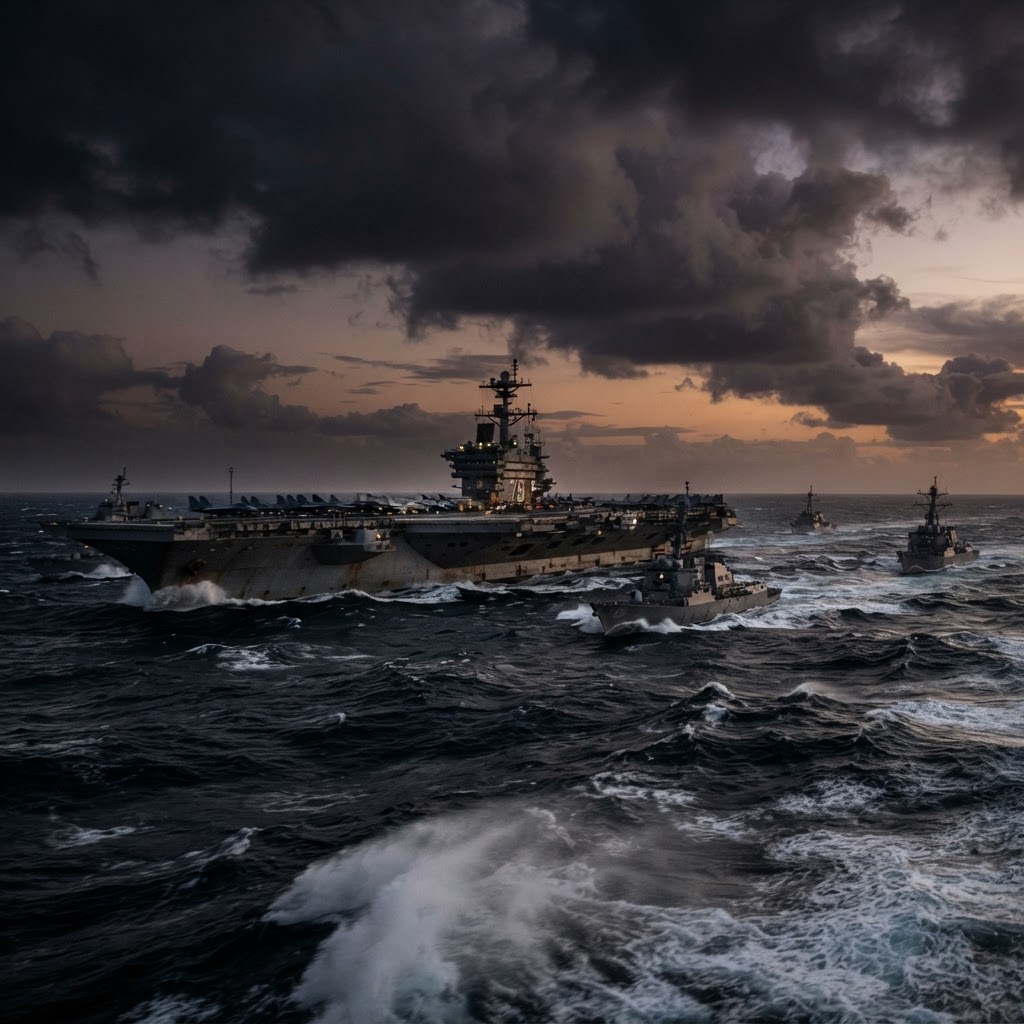
Earlier this week, U.S. Central Command Commander Admiral Brad Cooper traveled to Israel to meet with Israel Defense Forces Chief of Staff Lieutenant General Eyal Zamir. The discussions focused on furthering cooperation and coordinating future plans concerning the ongoing conflict with Iran. Concurrently, the U.S. military has bolstered its presence in the region, deploying three aircraft carriers to the Middle East. The USS Theodore Roosevelt recently joined the USS George H.W. Bush and the USS George Washington in the Arabian Sea.
Direct military engagements have also escalated. On Tuesday, November 17, U.S. aircraft struck an Islamic Revolutionary Guard Corps missile launch site on Iran's Qeshm Island, located in the Strait of Hormuz. A U.S. military official stated the strike was a direct response to Iranian aggression targeting American personnel and assets. This followed an incident where Iranian drones targeted a U.S. early warning radar installation at Isa Air Base in Bahrain. The Bahraini military reported intercepting the aerial attacks before they could reach their targets.
Maritime Crisis in the Strait of Hormuz
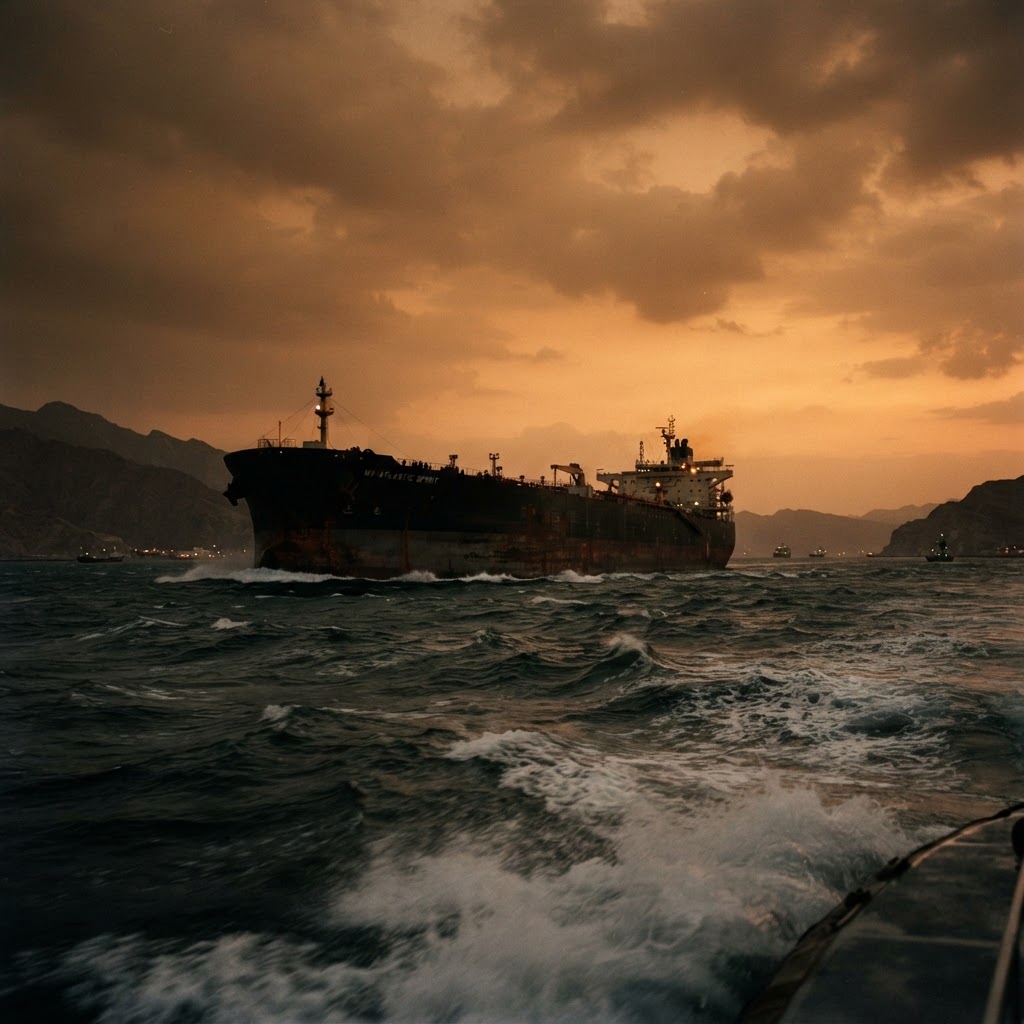
The conflict has severely disrupted commercial shipping in the Strait of Hormuz, a vital artery for global energy supplies. Acting U.S. Navy Secretary Hung Cao revealed during a Senate confirmation hearing that insurance costs for commercial ships crossing the strait have soared to 64 million dollars for a single transit. The economic toll is mounting on both sides, with U.S. defense sources estimating that the American naval blockade of Iranian ports has cost the Iranian regime over 25 billion dollars in lost oil export revenue.
Iran has issued stark warnings to shipping companies, declaring the strait closed to vessels using unauthorized routes. The Islamic Revolutionary Guard Corps Navy cautioned shipowners against using a southern route backed by the United States, threatening that vessels cooperating with U.S. forces would face severe consequences. The Revolutionary Guard claimed that six tankers have caught fire and sunk in the waterway since Sunday, though these claims remain unconfirmed by independent maritime authorities.
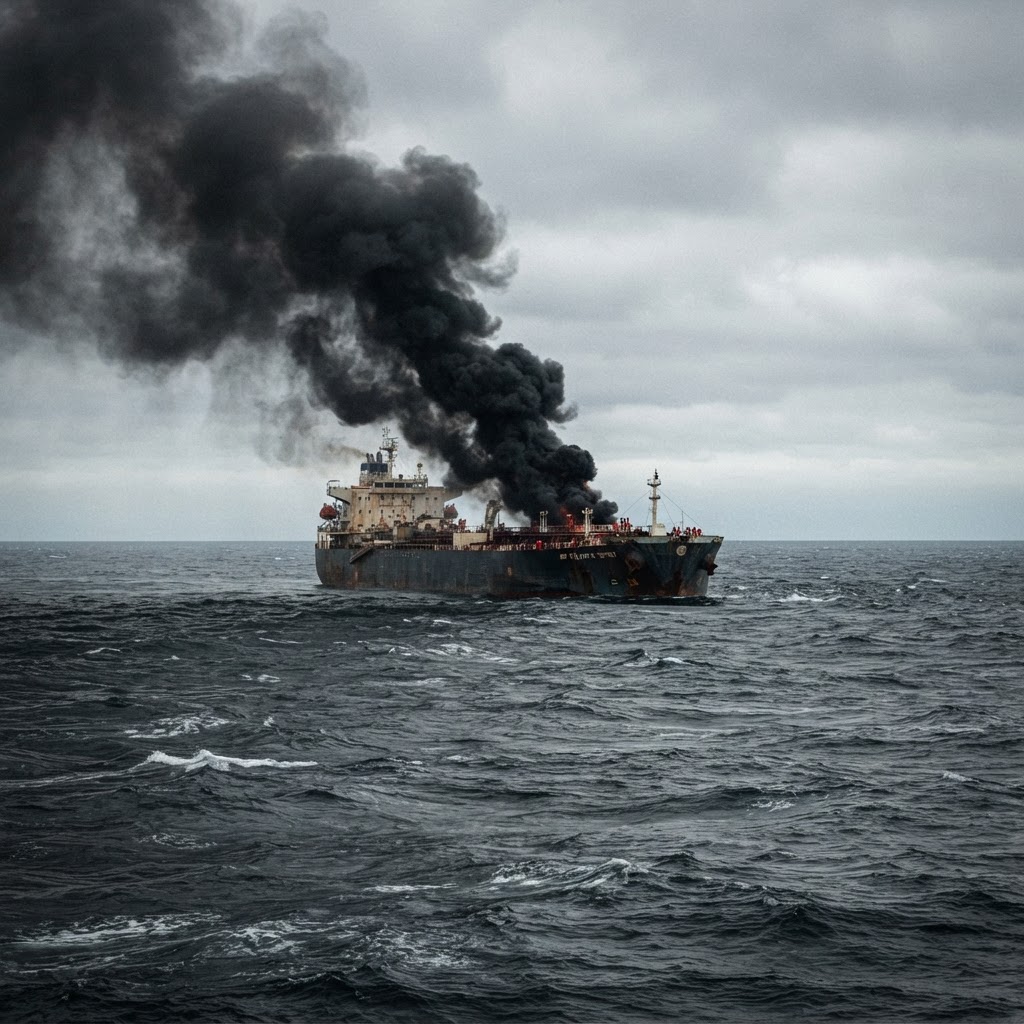
Confirmed incidents, however, paint a dire picture of maritime safety. The Panama flagged liquefied petroleum gas tanker Tara Gas was attacked twice, forcing its crew to abandon ship. Oman's Maritime Security Centre coordinated the evacuation of 24 crew members after a fire broke out aboard the vessel near the coast of Musandam. One Indian seafarer remains missing. In separate incidents, Iranian naval forces reported that multiple oil tankers struck naval mines in the region, leading to fires and immobilization.
Stalled Diplomatic Efforts
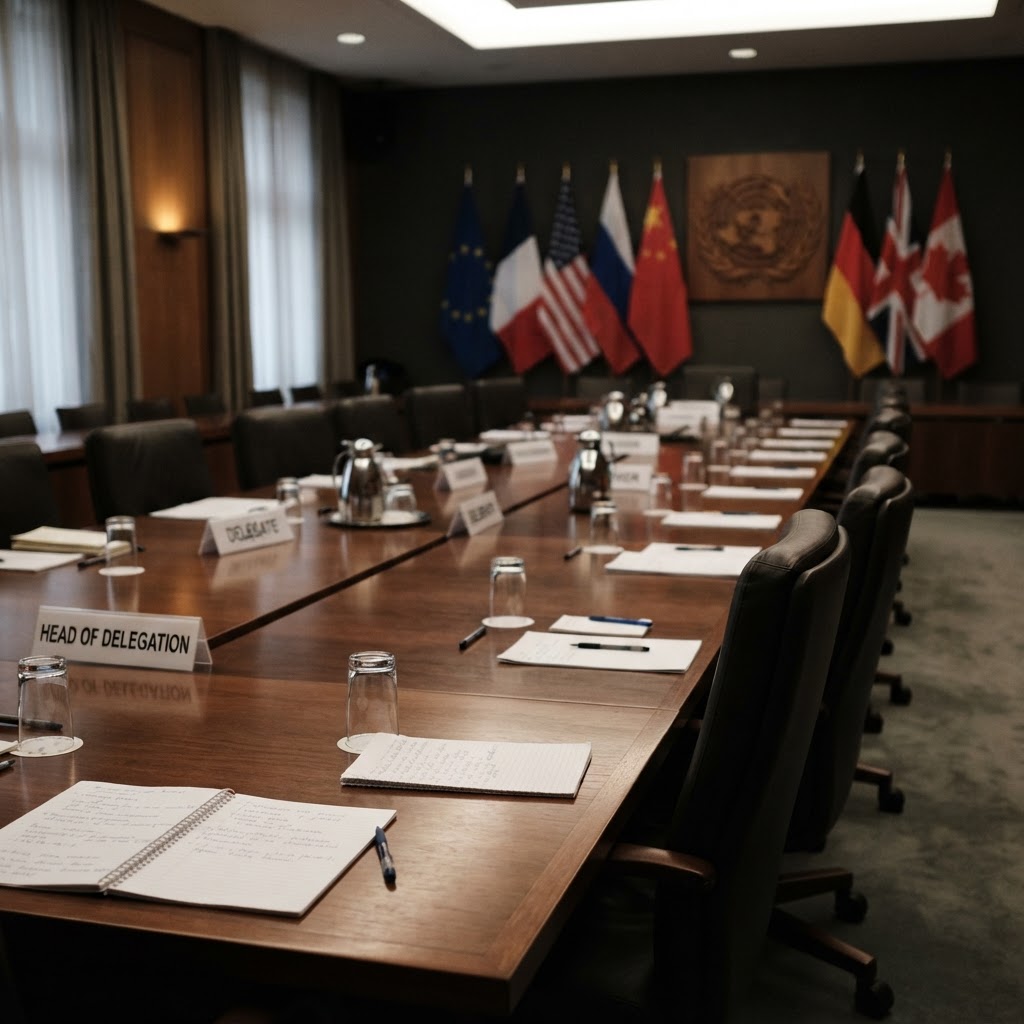
Despite the military escalation, diplomatic efforts are continuing, albeit with significant hurdles. Qatar, acting as a key mediator, warned that the Iranian drone attack on the U.S. base in Bahrain poses an extremely serious threat to the chances of reaching a negotiated settlement. Qatari officials have been meeting with Iranian representatives in Doha to exchange views on current proposals and attempt to bridge the widening gaps between the conflicting parties.
Iranian Foreign Minister Abbas Araghchi held talks in Muscat with Omani Foreign Minister Badr Albusaidi to explore diplomatic options for containing tensions. Addressing a meeting in Islamabad earlier in the week, Araghchi maintained that Iran remains committed to diplomacy but accused the United States of pursuing aggression, targeted assassinations, and an illegal naval blockade.
The prospects for a near term resolution appear bleak as both sides hold firm to their demands. Iranian Deputy Foreign Minister Kazem Gharibabadi announced that Tehran will not allow International Atomic Energy Agency inspectors to access damaged nuclear facilities, including Natanz, Fordow, and Isfahan, until the war ends permanently. Iran's conditions for peace include the termination of the U.S. naval blockade, the release of frozen assets, the removal of oil sanctions, and the withdrawal of U.S. forces from the surrounding areas.
In Washington, officials are projecting confidence in their current strategy of maximum pressure. Secretary of State Marco Rubio recently stated that the economic pain inflicted on the Iranian regime is so severe that further military action might not be necessary. Rubio also addressed rumors of an Iranian plot involving a dirty bomb laced with chemical weapons, telling reporters that he does not believe there is any imminent threat.
As the standoff continues, regional leaders are bracing for a prolonged period of instability, navigating a complex environment characterized by severe economic warfare, maritime hazards, and the constant threat of broader military confrontation.
Sources: The New York Times, Gulf News, JINSA, Daily Sabah, Al Jazeera, The National, The Soufan Center, Arab News

Comments (0)
Be the first to share your thoughts!
Your voice matters. Every comment helps build our community.
Discussion Starters
No comments yet. Be the first to share your thoughts!