

How an Afrobeats superstar turned his social-media platform into a public election-monitoring channel
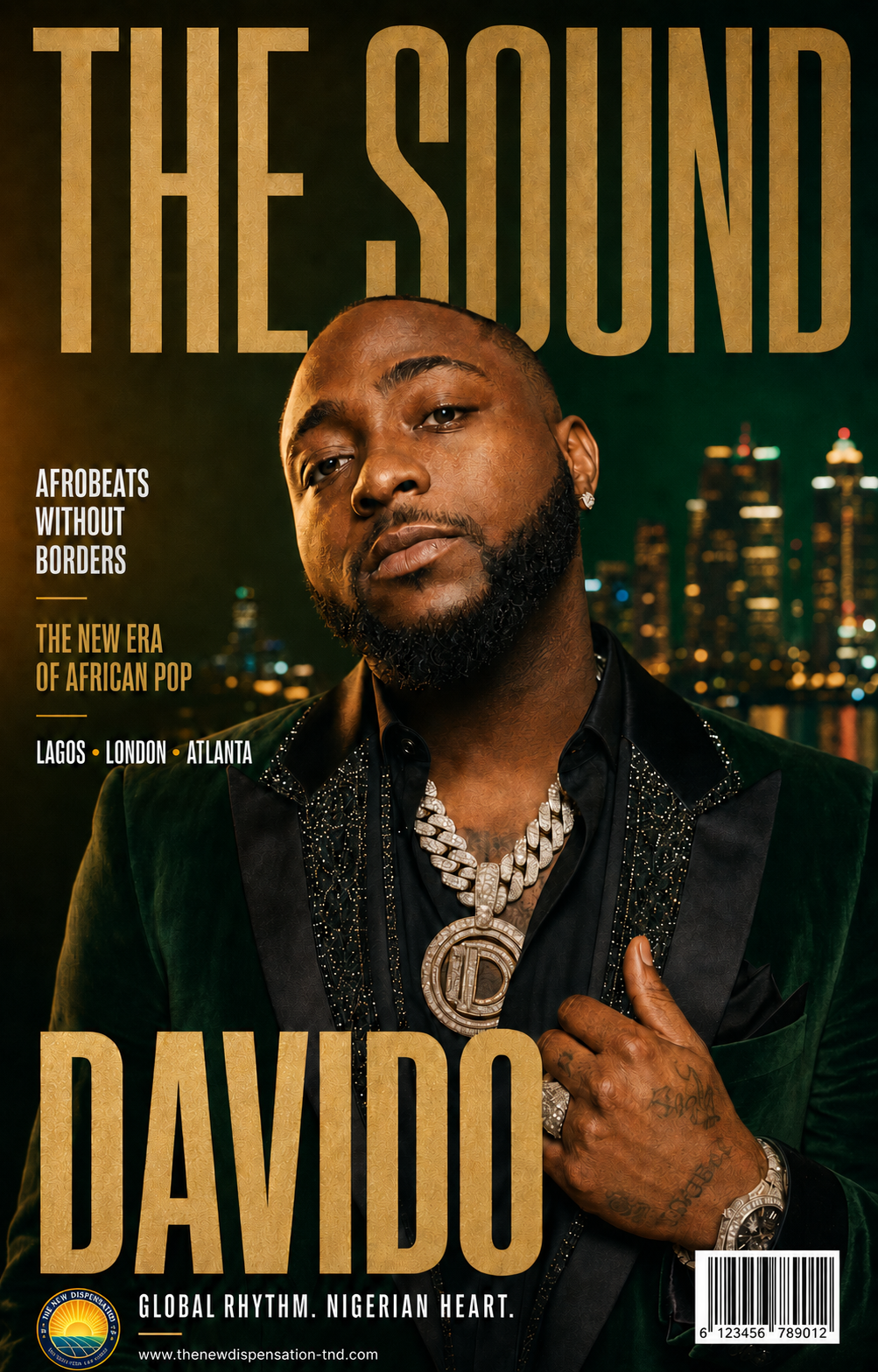
Davido has long been recognized as one of Nigeria’s most successful musical exports. But during the August 15, 2026, Osun State governorship election, the Afrobeats superstar demonstrated a different kind of influence—one extending beyond music, entertainment and popular culture into democratic participation.
Born David Adeleke, the musician openly supported incumbent Governor Ademola Adeleke, his uncle, who sought re-election as the candidate of the Accord Party. Davido was not a neutral observer: he was a member of the party and led a youth-mobilization campaign supporting the governor. Nevertheless, his election-day activities illustrated how a celebrity’s enormous digital audience can help citizens follow results, demand transparency and scrutinize the conduct of electoral institutions.
From celebrity endorsement to political participation
Davido’s involvement began well before election day. He campaigned for Adeleke, encouraged young people to participate and repeatedly called for a peaceful election free from violence and intimidation.
Days before the vote, he appealed to the international community to pay attention to developments in Osun State. He warned of public concerns about possible violence, intimidation and disruption while emphasizing that voters should be allowed to exercise their constitutional rights peacefully. Premium Times reported that the singer had been placed at the head of the campaign’s youth-mobilization effort.
His message was especially significant in a country where elections have historically been accompanied by allegations of vote buying, intimidation, result manipulation and violence. By emphasizing peace, Davido used his influence not merely to promote a candidate but also to remind supporters that an electoral victory should not come at the cost of human life.
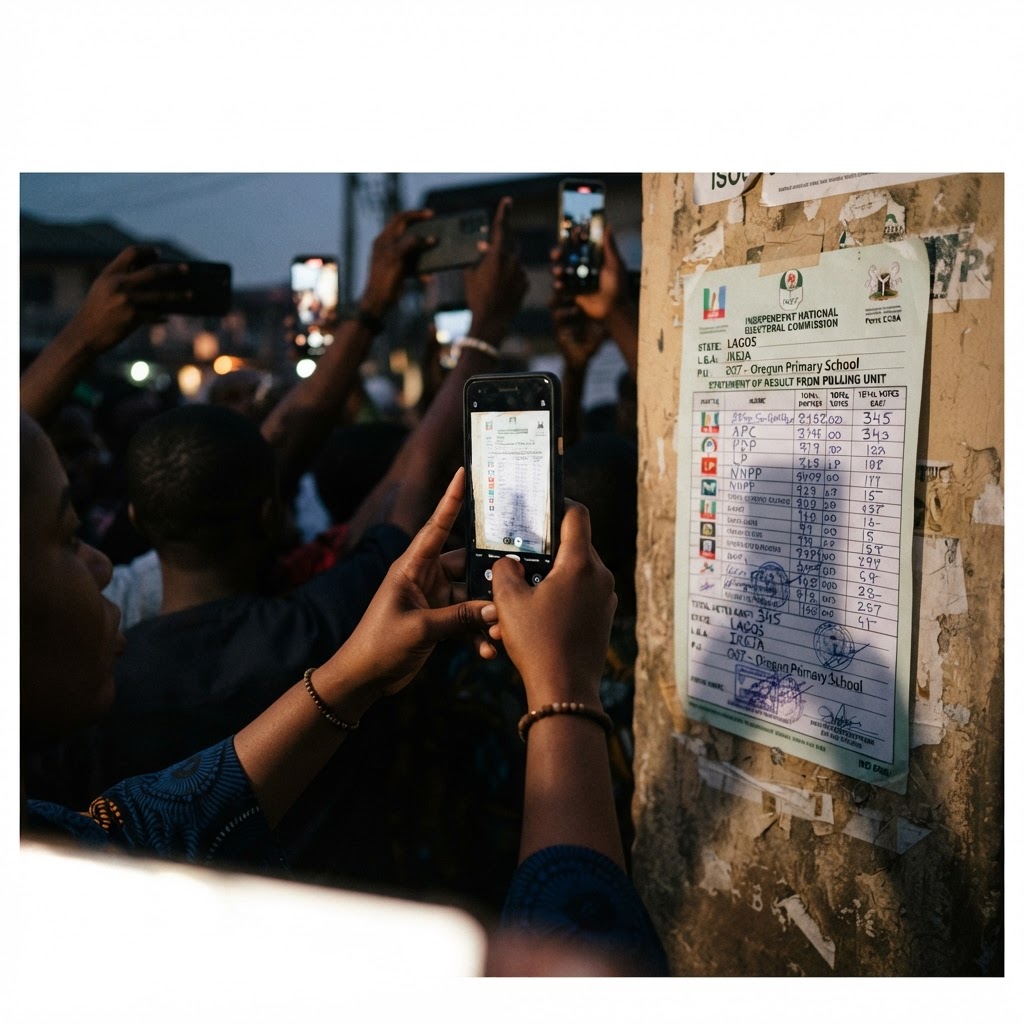
Voters were urged to photograph polling-unit result sheets and verify uploads to INEC’s IReV portal.
An all-night digital monitoring operation
Davido’s most consequential intervention came during voting and the subsequent counting of ballots.
Rather than withdrawing from public view after casting his vote, he remained active online as reports arrived from polling units. He encouraged voters to photograph result sheets, remain at their polling stations until results were uploaded and verify that the figures recorded locally matched those transmitted through the Independent National Electoral Commission’s Result Viewing Portal, known as IReV.
When results had not appeared on the portal by mid-afternoon, Davido publicly questioned the delay and demanded timely updates. He also shared a WhatsApp number through which citizens could submit photographs of polling-unit results. The Punch documented his calls for voters to protect their ballots and confirm the electronic transmission of their polling-unit figures.
The singer continued posting as counting and collation extended into the night. His platform consequently became an informal results hub to which many Nigerians turned for updates.
This did not make Davido an accredited election observer or an independent journalist. He was an interested participant with a close personal and political relationship to one of the candidates. His posts also could not replace INEC’s official collation process. Yet his public documentation provided another layer of visibility around that process, allowing citizens to compare reports from polling units with figures subsequently announced by electoral officials.
Adeleke defeats the ruling party’s candidate
After overnight collation, INEC declared Ademola Adeleke the winner. The Accord candidate received 511,067 votes, defeating Bola Oyebamiji of the All Progressives Congress, who received 444,815. African Democratic Congress candidate Najeem Salaam placed third with 17,180 votes. Adeleke’s margin of victory was 66,252 votes. Premium Times
The IReV portal was an important part of the election’s transparency architecture. It published scanned polling-unit result sheets for public inspection, although uploads were incomplete during parts of the counting period. By the following morning, results from 3,701 of the state’s 3,763 polling units had been submitted, according to TheCable.
President Bola Tinubu later congratulated Adeleke and described the result as reflecting the will of the people. TheCable reported that the president called on political actors to respect the outcome.
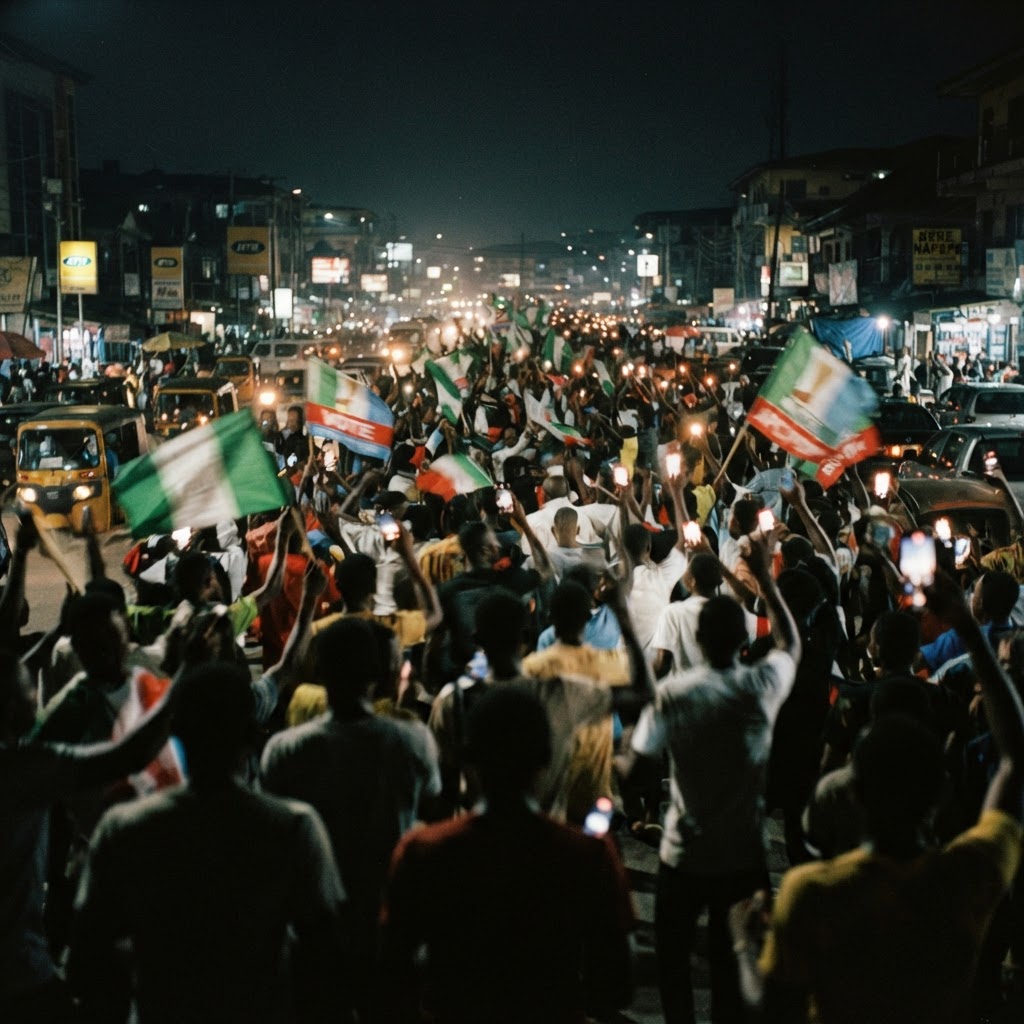
Supporters celebrated overnight as collation concluded and INEC declared the winner.
Did Davido prevent the election from being rigged?
Many of Davido’s supporters believe his visibility made manipulation more difficult. From their perspective, the constant publication of polling-unit information created a digital record that could have exposed significant discrepancies during collation.
That interpretation is understandable, but it should not be presented as a proven fact. No publicly established evidence demonstrates that the APC had a confirmed plan to rig the election or that Davido personally prevented such a plan. The result was produced through the combined actions of voters, election officials, security agencies, political-party agents, journalists, civil-society observers and digital platforms—not through the work of one celebrity alone.
Davido’s genuine contribution was more precise: he increased public attention, encouraged voters to document results and made transparency a dominant part of the election-day conversation. The possibility of thousands or millions of people watching in real time can place pressure on institutions and political actors to follow established procedures.
A model with promise—and limitations
Davido may have helped popularize a new model of celebrity political participation in Nigeria. Under this model, prominent figures do more than endorse candidates. They use their platforms to educate voters, gather reports from polling units, question delays and keep public attention focused on the counting process.
This approach could prove valuable in future elections, particularly if it is combined with trained observers, reliable verification systems and responsible journalism. Public figures can direct attention toward irregularities that might otherwise go unnoticed. They can also encourage younger Nigerians—many of whom distrust conventional political institutions—to become involved in protecting the electoral process.
There are dangers, however. Unverified figures posted by celebrities can spread rapidly and potentially create confusion or unrest. A partisan monitoring operation may selectively amplify information favorable to one candidate. For that reason, future efforts should include clear verification standards, transparent sources and corrections when inaccurate information is published.
Could Davido influence Nigeria’s next presidential election?
The Osun experience has already encouraged speculation that Davido could become a major political force ahead of Nigeria’s next presidential election. With tens of millions of followers and considerable appeal among younger voters, he could unquestionably bring attention and enthusiasm to a national campaign.
But celebrity reach is not the same as political control. Unseating an incumbent national government requires a credible candidate, a nationwide organization, effective polling-unit representation, legal preparedness, cross-regional support and voters willing to turn online enthusiasm into ballots.
Davido could serve as a powerful conduit for youth mobilization and electoral vigilance if he supports an opposition candidate against President Tinubu and the APC. Yet his greatest contribution may not be deciding which party wins. It may be helping establish the expectation that every polling-unit result should be documented, transmitted, verified and made available for public examination.
A microphone turned toward democracy
Davido’s role in the Osun election represents a meaningful evolution in Nigerian celebrity activism. He used his fame not only to campaign for a family member but also to encourage peaceful participation and sustained scrutiny of the results.
It would be an exaggeration to credit him alone with preventing electoral manipulation. It would be equally mistaken to dismiss his intervention as ordinary celebrity commentary. By remaining publicly engaged throughout the vote-counting process, Davido demonstrated that digital influence can function as a form of civic pressure.
The lasting question is whether that energy can be transformed into a credible, nonviolent and evidence-based movement for electoral accountability. If it can, Davido may have helped start something larger than a single campaign in Osun: a culture in which citizens use technology, documentation and collective vigilance to insist that every vote counts.



Comments (0)
Be the first to share your thoughts!
Your voice matters. Every comment helps build our community.
Discussion Starters
No comments yet. Be the first to share your thoughts!