




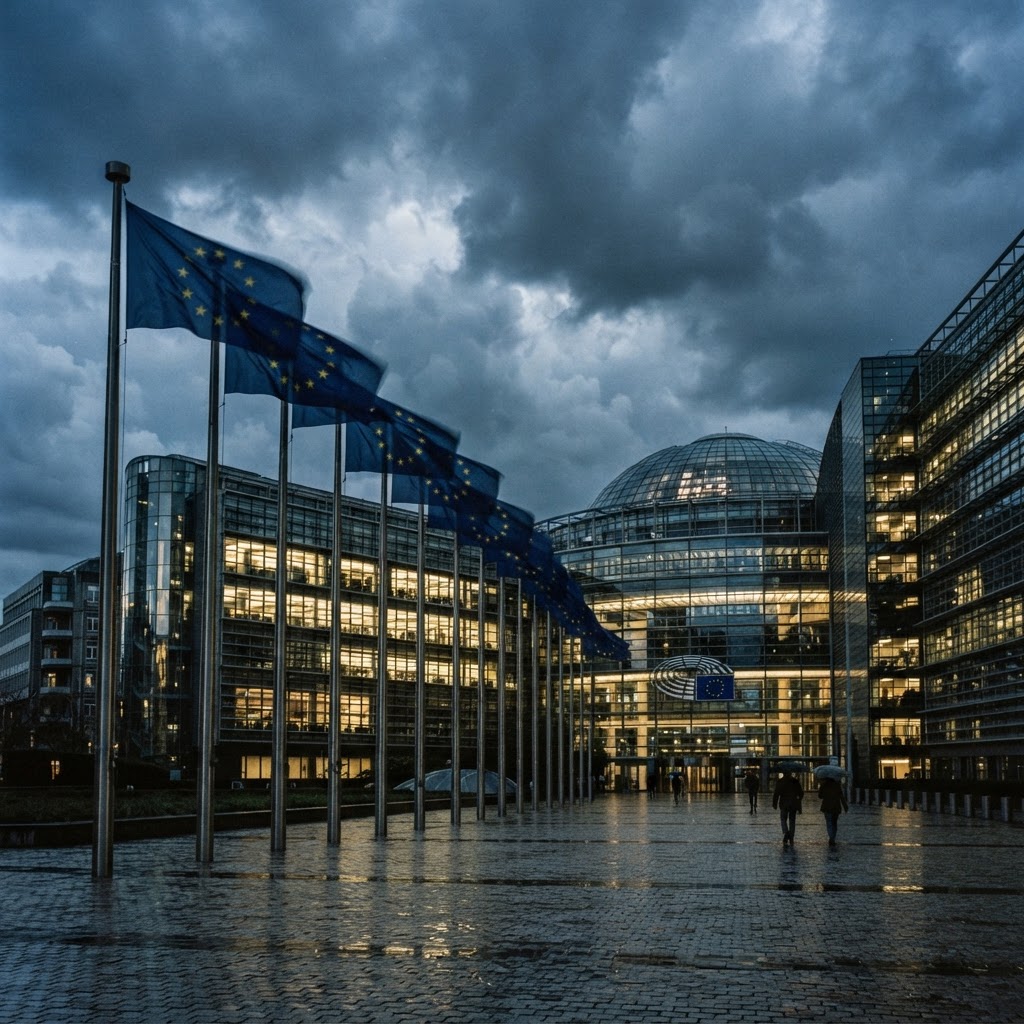
KYIV / BRUSSELS / BERLIN — Europe ended Thursday facing two wars at once. On its eastern edge, Russia carried out one of its deadliest attacks on Ukrainian civilians this year. To the south, the US-Israeli war on Iran entered its eighth month with no ceasefire in sight, and Moscow moved to present itself as a peacemaker. In between, a reported US-Russia conversation about reviving the Nord Stream gas pipelines raised fresh doubts in European capitals.
Ukraine: Glide Bomb Hits Buses in Kramatorsk
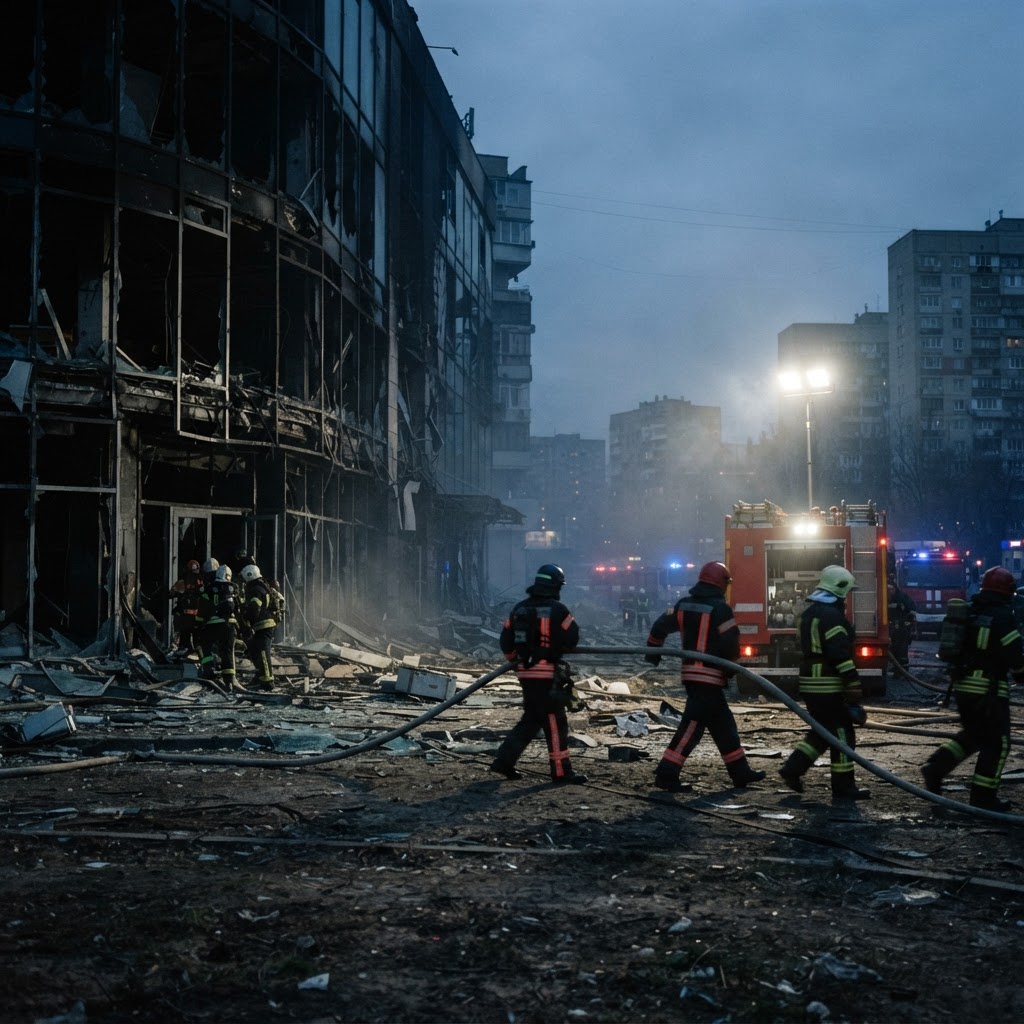
A Russian glide bomb struck two passenger buses in the eastern Ukrainian town of Kramatorsk on Thursday morning, killing at least 30 people and wounding 18, regional authorities said. The town lies about 20 kilometres from the front line.
"The Russians are deliberately targeting civilians," Donetsk regional head Vadym Filashkin wrote on Telegram. "For them, a bus full of passengers is an attractive target precisely because a single strike can kill the maximum number of people." He suspended all public transport in Kramatorsk and neighbouring Sloviansk.
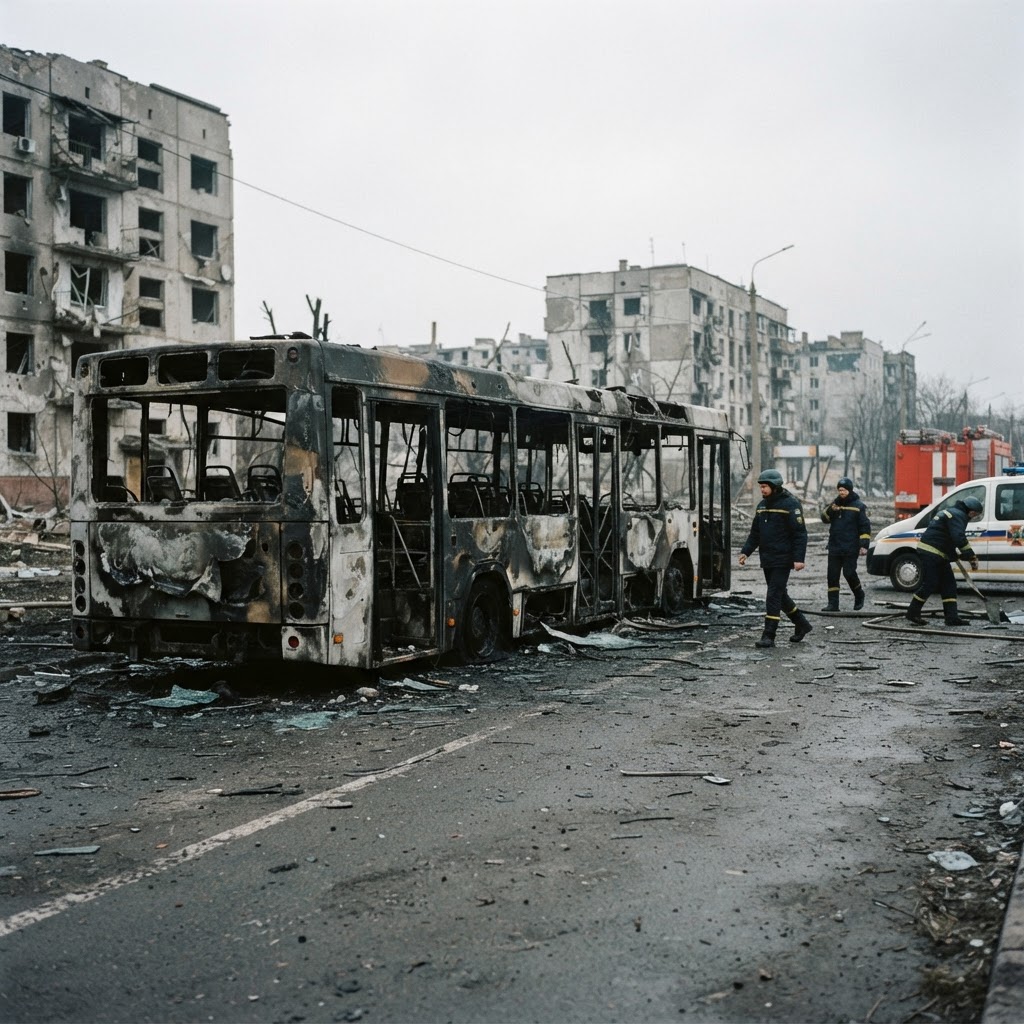
Illustration: Russia has expanded its strikes on buses, trains, fuel stations and ports across Ukraine.
Analysts describe this as a deliberate change in strategy. "They used to focus on depriving Ukraine of power... now their task is also to immobilise the infrastructure, create a transportation collapse," said Volodymyr Fesenko of the Kyiv-based Penta think tank. Ukraine's state railway says at least 521 locomotives have been hit since 2022, three-fifths of them this year. According to the United Nations, 15,280 civilians were killed or injured in the first eight months of 2026, 55 percent more than in the same period of 2025.
A newer generation of jet-powered Russian drones, flown by human operators over mesh networks, can now reach almost anywhere in the country, including western regions once considered safe. Ukraine has struck back too, launching a major drone attack on the Moscow region earlier this week, and on Sunday Kyiv said a Russian drone sank a ship in Romanian waters. That incident has brought the war's spillover into NATO territory to the centre of European debate.
Iran: Putin Pledges to "Do Everything" to End the War
Russian President Vladimir Putin met Iranian President Masoud Pezeshkian in Turkmenistan ahead of a Commonwealth of Independent States summit. Russian agencies reported that Putin said Moscow would "do everything we can to help you resolve this situation." A day earlier he had offered to mediate.
The meeting highlighted how closely the two wars are now linked. Ukraine and Western governments accuse Iran of supplying Russia with Shahed drones and short-range missiles. Russia, in turn, has been accused of giving Iran data for its attacks on US targets in the Middle East.
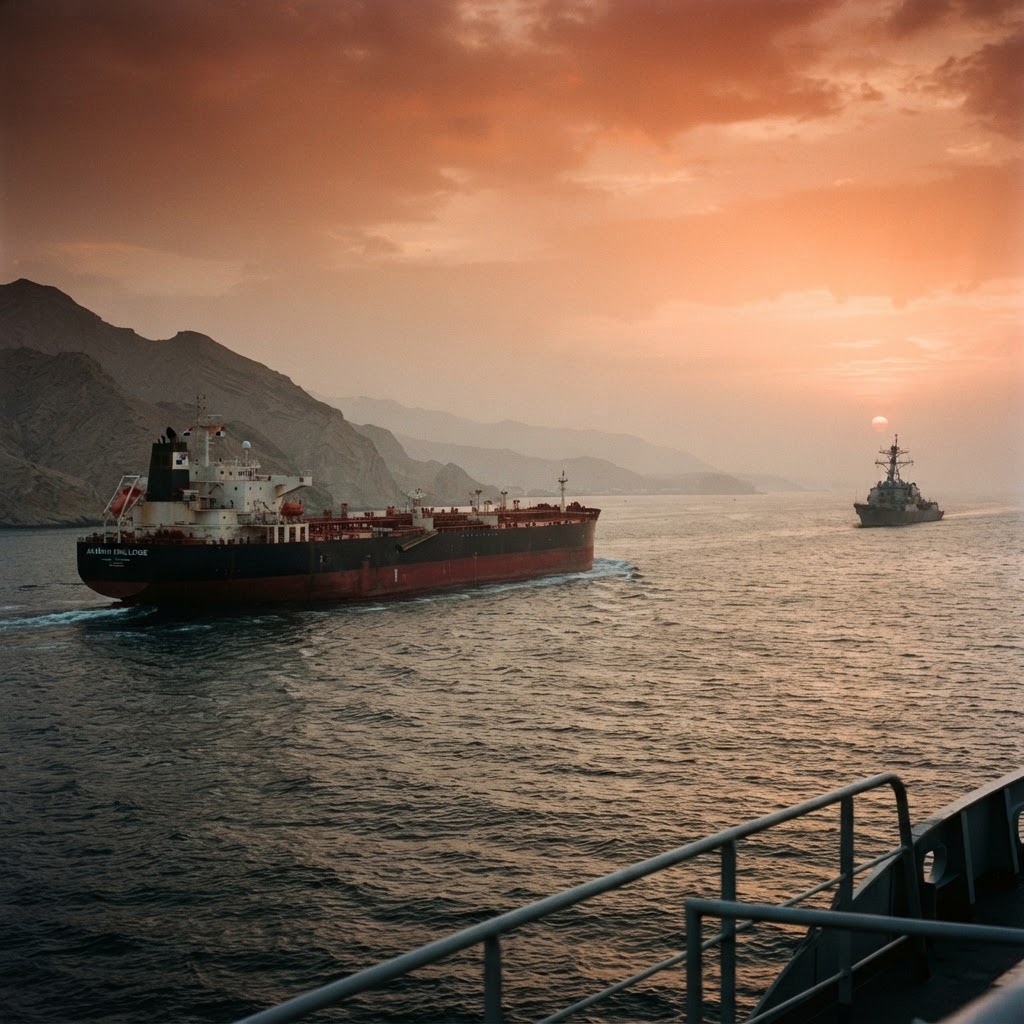
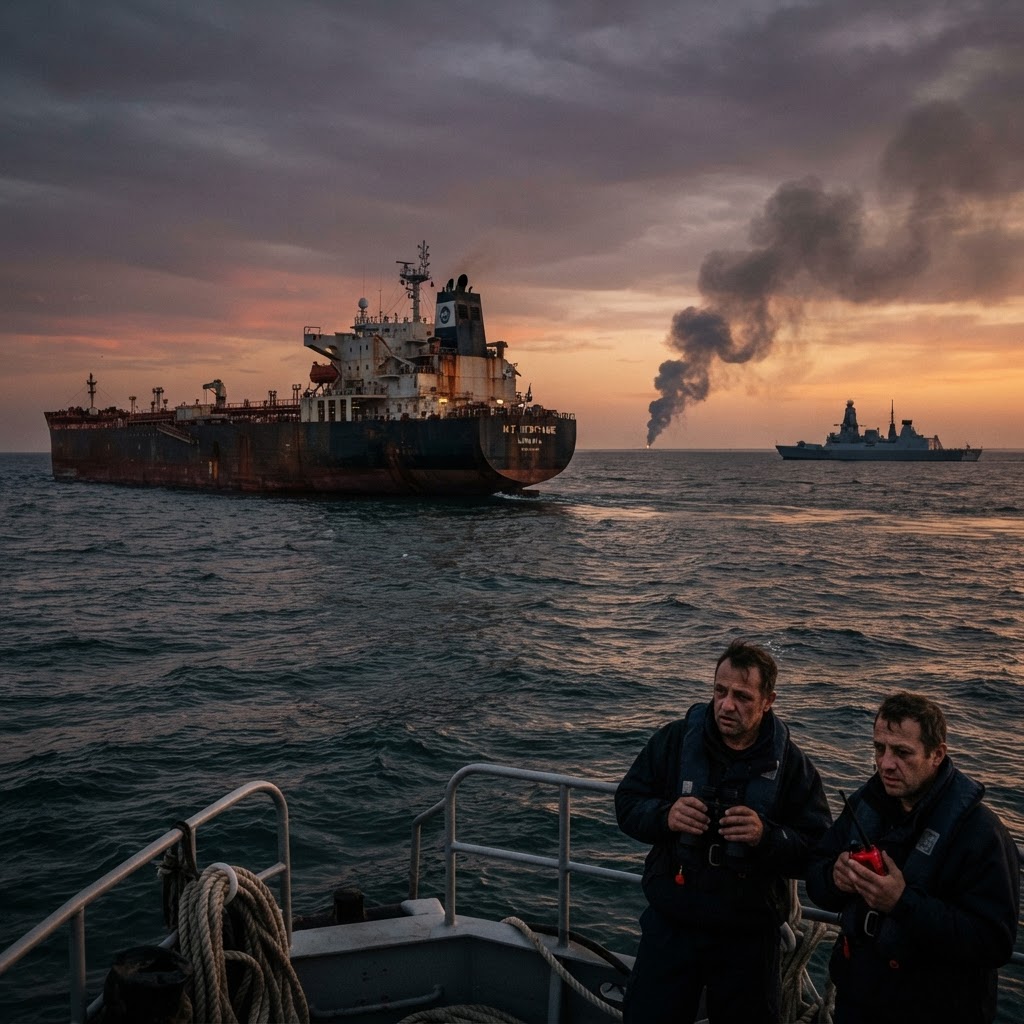
Illustration: Ship attacks in the Strait of Hormuz continue to push up energy costs for Europe.
In Washington, President Donald Trump said the US would not attack Iran before the November 3 midterm elections, describing talks with Tehran as "productive". The cost of the war keeps climbing. A Congressional Budget Office report this week said at least 81 US aircraft, including 12 F-15E jets, an F-35A and 45 MQ-9 Reaper drones, have been lost or damaged in Operation Epic Fury, worth between $1.9 billion and $3.3 billion. The CBO puts the war's total cost at about $38 billion as of August 1.
The war has reached Europe as well. Rumours of a drone threat against RAF Fairford, a British base hosting US assets, led about a dozen US aircraft to leave on Sunday.
Energy: Nord Stream Talks Alarm Germany
Reuters reported that US Special Envoy Jared Kushner and Kremlin adviser Kirill Dmitriev have discussed bringing a US investor into the Nord Stream pipelines, which were sabotaged in 2022. A White House official said there had been "no Nord Stream discussions recently" and that any deal must benefit US taxpayers.
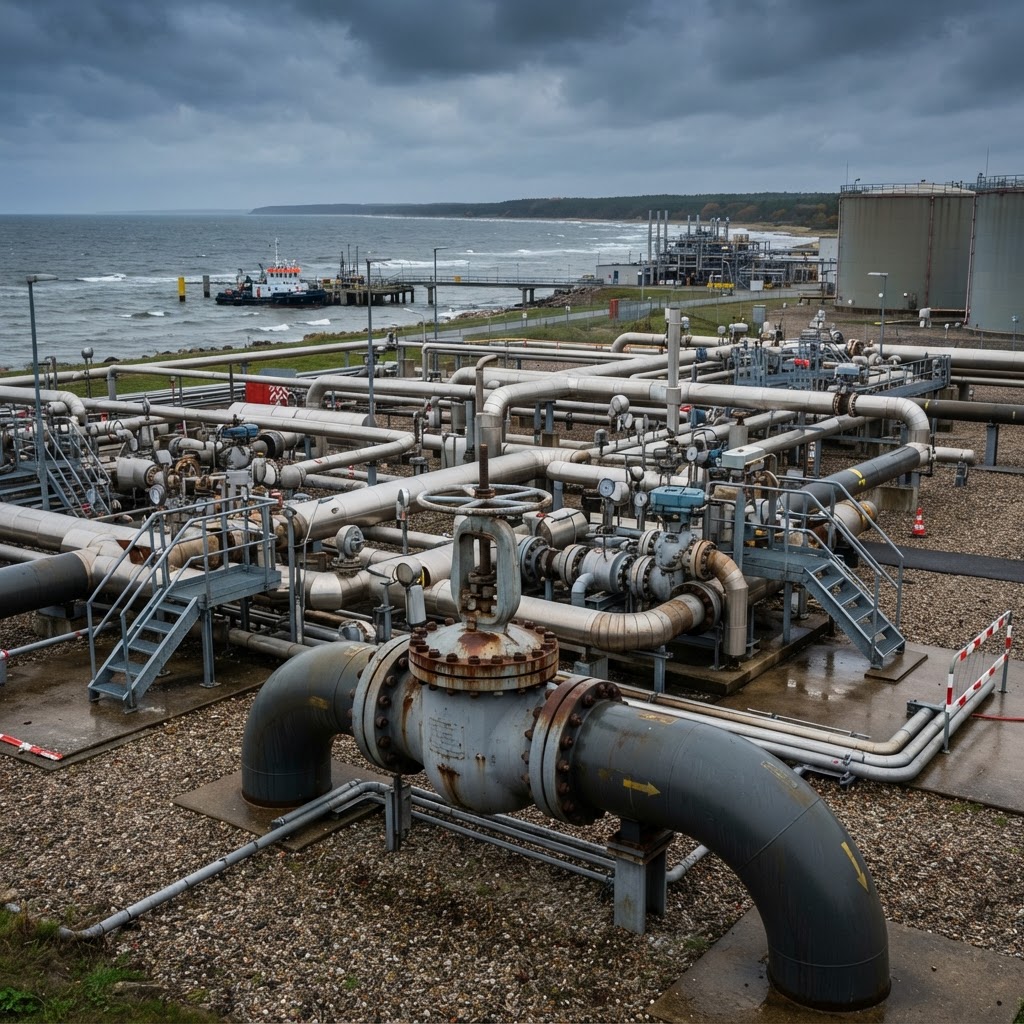
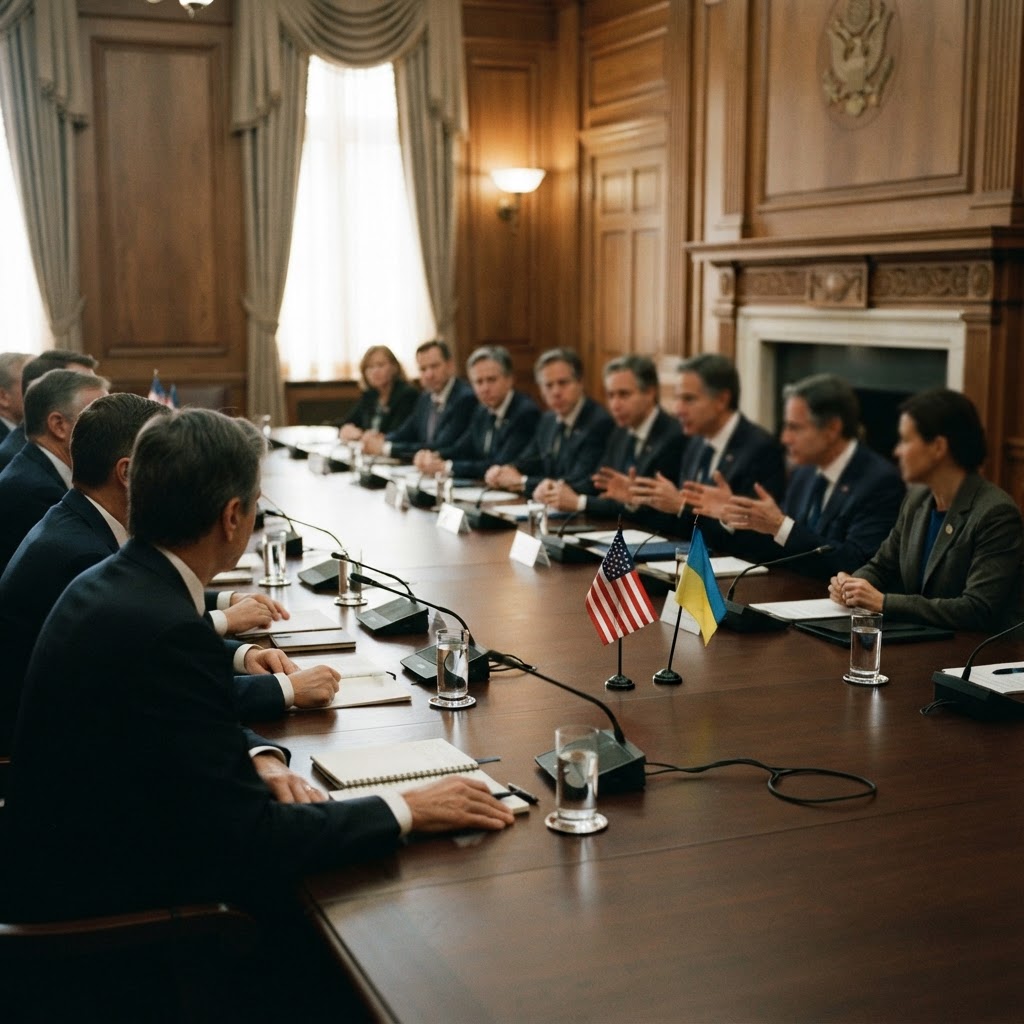
Illustration: Nord Stream remains sanctioned by both the US and the EU.
Berlin pushed back firmly. Germany's economy ministry said the pipelines are sanctioned, that Germany has found alternatives, and that a restart "was not desired". German lawmaker Michael Kellner warned of "a dirty deal that will cost Europe dearly". Poland and the Baltic states remain strongly opposed. The far-right AfD, however, supports restarting Russian gas imports.
Brussels: More Sanctions and an Opening for Kyiv
The European Union this week added 1,646 targets to its Russia sanctions lists, and the UK and Germany launched a joint pact against hybrid threats. Hungary eased its block on Ukraine's EU accession track, although Budapest still says further progress depends on Kyiv adopting a minority-rights law.
What to Watch
- Whether Moscow's offer to mediate on Iran changes anything before the US midterms on November 3.
- Kyiv's response to the transport campaign as winter approaches.
- How Berlin and Brussels handle any US move to ease sanctions on Nord Stream or Lukoil.
- Further spillover incidents in the Black Sea and on NATO territory.
Sources: Al Jazeera, AFP, Reuters, EPA, Congressional Budget Office and regional Ukrainian authorities.

Comments (0)
Be the first to share your thoughts!
Your voice matters. Every comment helps build our community.
Discussion Starters
No comments yet. Be the first to share your thoughts!