




Brooklyn Park’s police chief denies providing vehicles to Liberia as conflicting statements, unanswered financial questions and allegations surrounding major cocaine seizures intensify public distrust.
By TND International Affairs Desk
The New Dispensation
MONROVIA, Liberia — What increasingly appears to be a web of contradictions is spreading across Liberia’s public sphere as questions grow over police vehicles reportedly acquired in Minnesota by Liberia’s Police Inspector General, Gregory O. W. Coleman.
Coleman stands at the center of the controversy as Liberians demand to know who sold the vehicles, how much they cost, who financed them and whether the transaction followed Liberia’s public-procurement laws.
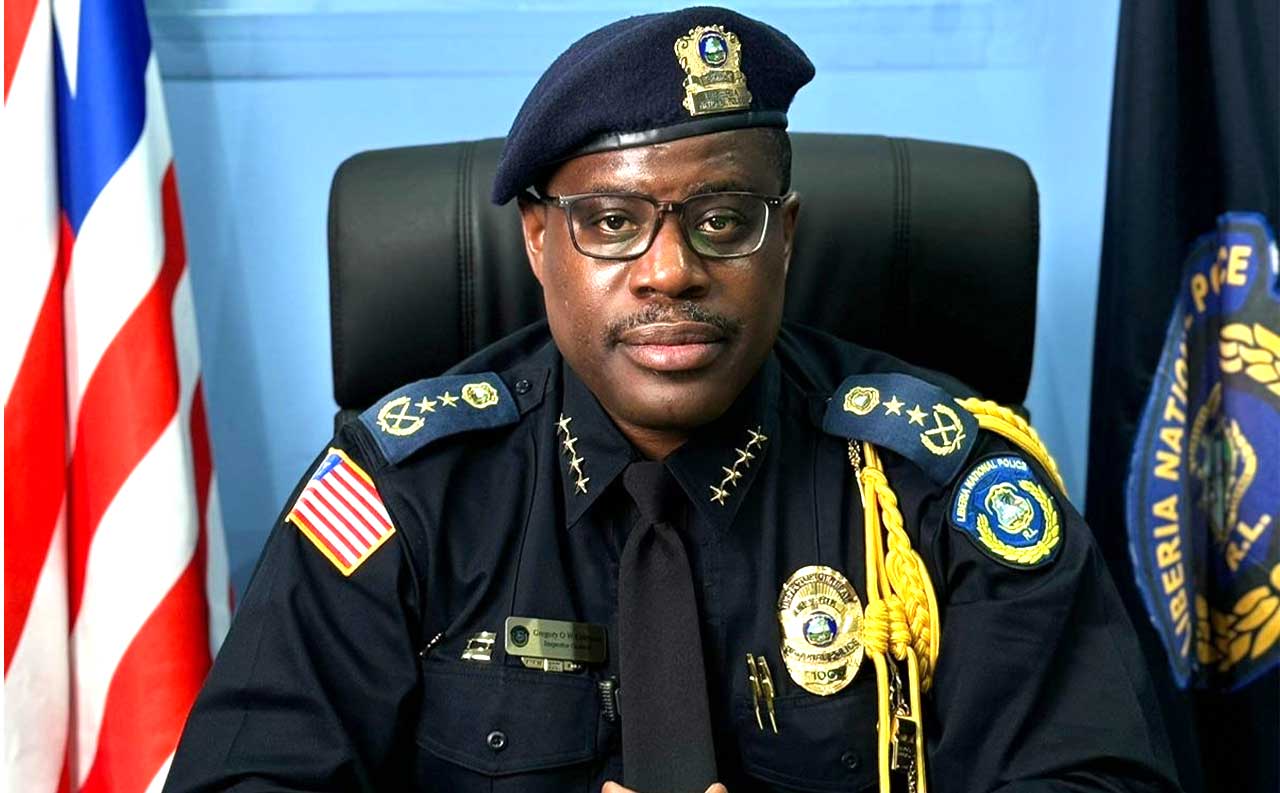
Liberia Police Inspector General Gregory O. W. Coleman
The Liberian public was initially given the impression that the vehicles had been purchased from, donated by or otherwise obtained through the Brooklyn Park Police Department in Minnesota. That understanding is now being challenged by Brooklyn Park Police Chief Mark Bruley, who reportedly stated that his department never donated, sold or sent police vehicles to Liberia and did not discuss such a transaction with Coleman. Focus on Liberia

Brooklyn Park Police Chief Mark Bruley
Bruley’s denial has created a fundamental credibility problem. If Brooklyn Park did not provide the vehicles, why was its name associated with the transaction, and where did the vehicles actually come from?
Conflicting Accounts From Minnesota
Wynfred Russell, a Liberian-American political figure and former Brooklyn Park City Council member, appeared in a video showcasing the police vehicles in Minnesota. His involvement strengthened the public impression that the transaction was connected to the police department serving his community.

Wynfred Russell, Liberian-American politician and former Brooklyn Park City Council member. His public-service background is documented in his official biography.
As scrutiny increased, Russell reportedly disputed claims that Coleman or the Liberia National Police received the vehicles directly from Brooklyn Park Police. His explanation suggested that relationships with American law-enforcement agencies may assist in locating equipment without necessarily making those departments the sellers or donors.
That clarification has not resolved the central issue. If Brooklyn Park merely assisted with introductions or information, the public still needs to know the identity of the actual seller, dealer, auction company or intermediary.
Former Liberian talk-show host Henry P. Costa subsequently entered the controversy in defense of Coleman. Costa has maintained that he possesses evidence connecting the vehicles to the Brooklyn Park Police Department.
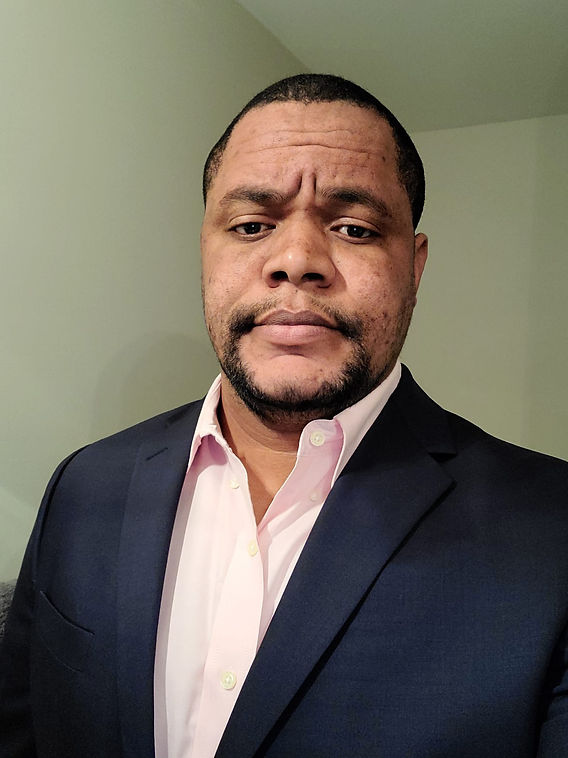
Henry P. Costa, Liberian political commentator
Costa’s position appears to conflict with Bruley’s reported denial. Both accounts cannot be accepted without supporting documentation.
If the vehicles were once owned by Brooklyn Park but later sold through an auction or third-party dealer, ownership records should establish that history. If they were never owned by the department, the public should be told why Brooklyn Park’s name became attached to the transaction.
Where Did the Money Come From?
The dispute became more serious when critics alleged that money connected to drug traffickers may have been used to purchase the vehicles. That accusation has not been proven in court, and no publicly authenticated financial record has established that drug money financed the purchase.
Nevertheless, critics say money for the vehicles was not clearly identified in Liberia’s national budget. They are demanding that Coleman disclose the purchase price, source of funding and procurement authority.
An expenditure that cannot immediately be located in the national budget does not automatically prove criminal financing. It does, however, create a legitimate demand for transparency—especially when the assets were presented as vehicles for a national law-enforcement institution.
If the purchase was lawful, producing the records should settle the matter. Continued silence will only allow suspicion to expand.
Cocaine Seizures Place Police Under Scrutiny
The vehicle controversy is unfolding against the backdrop of two enormous cocaine seizures that have shaken Liberia.
Authorities intercepted approximately 237.6 kilograms of cocaine valued at more than US$19 million at Roberts International Airport. Weeks later, police recovered approximately 3,971 kilograms of cocaine in Duazon, with an estimated value of US$317 million. Coleman said the second shipment was believed to have been destined for Europe. Reuters
Authorities later destroyed approximately 4.2 metric tons of cocaine from the seizures. Senior police officers were implicated, including officials accused of helping escort narcotics after their arrival in Liberia. The chief of the highway patrol and head of the major-crimes unit were charged, while a deputy police commander at the country’s principal airport became a suspect. Associated Press
The alleged use of official police resources to escort narcotics has intensified demands for an investigation into the chain of command.
Who authorized the movement? Which vehicles were used? Who knew what the cargo contained? Were officers acting independently, or were they following instructions from higher authorities?
Those questions cannot be answered through press conferences and political assurances alone. They require vehicle logs, telephone records, written instructions, surveillance material and sworn testimony.
The US$10,000 Bribery Allegation
Another controversy emerged after a senior police officer was accused of receiving US$10,000 in connection with suspects detained during the cocaine investigation.
A further accusation alleged that the officer retained US$2,000 and passed US$8,000 to Coleman. The allegation against Coleman remains disputed and has not been established by a court.
Coleman is entitled to the presumption of innocence. However, because the accusation directly involves the head of the institution responsible for investigating the trafficking network, an internal police review may not be enough to restore public confidence.
An independent investigation would protect the public interest while also giving Coleman a credible opportunity to clear his name.
Allegations Reach the First Family
The controversy has also reached the family of President Joseph Boakai.
A video circulated online showing individuals claiming to represent a Colombian drug organization. The speakers accused the President’s son of involvement in a drug arrangement, demanded the return of approximately US$2 million and issued threats against him.
The authenticity of the recording, the identities of its speakers and the truthfulness of their accusations have not been independently established. The President’s son has denied involvement.
The video cannot be treated as proof of criminal conduct. However, because it contains direct allegations and threats connected to a major transnational drug controversy, its origin and claims should be independently investigated.
If the recording is fraudulent, the investigation should demonstrate that. If credible evidence supports any part of it, the law must proceed regardless of the political status of anyone named.
President Boakai Retains Confidence in Coleman
Despite calls for Coleman to resign, be dismissed or temporarily step aside, President Boakai has reaffirmed confidence in the police director and his leadership of Liberia’s fight against illegal drugs.
Coleman has also suggested that senior officials may be connected to the country’s drug problem.
If the police director possesses credible evidence implicating senior government officials, the public deserves to know whether those individuals are being investigated. The government cannot promise that there will be no political protection while allegations involving powerful figures remain publicly unresolved.
Jewel Howard-Taylor’s Detention Raises Questions
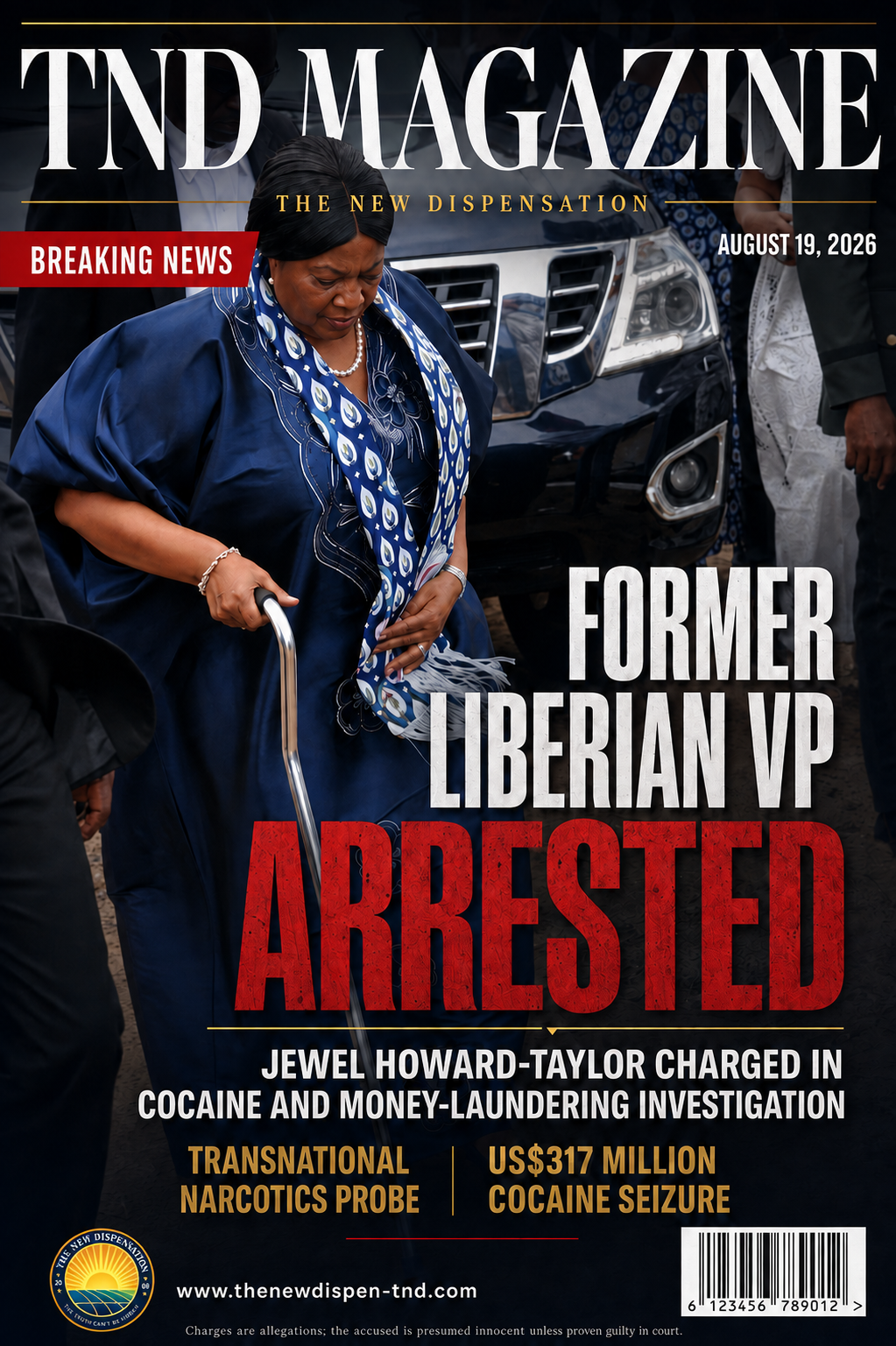
While allegations involving current officials continue to circulate, former Vice President Jewel Howard-Taylor has been arrested and charged with drug trafficking, money laundering, criminal conspiracy and other offenses connected to an alleged transnational narcotics network.
The government says its case is supported by evidence connecting Howard-Taylor to individuals accused of participating in the network. She denies criminal involvement and maintains that a meeting she attended in Dubai was an investment discussion held while she served as vice president.
Howard-Taylor remains presumed innocent unless the government proves its charges in court. Her lawyers have characterized the prosecution as politically motivated, while the government insists that the case is evidence-based. Reuters reported that she was charged alongside three foreign nationals accused in absentia.
Her detention has intensified public accusations of selective justice. Critics question why she is being held while people named in allegations relating to the more recent cocaine seizures appear not to have faced comparable treatment.
The issue is not whether a former vice president should be immune from prosecution. No public official should be above the law. The issue is whether the same evidentiary and legal standards are being applied to everyone.
Release the Vehicle Records
The police-vehicle controversy can be resolved through documents rather than political arguments.
The Liberia National Police should release:
- The vehicle-identification numbers and ownership histories.
- The identity of the seller, donor, auction company or intermediary.
- Purchase agreements and invoices.
- Payment and banking records.
- Shipping and customs-clearance documents.
- The legal source and authorization of the funds.
- Communications involving Brooklyn Park officials or other American agencies.
Russell and Costa should also release any evidence supporting their respective accounts. Bruley’s reported denial should be examined alongside the ownership and transaction records.
Liberia Needs Truth, Not Political Protection
This controversy is no longer merely about several police vehicles. It concerns whether Liberians can trust the institutions responsible for protecting the country and enforcing its laws.
Coleman is entitled to the presumption of innocence. The President’s son deserves that same protection. Howard-Taylor is equally entitled to it.
The law must not establish one standard for current government officials and another for former leaders or political opponents.
Liberia can escape this expanding web of contradictions only through complete financial disclosure, independent investigation and equal justice. The evidence must be followed wherever it leads—even if it reaches the highest levels of government or law enforcement.
In the absence of transparency, unanswered questions become suspicion. When official explanations conflict, suspicion becomes distrust. When distrust surrounds the institution responsible for enforcing the law, the credibility of the entire government is placed at risk.
Editor’s note: Criminal accusations described in this article remain allegations unless supported by admissible evidence and proven before a court of competent jurisdiction.

Comments (0)
Be the first to share your thoughts!
Your voice matters. Every comment helps build our community.
Discussion Starters
No comments yet. Be the first to share your thoughts!