




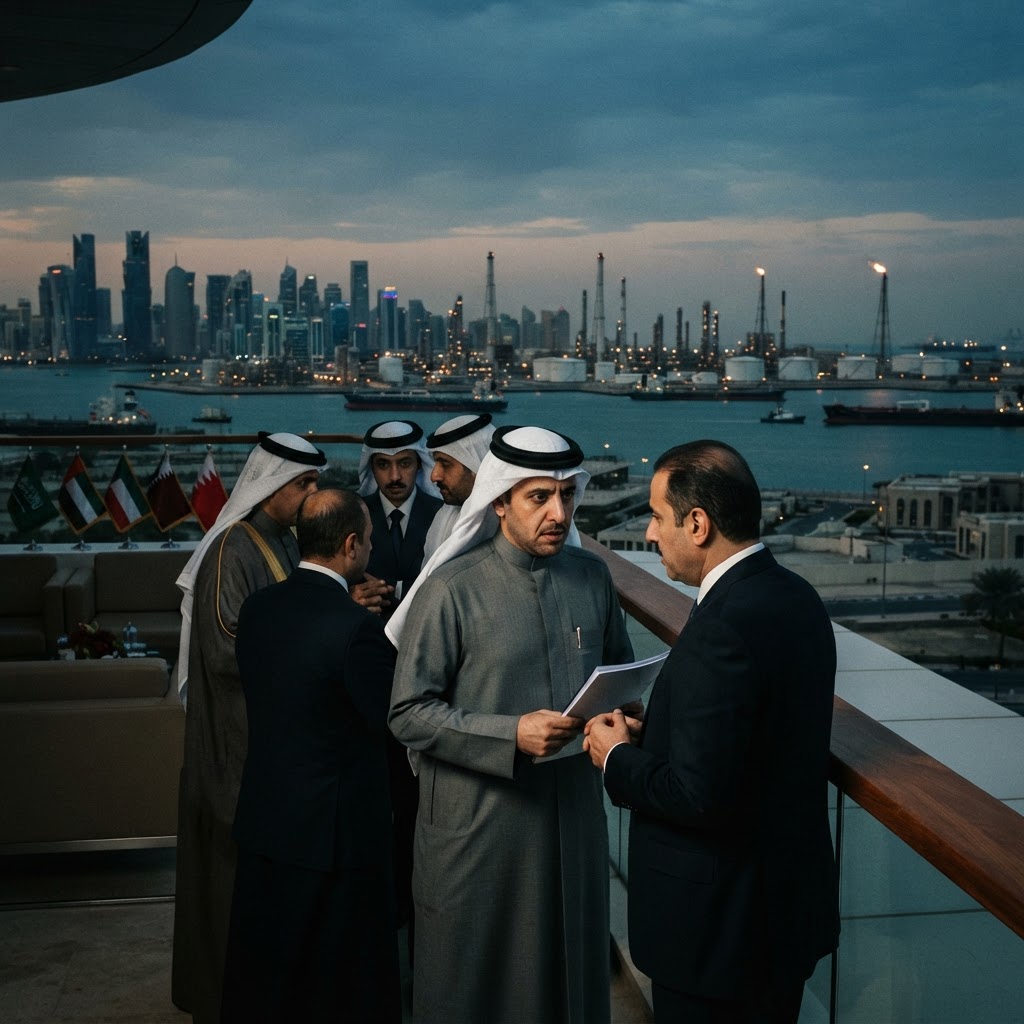
A war no one in the region can ignore
The Iran war is no longer a crisis confined to Tehran and its direct adversaries. It has become a regional shock that Arab nations across the Middle East and Gulf must now manage in real time. Even countries that sought to avoid escalation are being pulled into its consequences through energy insecurity, shipping risks, diplomatic strain and rising public anxiety about what comes next.
For many Arab governments, the central problem is not only the immediate danger of military escalation. It is the broader fear that a prolonged war with Iran could destabilize the entire regional order, disrupt investment plans, harden rivalries and force painful strategic choices on countries that would rather preserve balance than choose sides openly.
The Gulf has the most to lose from prolonged instability
Gulf nations have spent years trying to present themselves as islands of stability in a turbulent region. Saudi Arabia, the United Arab Emirates, Qatar, Kuwait, Bahrain and Oman have invested heavily in finance, logistics, tourism, technology and infrastructure to reduce overdependence on oil alone. A wider war with Iran threatens that model because it raises the risk to shipping lanes, energy facilities, investor confidence and cross-border transport all at once.
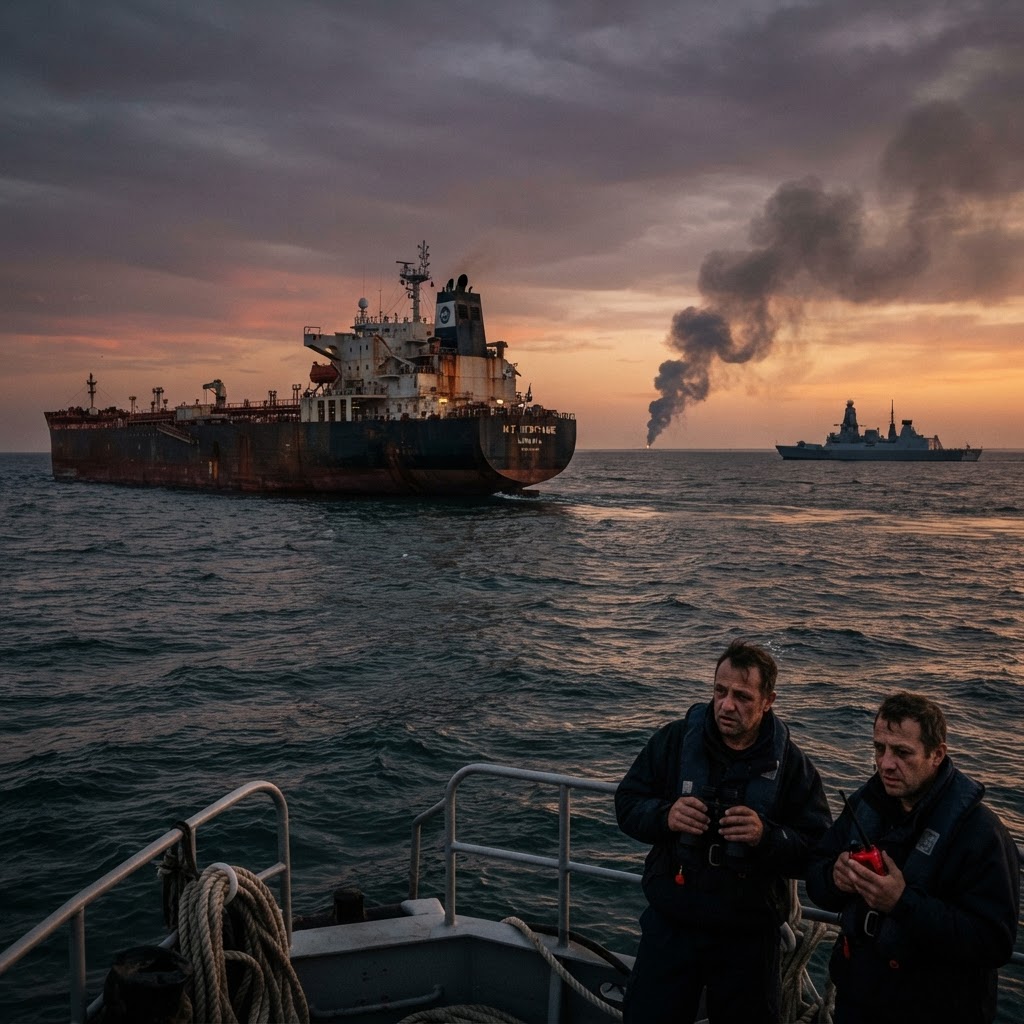
The Strait of Hormuz remains central to that concern. Any disruption there immediately affects oil exports, insurance costs, maritime trade and global energy sentiment. For Gulf capitals, the issue is not theoretical. Even the fear of disruption can carry a price, because markets react quickly and businesses hesitate when regional uncertainty appears open-ended.
Arab states are balancing caution with self-protection
Most Arab governments do not want a full regional war, but they also do not want to appear passive in the face of a changing threat environment. That creates a difficult balancing act. On one side is the desire to preserve diplomacy, avoid direct entanglement and contain escalation. On the other is the need to reassure citizens, protect infrastructure and signal that national security will not be left exposed.
This is why the response across Arab capitals has often combined public caution with quieter strategic recalculation. Defence readiness, diversification of external partnerships and new thinking about energy routes are all becoming more urgent. The lesson many governments appear to be drawing is that stability can no longer be assumed; it must be actively defended.
The wider Middle East is feeling the pressure too
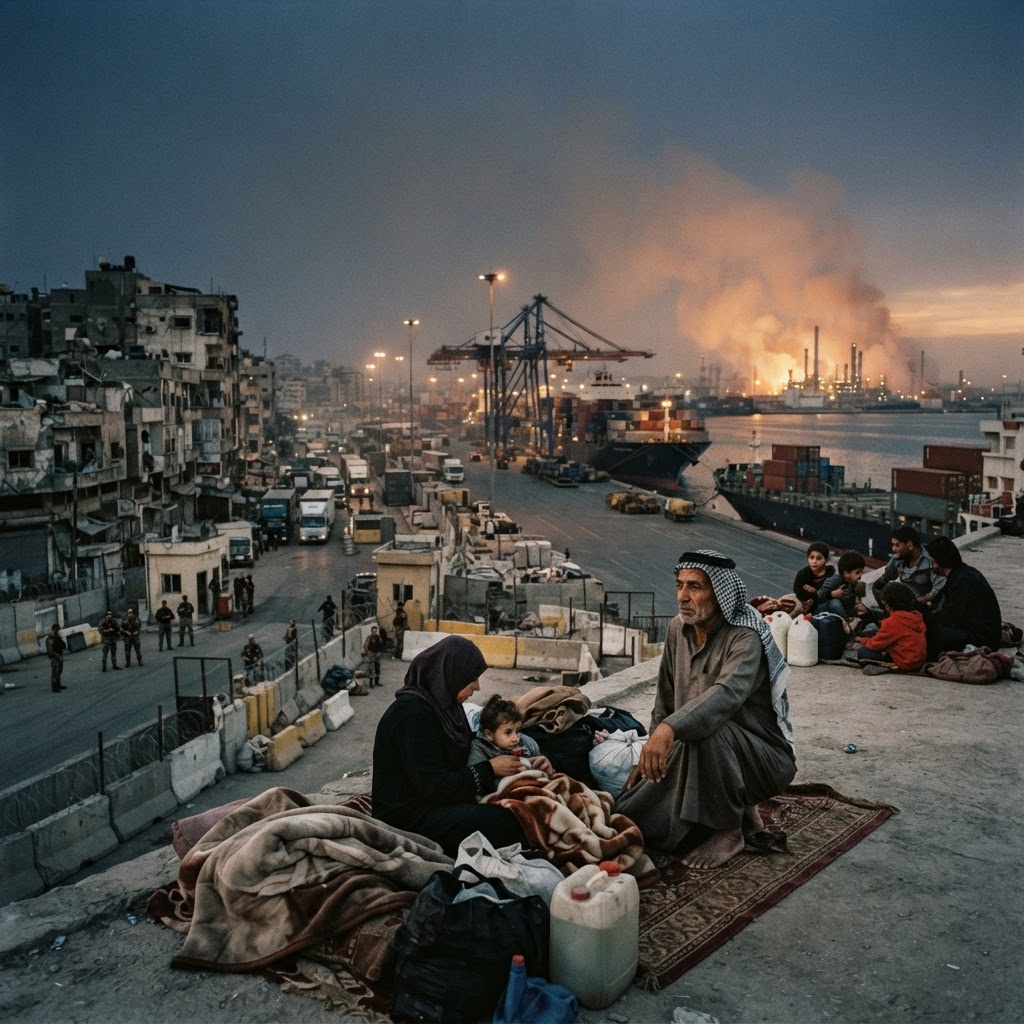
The consequences of the Iran war extend far beyond the Gulf. Across the Middle East, governments are weighing how the conflict may affect domestic politics, food and fuel prices, refugee movement, proxy activity and already fragile ceasefires or political balances. A war of this scale does not stay neatly contained. It widens stress lines that were already present in the region.
That matters especially in countries where public frustration is already high or where state institutions are under pressure. When a regional war raises costs, unsettles borders and intensifies rival narratives, it can amplify local instability even in places far from the most immediate military threat.
Energy, trade and diplomacy are all being reshaped
The economic impact may prove nearly as important as the military one. Gulf exporters depend on predictable shipping. Import-dependent populations across the region depend on affordable fuel and stable supply chains. Investors depend on confidence. A prolonged Iran war weakens all three. It also encourages governments to think more seriously about redundancy: alternative routes, stronger domestic preparedness and broader diplomatic hedging.
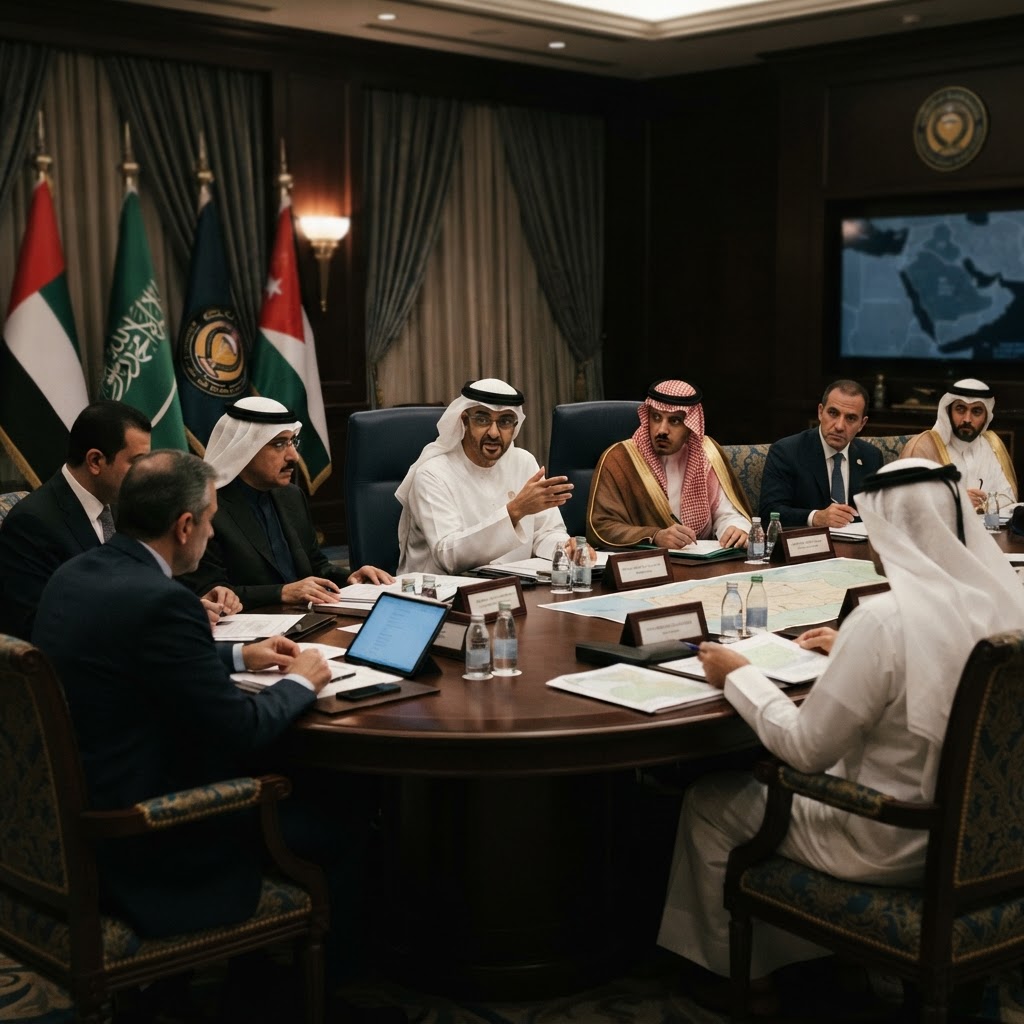
Diplomatically, the war may deepen divisions even among countries that share similar fears. Some states will push harder for de-escalation and mediation. Others may favor stronger deterrence. Still others may attempt to do both at once. The result could be a more fragmented Arab response at precisely the moment the region would benefit most from coordination.
A test of regional resilience
The deeper issue for Arab nations is whether the Middle East can absorb this war without sliding into a wider era of permanent insecurity. The region has spent years trying to move from conflict management toward economic modernization and strategic repositioning. The Iran war threatens to reverse that momentum by putting security back at the center of every national calculation.
For the Gulf, the stakes are especially high because prosperity there depends on an image of reliability and openness. For the wider Arab world, the stakes are broader still: whether the region can avoid another cycle in which every local ambition is overshadowed by geopolitical confrontation.
What comes next
No Arab capital can fully insulate itself from the consequences of the Iran war. The real question is how successfully governments can contain the fallout while preserving room for diplomacy, trade and internal stability. If they succeed, the region may emerge more realistic, more coordinated and more resilient. If they fail, the Middle East could face a prolonged period in which economic goals, security needs and political tensions collide with even greater force.
That is why the Iran war matters not only as a military conflict, but as a defining test for Arab nations and the future balance of the Gulf and the wider Middle East.

Comments (0)
Be the first to share your thoughts!
Your voice matters. Every comment helps build our community.
Discussion Starters
No comments yet. Be the first to share your thoughts!