




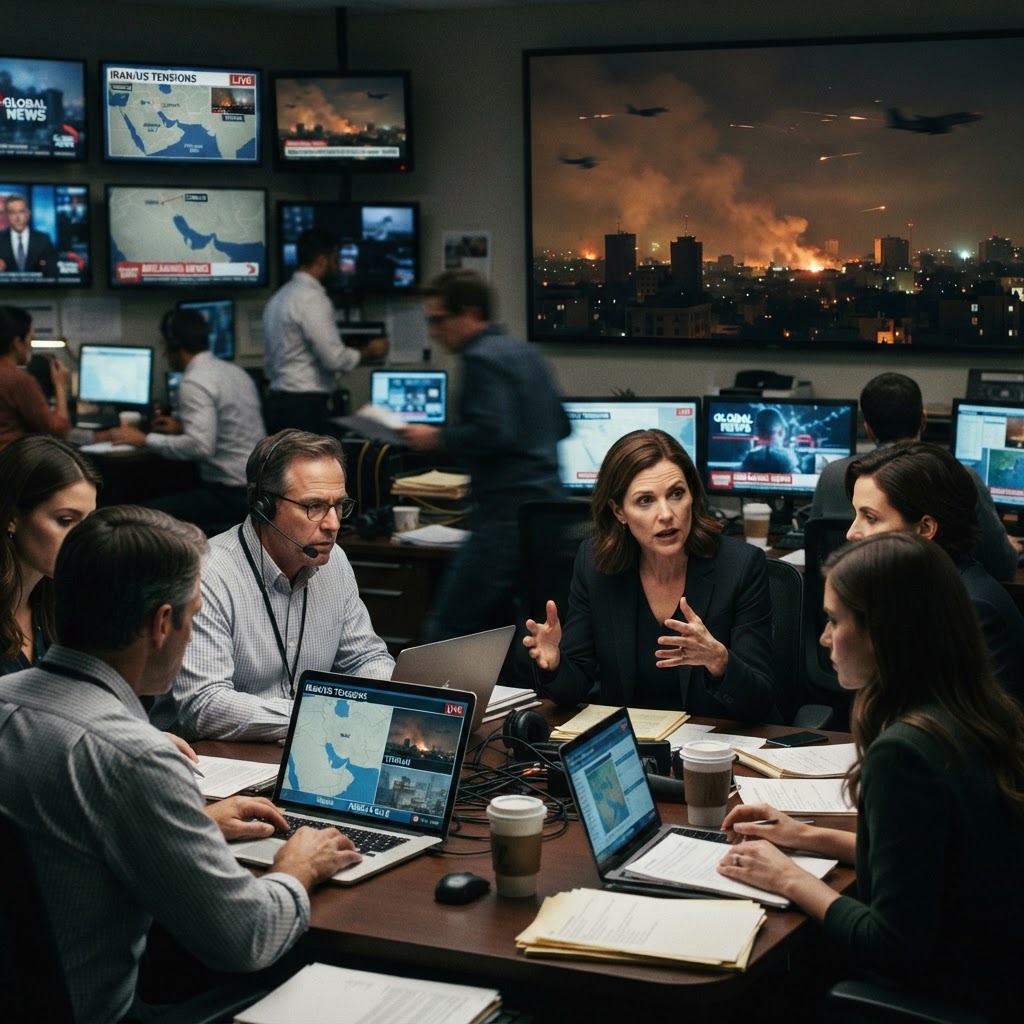
Washington and Tehran edge toward a more dangerous phase
The war between the United States and Iran entered another volatile chapter this week as fresh U.S. strikes, Iranian threats of retaliation and rising pressure on regional shipping deepened fears of a wider confrontation. Reports carried on July 30 described a conflict that is no longer defined only by isolated military exchanges, but by a broader struggle over deterrence, diplomacy and control of strategic routes that matter to the global economy.
The latest developments point to a dangerous pattern: every new military move is being answered with tougher rhetoric, heightened military readiness and less room for meaningful negotiation. What had once been framed by diplomats as a crisis that could still be contained is now increasingly being described by analysts and regional observers as a conflict with expanding political and economic consequences.
Fresh strikes sharpen the risk of escalation
Live regional coverage during the week reported that U.S. attacks had continued over multiple nights, while Iranian officials warned that further escalation remained possible. Those developments have raised concerns that the fighting could widen beyond direct exchanges to include commercial shipping lanes, energy infrastructure and proxy networks across the Middle East.
Britannica’s latest summary of the conflict, drawing on reporting published July 30, described a war that has already evolved through several stages: an initial wave of large-scale attacks, a fragile ceasefire effort and a renewed breakdown in July after maritime tensions flared again. That renewed phase appears to be hardening political positions on both sides.
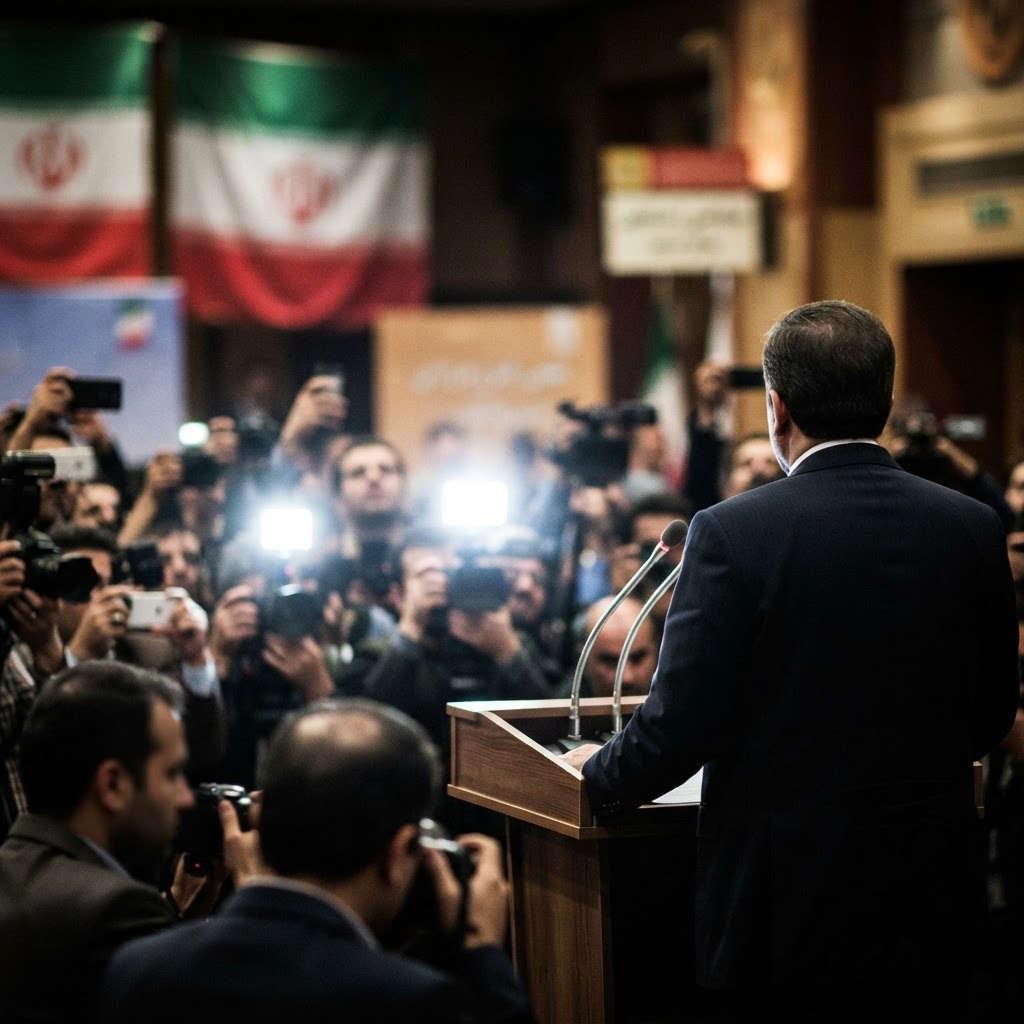
For Washington, the stated objective remains pressure and deterrence. For Tehran, the message is that outside military pressure will not force submission and may instead strengthen calls for a more forceful response. That collision of logic is precisely what makes the current moment so dangerous.
Shipping and oil routes are back at the center
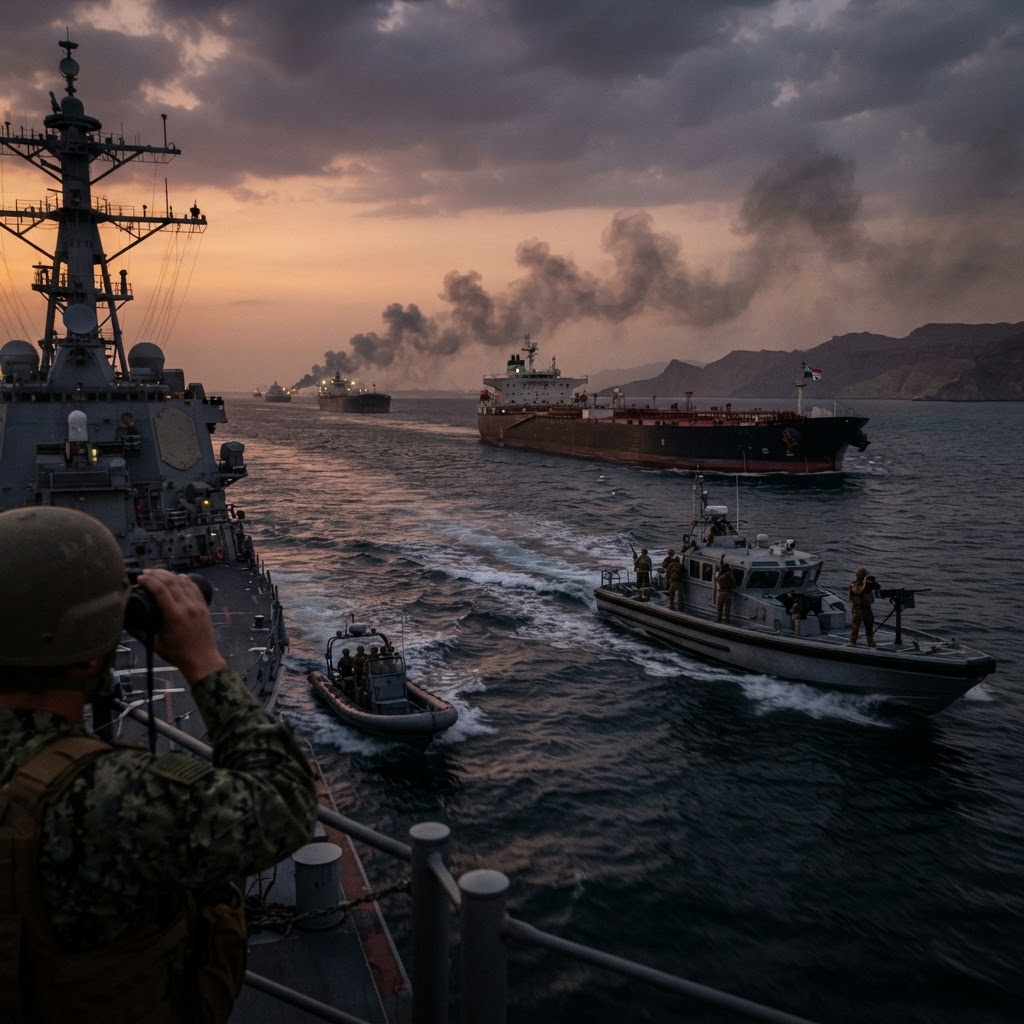
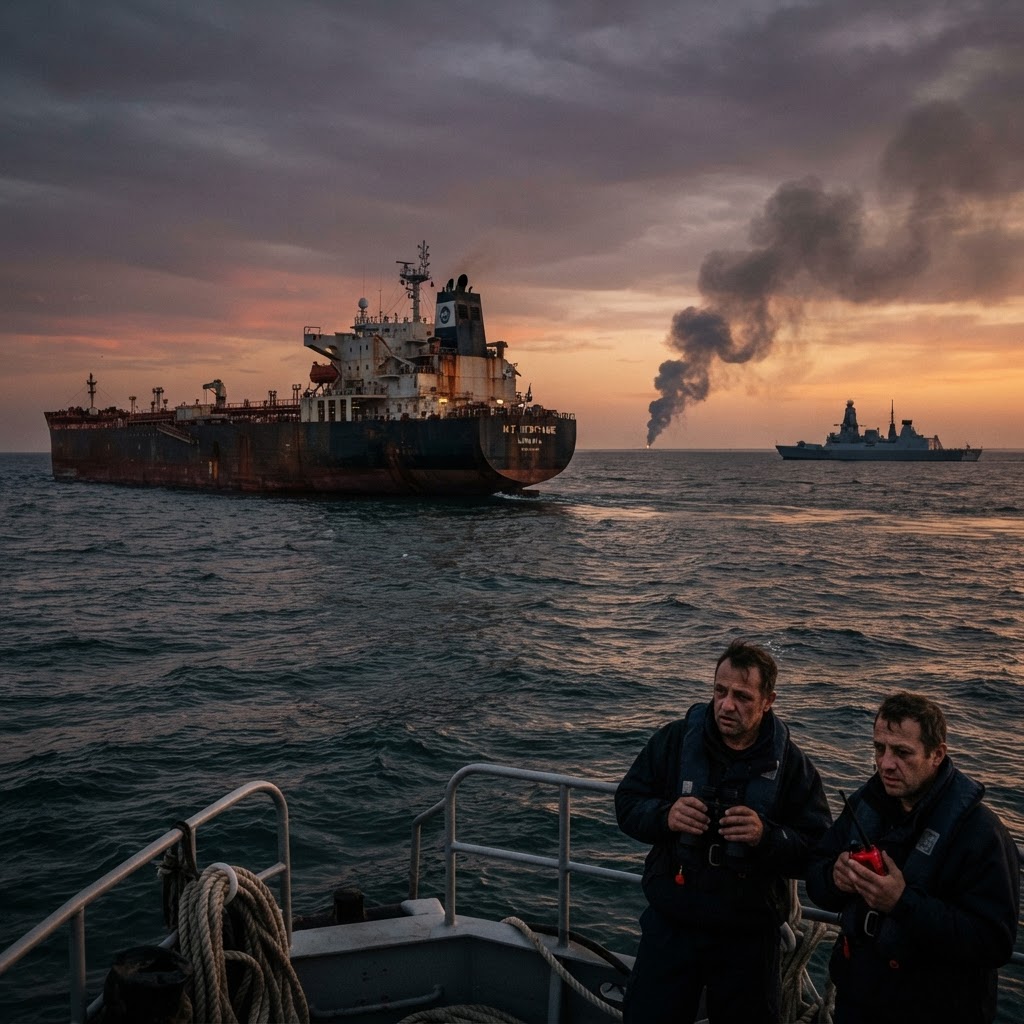
One of the most immediate concerns is the Strait of Hormuz, the narrow but essential waterway through which a significant share of the world’s oil and gas shipments travel. Recent reporting has highlighted fresh anxiety over attacks involving commercial vessels and the possibility of disruptions that could ripple far beyond the battlefield.
Even the threat of instability in the strait can move markets, raise insurance costs, disrupt delivery schedules and intensify pressure on governments already grappling with inflation and fragile supply chains. For countries in Asia, Europe and the Gulf, the economic stakes of the conflict are becoming as urgent as the military ones.
The result is a conflict that no longer belongs only to the governments fighting it. It now touches traders, shipping firms, consumers and allied states trying to avoid being pulled deeper into a fast-moving regional crisis.
Diplomacy is still possible, but trust is fading
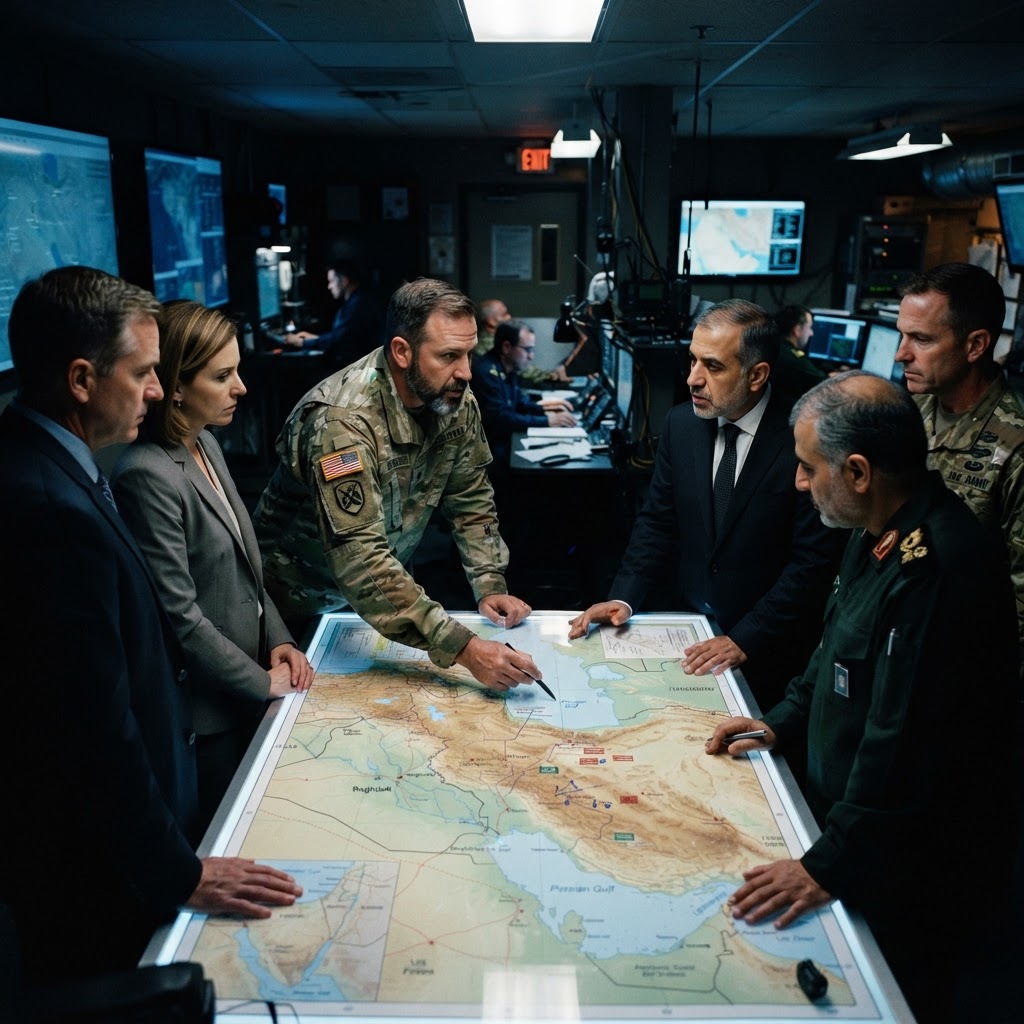
Despite the latest military activity, diplomats and regional intermediaries continue to speak of negotiation as the only sustainable exit. Yet trust has eroded sharply. Iranian commentary this week suggested deep skepticism toward renewed talks, especially after strikes resumed during what many in Tehran viewed as a period when de-escalation should have been possible.
On the American side, political pressure is also shifting. Leaders in Washington are facing competing demands to show resolve, protect regional partners and prevent attacks on shipping, while also avoiding a long, costly war that could expand unpredictably.
That gap between military action and diplomatic credibility is becoming one of the conflict’s defining features. Each new strike may be intended to improve leverage, but it can also narrow the political space required for a negotiated settlement.
The regional and global costs are mounting
The renewed fighting is not just a test of military strength. It is also a test of how much instability the region can absorb before the damage becomes harder to contain. Civilian anxiety, displacement, energy insecurity and wider geopolitical polarization all tend to increase when conflicts move from crisis management into prolonged confrontation.
If the current trajectory continues, the United States and Iran may soon find themselves trapped in a cycle where tactical victories produce strategic setbacks. That is the warning embedded in this week’s developments: neither side appears ready to back down, yet both face rising costs from a war that is becoming broader, more unpredictable and more difficult to control.
For now, the immediate question is not whether tensions are high. It is whether any credible diplomatic channel remains strong enough to stop the next escalation before it redraws the balance of the region once again.
Comments (0)
Be the first to share your thoughts!
Your voice matters. Every comment helps build our community.
Discussion Starters
No comments yet. Be the first to share your thoughts!