




The Iran war has reignited with dangerous speed, pulling the United States and Iran back into direct confrontation and pushing the Middle East toward a broader period of instability.
Reuters reported on July 13 that U.S. and Iranian forces exchanged heavy missile and drone attacks over the weekend and into Monday, with Tehran saying it had struck U.S. military facilities across the Gulf while Washington said it hit Iranian air defence systems, coastal radars, missile and drone capabilities and small boats.

America’s action in the renewed war
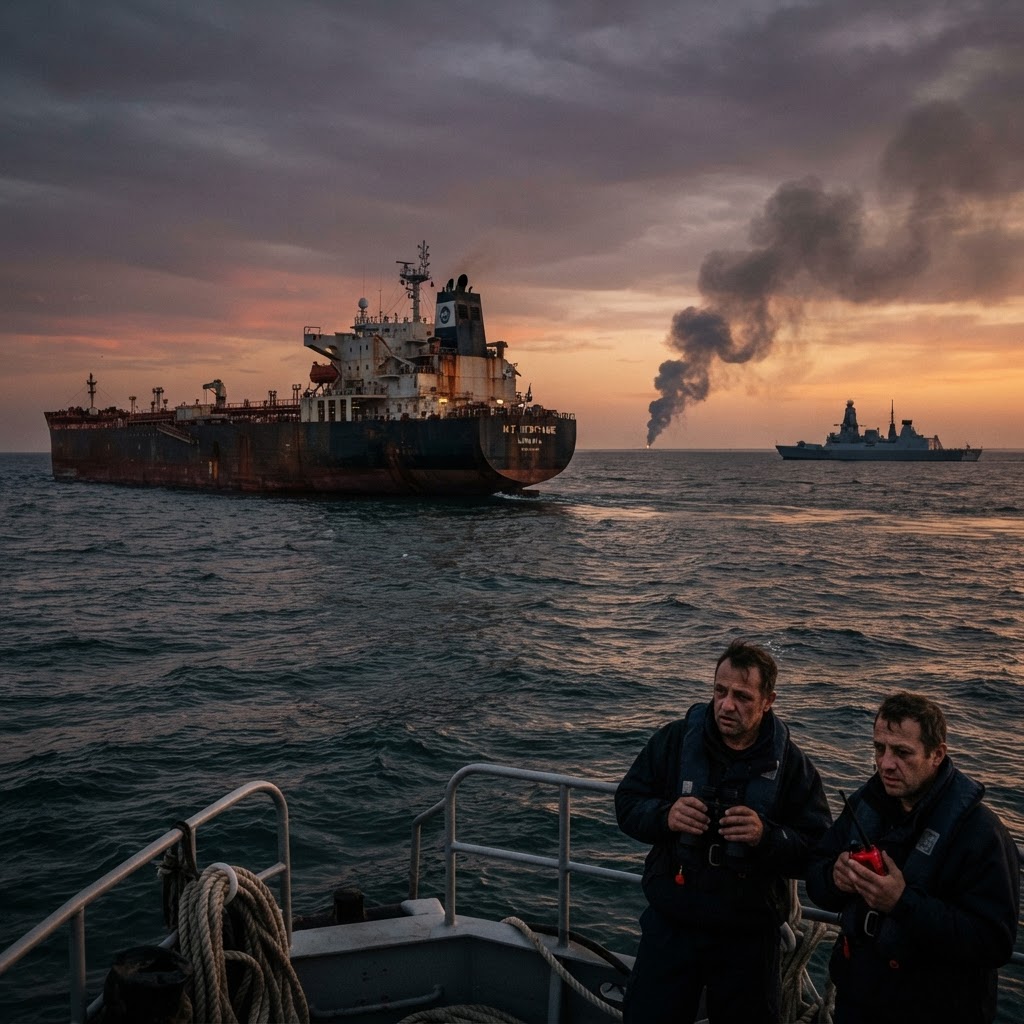
The latest U.S. action appears aimed at two goals at once: punishing Iranian attacks and keeping the Strait of Hormuz open to commercial shipping. Reuters reported earlier that the U.S. military launched fresh strikes after attacks on cargo ships and after Iran targeted U.S. sites and allied facilities in the Gulf.
American officials said the strikes were meant to degrade Iran’s ability to threaten freedom of navigation. That matters because control of the Strait of Hormuz has become one of the central pressure points of the war. Any disruption there immediately affects global energy markets and raises political pressure inside the United States.
Iran’s retaliation is widening
Iran has answered with a broader retaliation campaign. According to Reuters, Iran’s Revolutionary Guards said they targeted U.S. military facilities in Bahrain and Kuwait, destroyed radar systems in Oman and struck fuel and ammunition sites in Jordan. Bahrain said its air defence systems intercepted several Iranian missile and drone attacks.
The exchange shows that the conflict is no longer confined to isolated strikes. It is now spreading across multiple Gulf states and threatening the wider regional security architecture around U.S. bases, shipping lanes and allied governments.
Reuters also reported explosions in Bandar Abbas and on nearby Qeshm Island, while Tehran kept the Strait of Hormuz effectively closed and warned that continued U.S. interference could lead to even bigger incidents in the global oil and gas sector.
Trump’s actions and the political risk
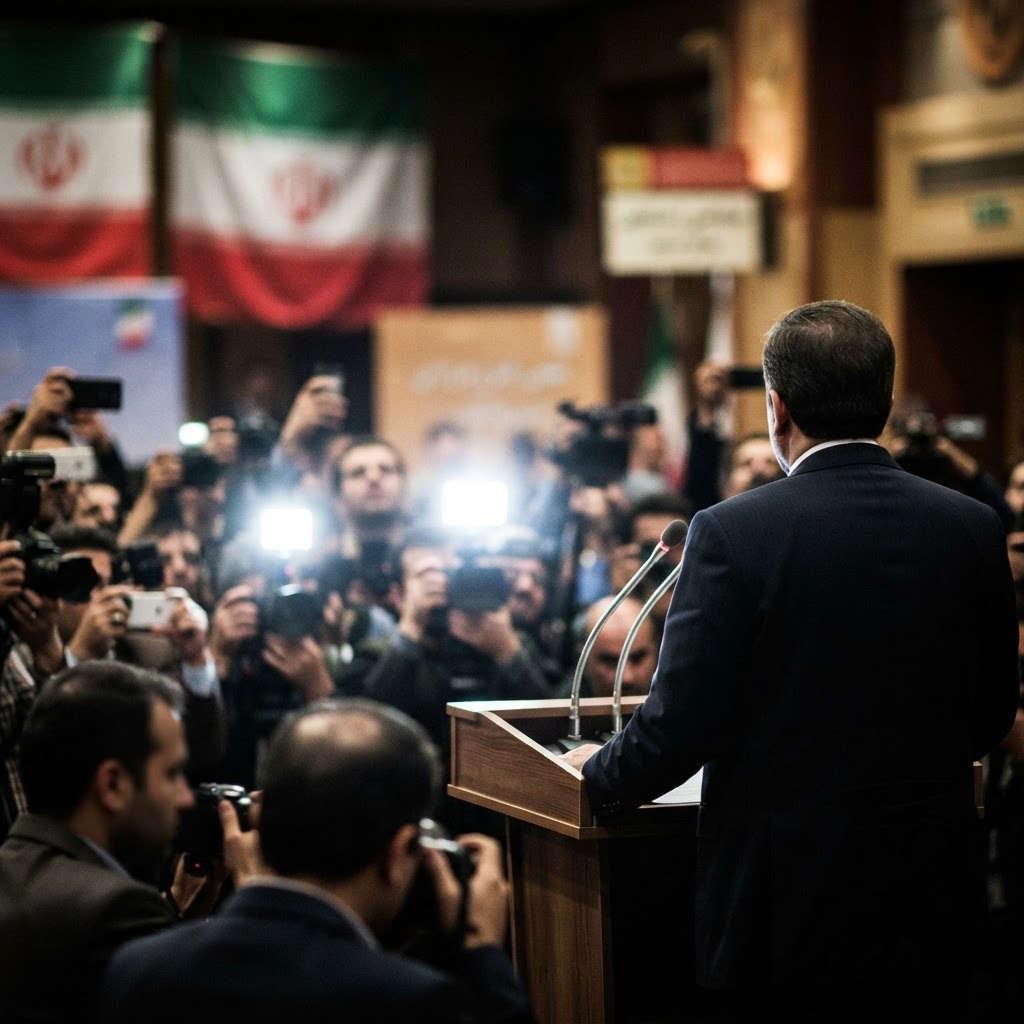
President Donald Trump has been driving the tone of the U.S. response. Reuters reported that Trump said of the latest strikes, “We’re beating them up,” while also leaving the door open to more talks. Earlier coverage from Reuters said Trump considered the ceasefire effectively over and described Iran as untrustworthy, even while insisting he did not want a return to full-scale war.
That tension defines Trump’s position in the conflict. He is trying to project military strength without becoming trapped in an open-ended regional war. But every new round of strikes makes that balancing act harder. Analysts cited by Reuters say Trump faces few good options: escalate and risk a larger war, or hold back and risk giving Tehran more leverage in the Gulf.
Why this flare-up matters beyond the battlefield
The renewed war is already moving markets. Reuters said oil prices rose again as traders reacted to fears over shipping disruptions in one of the world’s most important energy chokepoints. Gasoline costs and inflation risk remain politically sensitive in the United States, especially with congressional elections approaching.
For American voters, this means the Iran war is not just a foreign policy story. It is also an economic story, a national security story and a test of whether Washington can prevent a regional escalation from becoming a long and costly crisis.
TND takeaway
The reignition of the Iran war is being shaped by three forces at once: direct American military action, increasingly bold Iranian retaliation, and Donald Trump’s attempt to look forceful without owning a full-scale war. That combination is making the conflict more volatile, more regional and more politically costly by the day.
Comments (0)
Be the first to share your thoughts!
Your voice matters. Every comment helps build our community.
Discussion Starters
No comments yet. Be the first to share your thoughts!