



MONROVIA, LIBERIA —
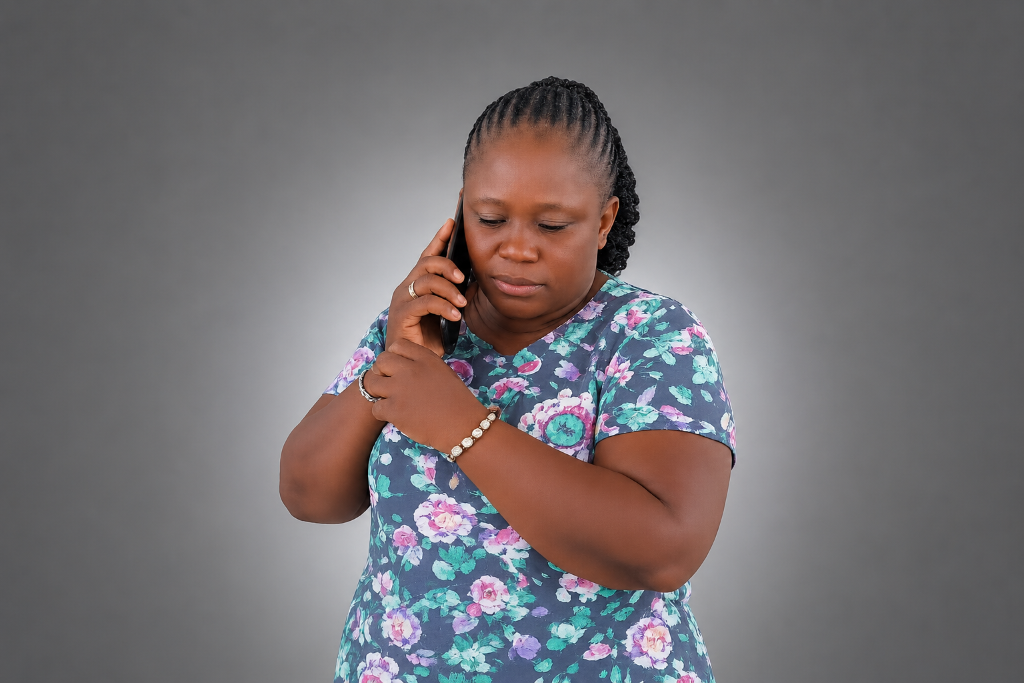
Nurse Paola Bedell, who has been accused by the government over an alleged Ebola-related information leak in Liberia, says she did not spread false information or act with the intention of causing panic. In her public explanation, Bedell said she shared the warning only as a precaution to protect fellow nurses, family members, and friends.
Her account presents the controversy not as a deliberate attempt to mislead the public, but as a response to what she believed was a serious health concern.
Bedell says warning followed internal advisory
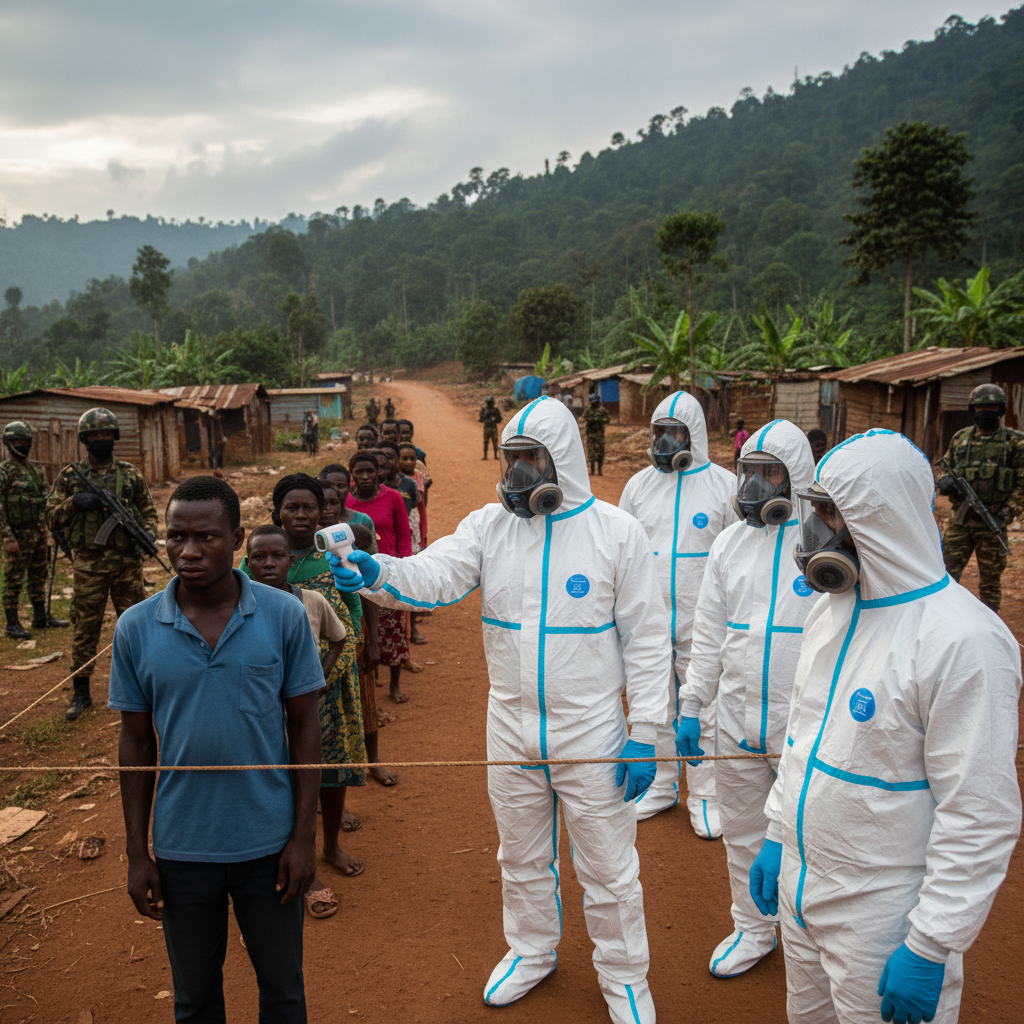
Bedell said her concern began after a precautionary advisory was reportedly given to her and other nurses by the medical director at the hospital where she worked. According to her account, staff were warned to be especially careful because a group had returned to Liberia from training in Uganda, and proper screening precautions were allegedly not taken when they re-entered the country.
She said that information raised immediate concern among health workers, particularly given Liberia’s painful history with Ebola and the devastating effect the disease has previously had on families, hospitals, and the wider public.
Concern grew after patients reportedly showed symptoms
Bedell said some of the individuals later became sick and were taken to John F. Kennedy Medical Center, Liberia’s largest government-owned hospital. According to her account, screening raised alarm because some of the patients showed signs commonly associated with Ebola, including red eyes and other severe symptoms.
She said those developments increased fear among medical staff and reinforced her belief that people close to her needed to be warned to remain cautious.
“I warned fellow nurses, family, and friends out of precaution,” Bedell’s account indicates, framing her actions as a protective response rather than an act of misinformation.
Says she acted out of caution, not malice
Bedell maintains that her actions were driven by safety concerns rather than any desire to deceive the public. She says she felt a duty to warn people around her and colleagues in the healthcare system so they could exercise caution while authorities assessed the situation.
Her explanation has become central to the debate surrounding the case, particularly as critics question whether a health worker who shares an early warning should automatically be treated as someone spreading falsehoods.
National debate over transparency and public safety
The case has triggered national concern because of Liberia’s past experience with Ebola and the deep public sensitivity surrounding any possible outbreak. It has also intensified debate over whether health workers who raise early warnings are acting irresponsibly or performing a necessary protective role when they believe official systems may not be moving fast enough.
Government authorities have accused Bedell of wrongdoing, but her statement has added a new dimension to the controversy by framing her conduct as a precautionary response to an internal alert rather than a deliberate falsehood.
Questions remain
As scrutiny continues, many Liberians are calling for greater clarity from health officials about the reported Uganda-linked concerns, what screening measures were followed, and whether there was any verified Ebola risk connected to the individuals in question.
The matter continues to generate public discussion about transparency, emergency communication, and the rights and responsibilities of frontline health workers.


Comments (0)
Be the first to share your thoughts!
Your voice matters. Every comment helps build our community.
Discussion Starters
No comments yet. Be the first to share your thoughts!