





Health authorities in Africa are warning that the current Ebola outbreak centered in the Democratic Republic of the Congo and affecting neighboring Uganda is expanding quickly, raising concern across the region.
According to the latest WHO Africa external situation report, the outbreak is being driven by Bundibugyo virus disease and continues to evolve with increasing case numbers, broader geographic spread, and clear signs of cross-border transmission. The update, based on data through 24 May 2026, shows that the Democratic Republic of the Congo recorded 390 additional suspected cases since the previous report, including 92 deaths.
The same report says laboratory-confirmed cases in the DRC rose sharply from 33 to 105, while confirmed deaths increased from four to 10. WHO cautioned that all figures should be interpreted carefully because testing and laboratory confirmation have been delayed in some areas, meaning the true scale of the outbreak could shift as more results come in.
The outbreak has now spread to 13 affected health zones across three provinces in the DRC. One of the newest confirmed cases was reported in Miti-Murhesa Health Zone in South Kivu Province, a sign that the outbreak is not yet contained and remains highly mobile.
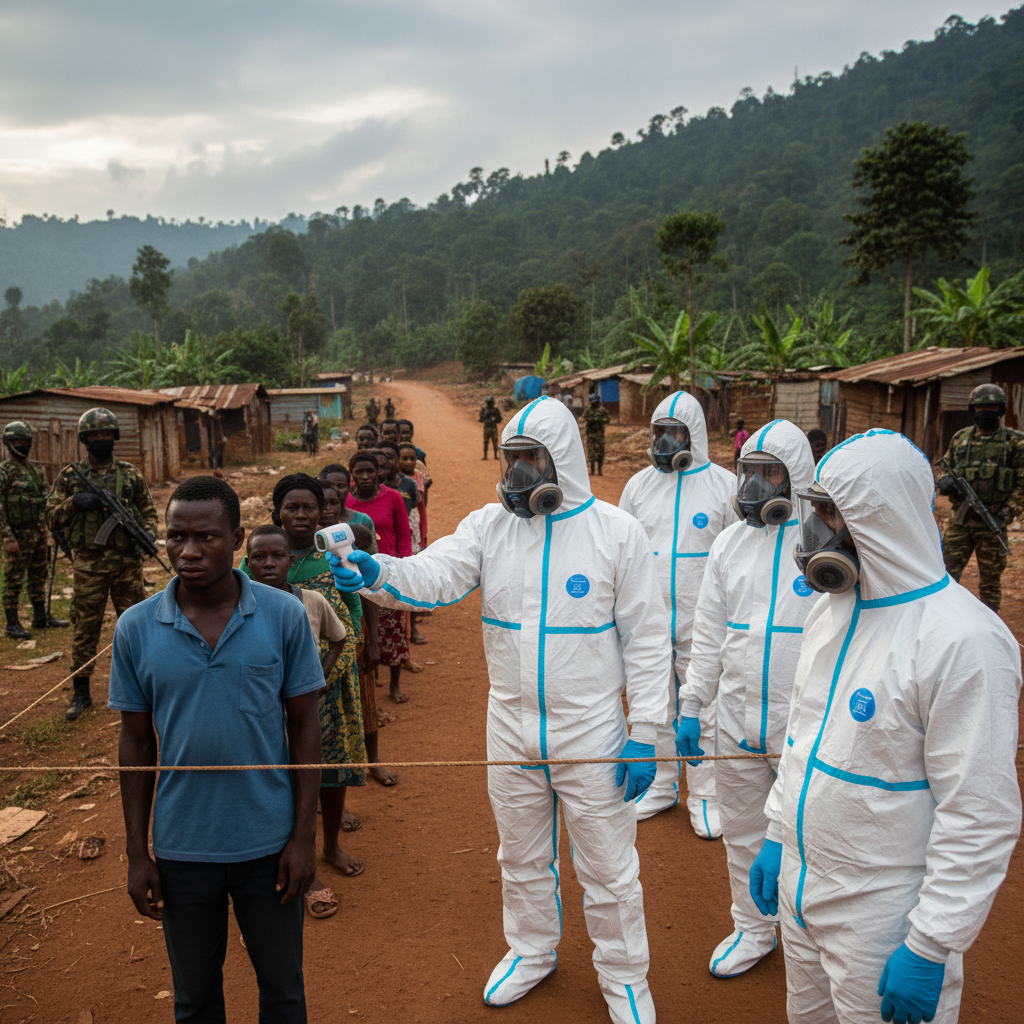
Uganda is also part of the regional emergency picture, with public health officials focusing on surveillance, border screening, contact tracing, and cross-border coordination to reduce the risk of further transmission. WHO and regional authorities have emphasized that rapid coordination between the two countries is now essential.
The broader danger is not only the number of cases, but the speed at which the outbreak is moving. Ebola can be extremely deadly, but early treatment and supportive care significantly improve survival chances. That reality has placed renewed urgency on faster diagnosis, isolation of suspected cases, protection of frontline health workers, and stronger community awareness campaigns.
WHO Africa has also highlighted the importance of regional response planning, especially in areas where health systems are already under strain. Governments and international partners are increasing support for emergency operations, while public health teams work to contain transmission chains before the disease reaches more densely populated areas.
For now, the central question is whether the response can move as fast as the outbreak itself. With suspected deaths rising, confirmed cases climbing, and multiple health zones now affected, this remains one of the most serious public health stories on the continent.
Officials continue to urge the public to seek medical help early for symptoms such as fever, fatigue, vomiting, diarrhea, and bleeding, while avoiding direct contact with bodily fluids of infected individuals. In outbreaks like this one, timing can make the difference between control and wider regional spread.


Comments (0)
Be the first to share your thoughts!
Your voice matters. Every comment helps build our community.
Discussion Starters
No comments yet. Be the first to share your thoughts!