



Iran's Historic Leadership Transition
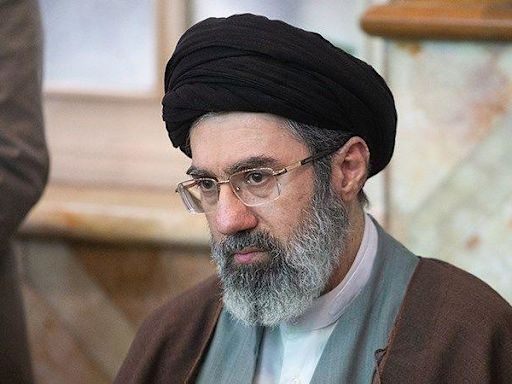
In a seismic shift for one of the world's most closely watched theocratic states, Iran's Assembly of Experts has convened to appoint a new Supreme Leader — a development that carries profound implications for regional stability, nuclear negotiations, and the future of the Islamic Republic itself.
The Supreme Leader of Iran holds near-absolute authority over the country's military, judiciary, foreign policy, and state media. The position, enshrined in the Constitution of the Islamic Republic, outranks even the presidency and is considered a lifetime appointment.
The Assembly of Experts Convenes
The 88-member Assembly of Experts — a body of senior Islamic jurists elected by popular vote — gathered in an emergency session in Tehran to deliberate the succession. Deliberations were conducted behind closed doors, consistent with the secretive nature of Iran's clerical establishment.
Multiple senior clerics were reportedly under consideration, each representing different factions within the Islamic Republic's complex political landscape: hardliners seeking an uncompromising continuation of the revolutionary line, pragmatists open to limited economic liberalization, and conservatives who favor a measured approach to foreign engagement.
Regional and International Reactions
World leaders and regional powers have reacted with cautious concern. The United States State Department issued a statement urging Iran to use the transition as an opportunity to engage responsibly with the international community, while Israel placed its military on heightened alert as a precautionary measure.
Saudi Arabia, which has normalized diplomatic ties with Iran in recent years under Chinese-brokered agreements, called for stability and continuity of dialogue. Russia and China — both long-standing partners of Tehran — expressed confidence in the continuity of bilateral relations.
What This Means for the Nuclear Deal
Perhaps no issue looms larger over this transition than Iran's nuclear program. Ongoing negotiations over a revived Joint Comprehensive Plan of Action (JCPOA) have been marked by stops and starts, and analysts warn that a change in supreme leadership could either accelerate or derail progress.
The Supreme Leader is the ultimate decision-maker on nuclear matters. Whoever takes the mantle will define whether Iran steps back from the brink or continues its trajectory toward nuclear threshold status.
Domestic Implications
Inside Iran, the transition arrives against a backdrop of deep economic hardship, a weakened currency, and sustained popular discontent — most visibly expressed in the 2022–2023 Woman, Life, Freedom protests that shook the regime to its core.
Younger Iranians, many disillusioned with the clerical establishment, are watching closely. Civil society observers note that the new leadership's early signals on social freedoms, internet access, and political prisoners will be closely scrutinized both at home and abroad.
A Nation Watching and Waiting
As the world waits for formal confirmation and the new Supreme Leader's first public address, one thing is clear: Iran stands at an inflection point. The choices made in the coming weeks and months will shape not only the future of the Islamic Republic but the broader architecture of Middle Eastern geopolitics for a generation to come.
The New Dispensation will continue to provide in-depth coverage of this developing story.



Comments (0)
Be the first to share your thoughts!
Your voice matters. Every comment helps build our community.
Discussion Starters
No comments yet. Be the first to share your thoughts!