





TND World | November 19, 2026
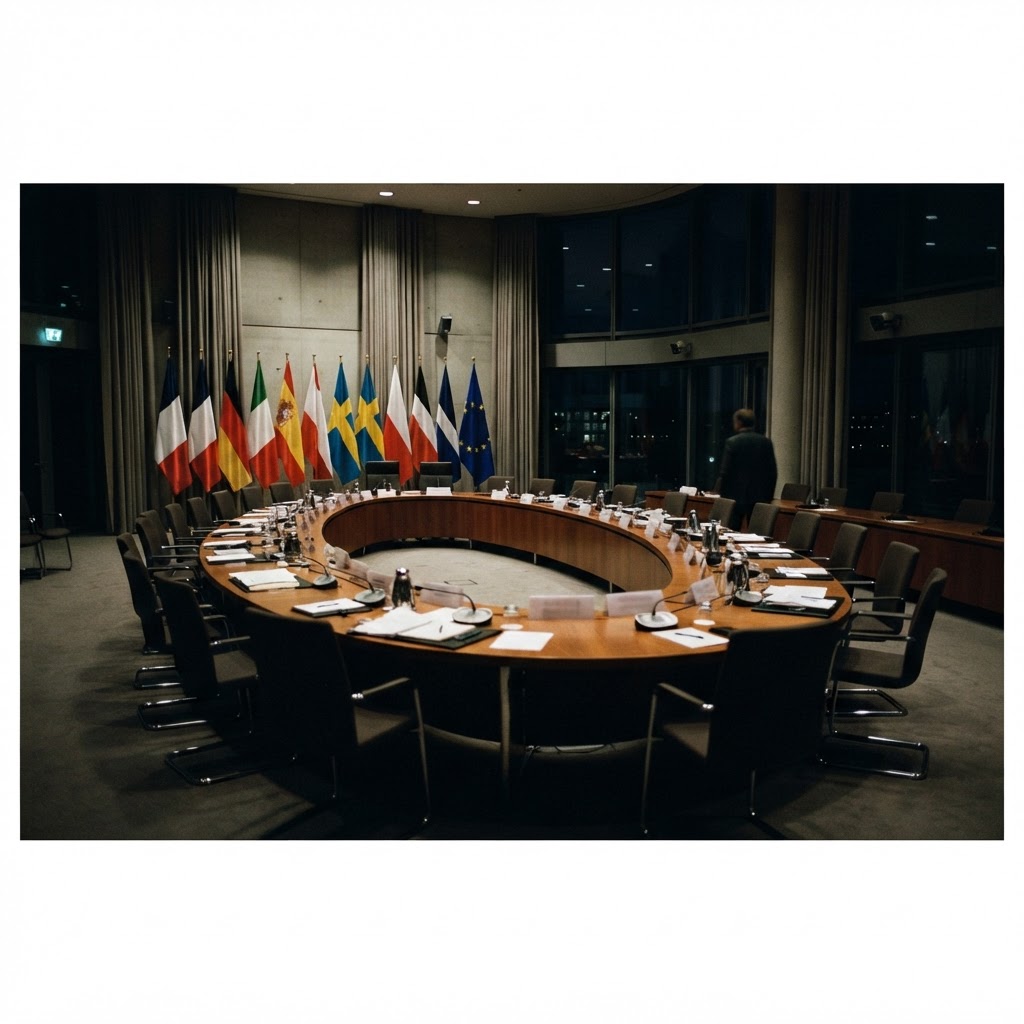
As the war in Ukraine enters its fifth winter, Europe faces a complex web of escalating military engagements, severe maritime disruptions, and fraught diplomatic negotiations. Between November 16 and November 19, 2026, the geopolitical landscape saw significant developments, from massive new European Union sanctions to a stark standoff over the future security architecture of the continent.
Diplomatic Standoff Over NATO and Peace Terms
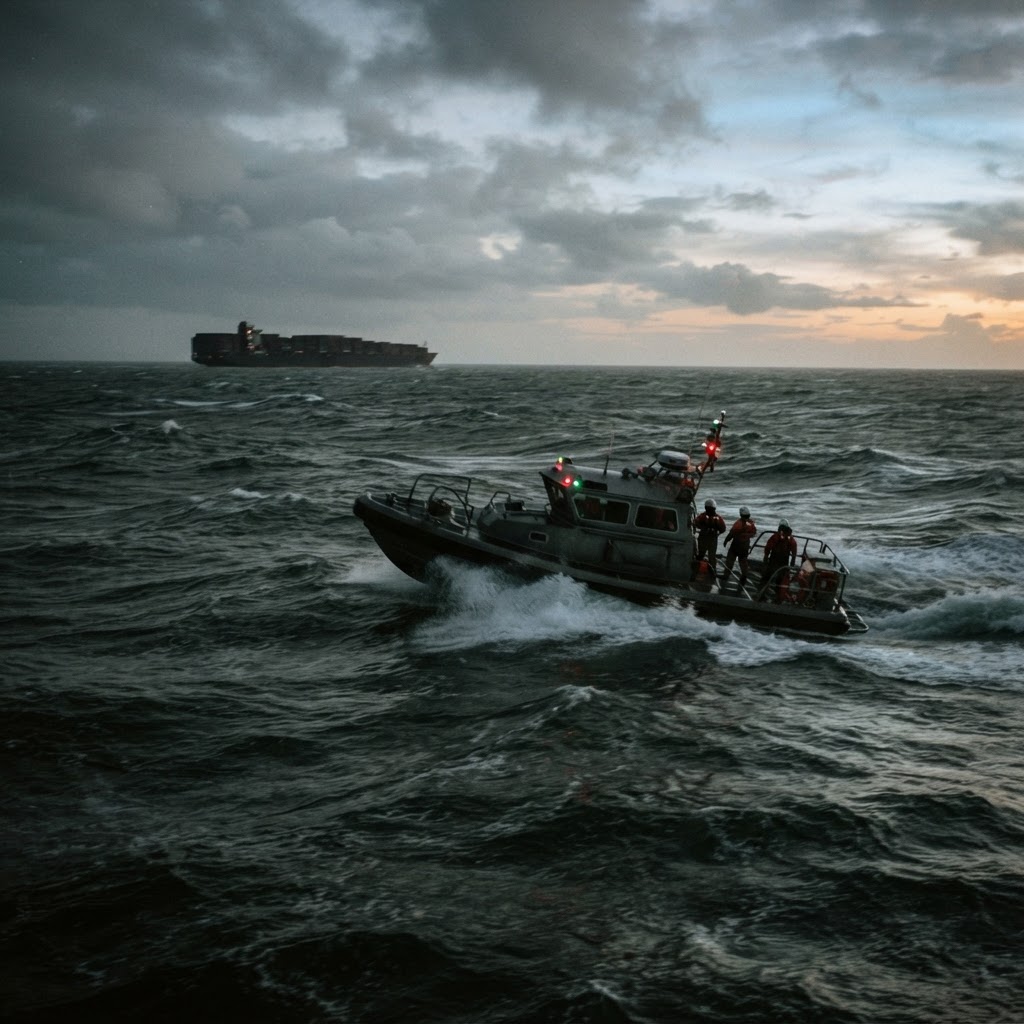
Efforts to broker a ceasefire have exposed deep divides between the involved parties. Ukrainian President Volodymyr Zelenskyy recently engaged in online discussions with United States envoys Steve Witkoff and Jared Kushner, alongside European representatives. Zelenskyy described the talks as not easy, though participants agreed to a forthcoming meeting in Berlin with a coalition of supporting nations.
Unconfirmed reports suggest Washington floated a proposal offering Ukraine NATO membership in exchange for withdrawing from contested areas in the Donbas region. However, Russian officials have firmly rejected both the proposal and any European involvement in future peace negotiations. Russian Foreign Minister Sergei Lavrov and Deputy Foreign Minister Sergei Ryabkov stated that European participation is an attempt to build a security architecture directed against Moscow. According to leaked documents, the Kremlin is demanding that NATO withdraw its troops from Central and Eastern Europe, effectively rolling the alliance back to its 1997 borders.
European Union Expands Sanctions and Targets Disinformation
In response to ongoing aggression, the European Union Council implemented sweeping new restrictive measures this week. The latest package targets 113 individuals and entities to cripple the financial channels funding the Russian war effort. The sanctions hit nearly 50 Russian banks and financial institutions, as well as major e-commerce players, including the sole shareholder of Wildberries and the majority stakeholder of Ozon.
The energy sector and the shadow fleet also faced heavy penalties. The EU listed companies from the United Arab Emirates, China, Seychelles, and Oman that purchase Russian crude oil, alongside entities managing Russian refineries and the St. Petersburg oil terminal. German Foreign Minister Johann Wadephul, attending the Foreign Affairs Council in Brussels, emphasized the need for a substantial twenty-second sanctions package and advocated for a reduction in visas issued to Russian nationals.
Simultaneously, the Council sanctioned 30 individuals and two entities involved in foreign information manipulation and cyber warfare. The Moscow based Social Design Agency and 24 of its staff members were listed for orchestrating disinformation campaigns across Europe. The pro-Russian hacker group NoName057(16) was also sanctioned for conducting denial of service attacks against European critical infrastructure and political institutions.
Black Sea Maritime Crisis
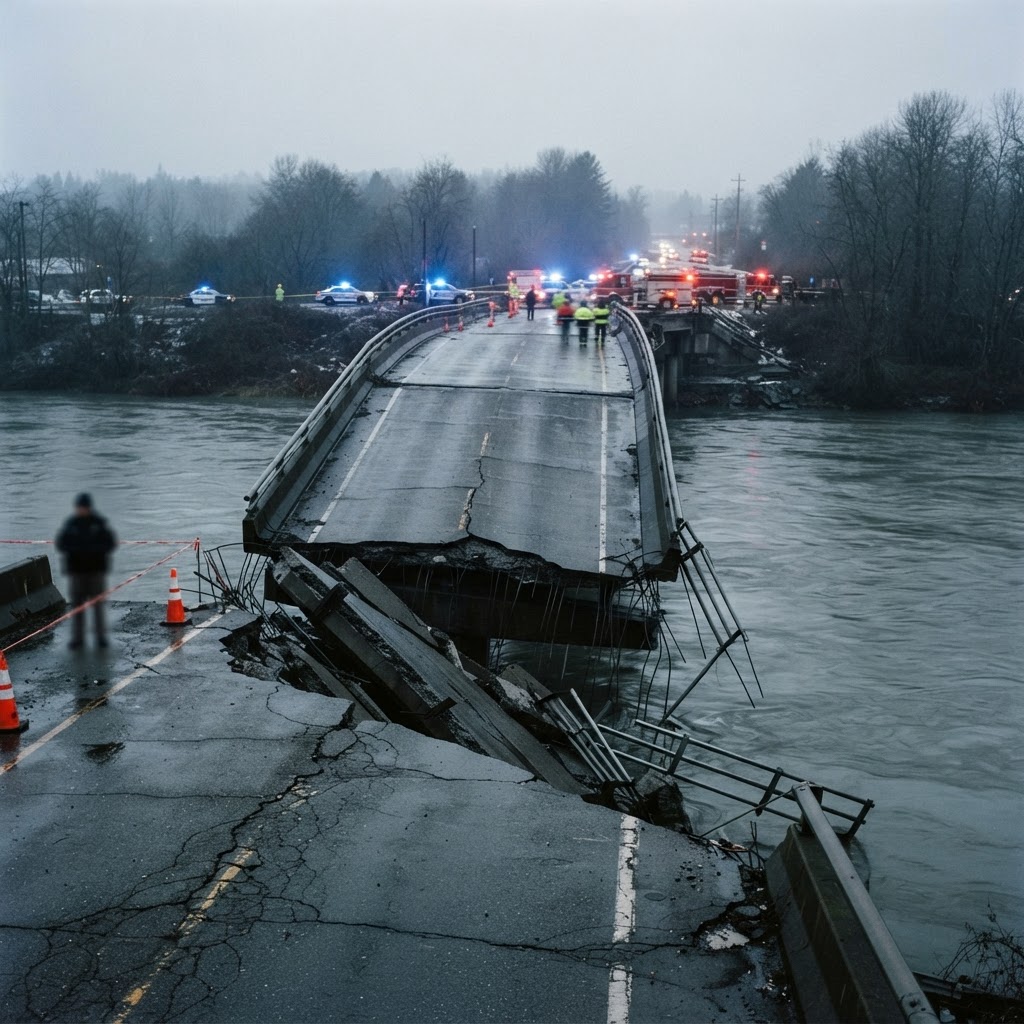
The security situation in the Black Sea has deteriorated rapidly, threatening international shipping and regional stability. The European External Action Service reported a series of alarming incidents between November 13 and November 17. Four ships were struck by drones within the territorial waters of Romania. Shortly after, a cargo ship carrying wheat and a gas tanker sank in the exclusive economic zone of Bulgaria following sea drone attacks.
To counter these escalating maritime threats, the European Commission pledged 50 million euros to accelerate the establishment of a joint Black Sea Maritime Security Hub in Romania and Bulgaria. An additional 10 million euros has been allocated specifically to support search and rescue operations in the volatile region.
Infrastructure Strikes and Border Closures
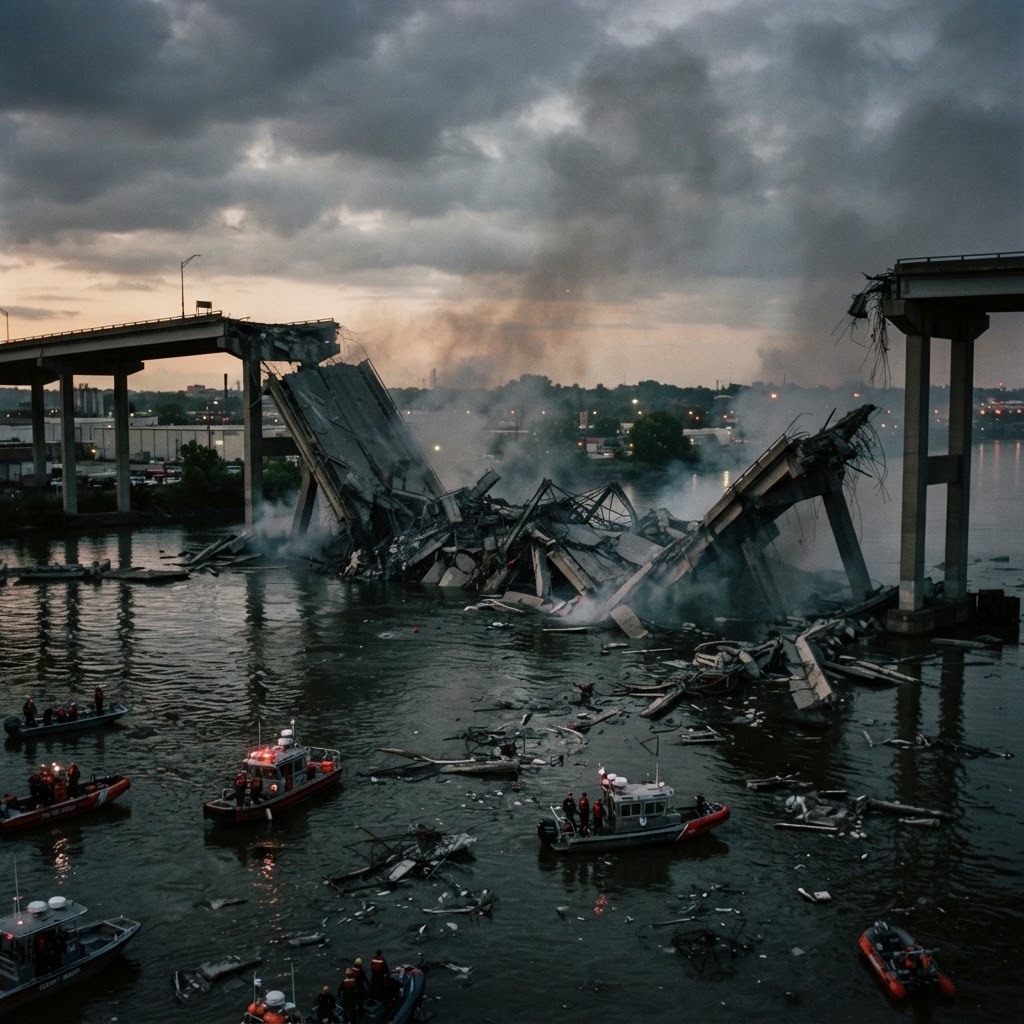
The physical battlefield has seen a dramatic increase in long range strikes aimed at critical infrastructure. Russian forces launched a large scale missile attack on several Ukrainian cities, with Kyiv experiencing a barrage of 26 missiles in just 40 minutes during the first wave. The strikes specifically targeted Kyiv's Northern and Southern bridges in an ongoing attempt to disrupt civilian transportation and logistics across the Dnipro River.
Ukraine retaliated with a massive drone campaign targeting Russian military and energy assets. Ukrainian forces struck an airfield in Akhtubinsk, petrochemical facilities in Tatarstan, and oil refineries. The Russian defense ministry claimed its air defense forces shot down 1,336 Ukrainian drones across 16 regions, though these figures remain unconfirmed.
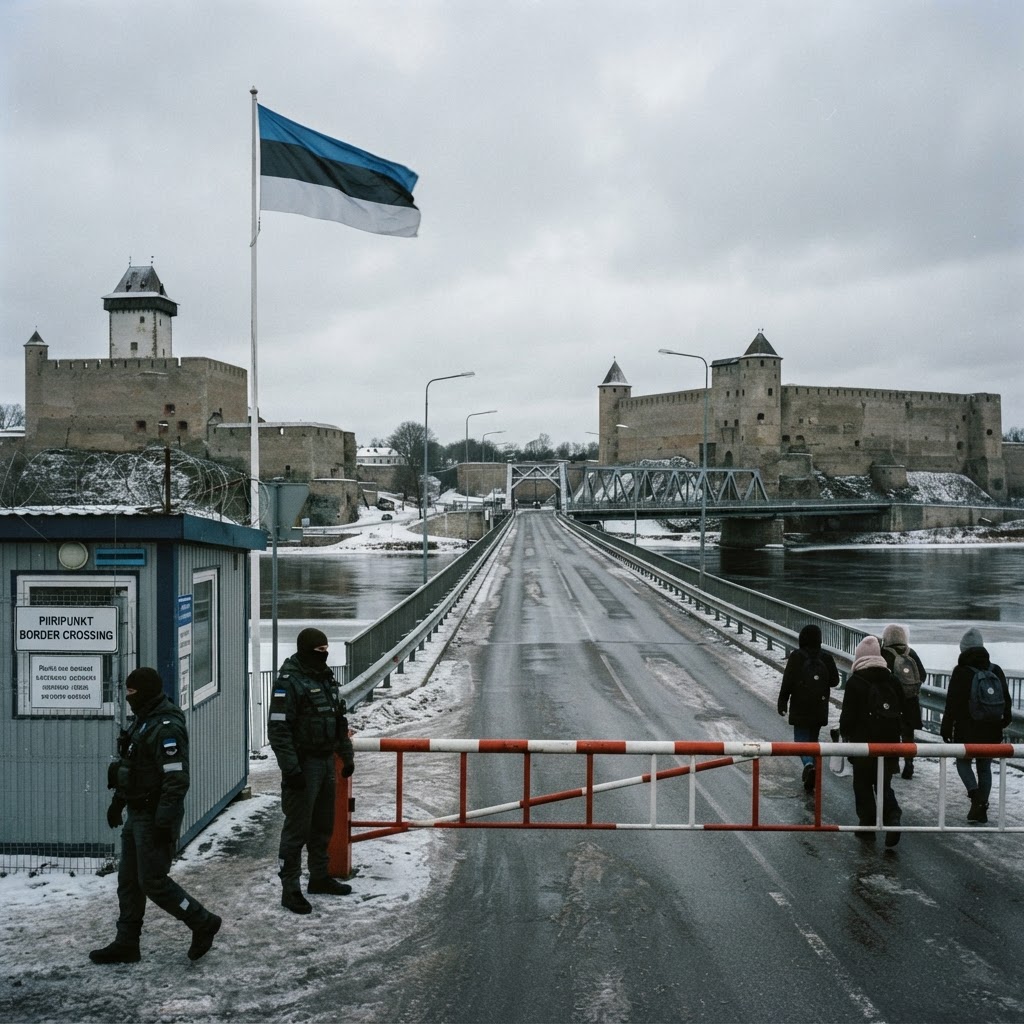
The hybrid threat landscape has also prompted defensive measures on land. Following a foiled sabotage plot, Estonia announced it will completely close its road border crossings with Russia starting December 1, further isolating the Russian Federation from the Baltic states.
NATO Reaffirms Long Term Support
Amid the escalating violence and diplomatic hurdles, NATO has reiterated its commitment to Ukrainian defense. NATO Secretary General Mark Rutte attended a meeting of the Ukraine Defence Contact Group at NATO headquarters in Brussels, hosted by German Defence Minister Boris Pistorius and United Kingdom Defence Secretary Wes Streeting.
Rutte welcomed hundreds of millions of dollars in additional support pledged to the PURL programme, alongside new announcements for air defense systems and ammunition. He stressed that Ukraine will need sustained support not only through the coming winter but well into the future, praising allies for stepping up to build what he called NATO 3.0.
Sources: Al Jazeera, Council of the EU, NATO News, EEAS, Federal Foreign Office, Critical Threats, KBA13, NBC News, Reuters
Comments (0)
Be the first to share your thoughts!
Your voice matters. Every comment helps build our community.
Discussion Starters
No comments yet. Be the first to share your thoughts!