




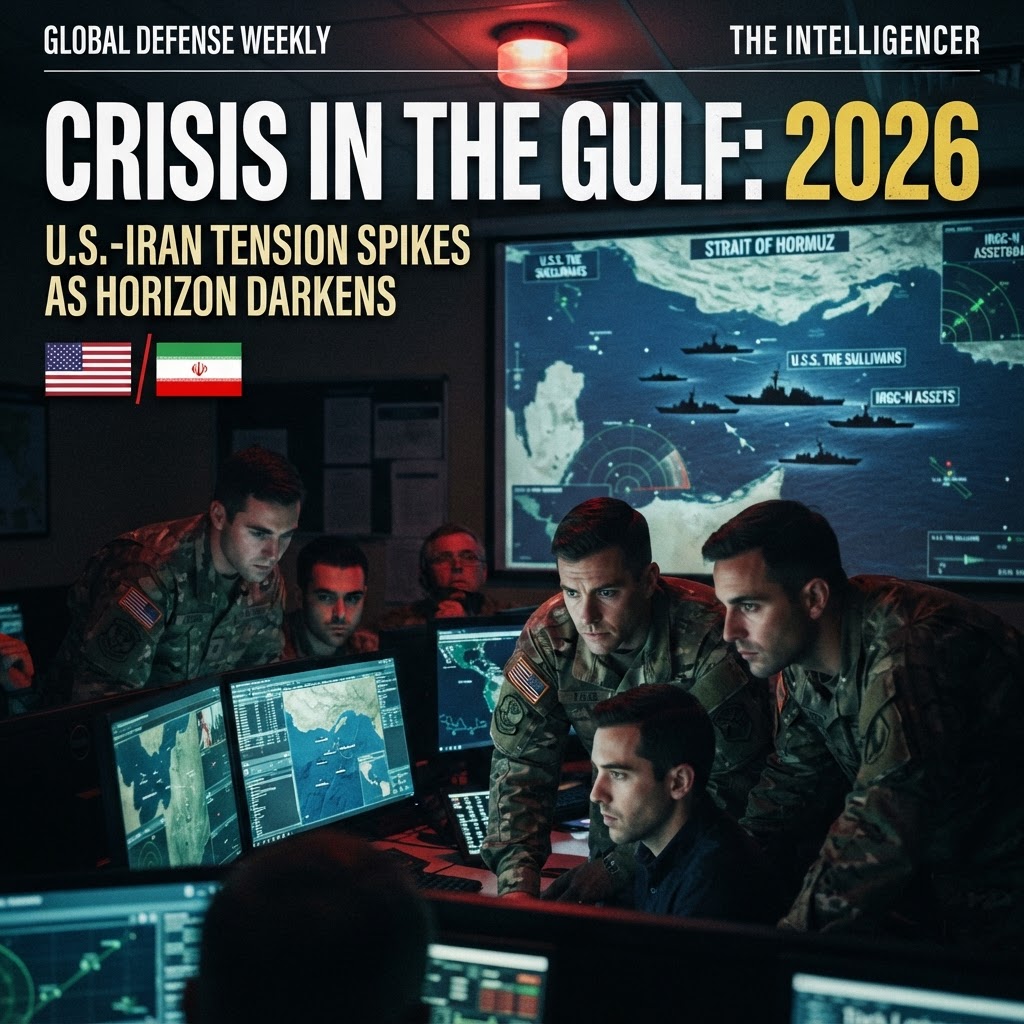
Breaking News
President Donald Trump says new talks tied to Iran are expected to begin as soon as Monday, after the United States paused what he described as a potentially massive new strike. But the pause has not eased the sense of danger. Instead, it has sharpened the central question hanging over Washington, Tehran and the wider region: is this the start of de-escalation, or just a brief pause before a larger confrontation?
According to public statements and multiple reports reviewed by The New Dispensation, Trump presented the halted action as leverage for a quick deal focused on the Strait of Hormuz and Iran’s nuclear program. At the same time, reports indicate the United States and Israel had been weighing a much harsher round of attacks targeting major Iranian energy infrastructure.
That combination — threats of overwhelming force, back-channel diplomacy and uncertain military positioning — has kept global attention fixed on the Gulf and left both allies and adversaries bracing for what comes next.
What Trump Is Signaling
Trump’s public message has been two-sided: the White House is talking about negotiations, but it is also emphasizing that military force remains on the table.
The president said a major attack was ready before being put on hold. He has framed the pause as proof that pressure is working, arguing that Tehran is being pushed toward a deal. Reports also suggest Gulf allies urged Washington to avoid another immediate strike, reflecting fears that a wider conflict could ignite energy markets and put more regional targets at risk.
Even so, the pause has done little to erase concern. The administration has not fully resolved questions about force posture in the region, long-term military aims or how much room remains for diplomacy if talks stall quickly.
Iran’s Reaction: Defiant, Alert and Cautious
Iran’s public response has been firm and carefully calibrated.
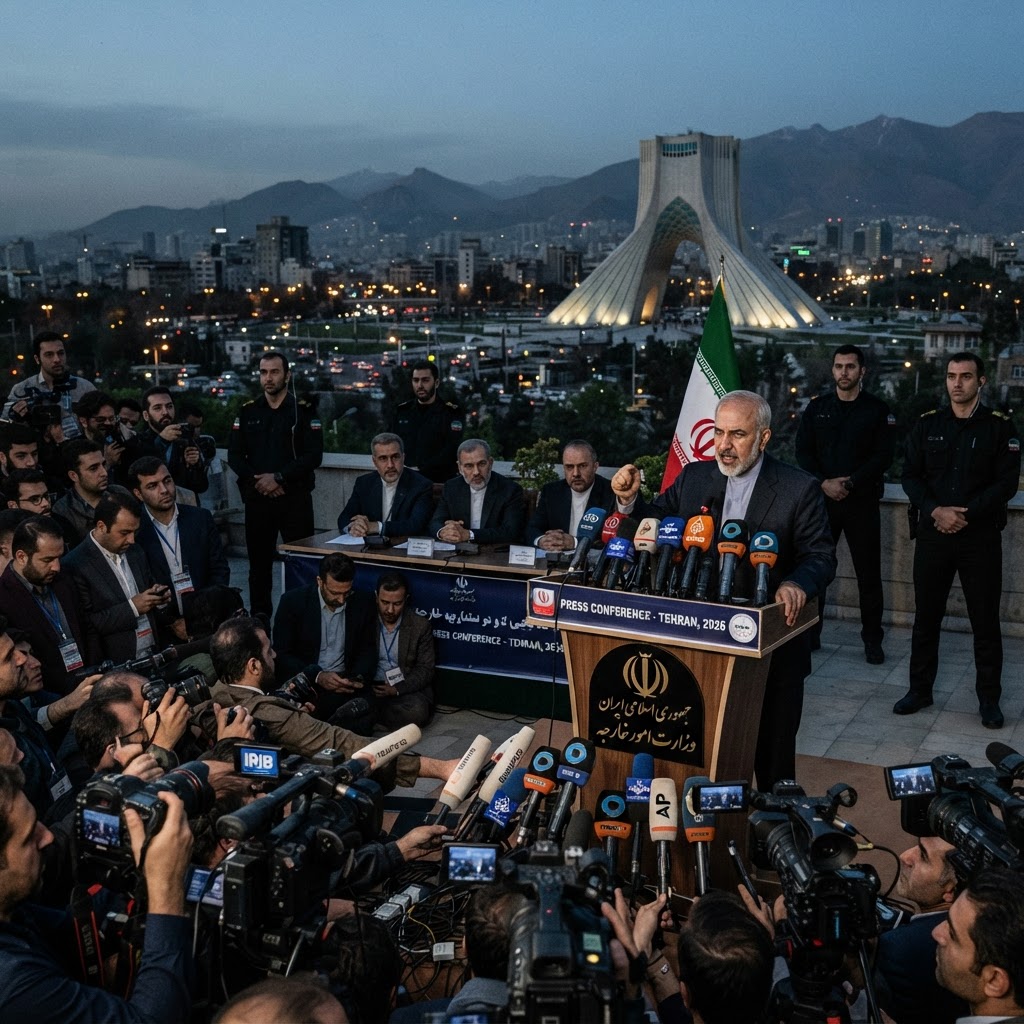
Tehran has rejected the idea that it is negotiating directly with Washington at this stage, while signaling that discussions involving Oman over safe passage and the future of the Strait of Hormuz remain active. Iranian officials have also insisted the country is on alert and will not absorb new pressure passively.
That message matters. Iran appears determined to project resilience, avoid appearing cornered and preserve leverage over one of the world’s most important shipping chokepoints. Officials have indicated that the Strait will not simply return to its old status without broader security understandings.
In practical terms, Iran’s position amounts to this: it may still leave space for diplomacy, but it wants that diplomacy to happen on terms that acknowledge the costs already imposed by the conflict.
Why the Strait of Hormuz Remains the Pressure Point
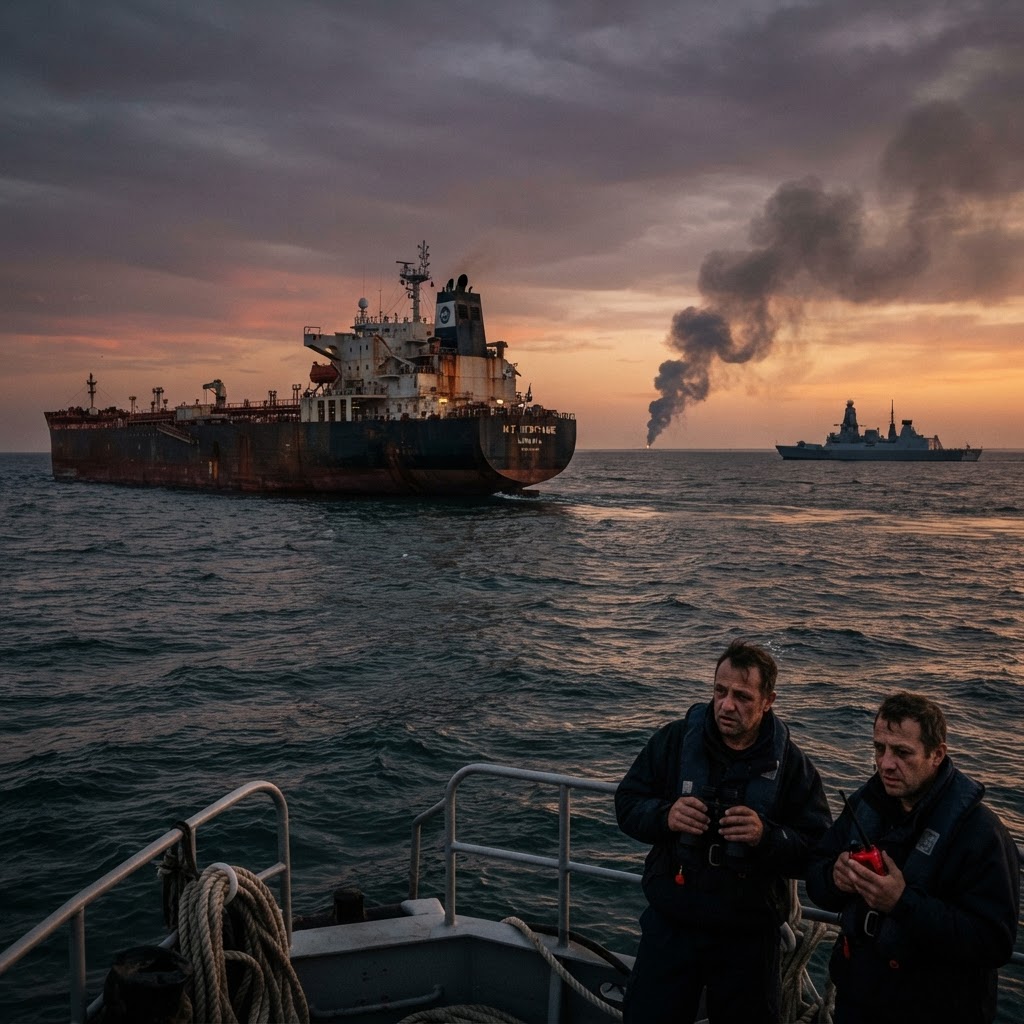
The Strait of Hormuz is not just another headline. It is one of the most strategically important waterways on earth, and any disruption there sends instant shockwaves through oil shipping, insurance markets and political calculations in capitals far from the Gulf.
That is why every new statement from Washington or Tehran reverberates so quickly. A threatened strike on energy infrastructure, a warning about shipping lanes, or even vague comments about military deployments can move markets, increase anxiety among allies and deepen fears of retaliation across the region.
For the United States, the challenge is obvious: forceful pressure can look strong in the short term, but it also raises the risk of a costly regional spillover that is difficult to contain.
How Americans Are Reacting
Inside the United States, the reaction is tense, divided and increasingly personal.
Some Americans see Trump’s hard line as necessary deterrence, especially if it leads to reopened shipping lanes and a narrower path away from a broader war. Others see the moment as another dangerous Middle East escalation with unclear goals, mounting costs and too little public explanation.
The public mood is being shaped by several pressures at once:
- concern over whether American troops could be pulled into a deeper confrontation;
- frustration over the lack of clear, detailed public briefings;
- fear that another Middle East shock will drive up gasoline and household costs;
- exhaustion with open-ended conflict after months of instability.
Lawmakers in Washington are also voicing unease. Some members of Congress have called for far more transparency from the Pentagon and the White House, arguing that Americans deserve a fuller picture of the risks, the strategy and the potential price of escalation.
The Political Risk for Washington
The biggest political problem for the administration may be that this crisis is no longer just about foreign policy. It is now intersecting directly with cost-of-living pressure, public trust and war fatigue at home.
If the White House can point to a credible diplomatic breakthrough, Trump will argue that coercive pressure forced Tehran to the table. But if talks collapse and the United States moves back toward direct military action, the administration will face tougher questions about whether it used brinkmanship without a clear exit.
That is especially true because the public has already been told that an enormous strike was possible. Once that threshold is raised, every subsequent move is judged against the possibility of a much larger war.
What to Watch Next
The next 24 to 72 hours are critical.
Watch for three things:
- whether the reported talks produce any visible framework on shipping through Hormuz;
- whether Tehran’s public tone hardens into concrete military signaling;
- whether Washington offers clearer evidence that this is real diplomacy and not merely a countdown to another strike.
For now, the immediate attack may be off the table. But the crisis is far from over.
The region is still armed, the rhetoric is still sharp and the American public is still waiting to learn whether this moment marks a step back from war — or only a pause before the next escalation.


Comments (0)
Be the first to share your thoughts!
Your voice matters. Every comment helps build our community.
Discussion Starters
No comments yet. Be the first to share your thoughts!