




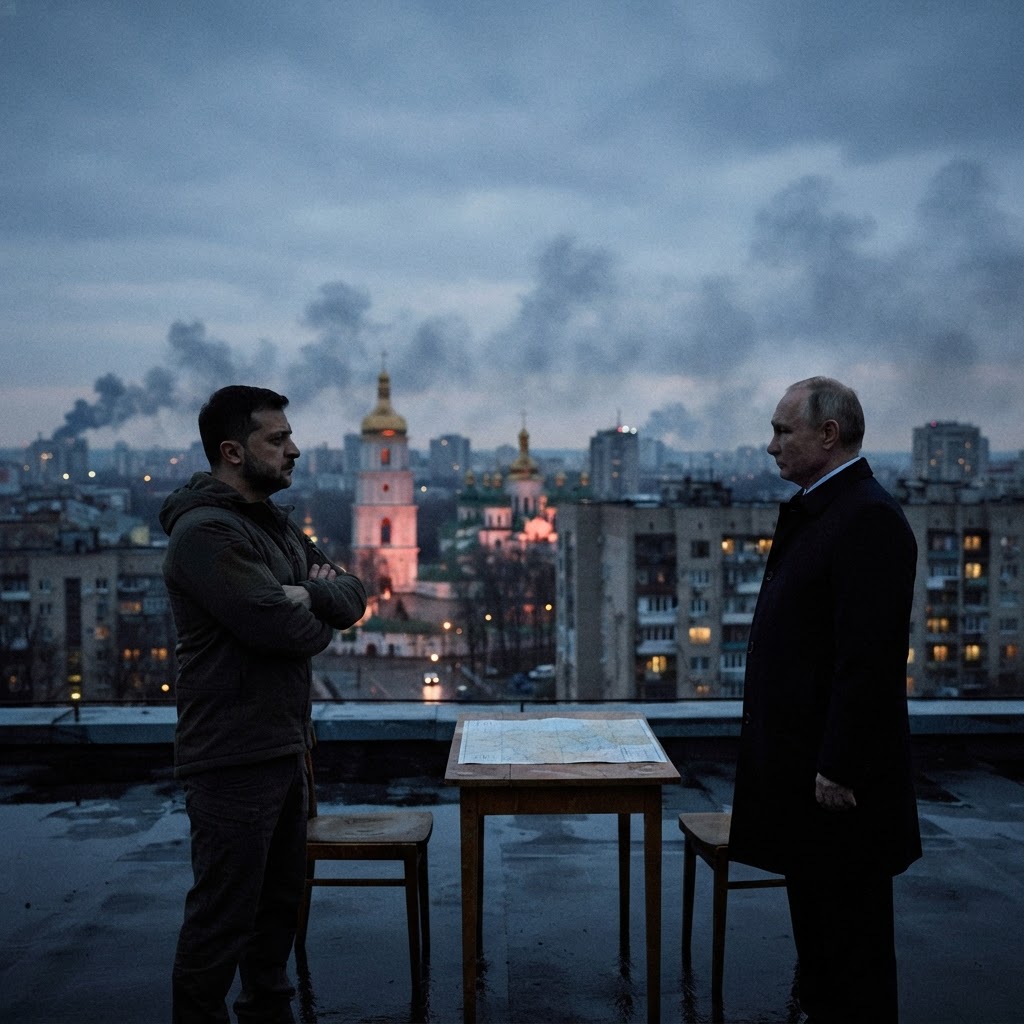
A war that now defines the region
Russia’s war against Ukraine is no longer only a battlefield contest between Moscow and Kyiv. It has become the central force reshaping Eastern Europe’s politics, security strategy and economic future. Every new Russian strike, every Ukrainian countermeasure and every diplomatic statement from Vladimir Putin or Volodymyr Zelensky now ripples outward across the region, affecting states far beyond the front lines.
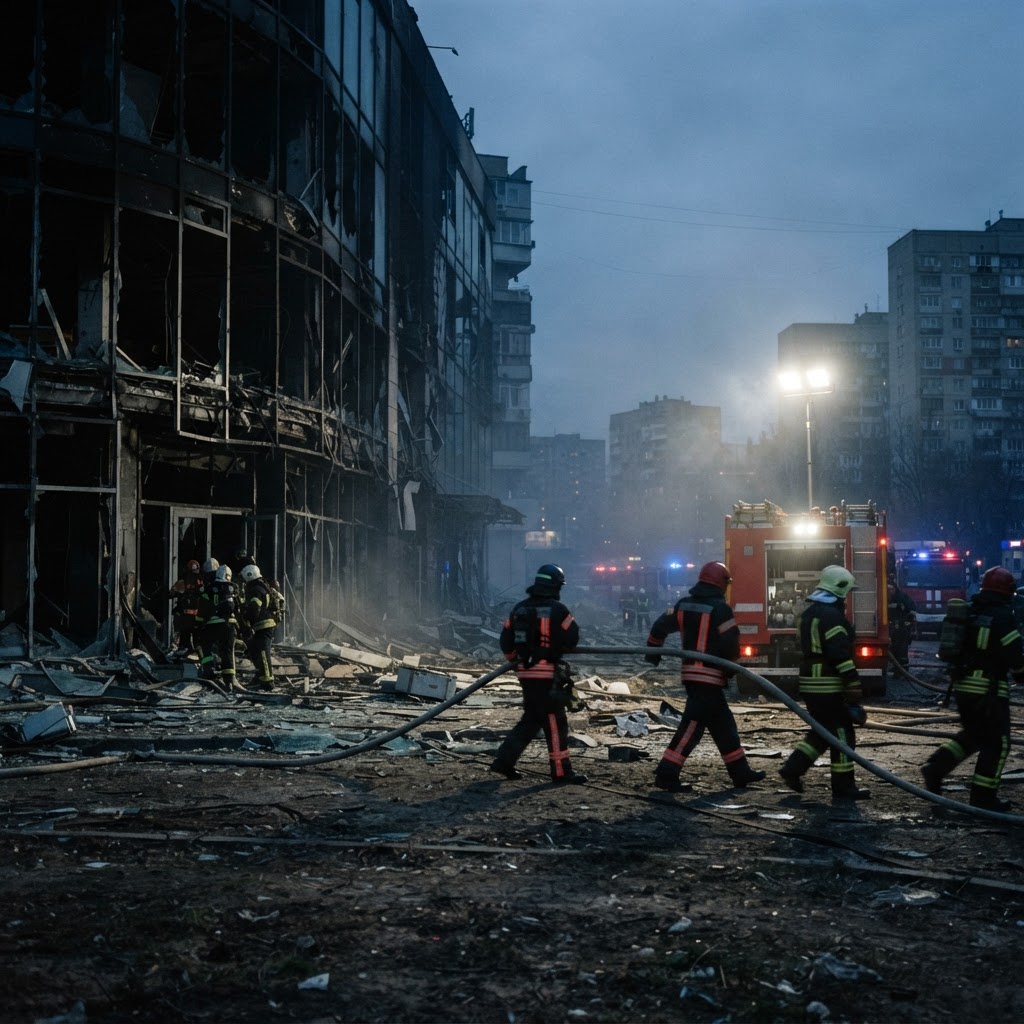
What began as a full-scale invasion has evolved into a grinding conflict with consequences that touch borders, energy systems, refugee networks, defence budgets and democratic stability throughout Eastern Europe. The longer the war continues, the more it changes not only Ukraine’s future, but the regional order that existed before it.
Putin is signaling endurance, not retreat
Recent assessments suggest Putin is continuing to frame the war as a long national effort rather than a limited military campaign. The Kremlin’s language has increasingly emphasized sacrifice, societal mobilization and the need for lasting unity behind the Russian war effort. That matters because it signals that Moscow is still trying to normalize a prolonged conflict inside Russia while sustaining pressure on Ukraine militarily and psychologically.
For Eastern Europe, that means the threat environment remains active even where borders are not directly under attack. Countries across the region must now think in terms of endurance, deterrence and resilience rather than short-term crisis management. Putin’s strategy is not only about territorial control. It is also about wearing down Ukraine and testing whether the wider region can absorb permanent instability.
Zelensky’s message is one of survival and reach
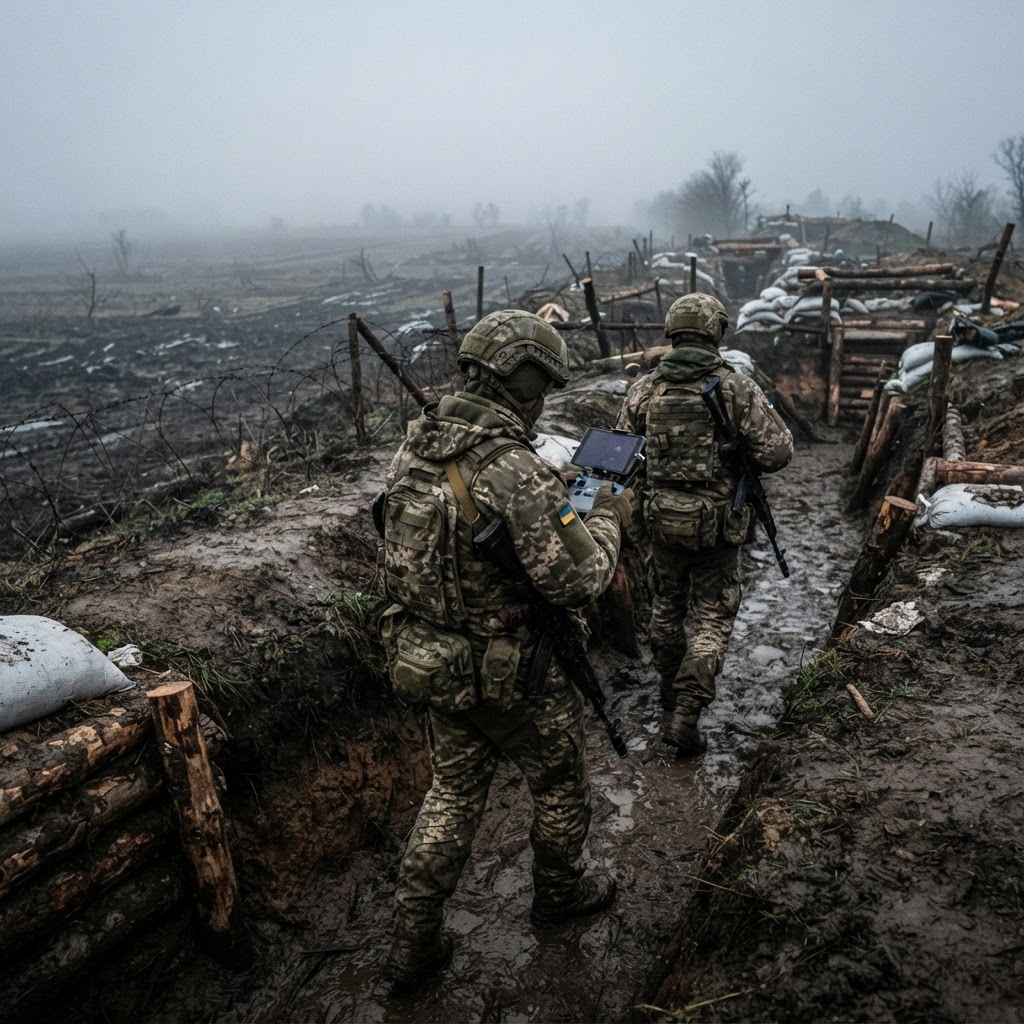
Zelensky, meanwhile, continues to present Ukraine’s struggle as both a fight for national survival and a wider defence of European security. Ukrainian operations, including long-range strikes and persistent frontline resistance, are intended to show that Kyiv still has the ability to impose costs on Russia even under extreme pressure. Zelensky’s political challenge is to preserve both domestic resolve and international backing while Ukraine endures another phase of attritional war.
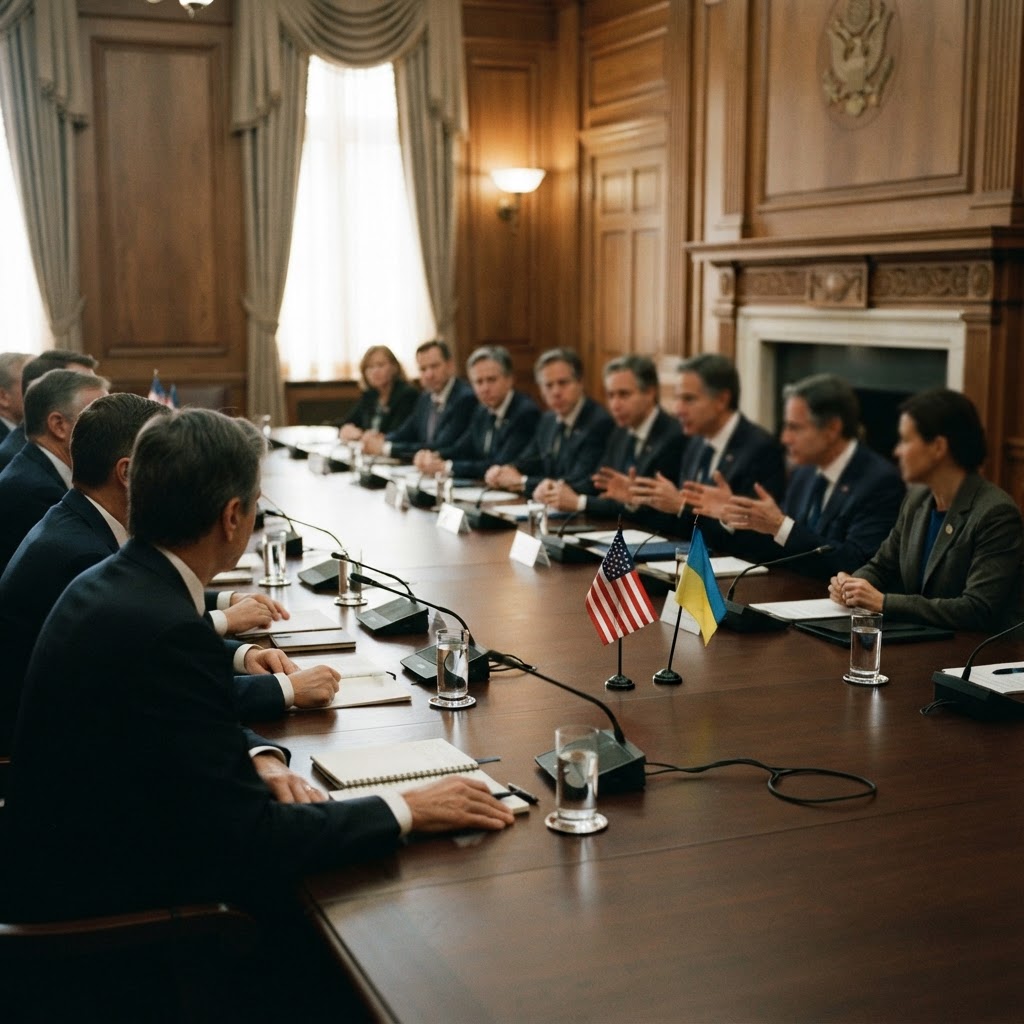
That effort matters well beyond Ukraine itself. In much of Eastern Europe, Ukraine’s resistance is seen as the front line of a broader regional defence. If Kyiv can hold, other states feel safer. If Ukraine weakens dramatically, the strategic anxiety throughout Eastern Europe rises immediately.
Eastern Europe is living with the war every day
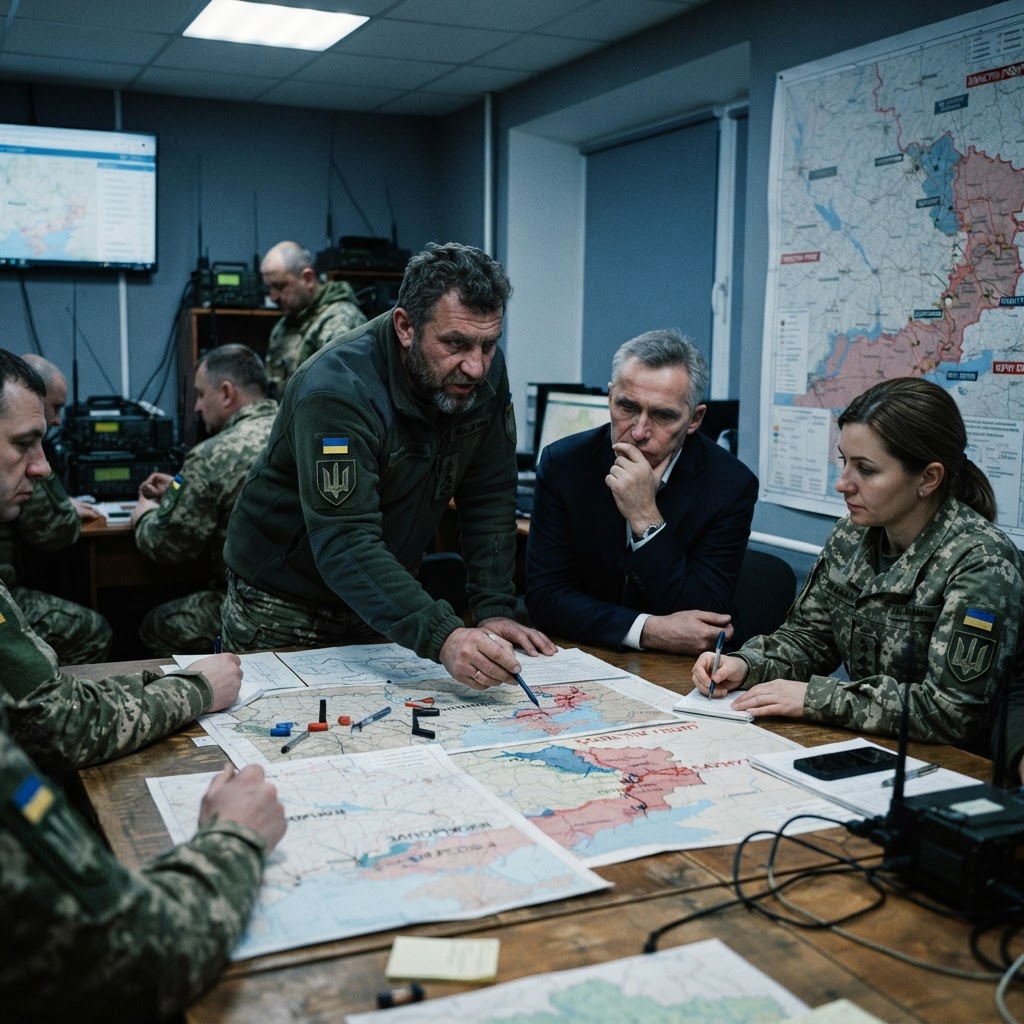
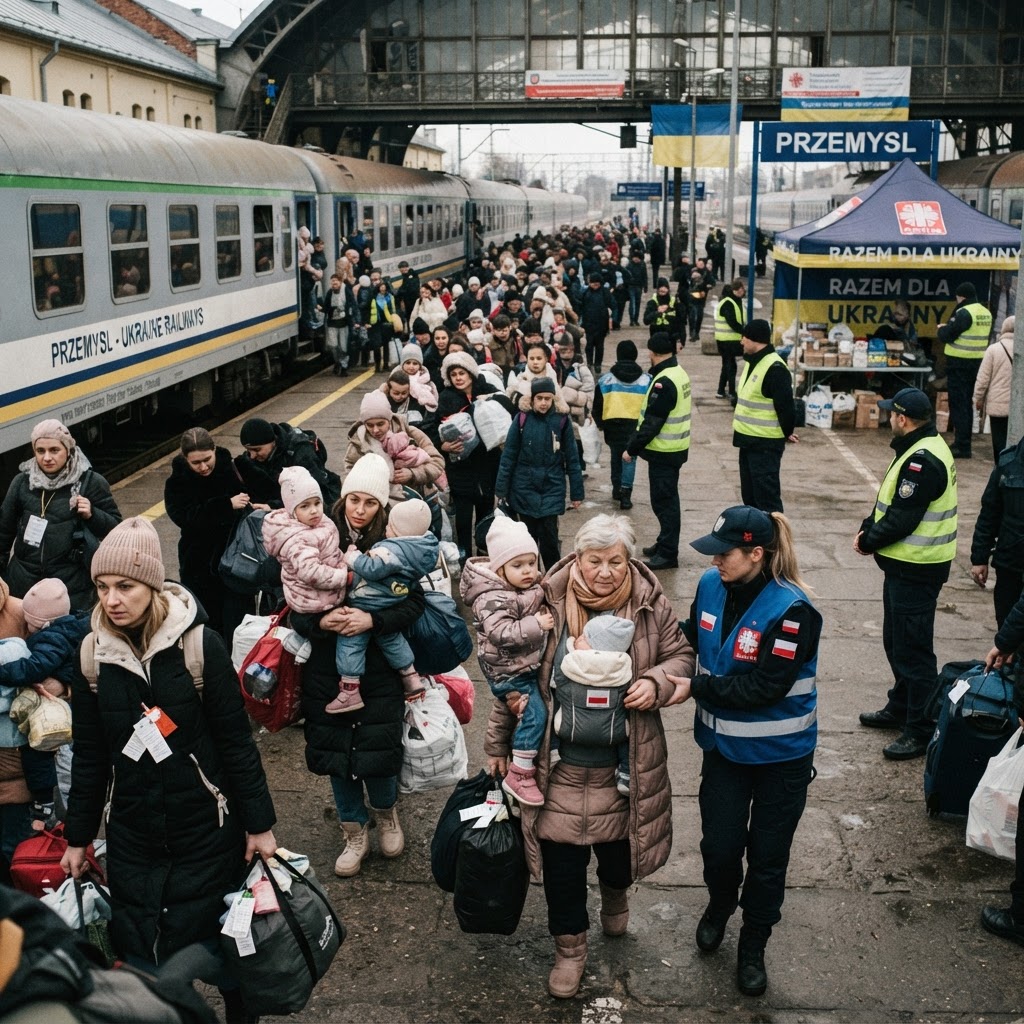
The impact of the war on Eastern Europe extends far beyond military planning rooms. Cities and towns across the region continue to absorb refugees, adapt transport systems, strengthen border logistics and adjust national budgets around defence and emergency preparedness. Political debate in many countries now revolves around questions that would once have seemed extraordinary: how much to spend on security, how to manage energy vulnerability, how to prepare civilians for prolonged regional instability and how to maintain social cohesion while external pressure remains high.
The war has also accelerated a strategic shift in how Eastern European states see themselves. Security is no longer treated as a background condition guaranteed by past assumptions. It is now viewed as something that must be constantly built, funded and defended.
The economic cost is regional too
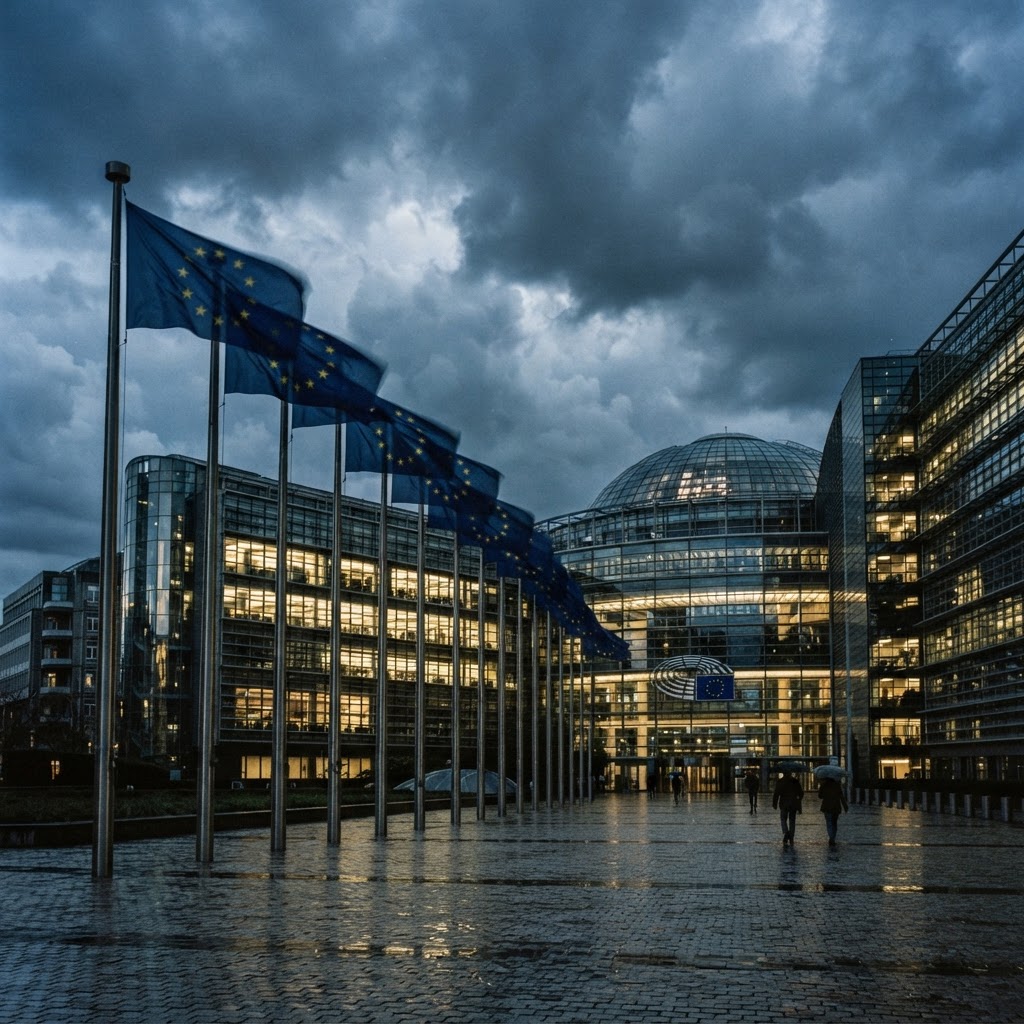
Even countries not directly at war are paying a price. Trade flows, investment sentiment, infrastructure planning and energy confidence have all been affected by the conflict’s persistence. Uncertainty spreads quickly in a region where geography matters and where any escalation can alter transport routes, market behavior and public expectations overnight.
This is why the war remains such a defining issue for Eastern Europe’s future. It is not only about territory in Ukraine. It is about whether the region can preserve economic confidence and political stability while living next door to an open-ended war.
No easy ending is in sight
The most sobering reality is that neither Putin nor Zelensky is operating as though a quick settlement is near. Moscow continues to signal resolve. Kyiv continues to resist and adapt. That combination makes the conflict feel less like an emergency with a near endpoint and more like a structural fact of life for Eastern Europe.
For the region, the question is no longer whether the war will leave lasting marks. It already has. The question is how deep those marks will become, and whether Eastern Europe can emerge from this period stronger, more coordinated and more secure than the order the war shattered.
Comments (0)
Be the first to share your thoughts!
Your voice matters. Every comment helps build our community.
Discussion Starters
No comments yet. Be the first to share your thoughts!