




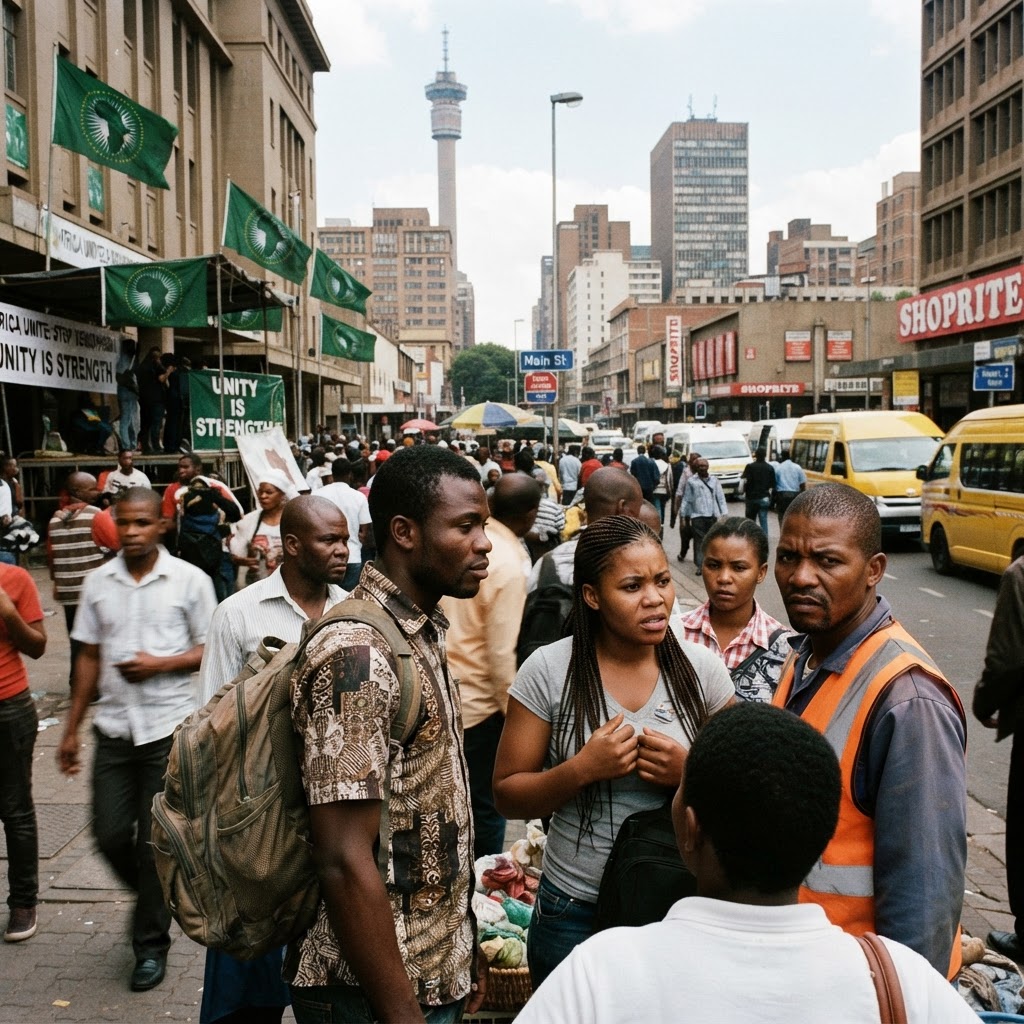
A regional problem is becoming a continental test
Xenophobia in South Africa is once again becoming more than a domestic political issue. It is increasingly a continental diplomatic test, with Nigeria, Liberia, Ethiopia and Kenya watching closely as pressure grows for the African Union to play a more visible role. What begins as intimidation, anti-migrant rhetoric or violence on the ground does not stay local for long. It reaches families across borders, unsettles business networks, damages trust between governments and raises questions about whether African unity can withstand renewed nationalism in a time of economic stress.
Recent debate around attacks and intimidation targeting African nationals has sharpened that concern. South African officials have pushed back against the idea that the country tolerates such abuses, while other African voices have argued that condemnation alone is no longer enough. The result is a widening political argument not just about law and order, but about citizenship, regional solidarity and the meaning of free movement on a continent that speaks often of integration.
Why South Africa matters so much in this debate
South Africa occupies a unique place in Africa’s political and economic imagination. It is one of the continent’s largest economies, a major destination for migrants and traders, and a country whose liberation story once symbolized pan-African solidarity. That history makes repeated xenophobic tension especially painful for many across the continent. For workers, students, traders and families from countries such as Nigeria, Liberia, Ethiopia and Kenya, South Africa has long represented opportunity. When migrants instead face harassment or fear, the damage is felt not only in townships and city centers, but across Africa’s wider public mood.
The impact inside South Africa is also serious. Xenophobia deepens social division, discourages entrepreneurship, strains policing and weakens the country’s claim to moral leadership in continental affairs. It also creates economic harm by disrupting informal trade, reducing investor confidence in stability at the local level and making communities less willing to cooperate across national lines.
Nigeria, Kenya, Ethiopia and Liberia are watching closely
Nigeria has often been one of the loudest voices when African migrants are targeted in South Africa, partly because of the size of its diaspora and partly because of its political weight on the continent. Kenya and Ethiopia, both central to East African diplomacy and commerce, are also alert to what these tensions mean for mobility, student exchanges, business travel and broader regional trust. Liberia, though smaller, represents another important voice in the wider West African concern that African citizens should not be treated as outsiders simply for seeking safety or opportunity elsewhere on the continent.
For all these countries, the issue is not only the immediate safety of their nationals. It is also whether Africa’s institutions can respond quickly and credibly when one part of the continent feels targeted by another. If that trust breaks down, the long-term cost may be measured in fewer opportunities, weaker continental cooperation and more suspicion between neighbors.
The African Union is under pressure to do more
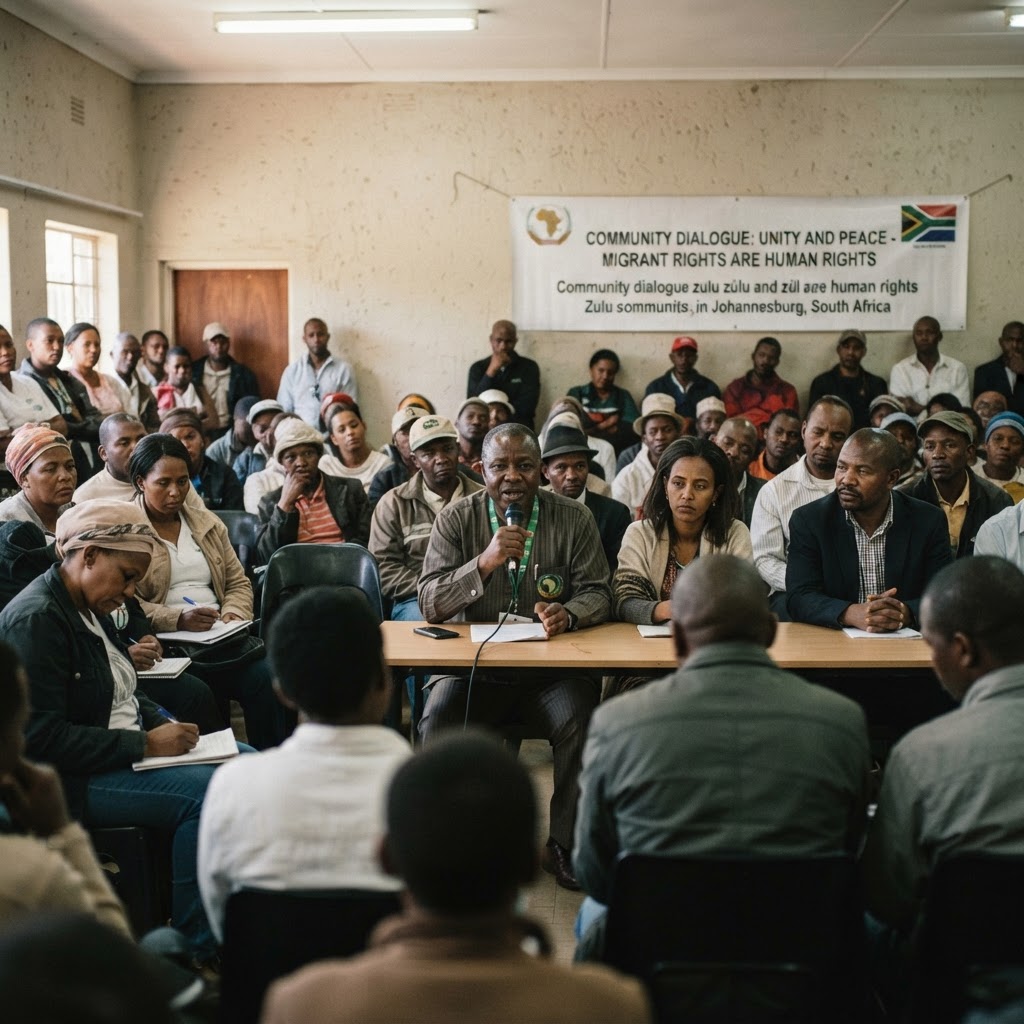
The African Union has repeatedly championed integration, trade, mobility and unity. But moments like this test whether those principles can be defended when political tensions turn inward. Calls for fact-finding, debate and stronger coordination are growing because many Africans want to see not only statements of concern, but a clearer continental mechanism for preventing xenophobic escalation before it turns into crisis.
The AU’s challenge is delicate. It must respect national sovereignty while also protecting the broader vision of an Africa where movement, exchange and solidarity are treated as strengths rather than threats. That means the conversation cannot stop at diplomatic messaging. It must also involve local prevention, public education, stronger law enforcement against targeted violence and visible support for affected communities.
Xenophobia is also an economic issue
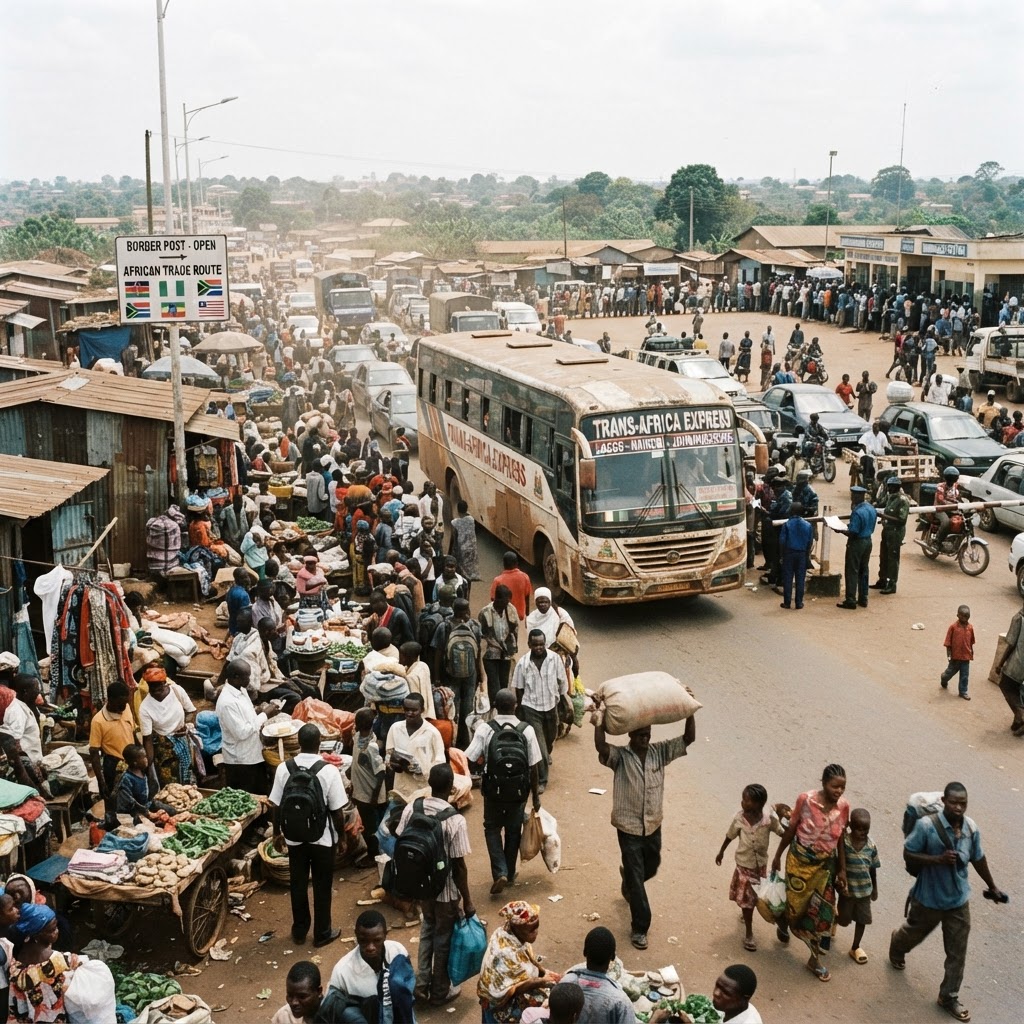
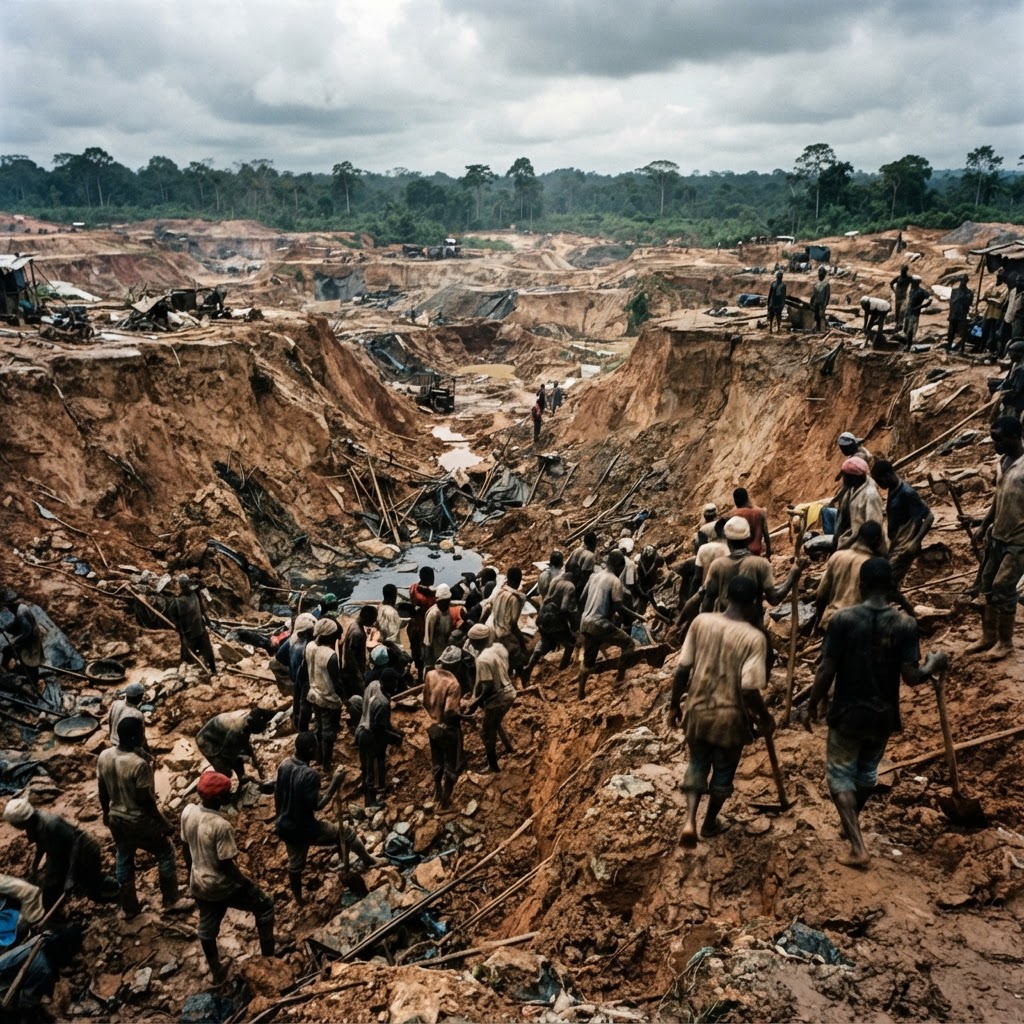
The consequences of xenophobia are not only moral and political. They are economic. Across Africa, migrants sustain trade routes, run small businesses, support logistics networks and help move skills from one market to another. When they are threatened, commerce slows. Markets become less resilient. Households lose income. Young people who might have pursued legal opportunity instead face fear and uncertainty.
That matters for South Africa, but it also matters for the wider continent. The promise of the African Continental Free Trade Area and deeper regional cooperation depends on trust. No trade agenda can fully succeed if ordinary Africans believe they may be welcomed in speeches but rejected in practice.
The continent’s response will shape more than this moment
The deeper question raised by South Africa’s xenophobia tensions is whether Africa can build a future that is genuinely continental in spirit. Nigeria, Liberia, Ethiopia, Kenya, South Africa and the African Union all have different interests, but they share a stake in the same answer. If xenophobia is allowed to harden into a recurring pattern, it will erode not only safety, but the credibility of Africa’s integration project itself.
If, however, this moment produces firmer protection for migrants, stronger cross-border diplomacy and more honest national leadership, it could become a turning point. The issue before Africa is not simply how to respond to a new wave of tension. It is whether the continent can defend the idea that African belonging does not end at a national border.



Comments (0)
Be the first to share your thoughts!
Your voice matters. Every comment helps build our community.
Discussion Starters
No comments yet. Be the first to share your thoughts!