




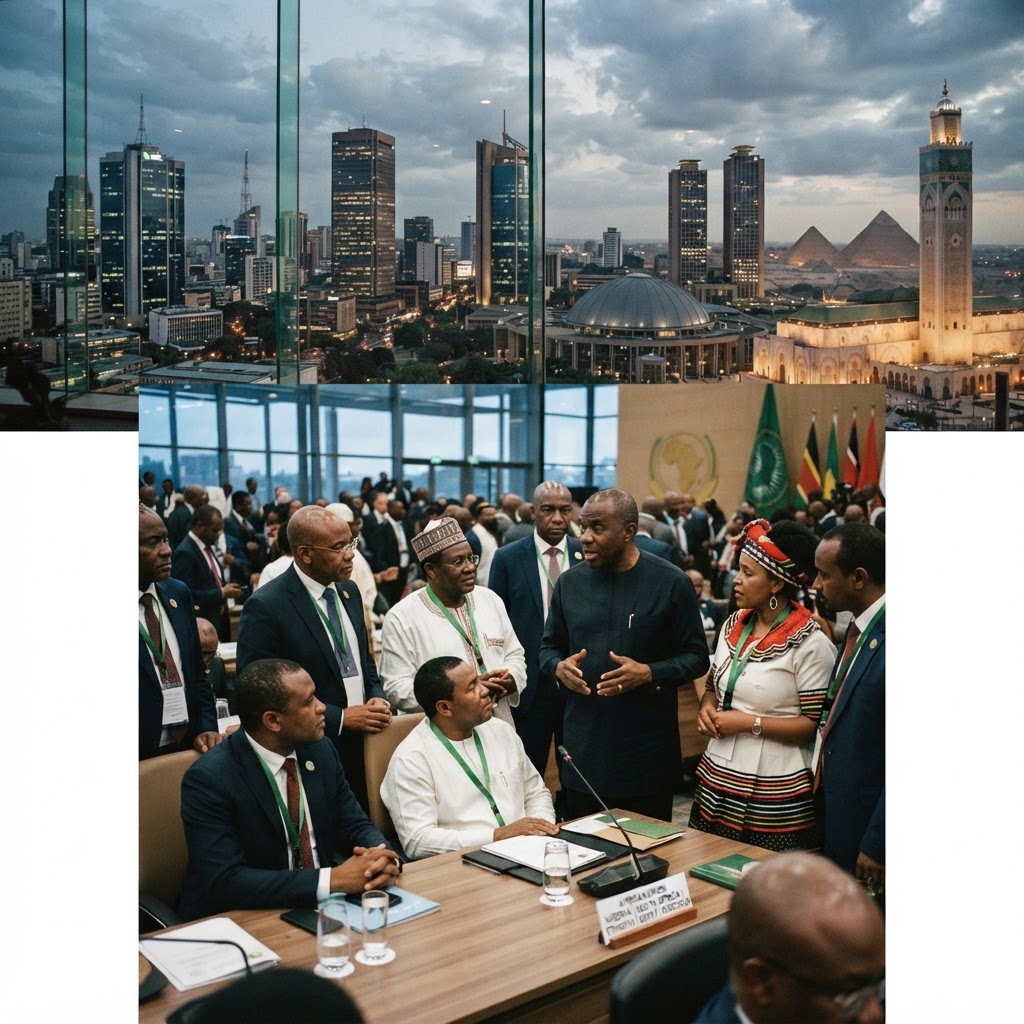
Africa’s headlines on Thursday tell a story of a continent managing several kinds of pressure at once: insecurity, rising economic strain, environmental alarm, maritime risk and big diplomatic questions that increasingly cross borders.
From Nigeria to South Africa, from Kenya and Ethiopia to Egypt and Morocco, the picture is not one single continental crisis but a series of serious tests unfolding at the same time. Over all of it sits the African Union, whose Addis Ababa-based diplomacy remains the place where security, trade and regional coordination increasingly meet.
Nigeria: insecurity remains the defining pressure
Nigeria’s latest headlines remain dominated by security concerns. Reuters reported this week that at least 30 people were killed in a village attack in Kaduna state, another stark reminder of how armed violence continues to hit communities in the country’s northwest. For Abuja, these attacks are more than tragic local incidents; they reinforce a national sense that security remains the most urgent test of state capacity.
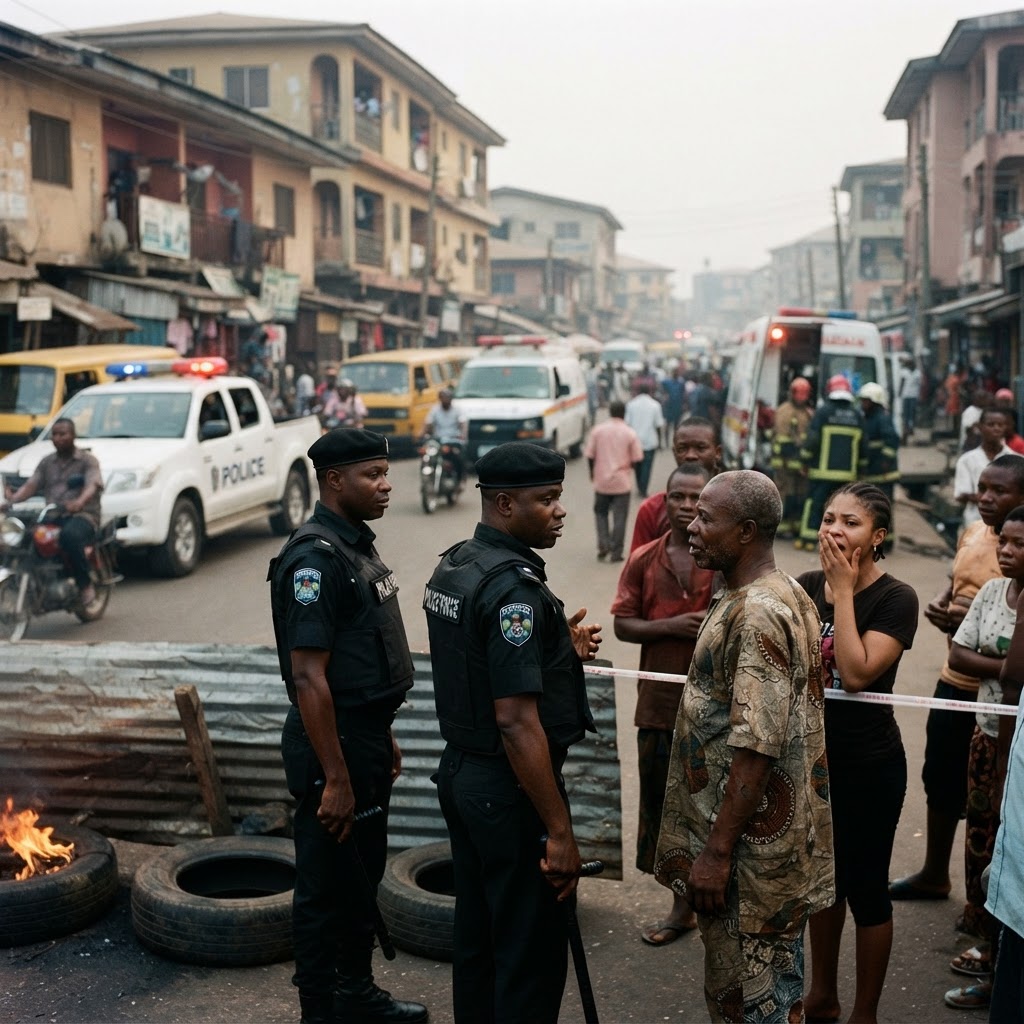
Nigeria is also linked to a separate regional tension involving the treatment of its nationals in South Africa. Reuters has reported both the repatriation of Nigerians after xenophobic attacks and Abuja’s demand that South African authorities do more to protect migrants. That means Nigeria’s current pressure is not only internal. It is also diplomatic.
South Africa: markets steady, households still strained
South Africa’s picture on Thursday is more financial, but still politically sensitive. Reuters reported that the rand was steady before fresh producer inflation and budget balance data, signaling a wait-and-see mood in financial markets. At the same time, Reuters also reported that retailer Woolworths warned of slower profit growth as conflict in the Middle East and higher interest rates weigh on consumers.
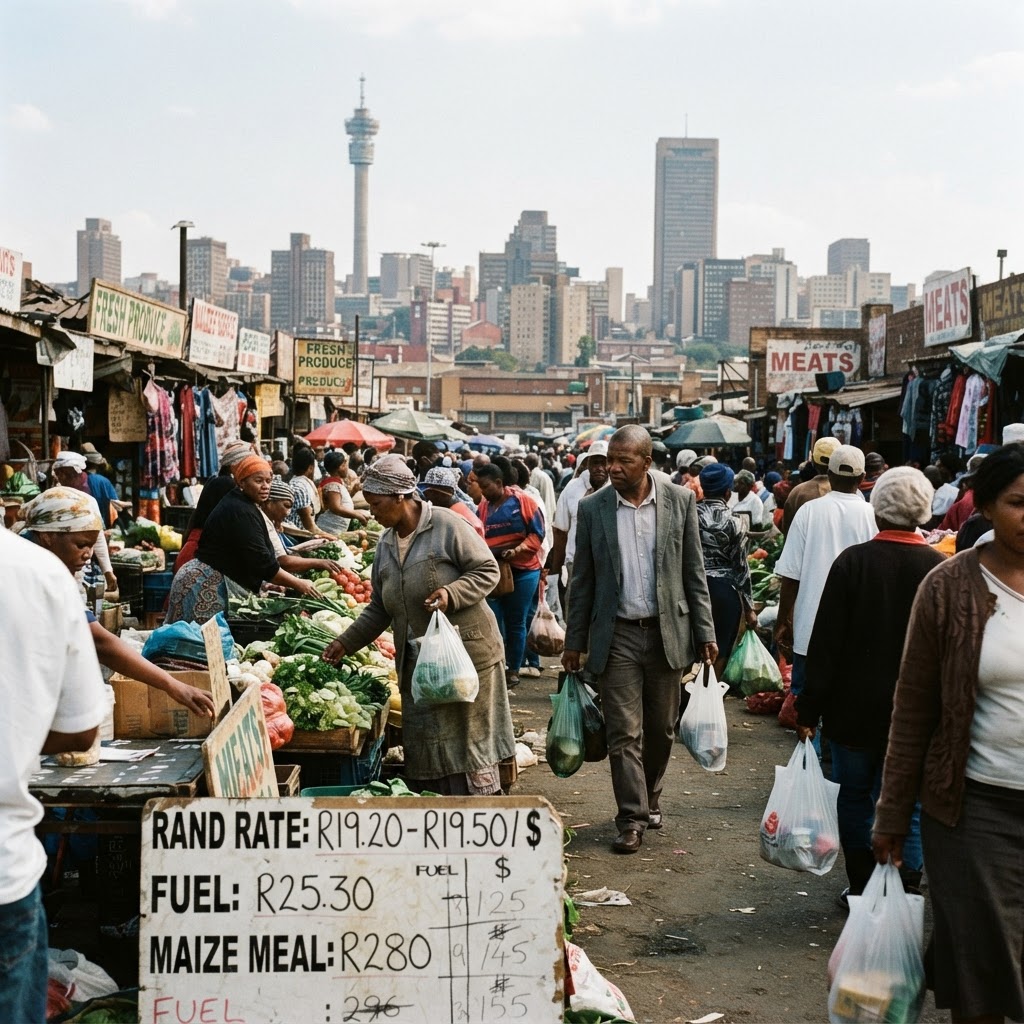
That combination matters. A stable currency can calm investors for a moment, but it does not by itself ease household pressure. For Pretoria, the challenge remains turning market resilience into economic relief people can actually feel.
Kenya: an environmental alarm with national resonance
Kenya’s biggest attention-grabbing headline has come from conservation. Reuters reported that authorities are probing a possible toxin after 15 elephants died in the Amboseli ecosystem. The story is striking because wildlife deaths in Kenya quickly become bigger than a conservation issue alone. They touch tourism, environmental enforcement, rural livelihoods and the country’s global image.
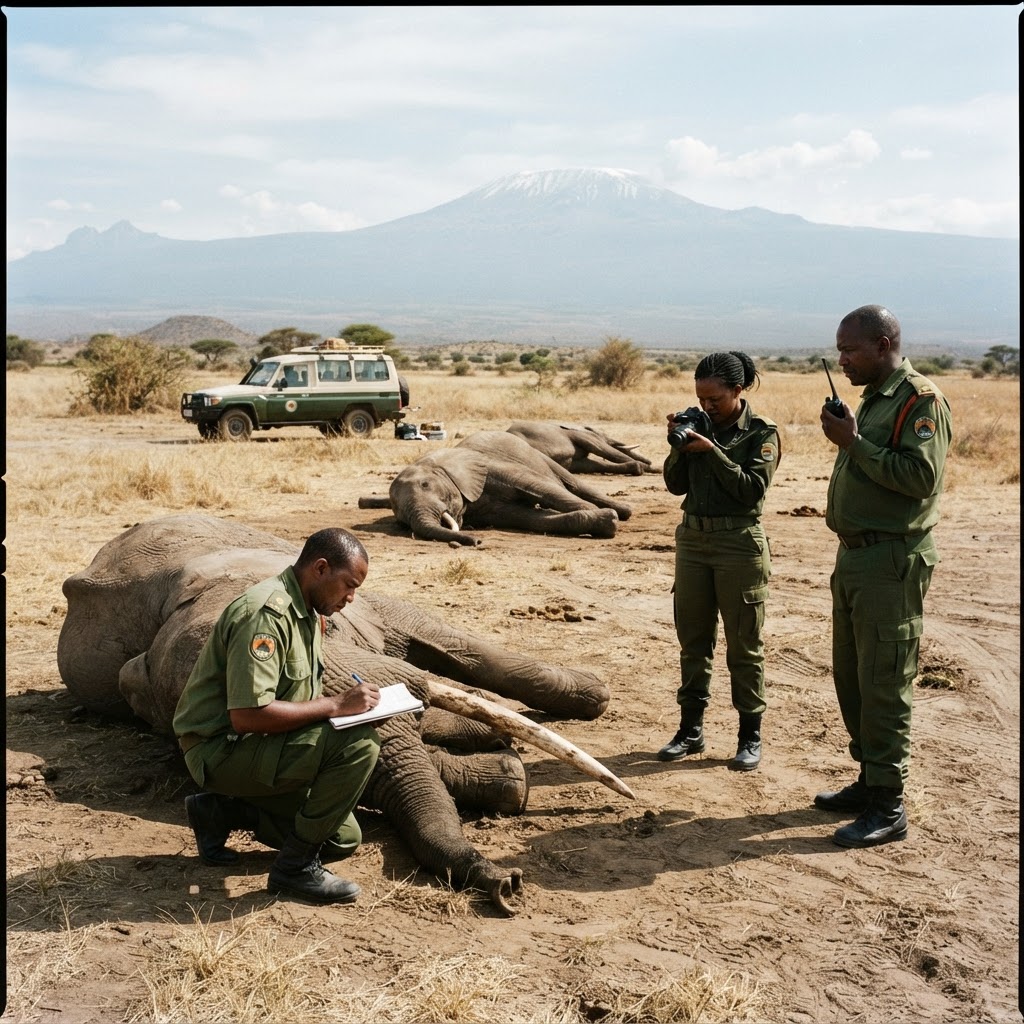
Kenya’s importance in regional diplomacy and trade has also grown in recent years, but today’s headline is a reminder that natural heritage and environmental protection remain part of the country’s political identity and economic story.
Ethiopia: debt, spending and regional weight
Ethiopia’s current story is defined by economic management and regional influence. Reuters has recently highlighted the country’s debt restructuring path and a preliminary agreement with bond investors, while also reporting that Ethiopian authorities expect higher public spending in the coming fiscal year. Together, those stories point to a government trying to maintain momentum while managing tight finances and heavy expectations.
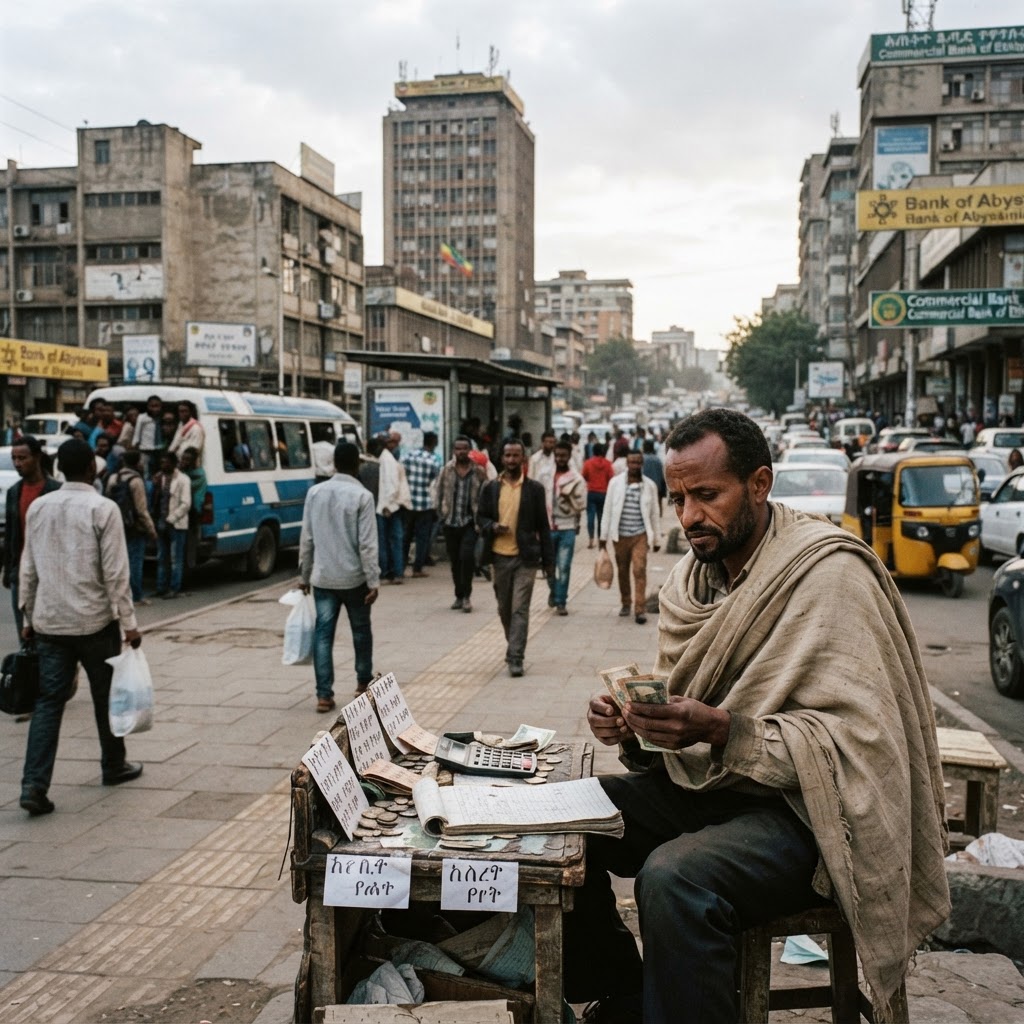
Because Addis Ababa also hosts the African Union, developments in Ethiopia often carry continental weight. Fiscal decisions there are watched not only for their domestic impact, but for what they signal about stability, diplomacy and confidence in one of Africa’s most strategically important states.
Egypt: Damietta attack raises maritime anxiety
Egypt’s headline is among the most alarming of the day. Reuters reported that a drone caused a fire on two gas vessels at Damietta port, raising concern over a new security threat near the Suez Canal. In a period already shaped by conflict in the wider Middle East, that makes Egypt’s story larger than a single port incident.
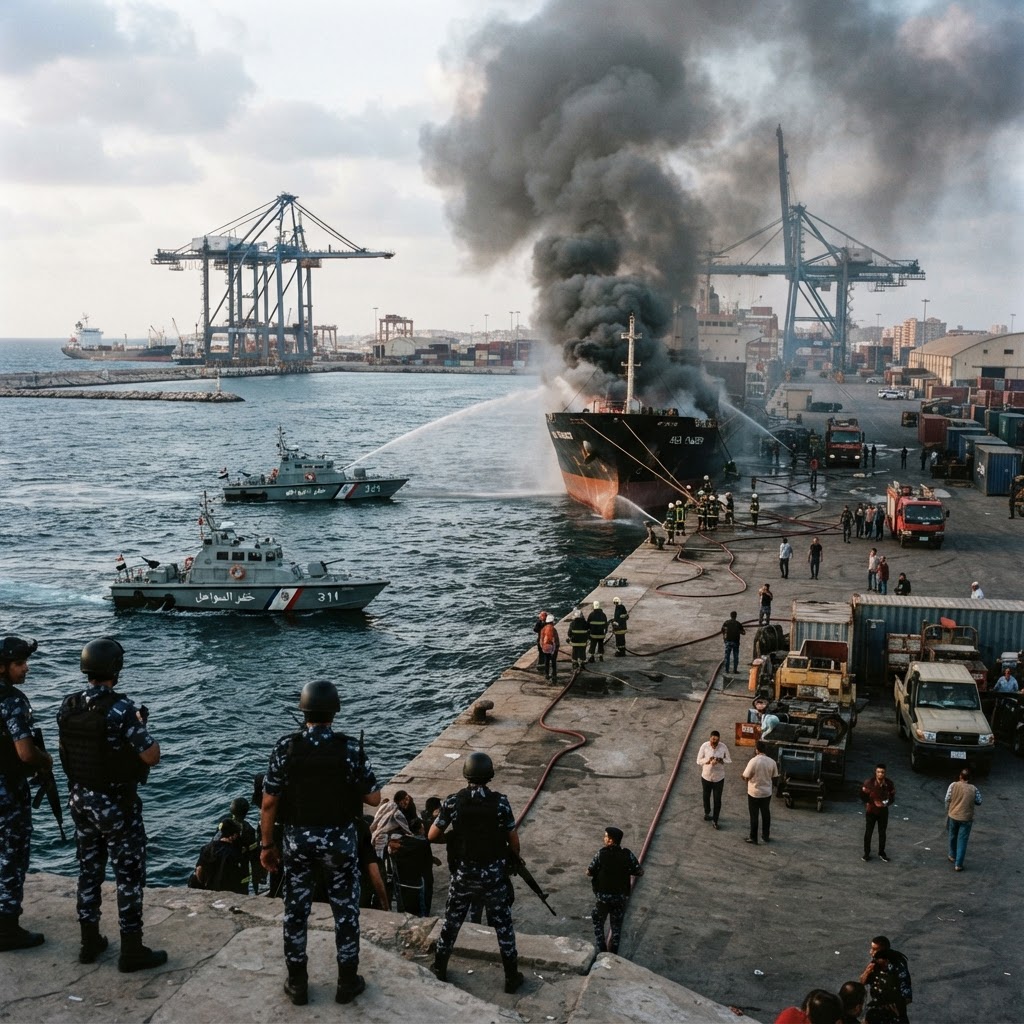
Egypt’s role as guardian of a critical shipping artery means even a limited strike can send a wider message about commercial risk, energy movement and the vulnerability of strategic infrastructure.
Morocco: modernization ambitions meet slower growth
Morocco’s recent headlines have combined ambition with caution. Reuters reported that the country plans to expand hotel capacity by 60,000 beds ahead of the 2030 World Cup, a sign of long-term confidence and infrastructure planning. But Reuters also reported that the World Bank expects Moroccan growth to slow to 4.2% in 2026, showing that big development plans are unfolding against a more restrained economic backdrop.
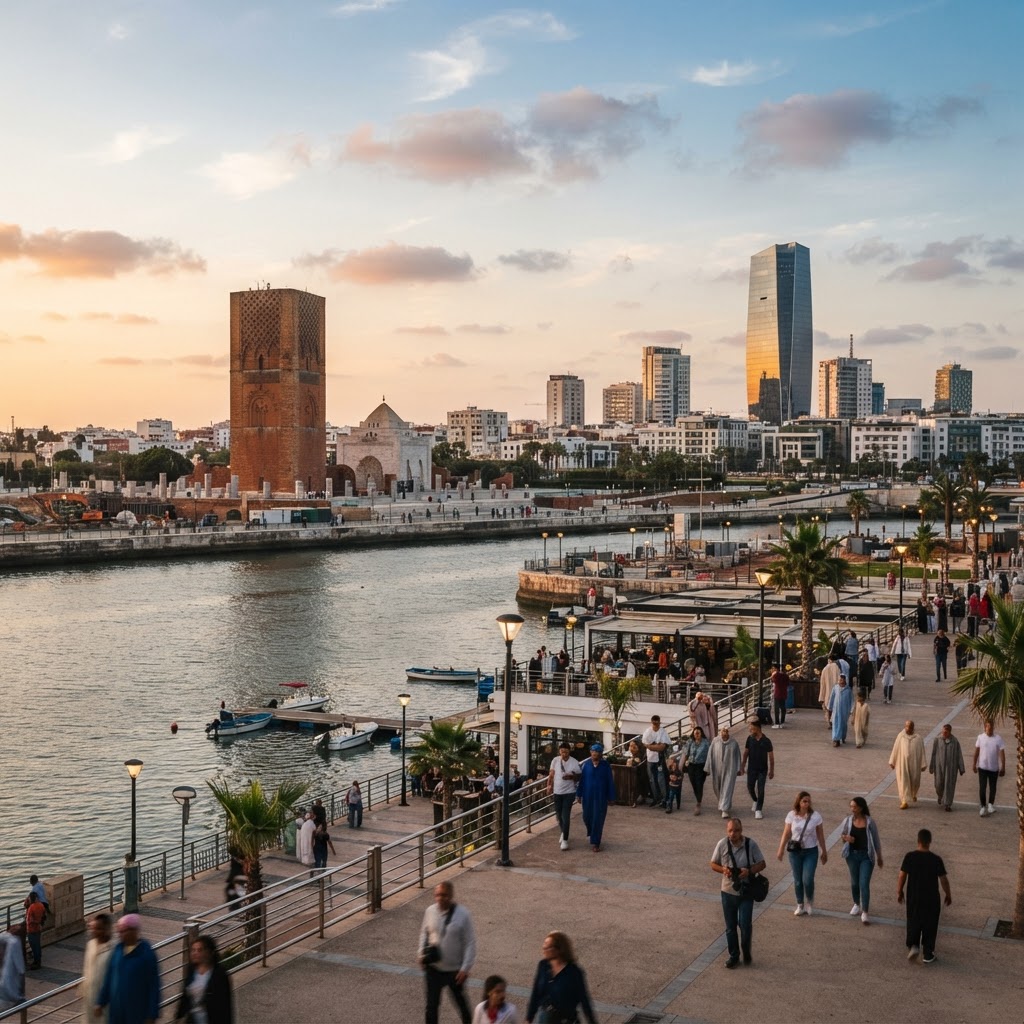
That balance is becoming a defining theme for Rabat: growth, tourism, infrastructure and international visibility on one side, and a more complicated global economic environment on the other.
African Union: the continental backdrop
The African Union is not just another institution in this story; it is the backdrop that connects many of these national pressures. With its headquarters in Addis Ababa, the AU remains the central forum for cross-border security coordination, diplomatic engagement and long-term continental planning. Recent AU-linked diplomacy has kept attention on foreign and security policy, water security and regional stability.
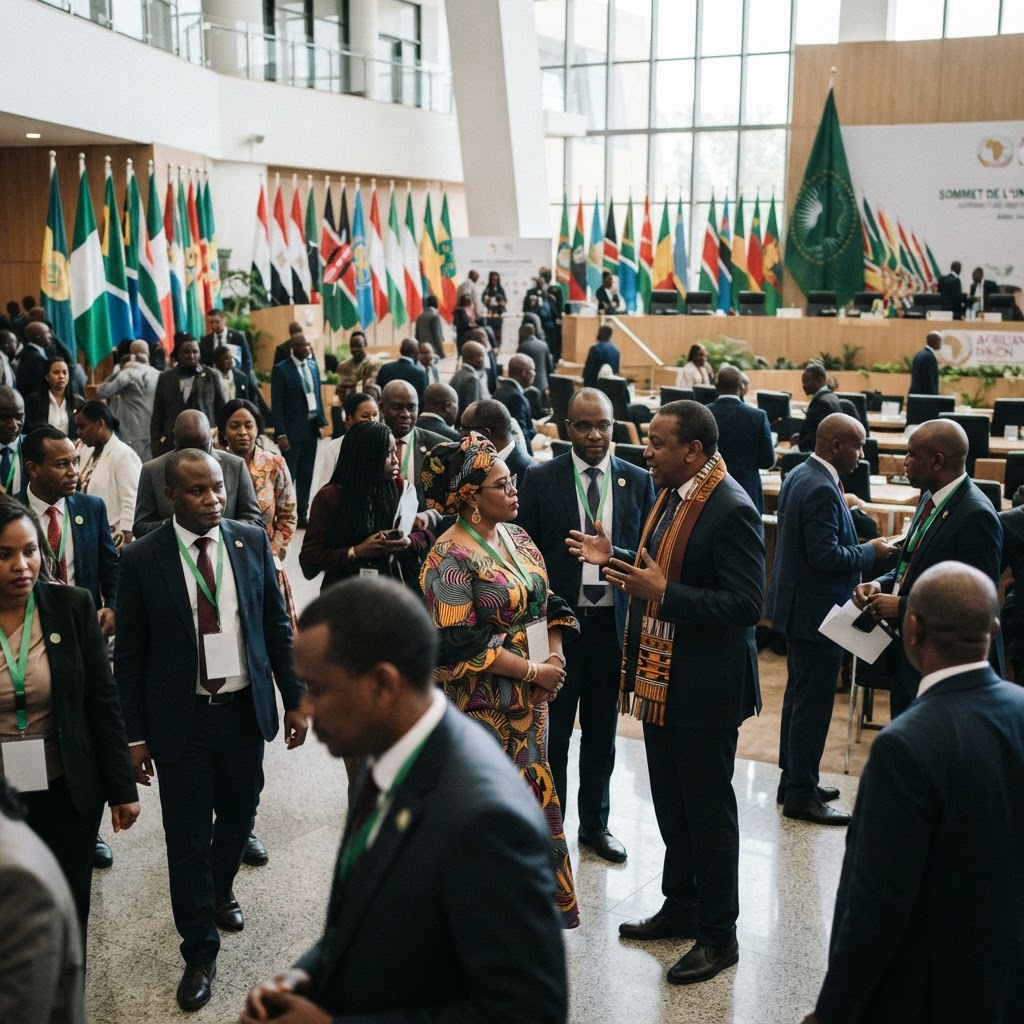
That matters because today’s headlines do not stay neatly inside borders. Nigeria’s insecurity, South Africa’s migration tensions, Kenya’s environmental alarm, Ethiopia’s fiscal position, Egypt’s port security and Morocco’s development push all feed into a wider African conversation about resilience, governance and regional cooperation.
The bigger picture
What stands out in Africa’s news today is the range of the pressures rather than the dominance of a single event. Security is still urgent. Economic strain is still real. Environmental shocks remain politically powerful. Strategic infrastructure is vulnerable. And regional diplomacy is becoming more important, not less.
That makes this a revealing day in African news. The continent’s leading states are not all facing the same test, but they are all being asked versions of the same question: how do you protect stability, growth and public confidence when the shocks keep arriving from different directions?


Comments (0)
Be the first to share your thoughts!
Your voice matters. Every comment helps build our community.
Discussion Starters
No comments yet. Be the first to share your thoughts!