




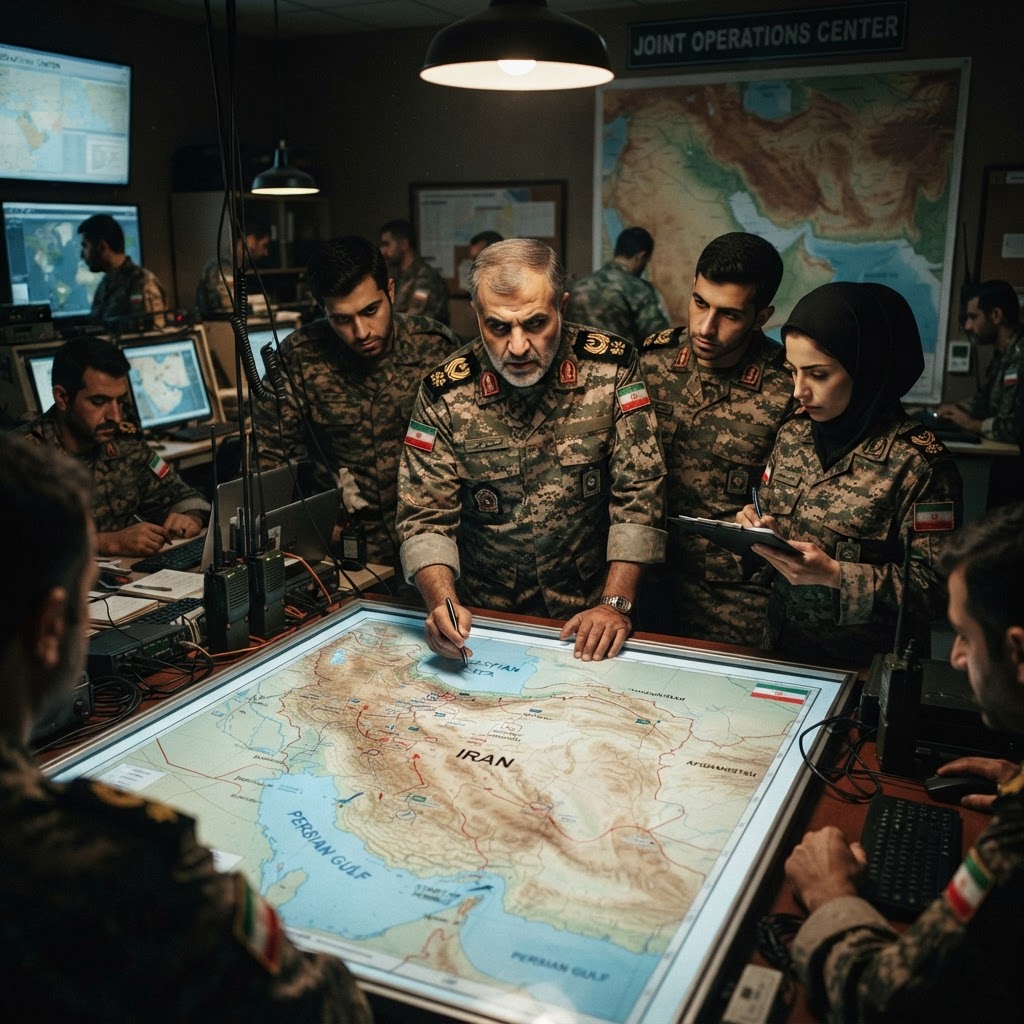
WASHINGTON — The latest phase of the Iran war is reshaping the political atmosphere in the United States, turning a military confrontation abroad into a high-stakes struggle at home over presidential authority, congressional oversight, and the limits of wartime decision-making.
Reuters reported on July 22 that the U.S. military said its latest strikes on Iran had ended, at least for the moment. But even as operational tempo shifted, the political aftershocks in Washington only intensified. Lawmakers in Congress continued to argue over whether President Donald Trump has stretched executive war powers too far without fuller authorization from the legislative branch.
That debate has become sharper as the conflict drags on. In the House, lawmakers have moved to signal opposition to an open-ended military campaign, while the broader congressional picture remains divided along partisan, procedural, and strategic lines. The result is a Washington split-screen: commanders and allies focus on military outcomes, while elected officials argue over who should define the mission and how long it can continue.
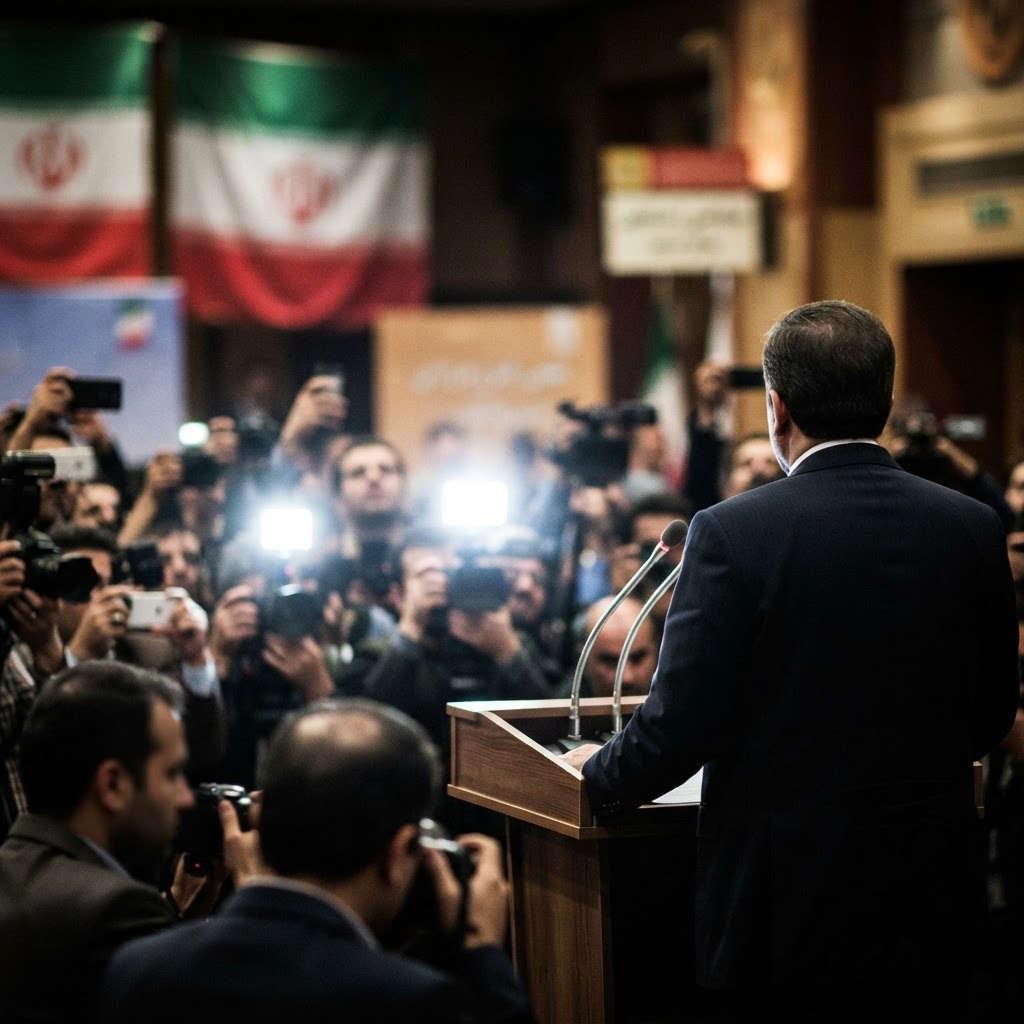
The Iran war now sits at the intersection of foreign policy and domestic political stress. Trump and his supporters argue that decisive action is necessary to protect U.S. interests and project strength in a volatile region. Critics counter that even a forceful response must be constrained by Congress, particularly when the conflict risks widening and drawing the United States more deeply into another costly war.
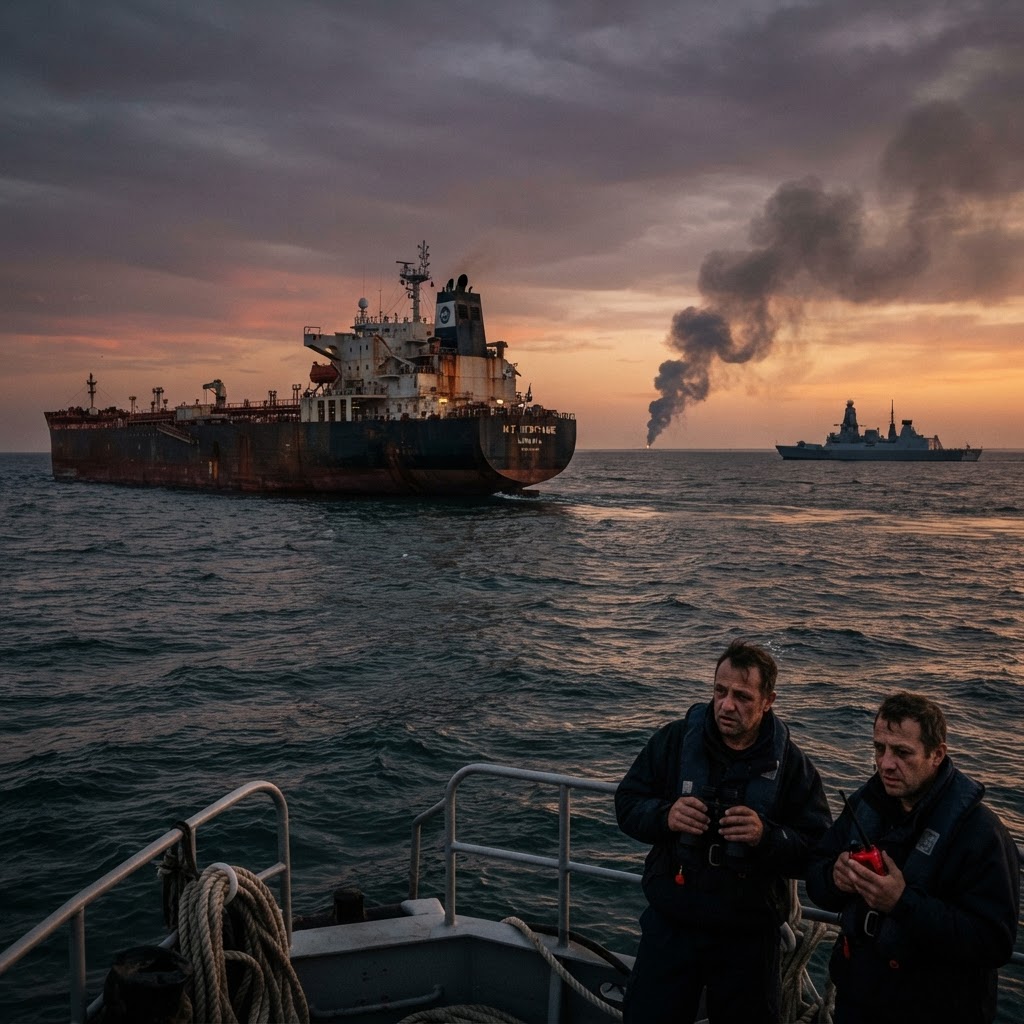
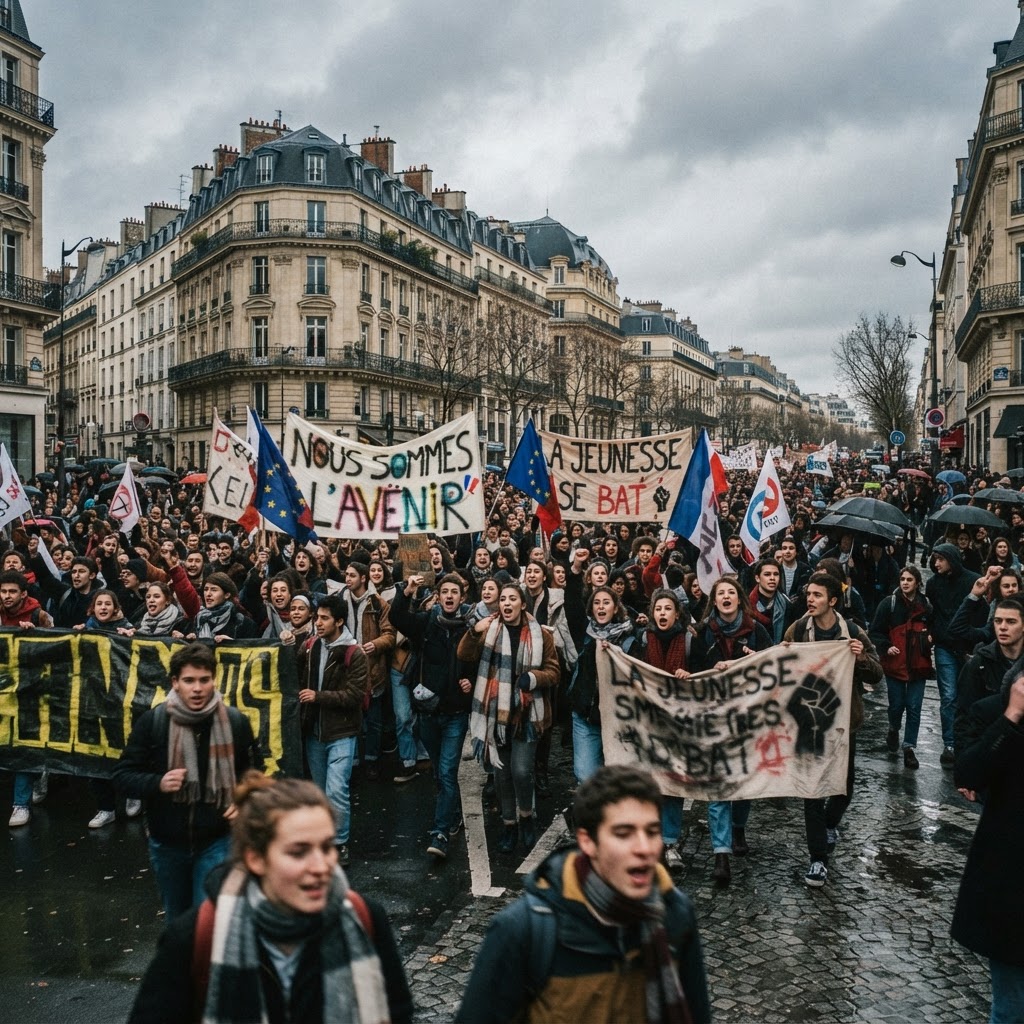
For the American public, the stakes extend beyond the battlefield. Oil markets, shipping routes, inflation anxiety, and broader security concerns all feed into how voters assess the conflict. That means the Iran war is not only a military question but a major piece of the political situation inside America, where foreign crises often become tests of leadership, legality, and economic resilience.
Congress now faces a familiar but urgent challenge: whether to act mainly as commentator on presidential war-making, or to reassert itself as a constitutional counterweight. As the war continues to evolve, that question may become one of the defining institutional tests of the season in Washington.
Comments (0)
Be the first to share your thoughts!
Your voice matters. Every comment helps build our community.
Discussion Starters
No comments yet. Be the first to share your thoughts!