




The Iran war has entered a sharper and more dangerous phase, with President Donald Trump pushing harder, Gulf states absorbing new shocks, and the Israel-Lebanon front still threatening to widen the crisis.
Reuters reported on July 18 that Iran launched fresh attacks on Washington's Gulf allies after a seventh straight night of U.S. strikes on Iranian military sites. The new exchange underlines how quickly the collapse of last week's ceasefire has turned into a broader regional escalation touching Iran, the United States, Israel, Lebanon, Kuwait, Bahrain, Jordan and the wider Gulf.

According to Reuters, the latest U.S. attacks hit Iranian surveillance sites, underground weapons storage, logistics infrastructure and maritime capabilities. In response, Iran said it struck U.S.-linked targets in Kuwait and Bahrain and warned Gulf states that more attacks could follow if Washington continues expanding the war.
Trump is escalating while keeping broader options open
Reuters also reported this week that Trump has ramped up U.S. air strikes and threatened broader escalation, including possible strikes on infrastructure and even the prospect of more aggressive operations along Iran's coast and strategic islands. The goal, according to the administration, is to force Tehran to back down over the Strait of Hormuz and the wider war. But analysts quoted by Reuters say more pressure is just as likely to harden Iran's position.
The White House is now balancing military signaling with political risk at home. Rising oil prices, renewed shipping disruption and the prospect of a drawn-out conflict are all increasing pressure on Trump as the U.S. moves deeper into the second half of the year.

The Gulf is becoming a frontline, and the UAE is directly exposed
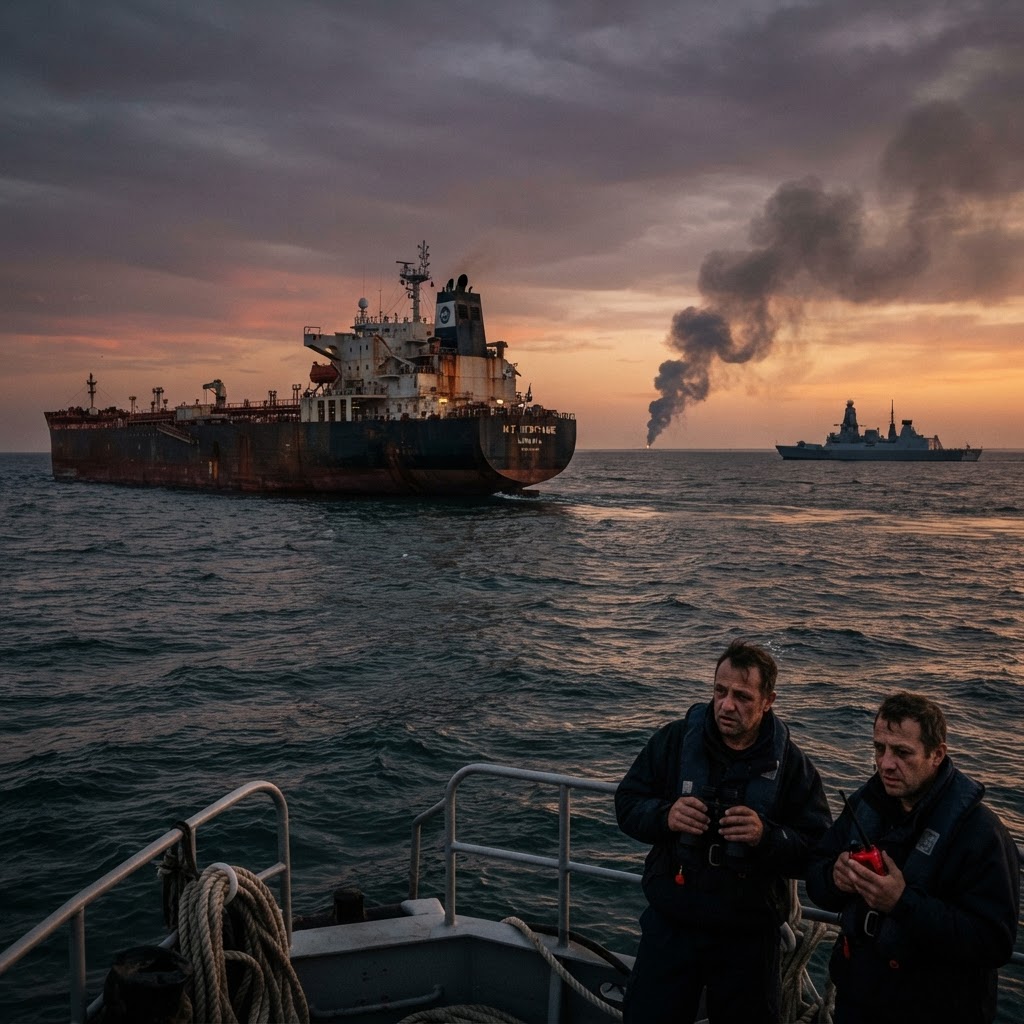
One of the clearest signs of regional spillover is the growing vulnerability of Gulf states. Reuters reported earlier that Iranian cruise missiles struck two Emirati oil tankers in the Strait of Hormuz while they were transiting Omani waters, injuring crew members and underscoring how exposed the UAE is to the conflict's maritime dimension.
Now the pressure has broadened further. Kuwait has faced repeated missile and drone threats, including reported strikes on water and desalination facilities, while Bahrain and Jordan have also been drawn into the conflict because of their security ties to Washington. For the UAE, whose economy depends heavily on energy security, trade corridors and investor confidence, the threat is both military and economic.

Israel and Lebanon remain tied to the wider Iran crisis
The Israel-Lebanon track is still one of the conflict's most combustible pressure points. Reuters has reported that Trump previously pressed Israeli Prime Minister Benjamin Netanyahu not to retaliate after Iranian missile fire, arguing that another round of Israeli action could blow up attempts to stabilize the region. But Israeli strikes around Beirut and southern Lebanon, and Hezbollah's continuing role, have kept that front alive.
Earlier Reuters reporting showed that any broader understanding with Tehran was closely tied to whether fighting in Lebanon could be contained. Iran has repeatedly linked diplomacy with the United States to pressure on Israel and to the fate of Hezbollah positions in Lebanon. That means the Lebanon front is not a side story — it is part of the core negotiation map of the war.

A war with too many front lines
What makes this phase especially dangerous is that the conflict no longer runs through a single battlefield. It is playing out in Iranian military sites, Gulf shipping lanes, desalination and power infrastructure, U.S.-linked bases, Lebanese territory and Israel's security calculus all at once.
Reuters reported on July 18 that civilian infrastructure is increasingly being hit, raising fresh concern from the United Nations. That shift matters because it suggests the war is no longer being contained to military assets alone. Each new strike increases the risk of miscalculation, humanitarian damage and economic shock across the region.

The current picture is stark: Trump is escalating, Iran is retaliating, Israel and Lebanon remain unstable, and Gulf partners including the UAE are increasingly exposed. The more this war spreads across shipping, infrastructure and allied territory, the harder it becomes to draw a clean line between deterrence and a much wider regional confrontation.

Comments (0)
Be the first to share your thoughts!
Your voice matters. Every comment helps build our community.
Discussion Starters
No comments yet. Be the first to share your thoughts!