




Southern Africa’s latest wave of xenophobic violence has become a regional crisis, with Malawi and Nigeria pulling citizens from South Africa as killings, forced removals and anti-migrant protests deepen fear across the country.
Reuters reporting has shown the crisis escalating from threats and intimidation into a wider humanitarian and diplomatic emergency. Malawi has repatriated tens of thousands of its nationals, Nigeria has warned that public anger is rising after the deaths of two citizens, and anti-immigrant groups in South Africa have kept up street actions that migrant communities say are turning daily life into a state of fear.
Malawi’s mass repatriation shows the scale of the emergency
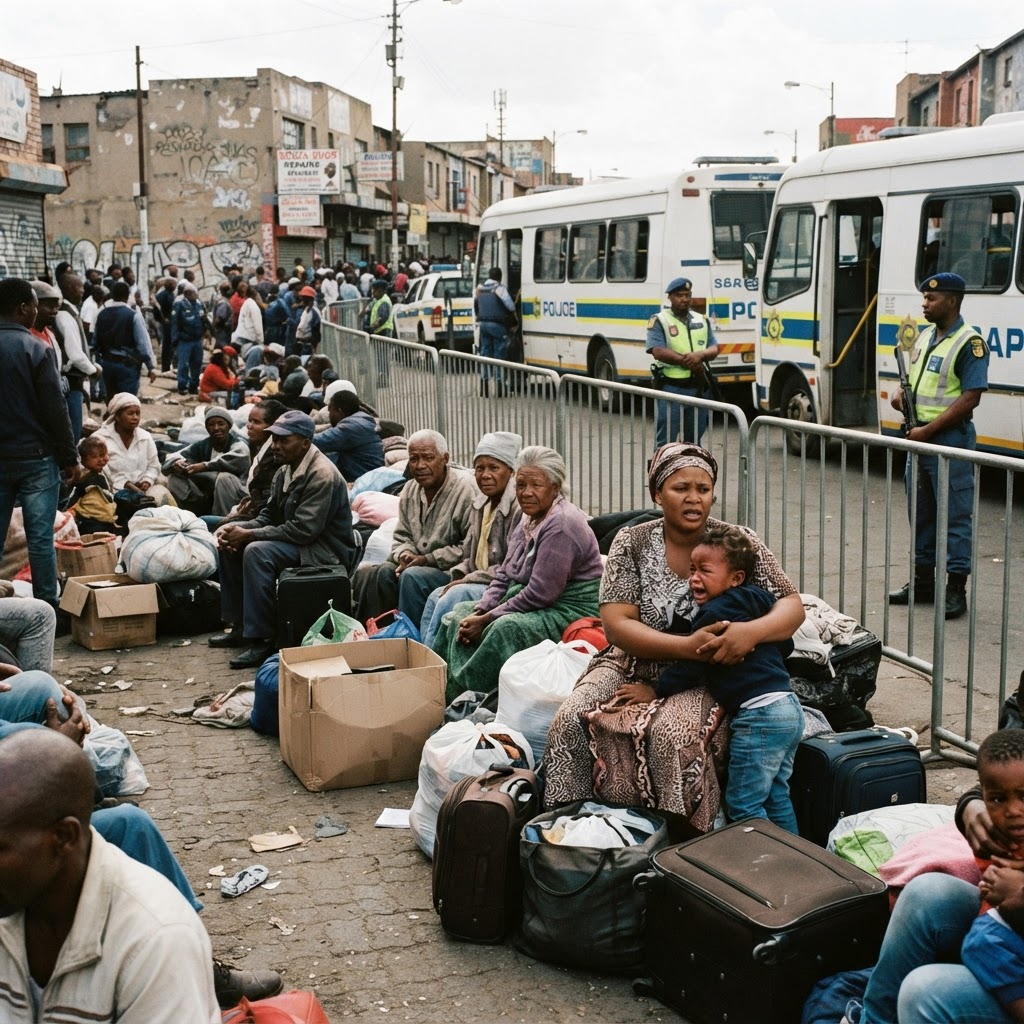
Reuters reported that Malawi joined other African countries in repatriating nationals seeking to leave South Africa after anti-immigrant attacks spread in several areas. The scale of the movement has since become one of the clearest indicators of how severe the situation has become.
By July 9, Reuters reported that more than 38,000 Malawians had returned home from South Africa in recent weeks as part of a large repatriation effort driven by safety fears. In Johannesburg and Durban, migrants described growing anxiety as anti-immigrant protests intensified and rumors of fresh attacks spread through communities.
The crisis has hit ordinary families hardest. Many migrants have been forced to leave with children, bags and only the belongings they could carry, unsure whether they would be safe staying in South Africa or secure after returning home.
Nigeria’s anger has sharpened after killings and intimidation
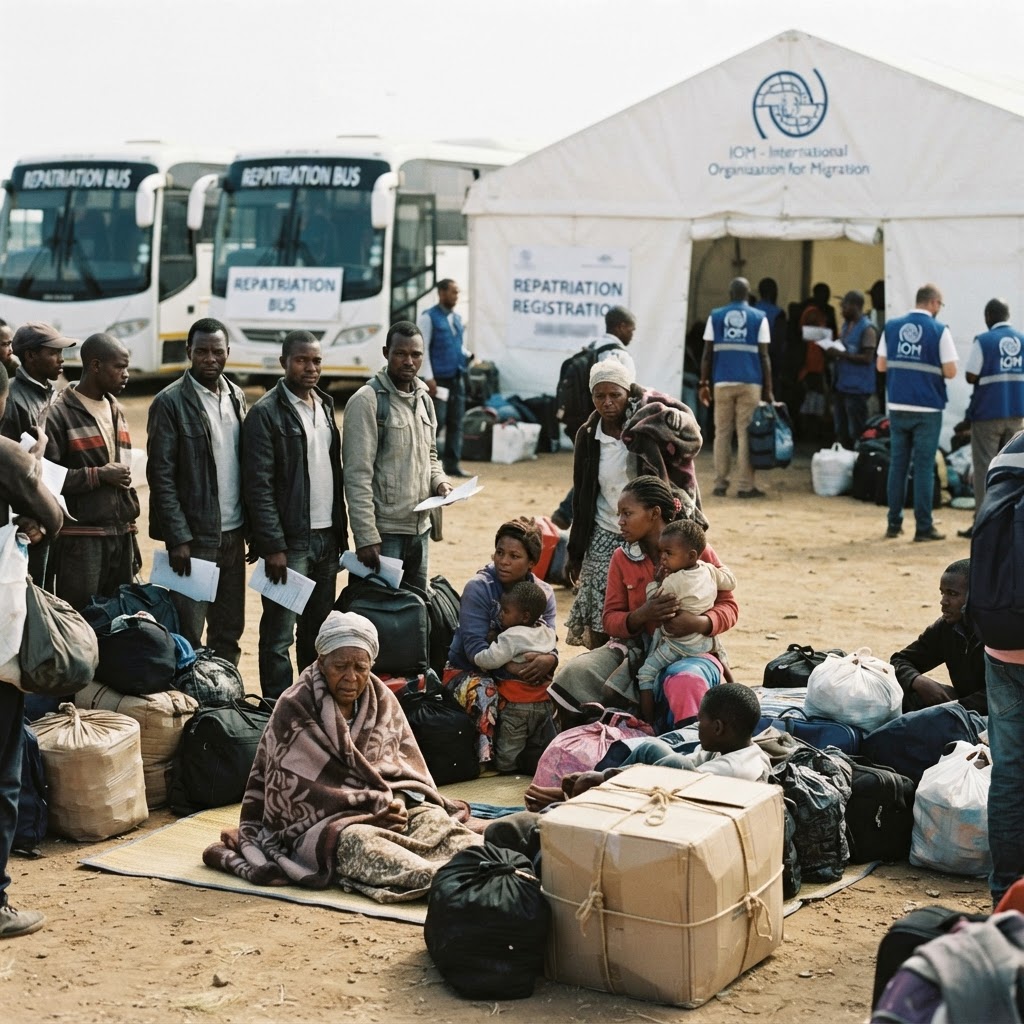
Reuters reported on July 6 that Nigeria said two of its citizens were killed during the latest surge in anti-migrant violence in South Africa, one of them allegedly by police. According to Nigeria’s foreign ministry, one man was killed in front of his shop in eMalahleni, while another, Emeka Iroegbu, died during an interrogation in Pretoria.
The ministry said the continuing pattern of attacks, intimidation and killings raised serious concerns about the safety of Nigerians in South Africa and warned that if the situation continued, all options remained on the table. South Africa said any evidence should be submitted through formal channels, while its police watchdog opened an investigation into the allegation involving officers.
For Nigeria, the issue is no longer only about isolated criminal incidents. It has become a test of whether African migrants in South Africa can count on equal protection under the law when public anger against foreigners rises.
Door-to-door protests have deepened the fear
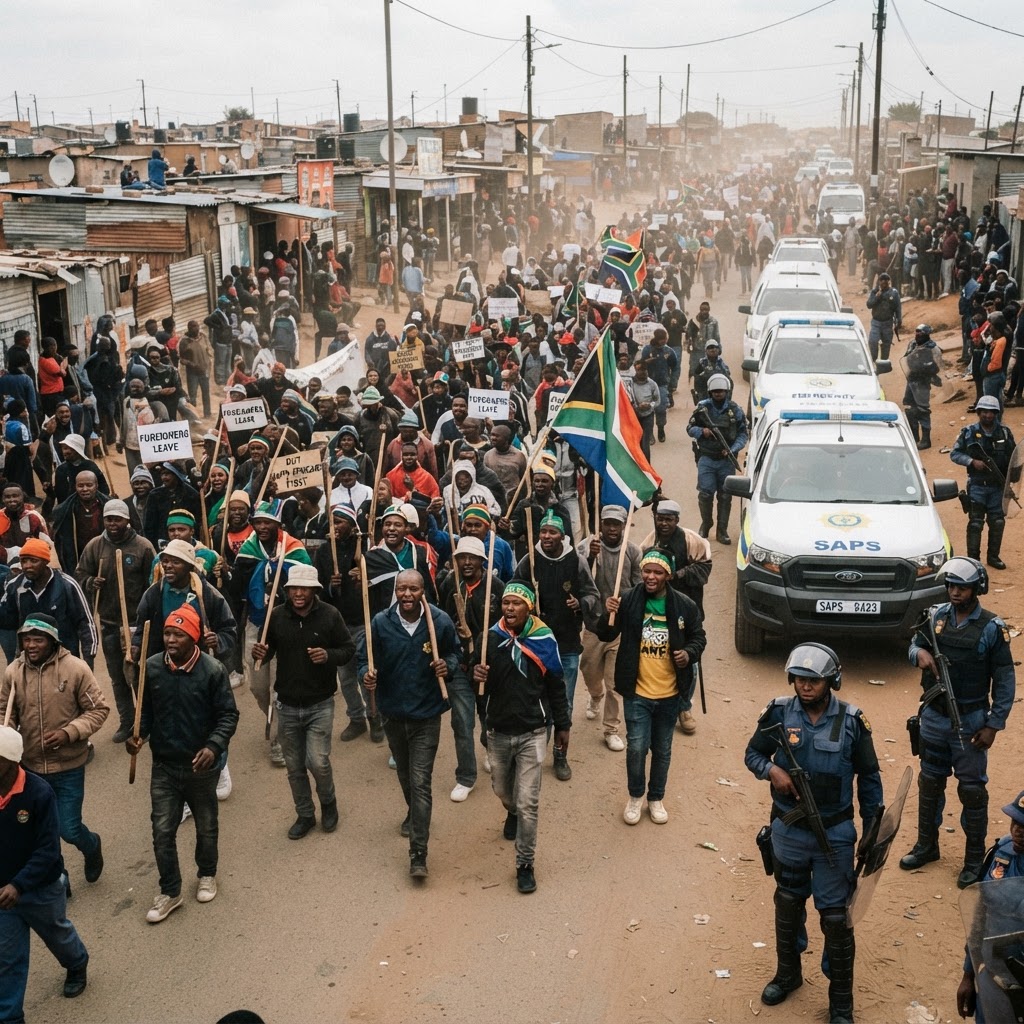
Reuters reported on July 9 that anti-immigration protesters in Johannesburg went door to door in search of undocumented immigrants, forcing people from houses and handing them to police vans. In Alexandra township, a Reuters reporter witnessed protesters breaking down doors and entering homes where they believed foreigners were hiding.
Among those taken away were vulnerable migrants, including a woman and a small child from Malawi. Protest marches were also reported in Soweto and Durban, with some protesters carrying sticks and flags and promising to continue demonstrations every Thursday until their demands were met.
President Cyril Ramaphosa has warned against scapegoating migrants for unemployment and other deep-rooted social problems, but migrant rights groups say foreigners are once again being used as targets for wider economic frustration. The result has been a climate where even legally resident migrants say they feel hunted.
A regional issue, not just a South African one
The fallout now stretches well beyond South Africa. Reuters has documented warnings, diplomatic tensions and repatriation efforts involving multiple African countries, reflecting how the violence is straining regional ties. Malawi’s large-scale returns and Nigeria’s increasingly sharp language show that the political cost is rising along with the humanitarian one.
For many across the continent, the crisis is reviving an old and painful question: how can African governments promote regional movement, labor and solidarity if migrants remain vulnerable to periodic waves of xenophobic violence and expulsion?
TND takeaway
The Malawi and Nigeria crisis inside South Africa is not a side story. It is one of the clearest signs that anti-migrant violence has moved beyond sporadic unrest and into a broader regional emergency. The repatriations, the deaths, the forced removals and the door-to-door searches all point to a crisis that now demands more than police statements and temporary troop deployments. It demands political honesty, regional coordination and urgent protection for people who are simply trying to live and work in safety.



Comments (0)
Be the first to share your thoughts!
Your voice matters. Every comment helps build our community.
Discussion Starters
No comments yet. Be the first to share your thoughts!