



Europe is navigating a period of heightened strain as security threats, economic pressure, and internal political divisions converge across the continent.
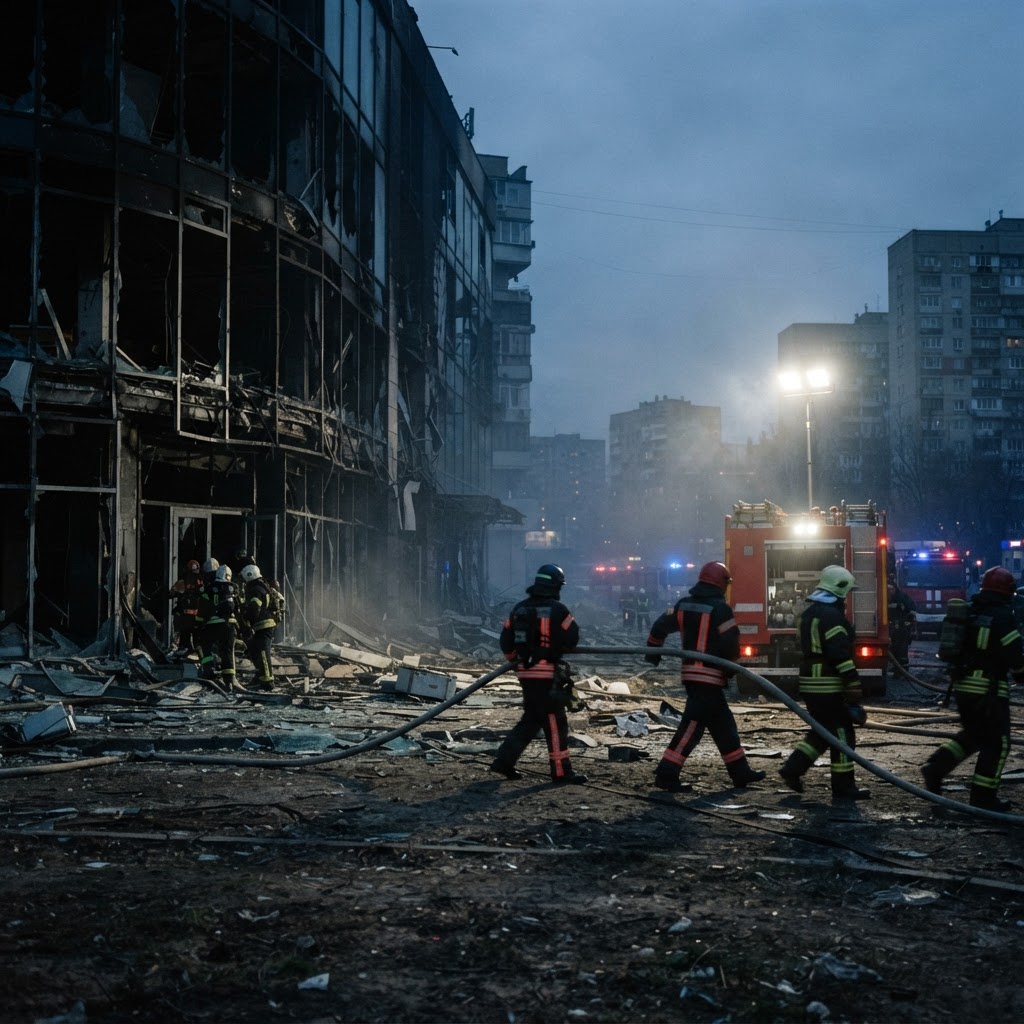
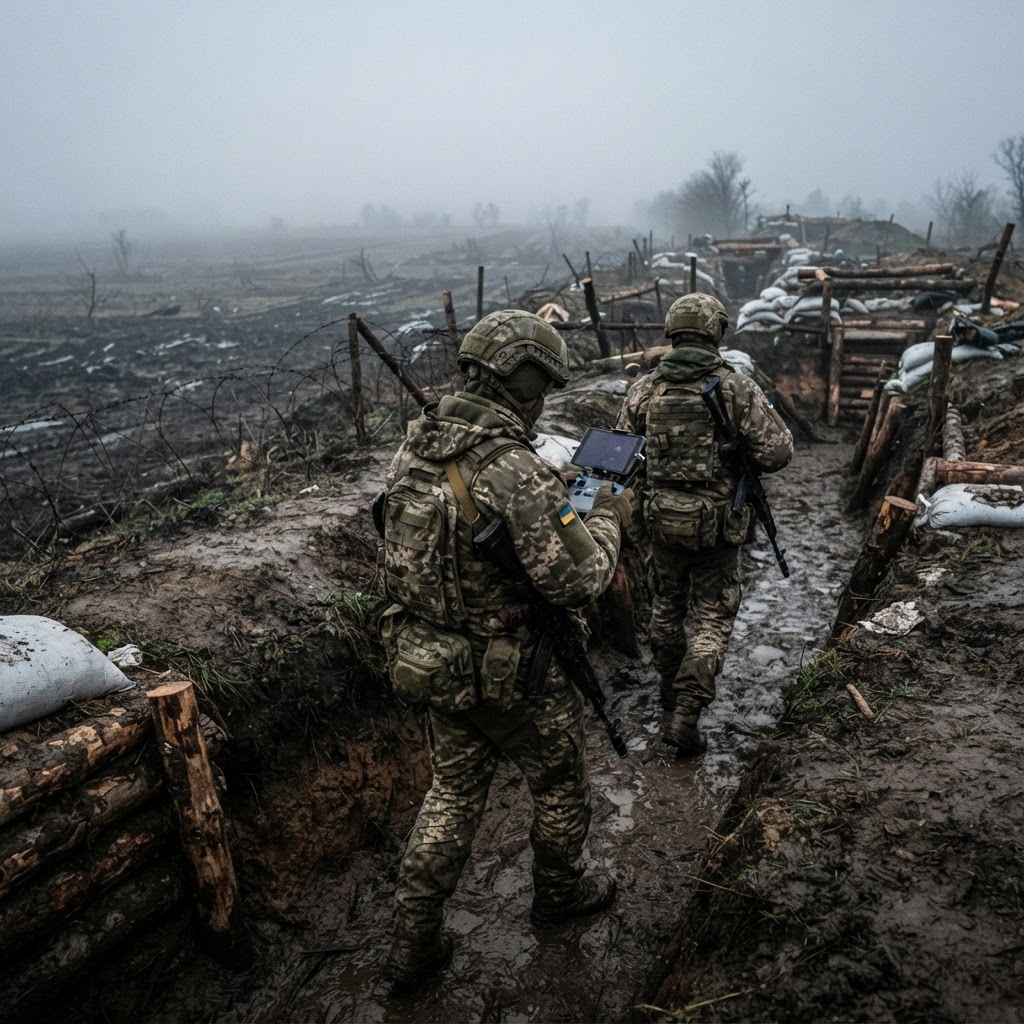
The Ukraine-Russia conflict remains the defining story. Ukraine is using advanced drone technology to strike Russian supply convoys, while Moscow continues to prepare and execute major new attacks on Ukrainian positions. Recent developments have also brought the conflict closer to NATO territory, with Russian drones striking residential areas in Romania, prompting NATO to reaffirm its collective defense commitment. These incidents underscore the fragile border between the broader conflict zone and NATO member states.
Meanwhile, top Russian officials are issuing warnings that Europe should brace for more such incidents, signaling that the risk of accidental or deliberate escalation remains high. Russian President Putin has also made pointed statements about military capabilities, particularly regarding NATO's Baltic exclave of Kaliningrad, keeping European security tensions in sharp focus.
Beyond the immediate military picture, Europe is also dealing with significant economic headwinds. The Middle East conflict has driven oil prices higher, forcing the European Union to downgrade its growth forecast for 2026 from 1.3% to 0.9%—a substantial slowdown. Inflation is also rising as a result, with the EU Commission now forecasting euro zone inflation at 3.0% for 2026, up from earlier expectations. This combination of slower growth and higher prices is pressuring households and businesses across the continent.
Politically, Europe's landscape is shifting in multiple directions. In Spain, Prime Minister Pedro Sanchez is facing mounting pressure from a stack of corruption investigations, raising questions about his political future and the stability of Spanish governance. Meanwhile, in the UK, there is growing concern about a "lost generation" of young people, prompting the government to pledge 300,000 youth placements in response to employment worries. France is also in the spotlight as activists protest the state's surprise acquisition of a major stake in TotalEnergies, raising questions about state intervention in energy markets.
In Malta, parliamentary elections are underway, with the ruling Labour Party expected to secure a record-breaking fourth consecutive term, reflecting voter confidence in the incumbent government.
On security and intelligence matters, Europe is also dealing with foreign interference concerns. Prosecutors in Milan are investigating two Iranians living in Italy over alleged threats to Iranian dissidents, while a Greek man has been charged in the UK with spying for Iran on behalf of a foreign intelligence service.
Economically, there are some bright spots. Italy’s first-quarter growth was revised upward to 0.3%, with strong exports driving the improvement. But this cannot fully offset the wider regional slowdown and the pressure from external shocks.
Environmental stress is also becoming more visible. Parts of England are facing water shortages as record-breaking heat and a dry spring combine to strain resources.
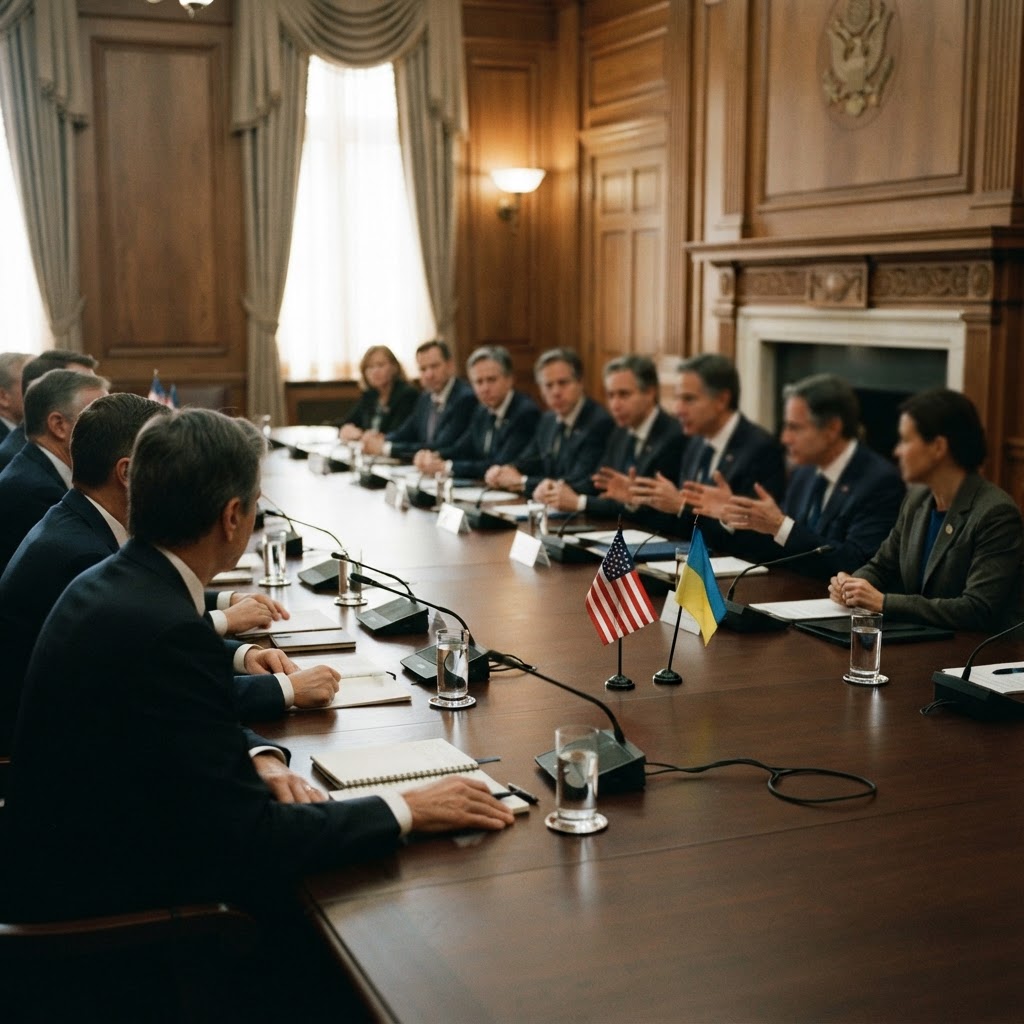
Taken together, Europe’s latest news paints a picture of a continent under strain on multiple fronts. Security risks remain elevated, economic growth is slowing, inflation is rising, and political instability is touching several key nations. For European leaders, the challenge is to navigate these pressures while maintaining unity and avoiding escalation. For ordinary Europeans, the immediate concern is whether economic stability can be preserved against a backdrop of regional conflict and external shocks.

Comments (0)
Be the first to share your thoughts!
Your voice matters. Every comment helps build our community.
Discussion Starters
No comments yet. Be the first to share your thoughts!