





A Nation at a Crossroads
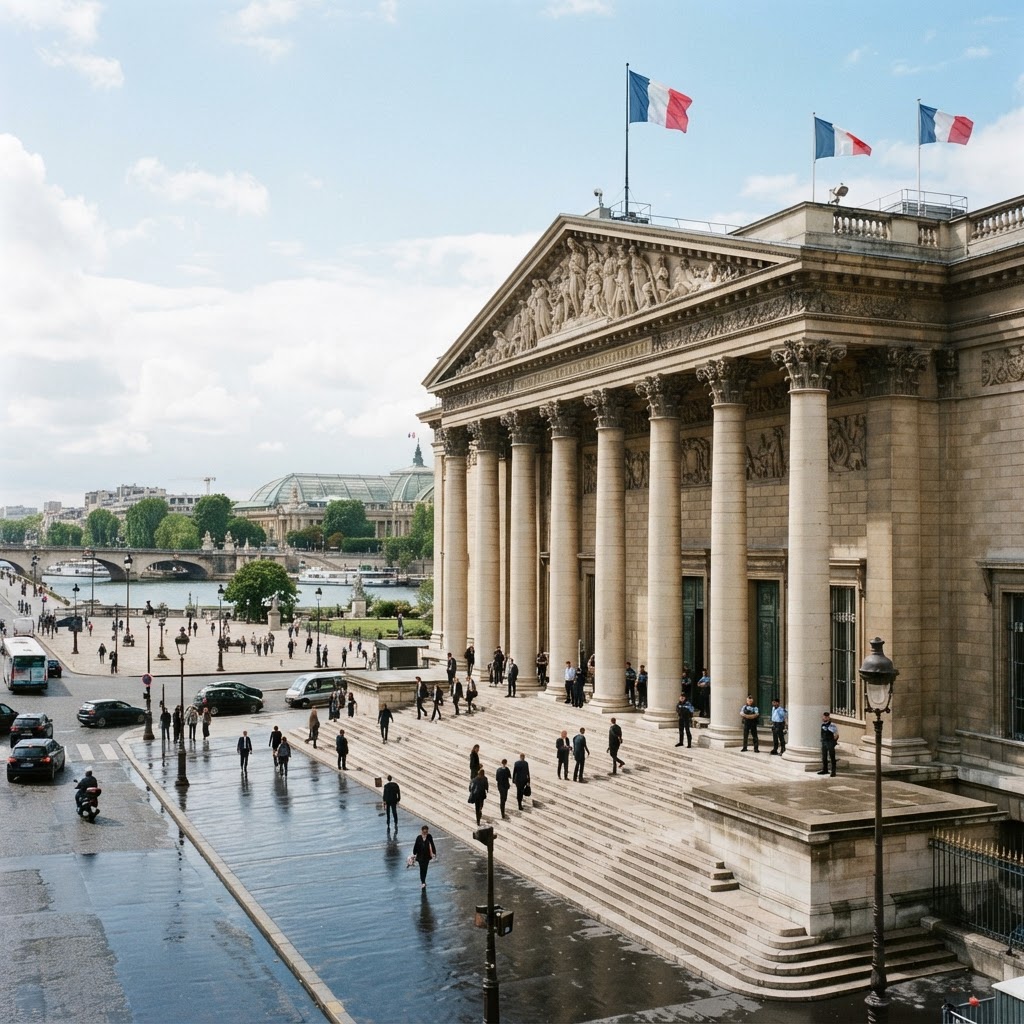
As France enters the dog days of August 2026, the mood in Paris is one of cautious apprehension. The country finds itself navigating a complex web of economic stagnation, structural political deadlock, and the ongoing pressure of maintaining fiscal discipline in an increasingly volatile global environment. With growth forecasts trimmed and the specter of a widening deficit looming, the administration of President Emmanuel Macron faces a challenging autumn.
Economic Headwinds and Fiscal Fragility
The French economy, once a pillar of European stability, is currently showing signs of fatigue. According to the OECD, economic growth is projected to slow to 0.7% for 2026, with little improvement expected in 2027. Finance Minister Roland Lescure has been candid about the risks, warning in July that France is at risk of missing its deficit-reduction targets as the growth outlook deteriorates. The government is now weighing the necessity of additional savings measures to mitigate the fiscal impact of higher interest rates and the costs associated with regional conflicts in the Middle East.
The expected increase in interest payments, to 2.6% of GDP, is due to the uptick in interest rates on new bond issuances and to higher inflation impacting the returns of inflation-indexed bonds.
While the government has implemented retrenchment efforts in ministerial endowments, the structural nature of the debt remains a primary concern for rating agencies and international observers. The reliance on temporary revenue measures, such as taxes on high-revenue enterprises, provides only a short-term buffer, leaving the underlying fiscal architecture vulnerable.
Political Deadlock as a Structural Feature
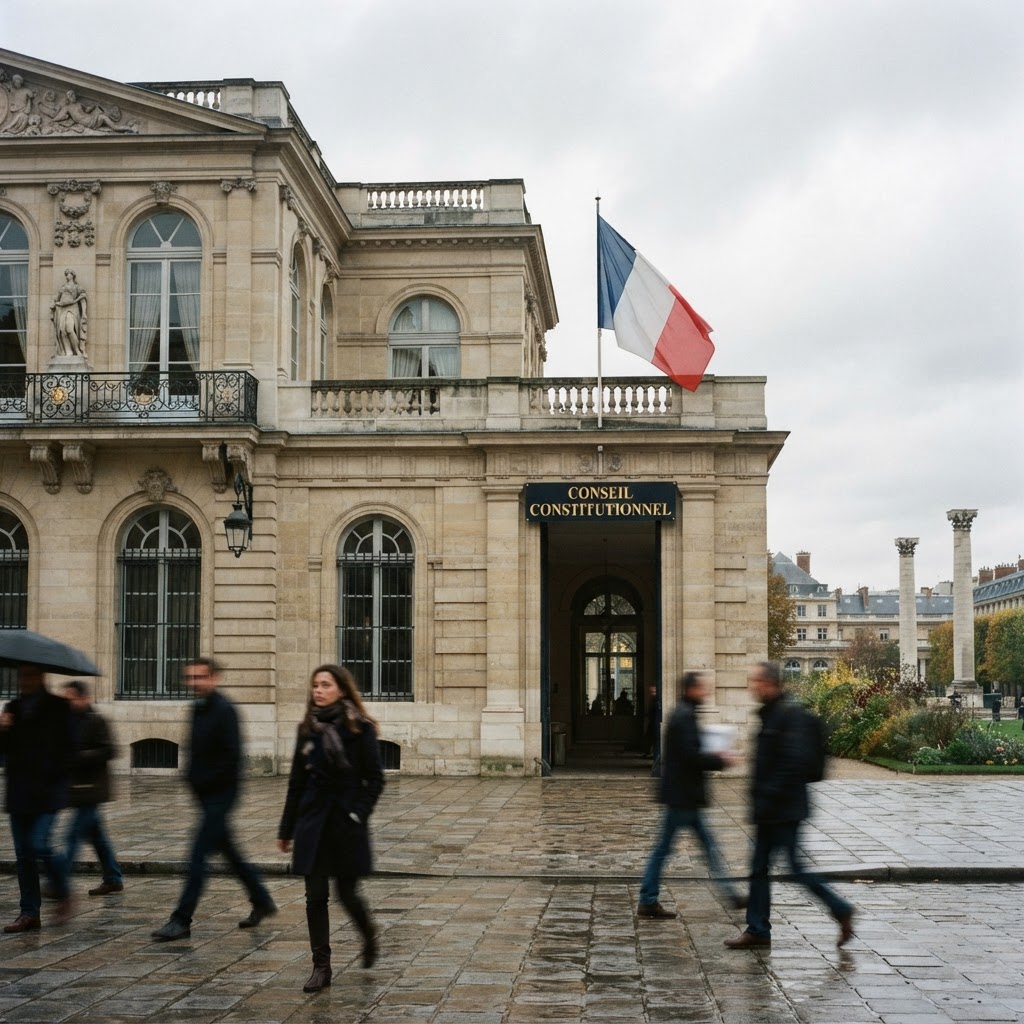
The economic malaise is inextricably linked to the country's fractured political landscape. President Macron’s second term has been defined by a lack of an absolute majority in the National Assembly, leading to frequent legislative impasses. This "reform fatigue" has made the passage of critical budgetary and social legislation a high-stakes exercise in political survival. The frequent use of constitutional tools to bypass parliamentary votes has underscored the depth of the divide, leaving many observers to wonder if the current governance model can effectively address the long-term challenges facing the French state.
Diplomatic Ambitions Amid Institutional Reform
Despite domestic constraints, France continues to exert its influence on the European stage. In June, French officials proposed a significant overhaul of the European Union’s diplomatic service. The proposal, which seeks to clarify the roles of the European Commission and the EU External Action Service, aims to streamline the bloc's response to global crises. By suggesting a "reinforced" role for foreign policy chief Kaja Kallas, Paris hopes to move beyond the disjointed decision-making that has hampered the EU’s response to recent geopolitical emergencies.
Security and Social Outlook
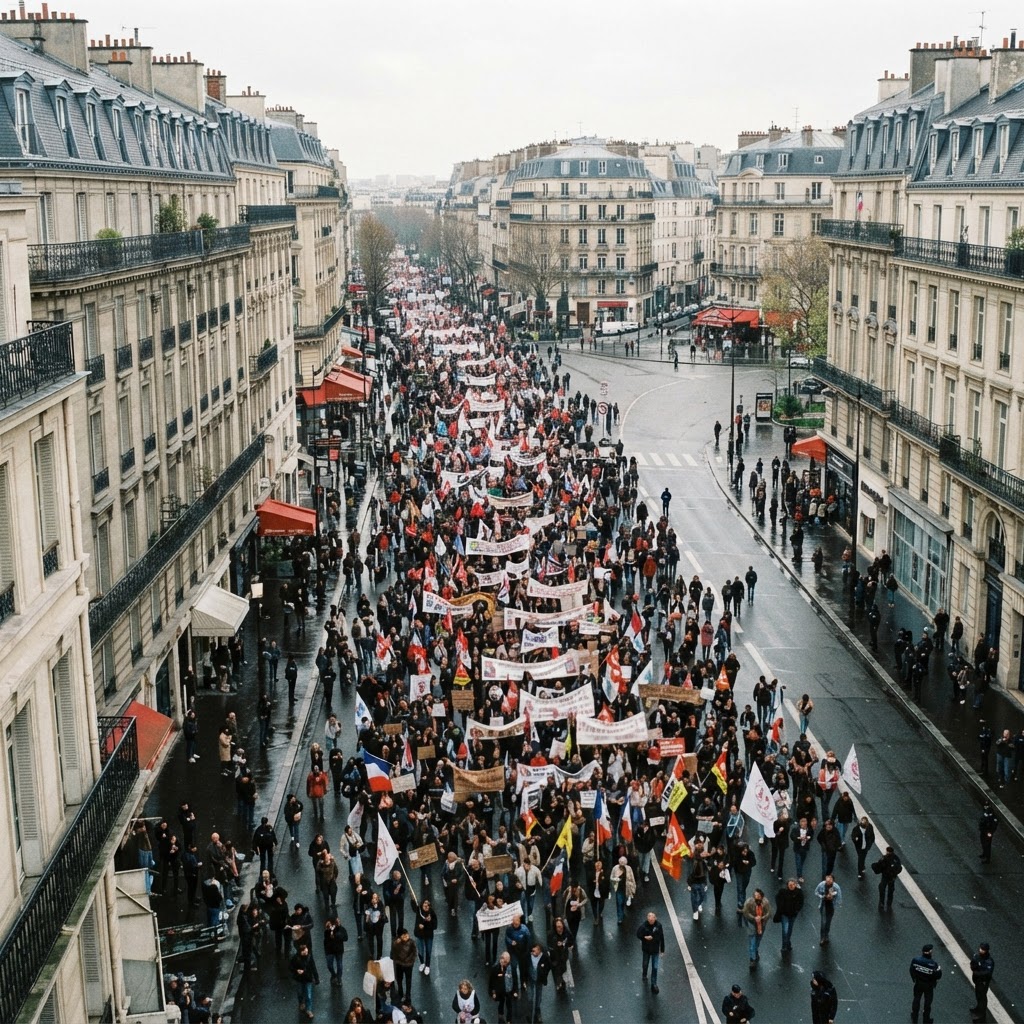
Security remains a top priority, with defense spending continuing to rise in response to the evolving global security architecture. However, this increased expenditure places further pressure on a strained national budget. Meanwhile, the social climate remains tense. While the government has maintained targeted energy support measures, such as fuel rebates for vulnerable professional users, the rising cost of living and stagnant wage growth continue to fuel public anxiety. As the summer concludes, the government’s ability to maintain social cohesion while implementing necessary fiscal adjustments remains the central, and as yet unresolved, question for the remainder of the year.

Comments (0)
Be the first to share your thoughts!
Your voice matters. Every comment helps build our community.
Discussion Starters
No comments yet. Be the first to share your thoughts!