




U.S. Blockade Takes Effect as Peace Talks Collapse
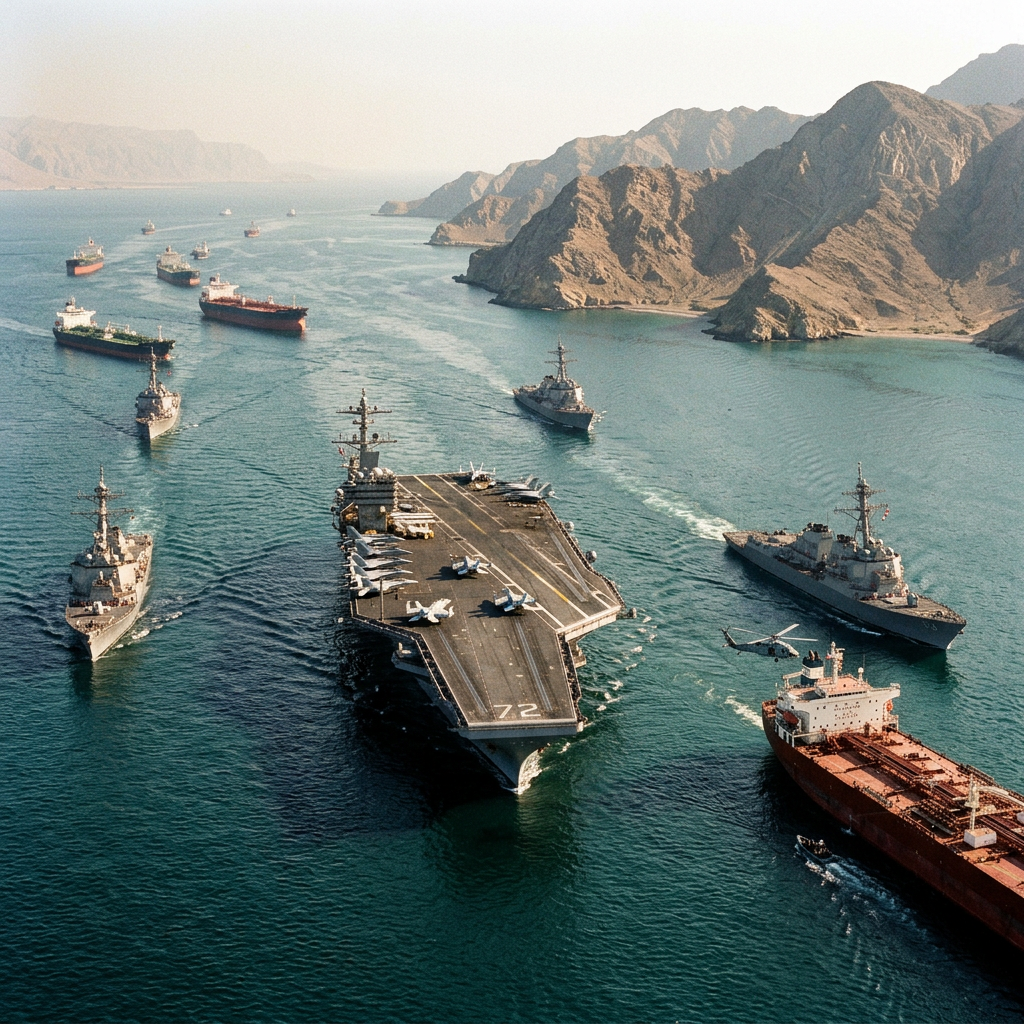
President Donald Trump on Monday ordered the United States Navy to enforce a naval blockade of the Strait of Hormuz, one of the world's most strategically vital waterways, after ceasefire negotiations between the U.S. and Iran ended in failure over the weekend.
The blockade officially took effect at 10 a.m. ET on Monday, April 13, 2026, according to the White House. U.S. Central Command (CENTCOM) confirmed that American forces would begin blocking vessels attempting to enter or leave Iranian ports along the Arabian Gulf and Gulf of Oman.
"We can't let a country blackmail or extort the world, because that's what they're doing." — President Donald Trump
Trump Issues Stark Warning to Iranian Ships
Ahead of the blockade's enforcement, Trump issued a blunt and combative warning on Truth Social, directed at Iran's naval forces:
"If any of these ships come anywhere close to our BLOCKADE, they will be immediately ELIMINATED, using the same system of kill that we use against the drug dealers on boats at Sea. It is quick and brutal."
Speaking to reporters outside the Oval Office, Trump confirmed the purpose of the operation: "Both of those things, certainly, and more" — referring to forcing Iran to reopen the strait and return to the negotiating table.
Why the Strait of Hormuz Matters
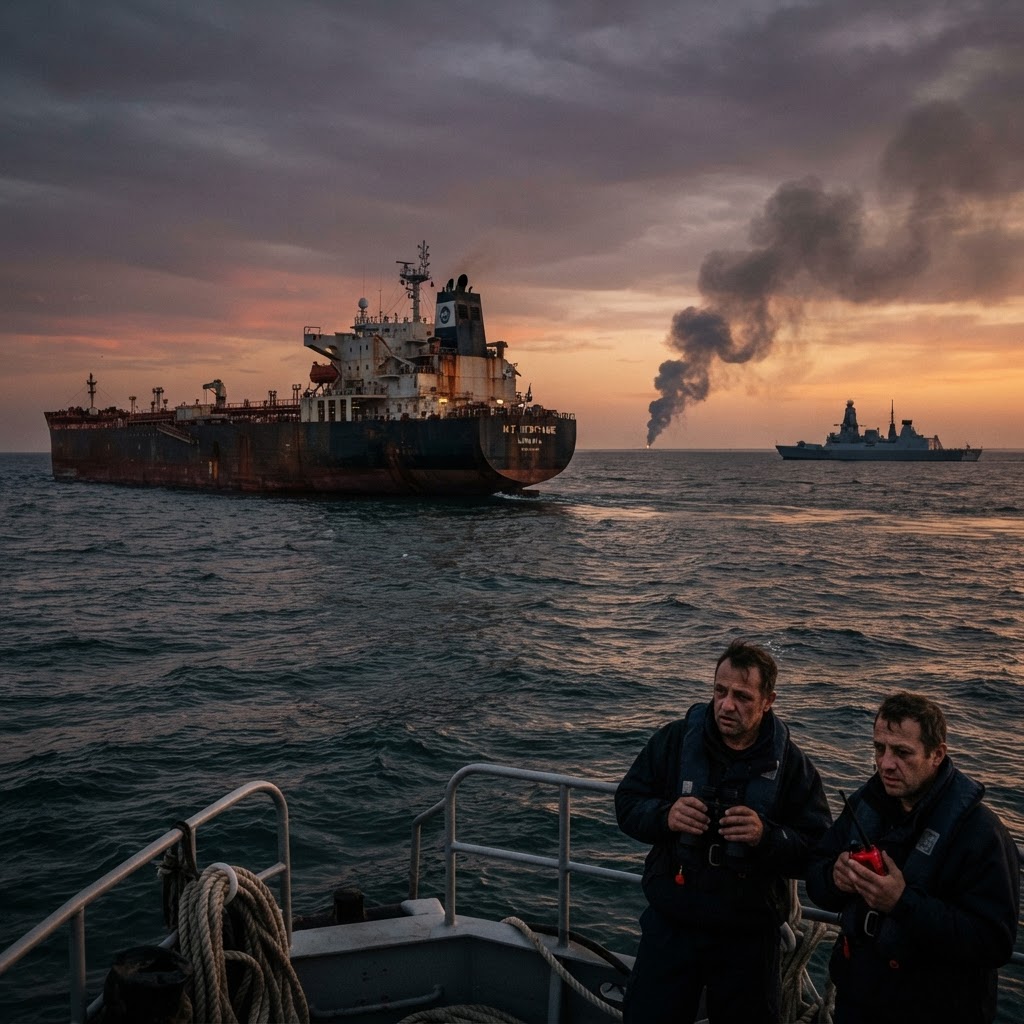
The Strait of Hormuz is a narrow waterway connecting the Persian Gulf to the Gulf of Oman, and is considered the world's most critical oil chokepoint. Approximately 20% of the world's oil and liquefied natural gas passes through it. Iran has used its control of the strait as leverage in its ongoing conflict with the United States and Israel, effectively throttling global energy supplies and triggering fears of spiraling inflation worldwide.
The closure has already caused a dramatic rise in global oil prices and disrupted exports of vital commodities including fertilizers needed for food production across multiple continents.
Peace Talks Break Down in Pakistan
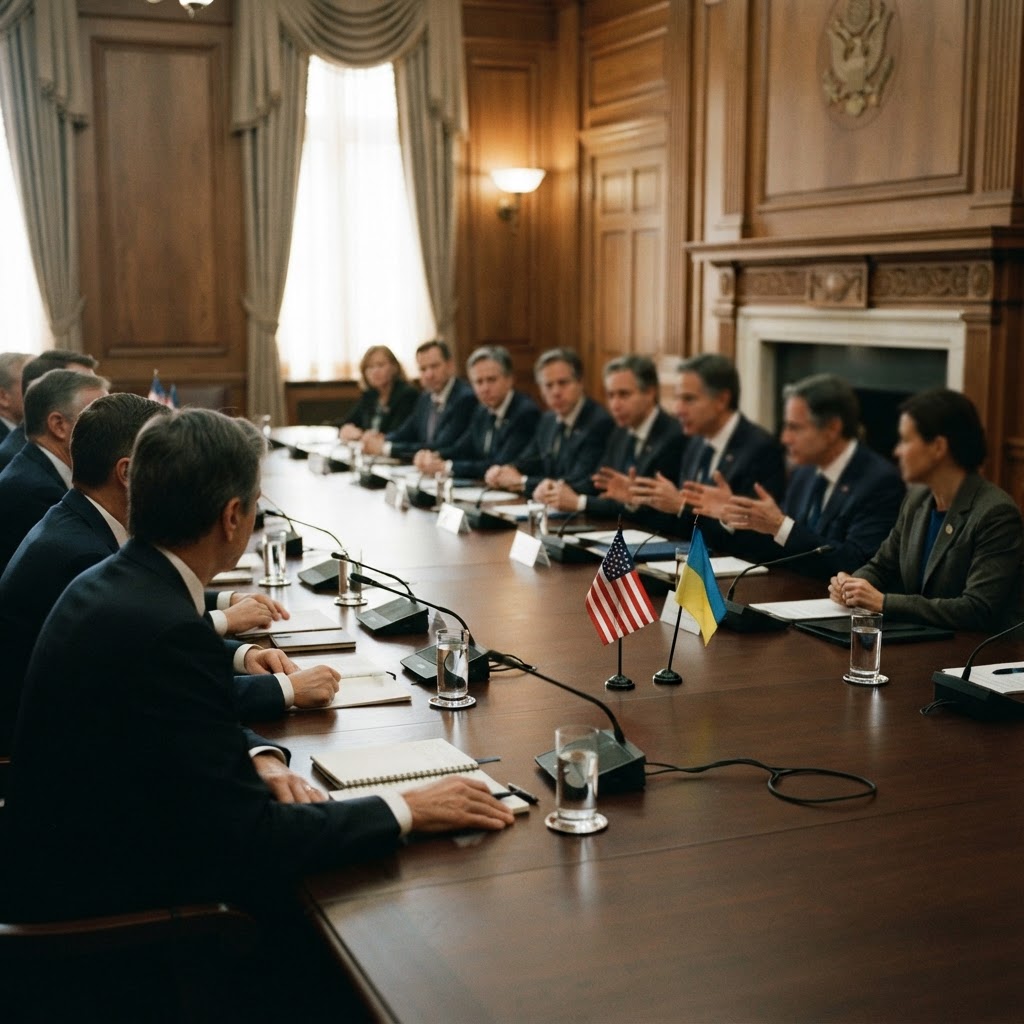
The blockade follows the collapse of high-stakes negotiations held in Islamabad, Pakistan, over the weekend. Vice President JD Vance led the U.S. delegation, which spent more than 21 hours in talks with Iranian representatives.
Vance returned to Washington early Sunday morning without an agreement. The central sticking point, according to both sides, was Iran's refusal to commit to never developing a nuclear weapon.
"We agreed to a lot of things, but they didn't agree to that, and I think they will agree to it. I'm almost sure of it. In fact, I am sure of it. If they don't agree, there's no deal," Trump told reporters.
Despite the breakdown, Trump claimed Monday that Iran "very badly" wants to reach a peace deal — a claim that appeared at odds with the weekend's failed negotiations.
CENTCOM Clarifies the Scope
Trump initially announced the blockade would apply to "any and all ships" transiting the Strait of Hormuz, sparking global alarm. CENTCOM subsequently clarified the scope of the operation, stating:
"The blockade will be enforced impartially against vessels of all nations entering or departing Iranian ports and coastal areas, including all Iranian ports on the Arabian Gulf and Gulf of Oman."
CENTCOM added that U.S. forces "will not impede freedom of navigation for vessels transiting the Strait of Hormuz to and from non-Iranian ports," offering some relief to global shipping interests. A separate notice to mariners later indicated enforcement would focus primarily on waters east of the strait.
Iran Defiant; Warns of Higher Gas Prices
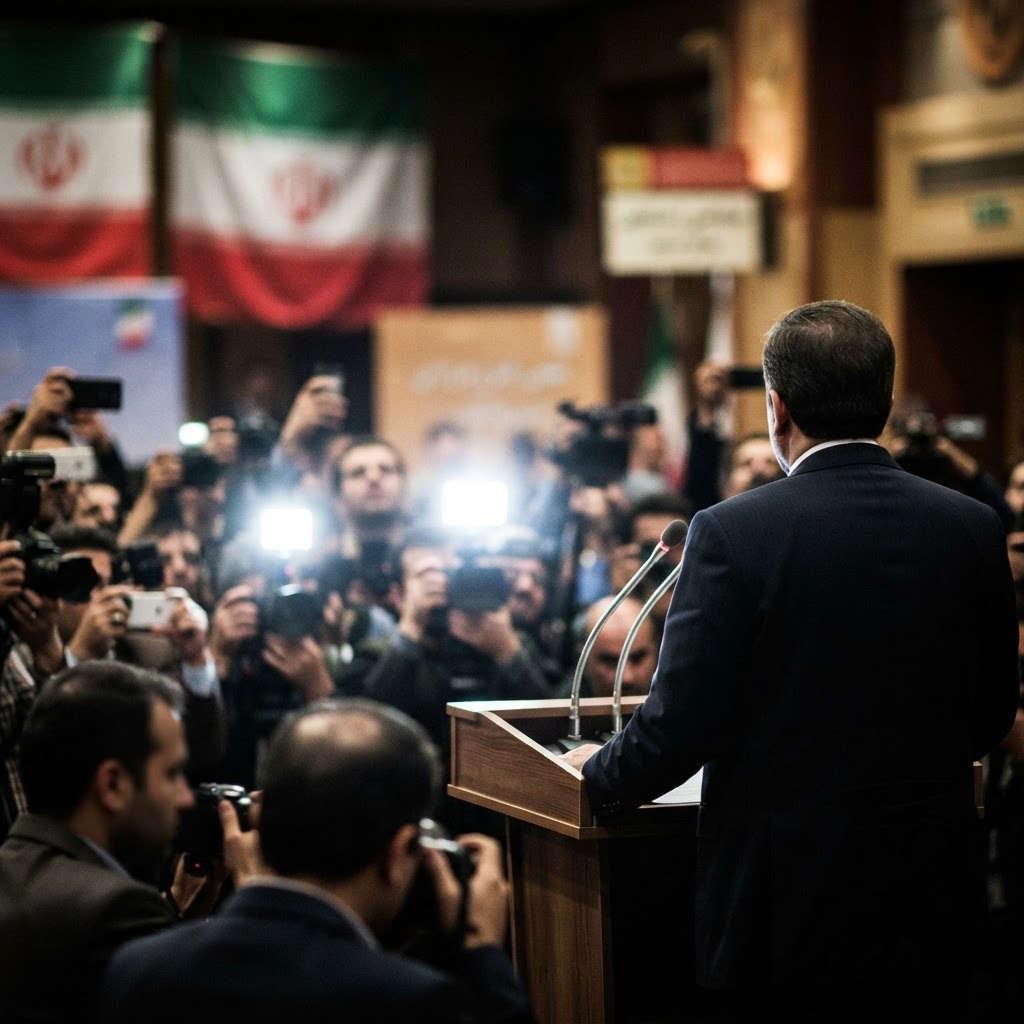
Iranian officials responded defiantly to the blockade announcement. Mohammad Bagher Ghalibaf, the Iranian parliamentary speaker, taunted American consumers on X:
"Enjoy the current pump figures. With the so-called 'blockade', soon you'll be nostalgic for $4–$5 gas."
Iran has continued to deny it is seeking nuclear weapons while insisting that any post-war arrangement for the strait will include Iranian authority over the waterway — a position that is unacceptable to the United States and other world powers.
Allies Refuse to Join the Blockade
Trump had suggested that other countries would participate in enforcing the blockade. However, several key U.S. allies swiftly declined. British Prime Minister Keir Starmer said the UK would not support the blockade and that despite "considerable pressure," he would not get "dragged into the war." France's President Macron also confirmed France would not participate. Australia's Prime Minister Anthony Albanese said his country was not even asked to join.
NATO members Britain and France officially refused to join the operation — a significant diplomatic setback for the Trump administration as it seeks to isolate Tehran.
Global Markets on Edge
The blockade announcement sent shockwaves through global financial markets. Oil prices surged on fears of a prolonged disruption, while stock markets experienced fresh volatility. Analysts warn that a sustained blockade of Iranian ports could compound an already fragile global economic situation, pushing energy prices to record highs and threatening supply chains across Asia and Europe.
The 2026 Strait of Hormuz crisis remains one of the most dangerous geopolitical standoffs in recent memory, with the potential to reshape global energy markets, U.S. foreign policy, and the balance of power in the Middle East.
Comments (0)
Be the first to share your thoughts!
Your voice matters. Every comment helps build our community.
Discussion Starters
No comments yet. Be the first to share your thoughts!