




BREAKING: U.S.-Iran War Escalates — Day 20 and Counting
WASHINGTON, D.C. — March 19, 2026 — Twenty days into what analysts are calling the most consequential American military engagement since Iraq, the United States and Iran remain locked in an escalating confrontation that is reshaping geopolitics, rattling global markets, and striking directly at the wallets of ordinary Americans.
What began as a targeted air campaign against Iran's nuclear and military infrastructure has exploded into a full-scale conflict, with Iranian forces striking back across the Persian Gulf — targeting U.S.-linked oil facilities, threatening international shipping through the Strait of Hormuz, and drawing in regional actors from Israel to Yemen.
On the Ground: Military Developments
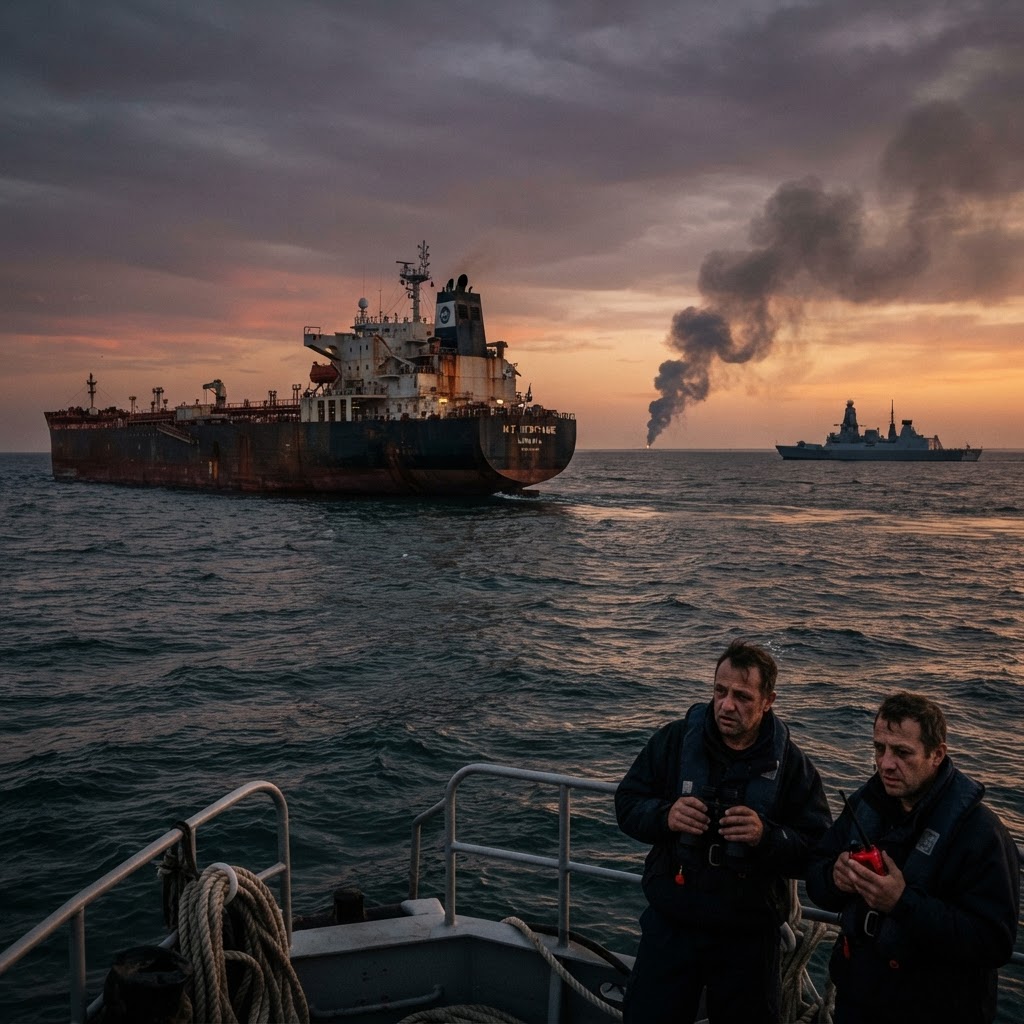
U.S. Central Command (CENTCOM) released dramatic footage this week showing American naval forces neutralizing Iranian vessels threatening international shipping in the Strait of Hormuz — the critical chokepoint through which roughly 20% of the world's oil supply flows.
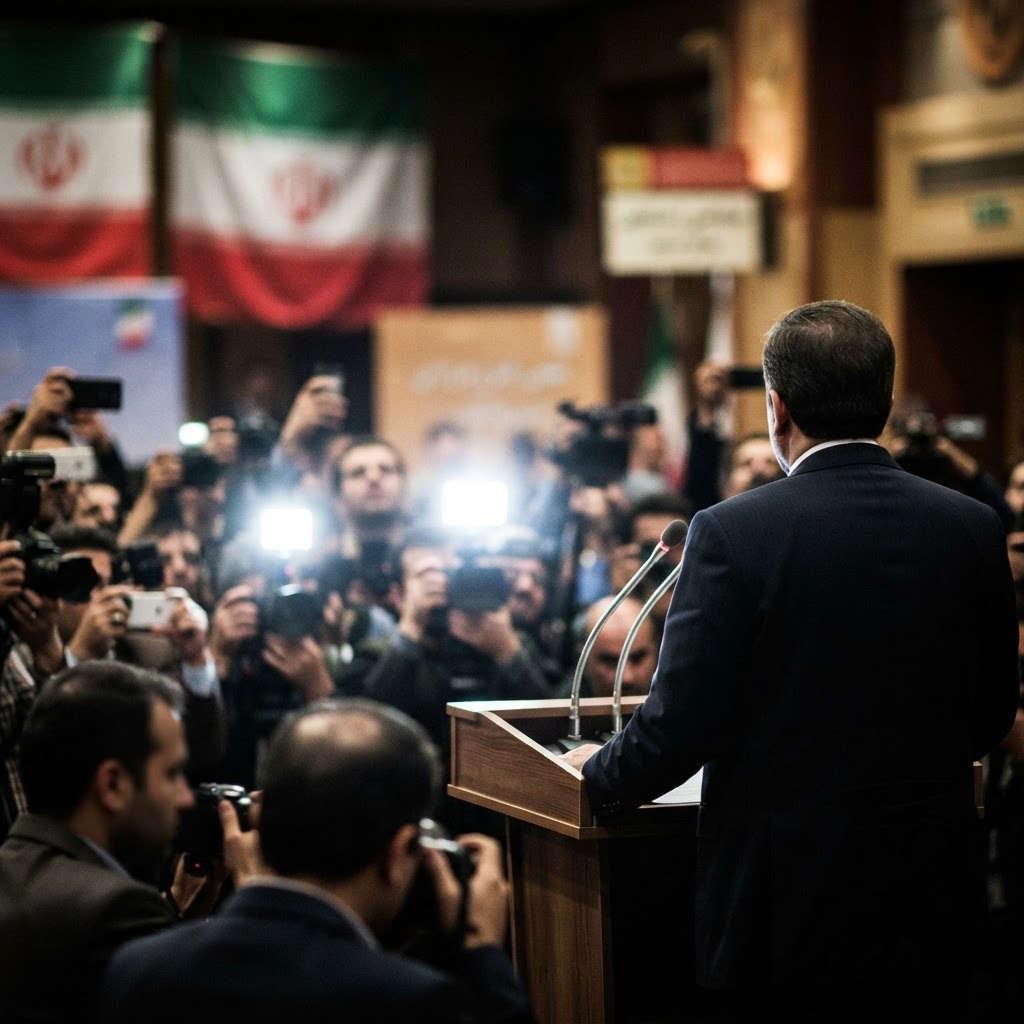
Defense Secretary Pete Hegseth, speaking at a Pentagon briefing on Wednesday, insisted that Washington is "meeting its war objectives" despite mounting Iranian counterattacks. "We are degrading their capacity. We are protecting American interests. And we will not stop until those objectives are achieved," Hegseth said.
But critics are pushing back hard. Nate Swanson, a former member of the Trump administration's Iran negotiating team, issued a stark public warning this week: "Iran is playing the long game. They have survived sanctions, assassination, and sabotage for decades. They are not going to fold in three weeks."
Israel has simultaneously expanded operations deeper into Iranian territory, now entering what military analysts are calling "Phase Three" of coordinated strikes — targeting missile launch infrastructure in western Iran. The White House has not confirmed whether U.S. forces are directly coordinating with Israeli operations, though officials say intelligence sharing remains robust.
Meanwhile, Iran's Foreign Minister Abbas Araghchi delivered a pointed message on Tuesday: "The Strait of Hormuz is open — but closed to our enemies. To those who carried out this cowardly aggression, there will be consequences."
The Economic Shockwave Hitting American Families
For many Americans, the war is not being felt on a battlefield — it's being felt at the gas pump, in grocery store aisles, and on airline booking screens.
Oil prices surged past $114 per barrel on Thursday morning after President Trump threatened to "massively blow up" a key Iranian natural gas field if Iran continues disrupting Gulf shipping. That price point — up from roughly $72 per barrel before the conflict — is now feeding directly into inflation across the U.S. economy.
- Gas prices at the pump have risen an average of 60 cents per gallon nationally since hostilities began, with some states in the South and Midwest reporting jumps of over $1.00.
- Airline tickets have surged as carriers reroute flights away from Middle Eastern airspace, adding hours and costs to international travel.
- Grocery prices are creeping up as transportation and logistics costs rise across supply chains.
- Natural gas prices in Europe and Asia have doubled, with U.S. markets seeing more muted but still significant increases.
The Washington Post reported this week that the conflict is raising serious concerns about a resurgence of inflation in the United States — just as the economy had shown signs of stabilizing following years of post-pandemic price pressures. The American Progress organization noted: "The war in Iran will raise fuel prices and costs throughout the economy."
President Trump, in remarks during a meeting with Japan's Prime Minister, sought to ease fears: "I am not putting troops in Iran. And frankly, the economic impact has been less bad than I thought it would be." Markets were not reassured — the Dow Jones fell over 800 points the same day.
A Nation Divided: The Politics of War
The conflict has exposed deep fractures within American society and within the Republican Party itself.
Polls show that while a slim majority of Americans initially supported targeted strikes against Iran's nuclear program, support for an extended military engagement has dropped sharply — particularly among independents and younger voters. Anti-war demonstrations have erupted in major cities including New York, Chicago, Los Angeles, and Atlanta, with protesters chanting "No War With Iran" and demanding congressional oversight.
On Capitol Hill, a bipartisan coalition of senators — including several Republicans — has introduced legislation invoking the War Powers Act, demanding the administration seek formal congressional authorization for continued military operations. The White House has rejected the effort, with officials arguing the President has full constitutional authority to act.
Democrats have been largely united in opposition. Senate Minority Leader Chuck Schumer called the conflict "a war of choice, not necessity," while progressive members of the House have introduced articles of impeachment — a move seen as largely symbolic but politically significant.
The Strait of Hormuz: The World's Most Dangerous Bottleneck
Perhaps no geographic feature has captured the world's attention more than the Strait of Hormuz — a narrow waterway just 21 miles wide at its narrowest point, separating Iran from Oman and the UAE.
The United States has deployed bunker-buster bombs and additional naval assets to the region in a bid to keep the strait open for commercial shipping. But Iran's threat to close it entirely — or to mine its waters — has sent shockwaves through energy markets globally.
The BBC reported this week that a full closure of the Strait of Hormuz would be "an economic catastrophe without modern precedent" — cutting off oil supplies to Europe, Asia, and much of the developing world simultaneously.
Trump has responded to Iran's threats with characteristic bluntness, posting on Truth Social: "Any attempt to close the Strait of Hormuz will be met with FORCE the likes of which Iran has never seen. America will not be held hostage."
What Comes Next?
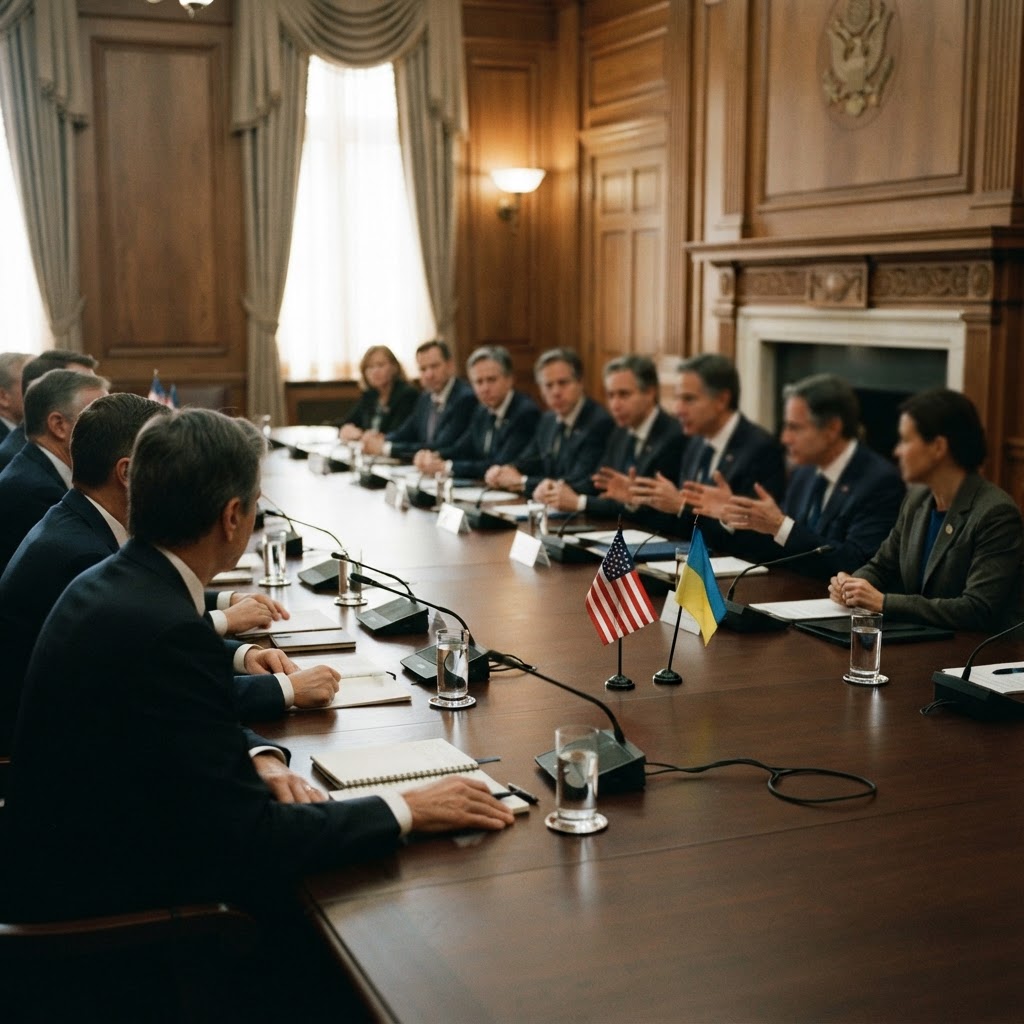
Diplomatic back-channels remain active. Qatar — which hosts the largest U.S. military base in the Middle East at Al Udeid — is reportedly playing a quiet intermediary role, with Qatari officials shuttling between Washington and Tehran. Oman has also offered to host formal negotiations.
But on the ground and in the air, the tempo of operations shows no sign of slowing. Military analysts at Chatham House warn that the conflict could stretch for months rather than weeks, with Iran likely to absorb punishment while looking for opportunities to strike at American vulnerabilities — from cyberattacks on U.S. infrastructure to proxy attacks through Hezbollah and Houthi forces.
For everyday Americans, the questions are immediate and urgent: How long will this last? How high will gas prices go? And is America prepared for the full weight of another Middle Eastern war?
For now, those answers remain dangerously uncertain.
The New Dispensation will continue to provide live coverage of the U.S.-Iran conflict. Follow us for breaking updates, analysis, and ground-level reporting as this story develops.
— TND Editorial Staff | March 19, 2026
Comments (0)
Be the first to share your thoughts!
Your voice matters. Every comment helps build our community.
Discussion Starters
No comments yet. Be the first to share your thoughts!