




America on a War Footing
The United States finds itself in the grip of a full-scale military confrontation with Iran — a scenario long dreaded by strategists and diplomats alike. What began as a series of escalating proxy skirmishes has now crossed into direct, declared hostilities, reshaping the geopolitical landscape of the Middle East and sending shockwaves through the American homeland.
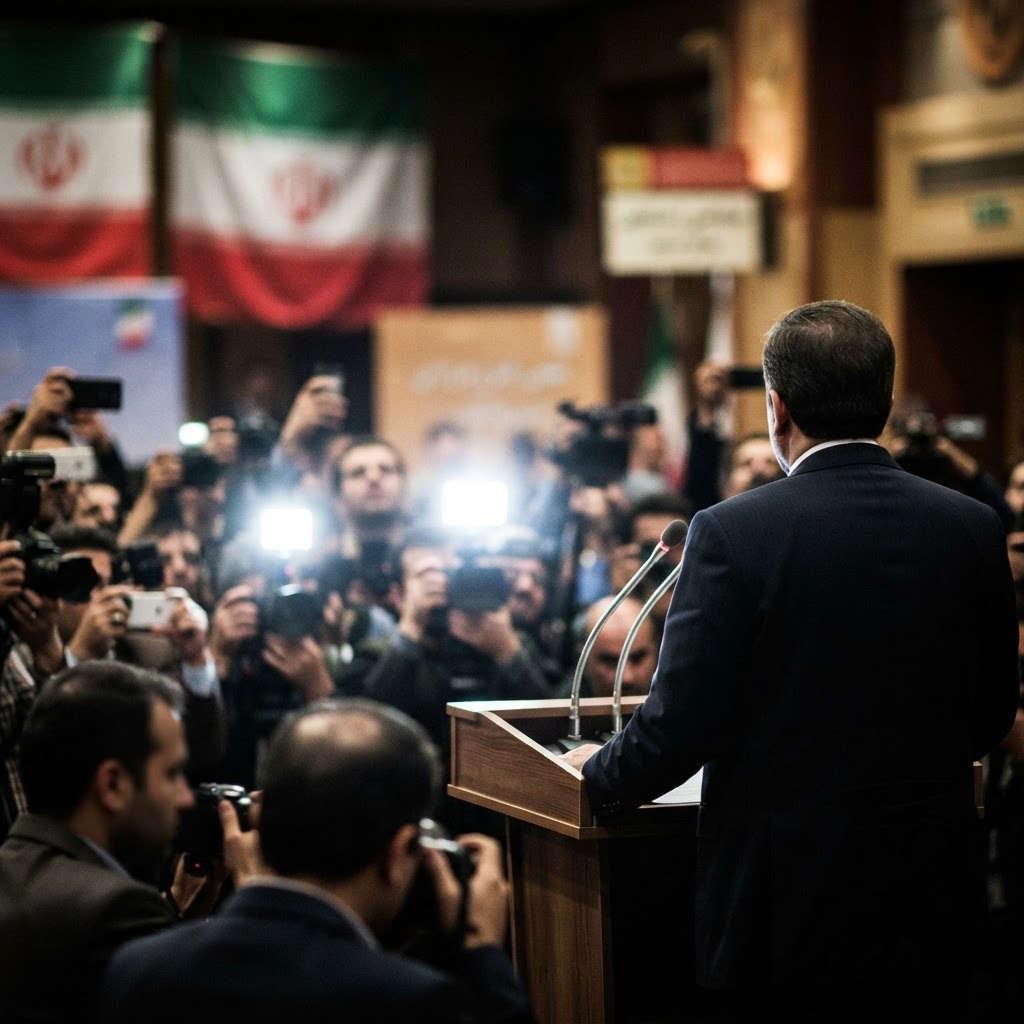
President Donald Trump, addressing the nation from the Oval Office, declared that the United States had "no choice but to act decisively" in the face of what he called "an existential threat posed by the Iranian regime to American interests, our allies, and global stability."
Military Operations Underway
The Pentagon confirmed that U.S. forces have carried out precision strikes on Iranian nuclear facilities, missile launch sites, and Revolutionary Guard command centers. The strikes, described by Defense Secretary Pete Hegseth as "surgical and overwhelming," targeted sites in Tehran, Isfahan, Natanz, and Fordow.
USS Abraham Lincoln and two additional carrier strike groups are positioned in the Persian Gulf and Arabian Sea, providing air superiority and strike capability. Marine expeditionary units remain on standby in the region as a contingency force.
Iran has responded with ballistic missile barrages targeting U.S. bases in Iraq, Qatar, and Bahrain, as well as drone swarm attacks on U.S. naval vessels. Casualties on both sides have been reported, though exact figures remain classified pending notification of next of kin.
Home Front: America Responds
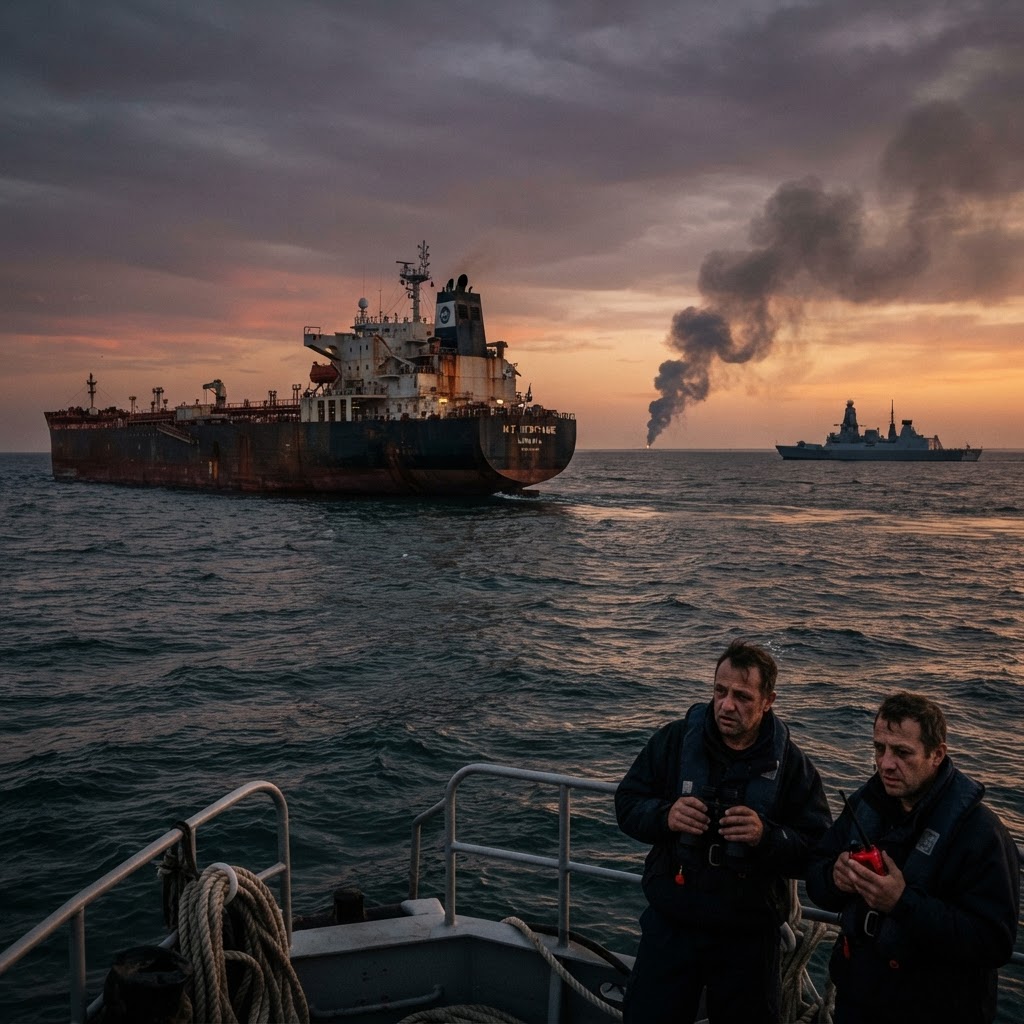
Across the United States, the mood is a complex mixture of fear, patriotism, and deep political division. Gas prices have surged past $5.80 per gallon nationally as oil markets react to threats against shipping lanes through the Strait of Hormuz — through which roughly 20% of the world's oil supply flows.
The Department of Homeland Security has raised the national threat level to Severe, citing credible intelligence of Iranian-linked sleeper cells potentially activated within the U.S. The FBI has opened dozens of new counter-terrorism investigations in cities including New York, Los Angeles, Houston, and Detroit.
Congress is sharply divided. Senate Republicans have largely rallied behind the President, passing an emergency war authorization resolution 52–48. Democrats, led by Senate Minority Leader Chuck Schumer, have condemned the operation as "reckless and unconstitutional," demanding a diplomatic off-ramp before the conflict spirals further.
Economic Fallout
The Dow Jones Industrial Average shed over 2,400 points in a single session — its worst single-day drop since the COVID-19 pandemic — as markets processed the reality of a prolonged Middle East war. Airlines have canceled all flights over Iranian airspace, rerouting international travel through significant detours.
The Federal Reserve held an emergency meeting, signaling it stands ready to provide liquidity to stabilize financial markets. Treasury Secretary Scott Bessent urged Americans not to panic, saying the U.S. economy "remains fundamentally strong" despite the turbulence.
Iran's Posture and Regional Spillover
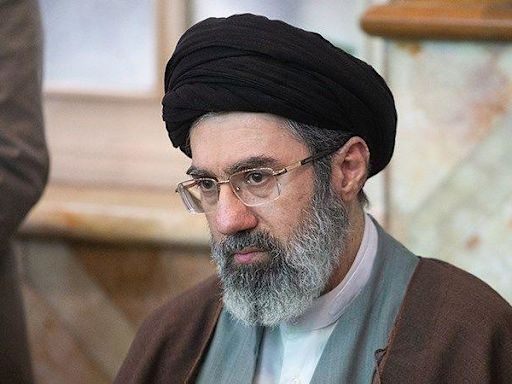
Tehran has vowed a "response that will make America tremble." Supreme Leader Mojtaba Khamenei — appointed only months ago following the death of Ali Khamenei — delivered a fiery address calling on all Muslim nations to rise against American "imperialism."
Hezbollah has fired rockets into northern Israel, triggering Israeli retaliatory air strikes on southern Lebanon. Yemen's Houthi movement has intensified attacks on Red Sea shipping. Iraqi Shia militias have launched rocket attacks on the U.S. Embassy's Green Zone in Baghdad.
Israel has declared a state of emergency and activated its Iron Dome and David's Sling air defense systems. Prime Minister Netanyahu confirmed Israeli and U.S. forces are "operating in full coordination."
Diplomatic Channels: Slim but Open
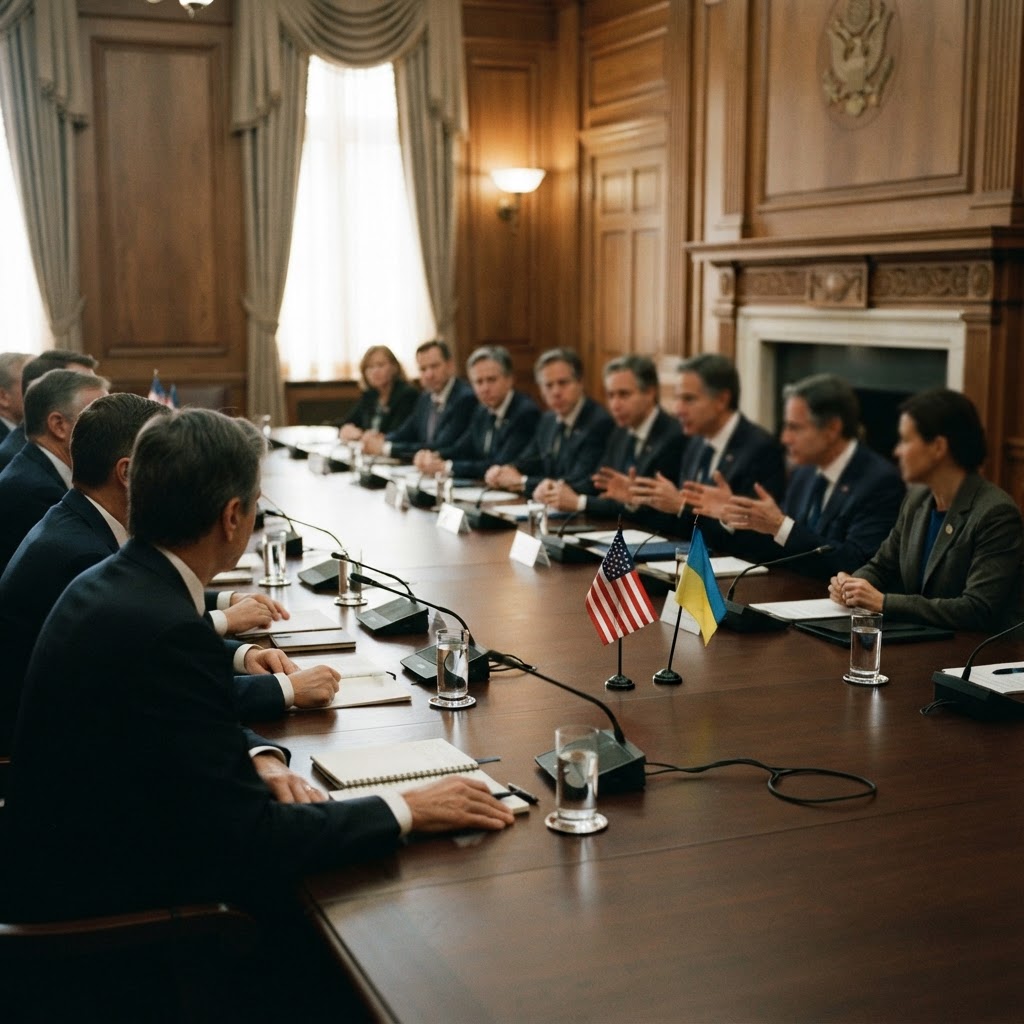
Despite the intensity of the fighting, back-channel communications between Washington and Tehran reportedly remain open through Omani and Swiss intermediaries. Former Secretary of State John Kerry, speaking on CNN, urged both sides to "step back from the abyss," warning that further escalation risks drawing in Russia, China, and other global powers.
The United Nations Security Council convened an emergency session, though prospects for a binding ceasefire resolution appear dim given expected vetoes from Russia and China on any resolution critical of Iran.
What Comes Next
Military analysts warn that the coming 72 hours are critical. If Iran activates its network of regional proxies in a coordinated multi-front assault, the scope of the conflict could expand dramatically. Conversely, if U.S. strikes have sufficiently degraded Iran's command and control infrastructure, Tehran may be forced to seek a negotiated pause.
For ordinary Americans — watching fuel prices rise, stock portfolios shrink, and casualty reports begin to filter in — the stakes could not feel more personal. The United States has not faced a conflict of this magnitude or uncertainty since the invasion of Iraq in 2003.
The New Dispensation will continue to provide live, in-depth coverage of this rapidly evolving crisis. Updates will be published as events develop.

Comments (0)
Be the first to share your thoughts!
Your voice matters. Every comment helps build our community.
Discussion Starters
No comments yet. Be the first to share your thoughts!