





TND News Desk | November 23, 2026
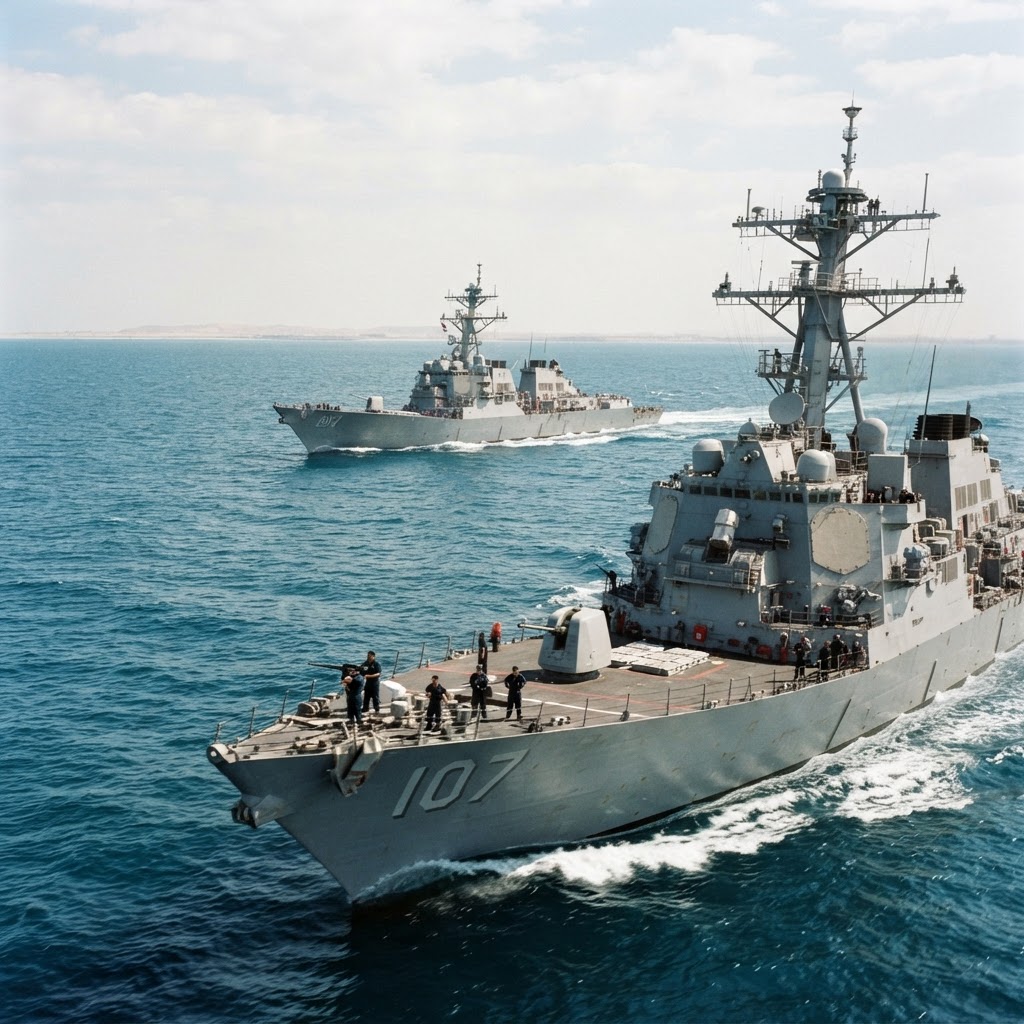
The United States has decided to postpone any potential military strike on Iran by at least a week, despite mounting pressure from Israeli Prime Minister Benjamin Netanyahu for a joint offensive. White House officials indicate that President Donald Trump is unlikely to authorize an attack in the coming days, with some advisers suggesting he may wait until after the New Year before ordering further military action. The delay comes as the region remains locked in a tense military and economic standoff, with both Washington and Tehran gambling that time is on their side.
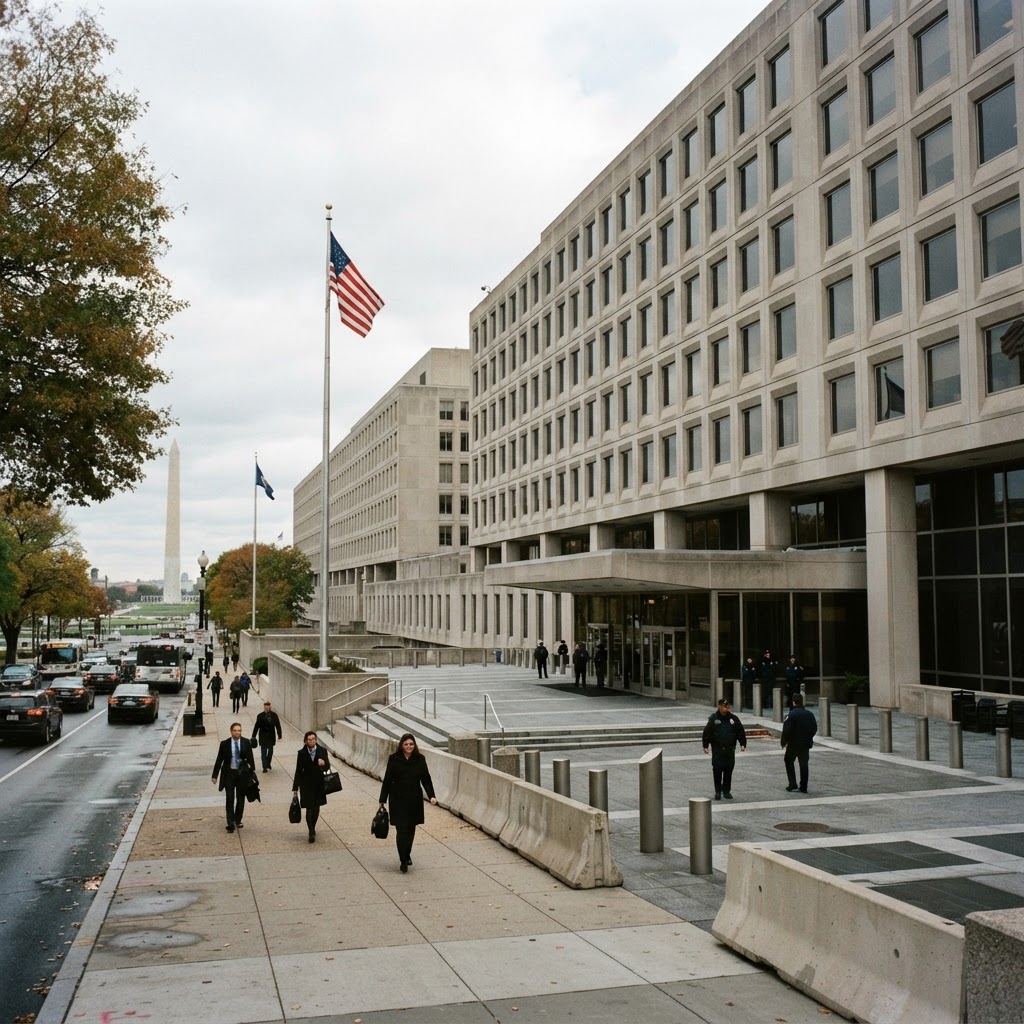
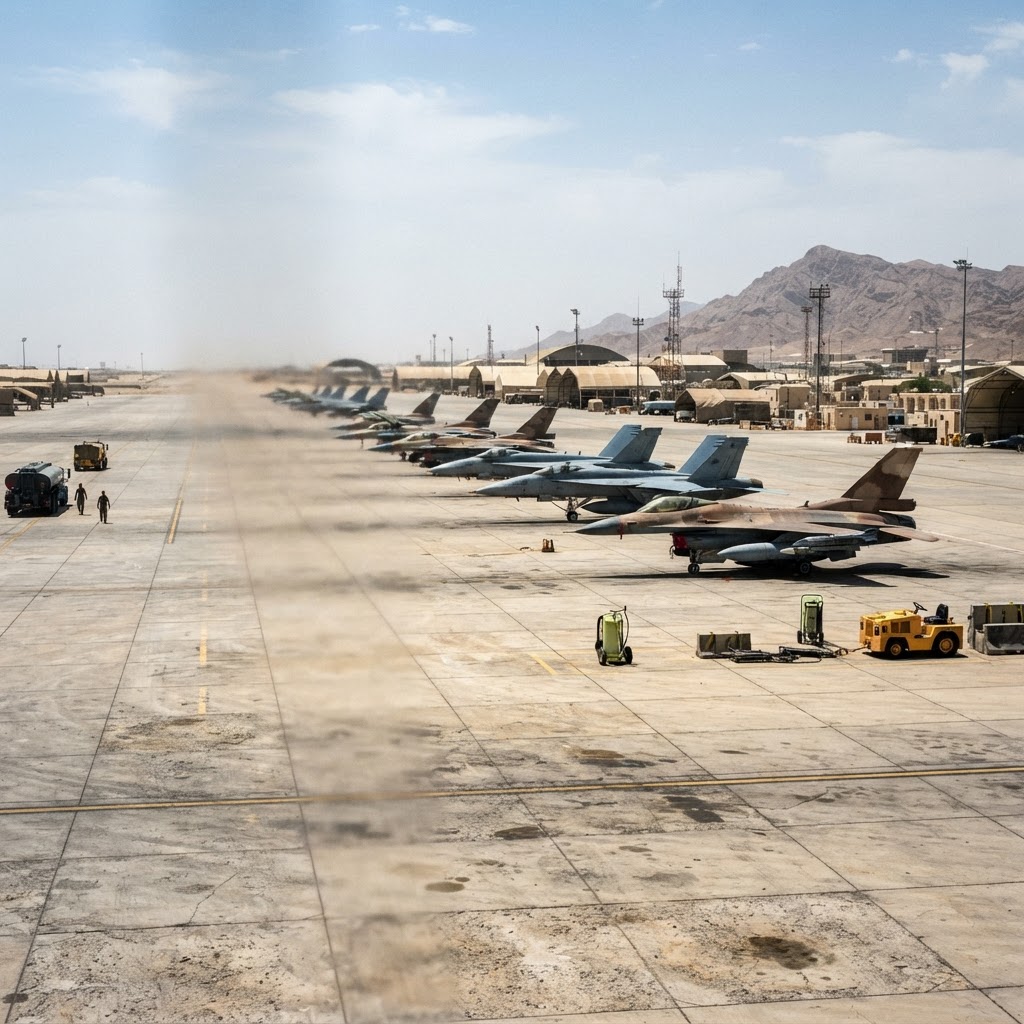
According to Israeli news outlet Ynet, Netanyahu has been pushing for a short, intensive military campaign lasting several days, which he believes could significantly weaken the Iranian government. However, Trump's advisers remain divided over whether to continue the US economic blockade of Iran or launch another military offensive. Some officials question whether renewed strikes would achieve the objectives set out by the Israeli government. Meanwhile, US Central Command is reportedly at maximum readiness. According to i24NEWS, CENTCOM is pushing for a clear directive to either proceed with a military strike alongside Israel or stand down entirely amid the heightened tensions in the Strait of Hormuz.
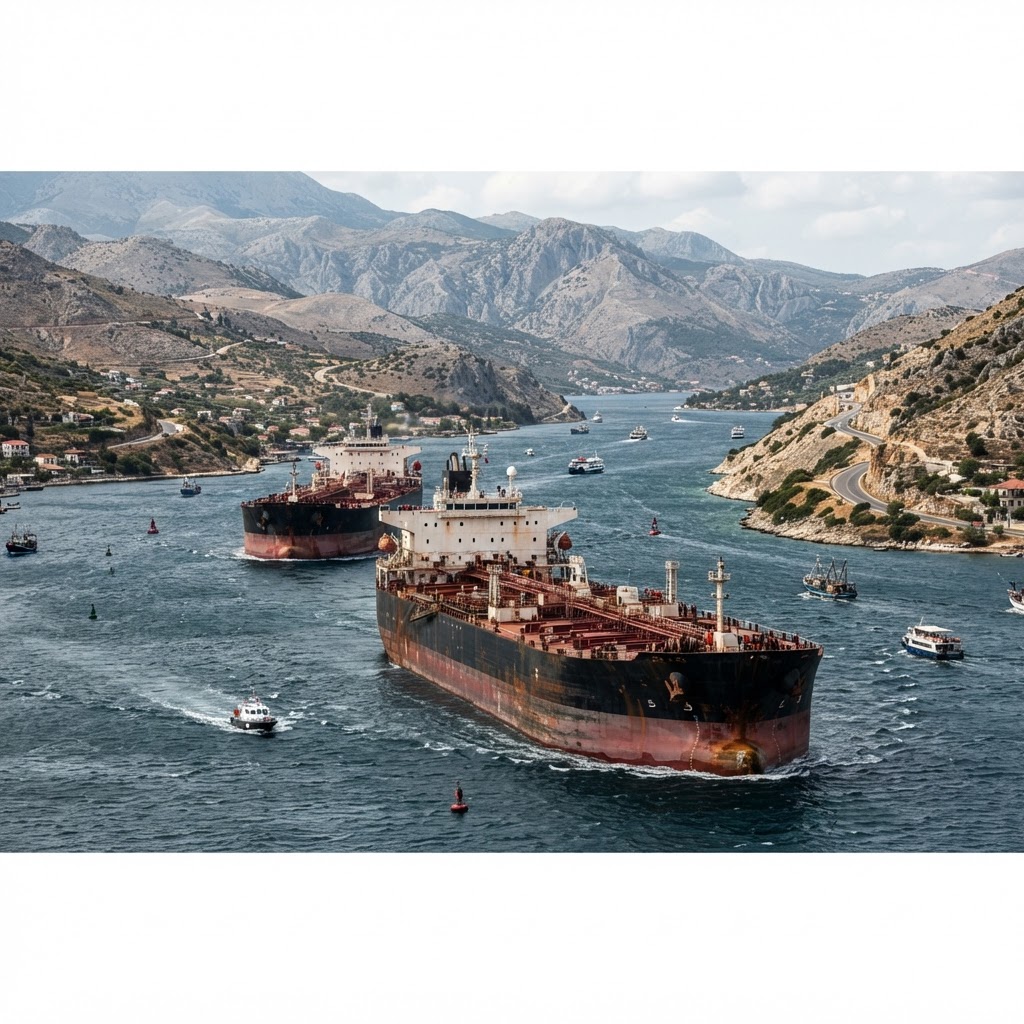
The situation in the Strait of Hormuz remains highly volatile. An Iranian lawmaker, Abolfazl Aboutorabi, stated on Monday that Iran hits an average of about 10 tankers it considers violating vessels each day. He added that oil traffic through the southern route of the Strait of Hormuz has fallen significantly and warned that the waterway would not return to its prewar conditions. In response, President Trump has asserted that the US Navy maintains total control over the strait, citing record amounts of oil removed from the area last week as evidence of a successful American blockade.
Diplomatic Efforts and Regional Fallout
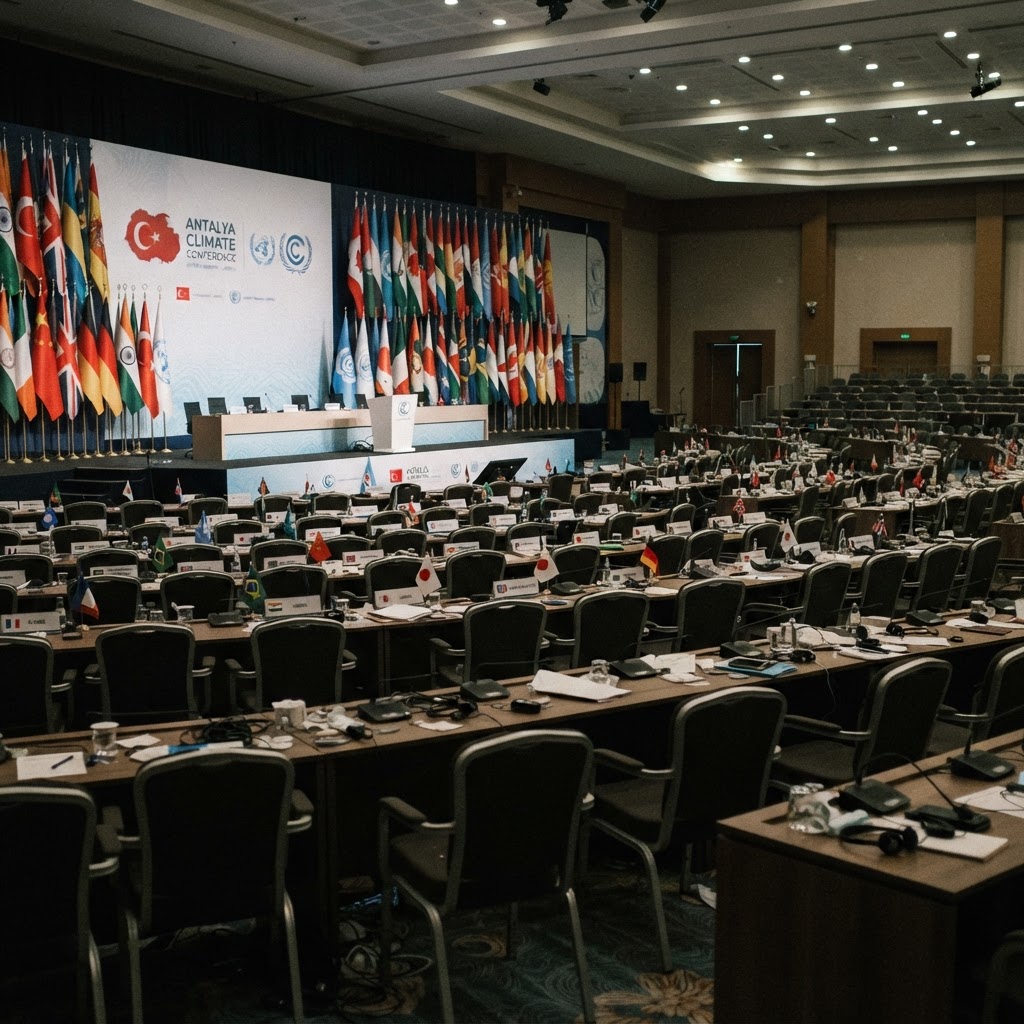
Diplomatic channels remain active, albeit strained. US Secretary of State Marco Rubio is scheduled to meet Qatari Prime Minister and Foreign Minister Mohammed bin Abdulrahman Al Thani in Washington on Monday, according to the US State Department. Qatar has been playing a central role in mediating between Washington and Tehran. Iranian Foreign Minister Abbas Araghchi confirmed that Qatari mediators have traveled to Tehran, urging the United States to accept Iranian conditions for reopening the Strait of Hormuz. Tehran insists that the US blockade must be lifted, frozen assets released, and oil sales restored before substantive talks on its nuclear program can begin.
The broader regional impact of the conflict continues to unfold. The United Arab Emirates, Qatar, and Saudi Arabia have condemned recent Iranian attacks on Bahrain, which included a strike on a civilian industrial facility. The ongoing missile and drone attacks by Iran and Iran-backed Houthis have severely strained Saudi Arabia's air defense capabilities. As a result, Riyadh is seeking weapons from Ukraine, South Korea, and other suppliers to replenish depleted interceptor stockpiles and reduce its reliance on American military equipment, according to the Los Angeles Times. South Korea, meanwhile, has denied any direct military involvement in the US-Israeli war against Iran, stating that the extension of its anti-piracy unit in the Gulf of Aden is strictly to protect its own ships and citizens from rising piracy.
Sources: Iran International, Ynet, i24NEWS, Reuters, The Atlantic, Los Angeles Times, Al Jazeera, Open Magazine
Comments (0)
Be the first to share your thoughts!
Your voice matters. Every comment helps build our community.
Discussion Starters
No comments yet. Be the first to share your thoughts!