





A Season of Stagnant Certainty
As of August 11, 2026, the European Union finds itself in a period of profound macroeconomic and geopolitical recalibration. Following the European Central Bank’s (ECB) decision on July 23 to maintain interest rates, the continent remains caught between the necessity of curbing inflation and the desire to stimulate growth in an environment defined by high energy price volatility.
Monetary Policy and the Economic Outlook
The ECB’s Governing Council has signaled a cautious approach, keeping key interest rates unchanged as the full inflationary impact of recent energy shocks continues to ripple through the euro area. According to the ECB’s August 2026 Economic Bulletin, while headline inflation declined to 2.8% in June, the outlook remains clouded by uncertainty. The ECB has emphasized that fiscal responses to energy price fluctuations must remain temporary and targeted to avoid undermining long-term public finance stability.
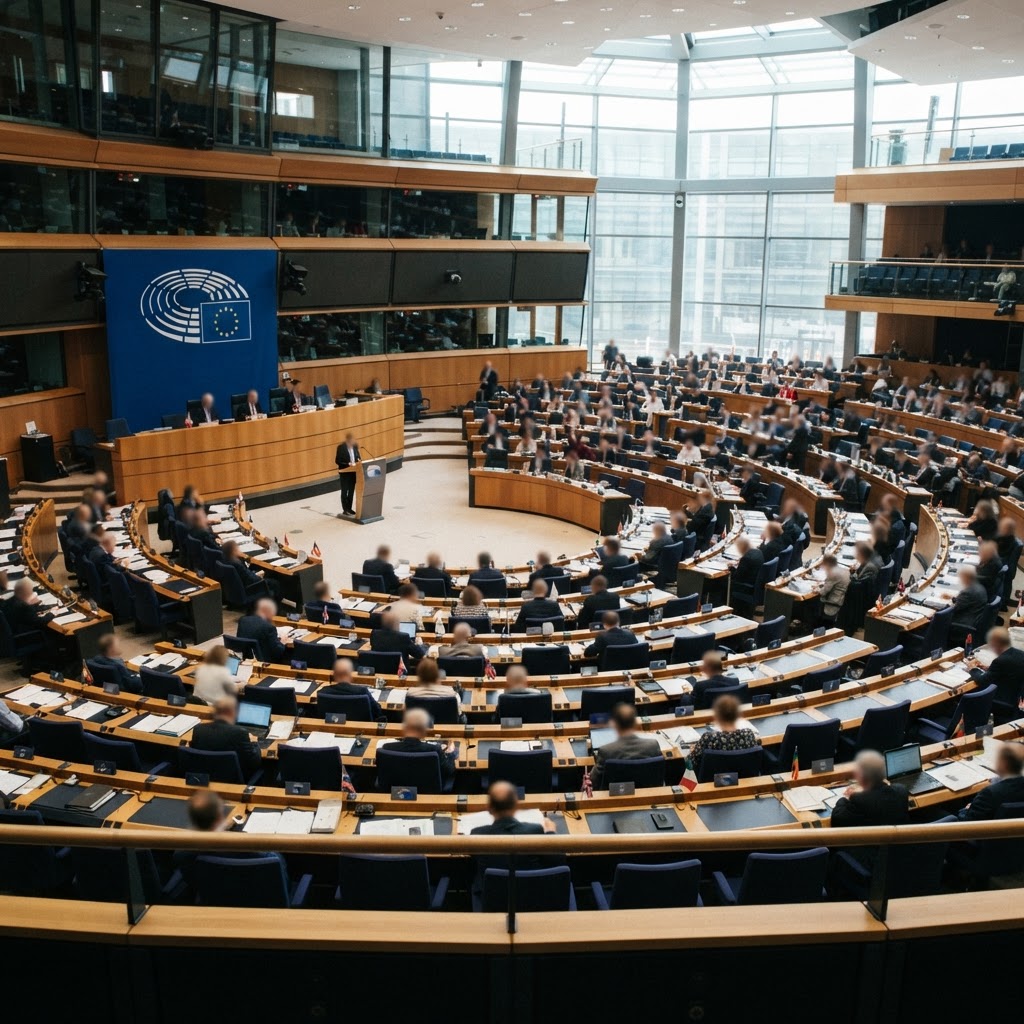
The cost of not knowing: economic uncertainty has increasingly become a defining feature of the macroeconomic environment, weighing on consumption and investment across the euro area.
Market analysts remain divided on the path forward. While some anticipate a potential rate hike in September to combat persistent price pressures, others look toward 2027 for a pivot toward easing, depending heavily on how quickly energy markets stabilize.
Security and the Conflict in Ukraine
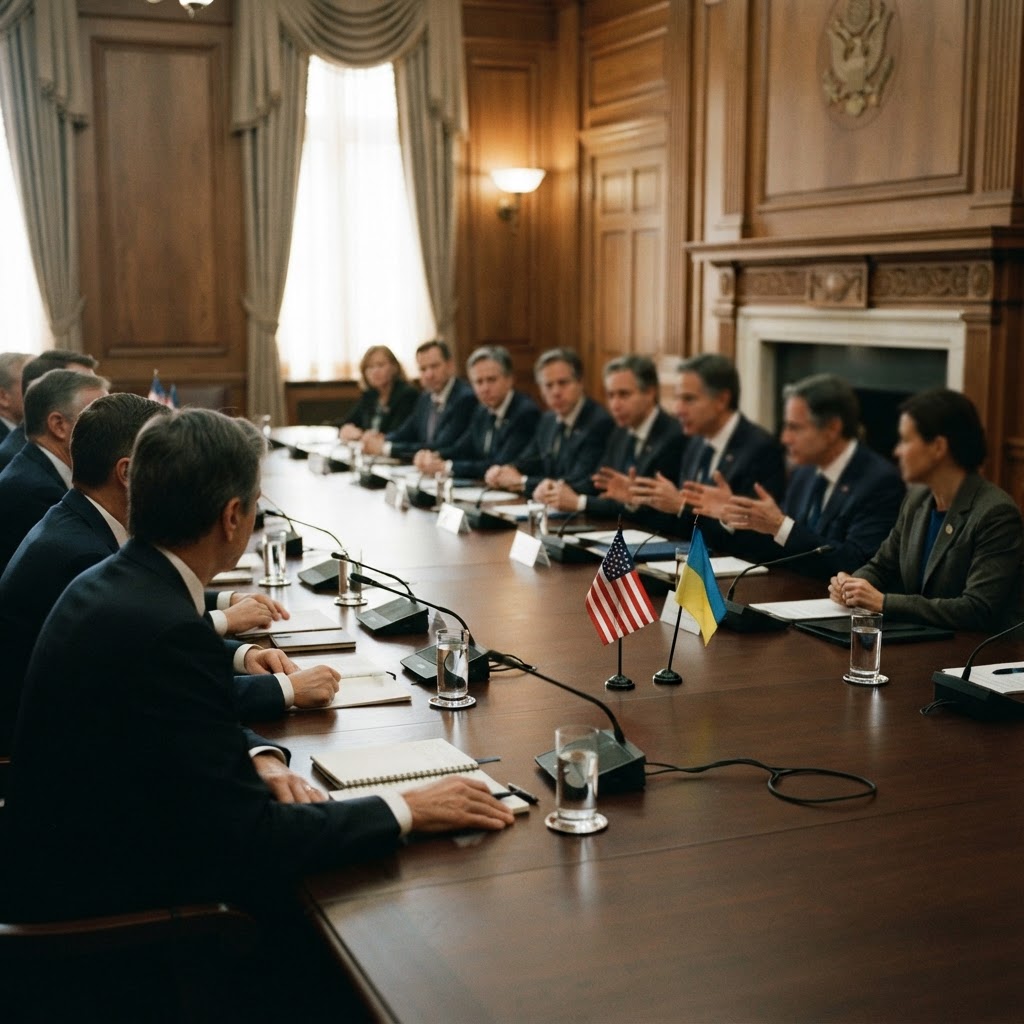
The war in Ukraine remains the primary driver of European security policy. As of early August, the Council of the European Union continues to tighten restrictive measures, recently sanctioning five additional individuals linked to Russia’s military-industrial complex. Despite the resilience of the Ukrainian defense strategy, the political climate in the West has grown increasingly complex. Reports indicate that the initial optimism surrounding Ukraine’s strategic shifts has been tempered by ongoing concerns regarding internal governance and the evolving nature of transatlantic relations, particularly as the EU monitors the political landscape in the United States.
Strategic Priorities: Digitalization and the Single Market
Beyond immediate crises, EU leadership is pushing forward with structural reforms. A significant milestone was reached in July 2026 with the European Parliament’s positive vote on the digital euro. EU institutions are now working toward a consensus on the broader Single Currency Package, aiming for an agreement by the end of the year. These efforts are part of a wider strategy to simplify the Single Market and enhance European competitiveness in the face of global economic headwinds.
Unresolved Challenges
As the summer progresses, several issues remain unresolved. The "energy shock" continues to affect household consumption unevenly, and the ECB has noted that the "ripple effects" of conflicts in the Middle East are still being traced through the European economy. Furthermore, the EU’s relationship with major global powers, including China, remains a delicate balancing act, with upcoming summits expected to address trade imbalances and the "China Shock 2.0" concerns currently being debated in financial circles.
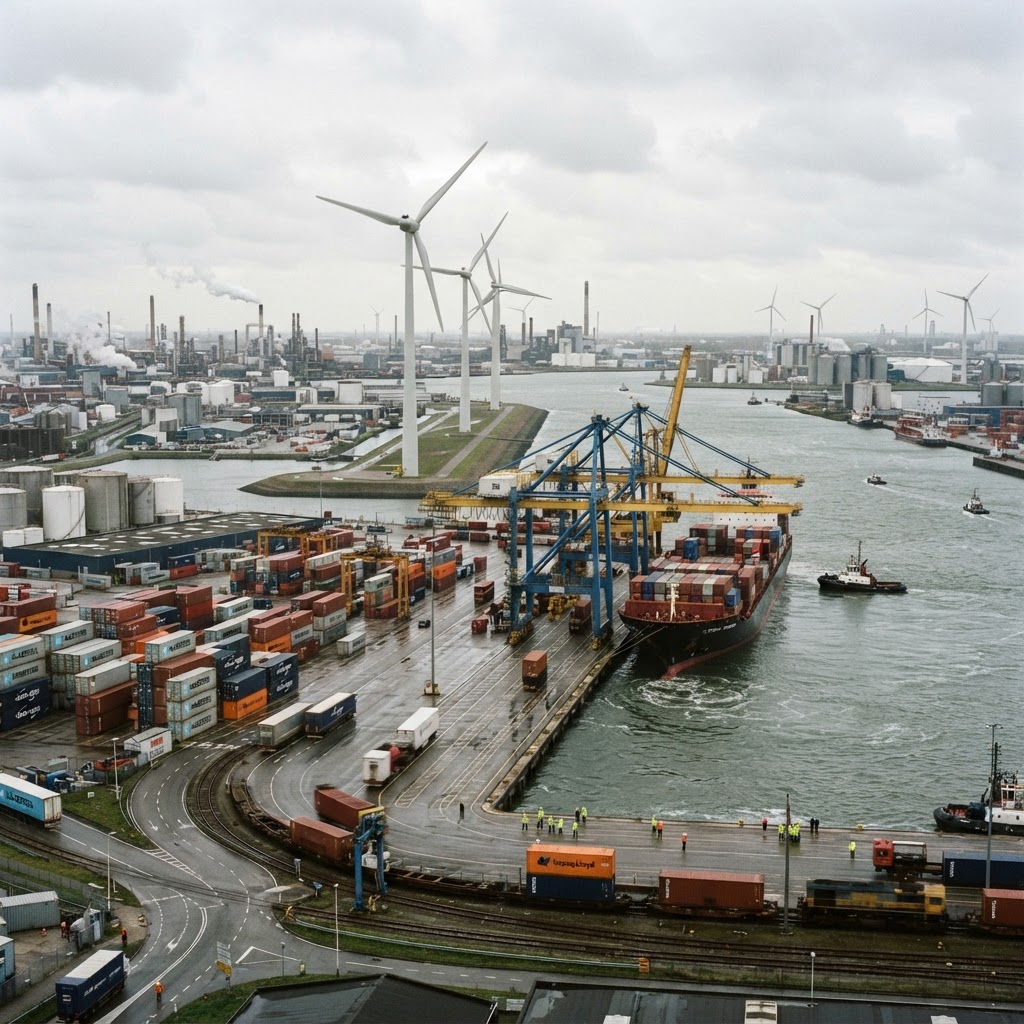
For now, Europe remains in a state of watchful waiting. Whether the resilience noted by policymakers in the spring can withstand the pressures of the coming autumn will depend on the success of current fiscal reforms and the ability of the bloc to maintain a unified front in an increasingly fragmented global order.



Comments (0)
Be the first to share your thoughts!
Your voice matters. Every comment helps build our community.
Discussion Starters
No comments yet. Be the first to share your thoughts!