



Europe’s main capitals are moving in the same direction
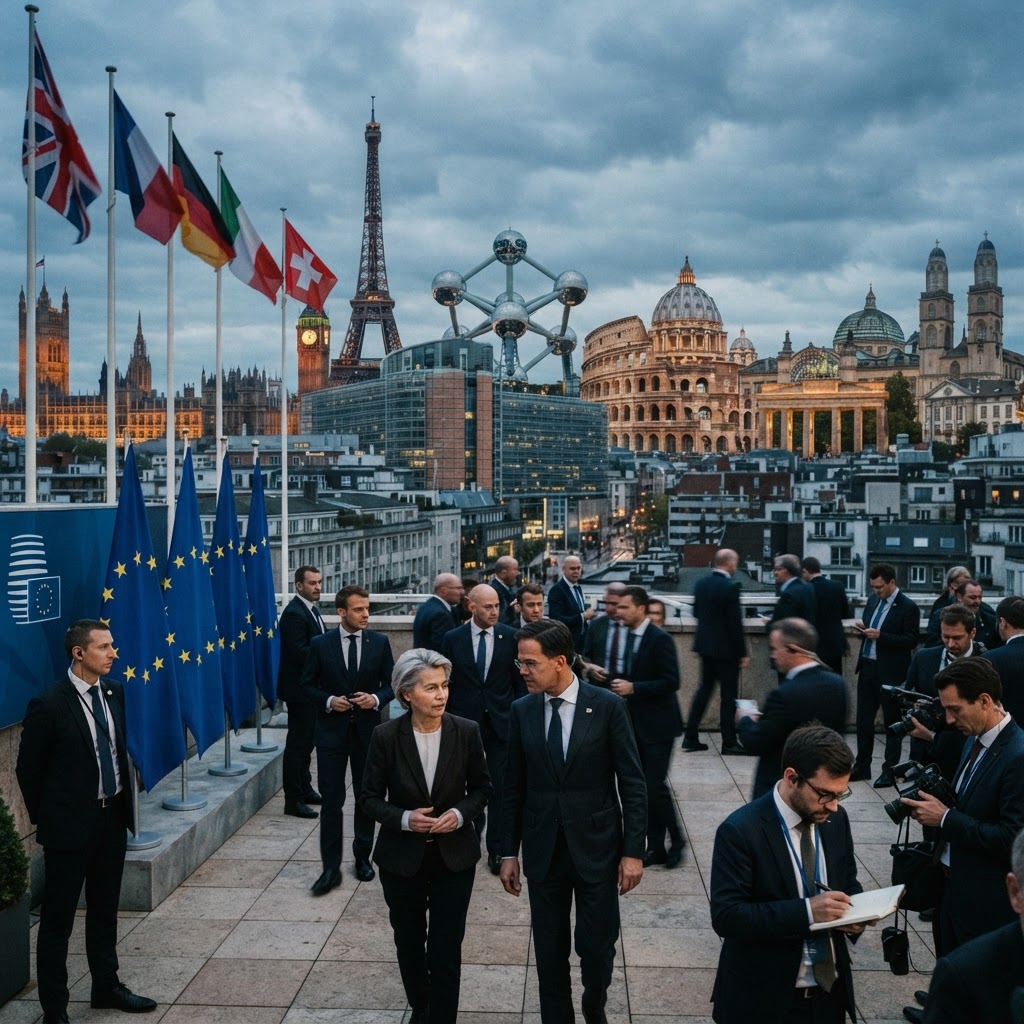
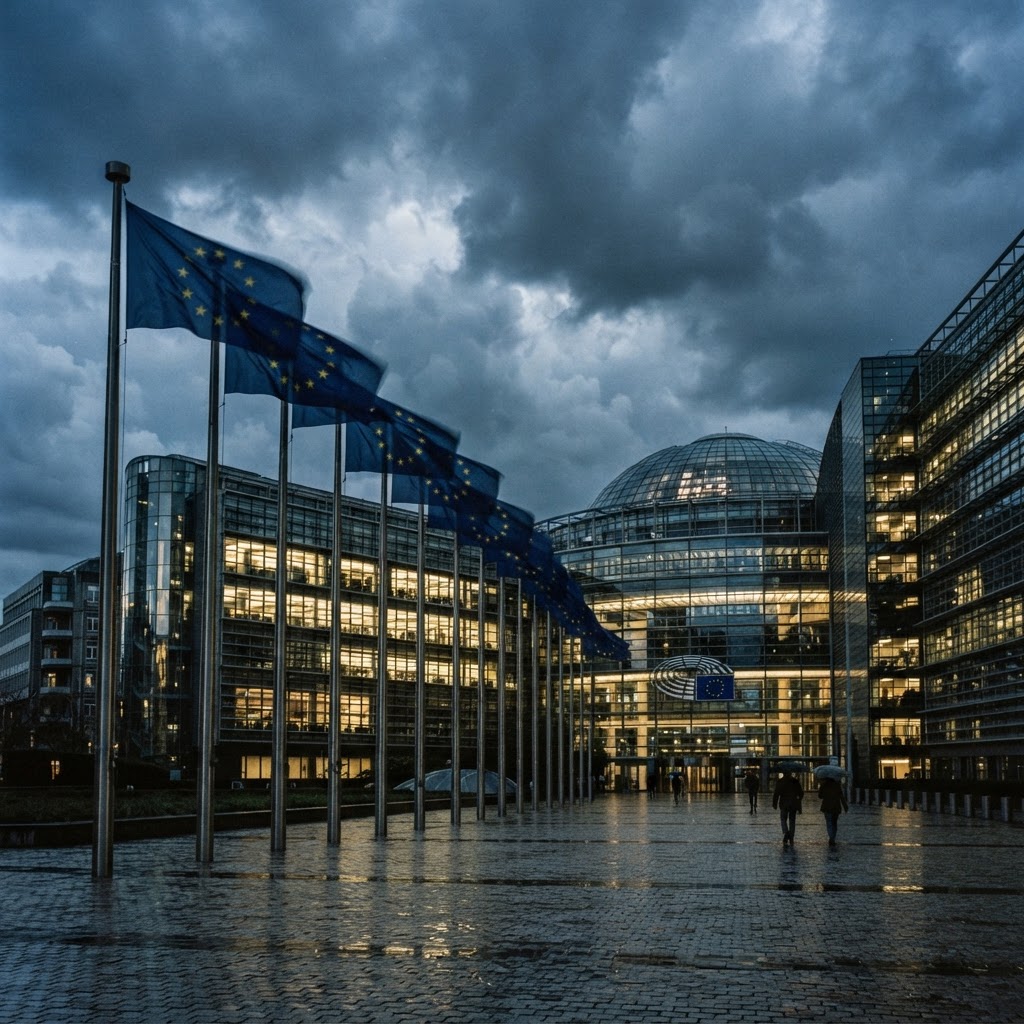
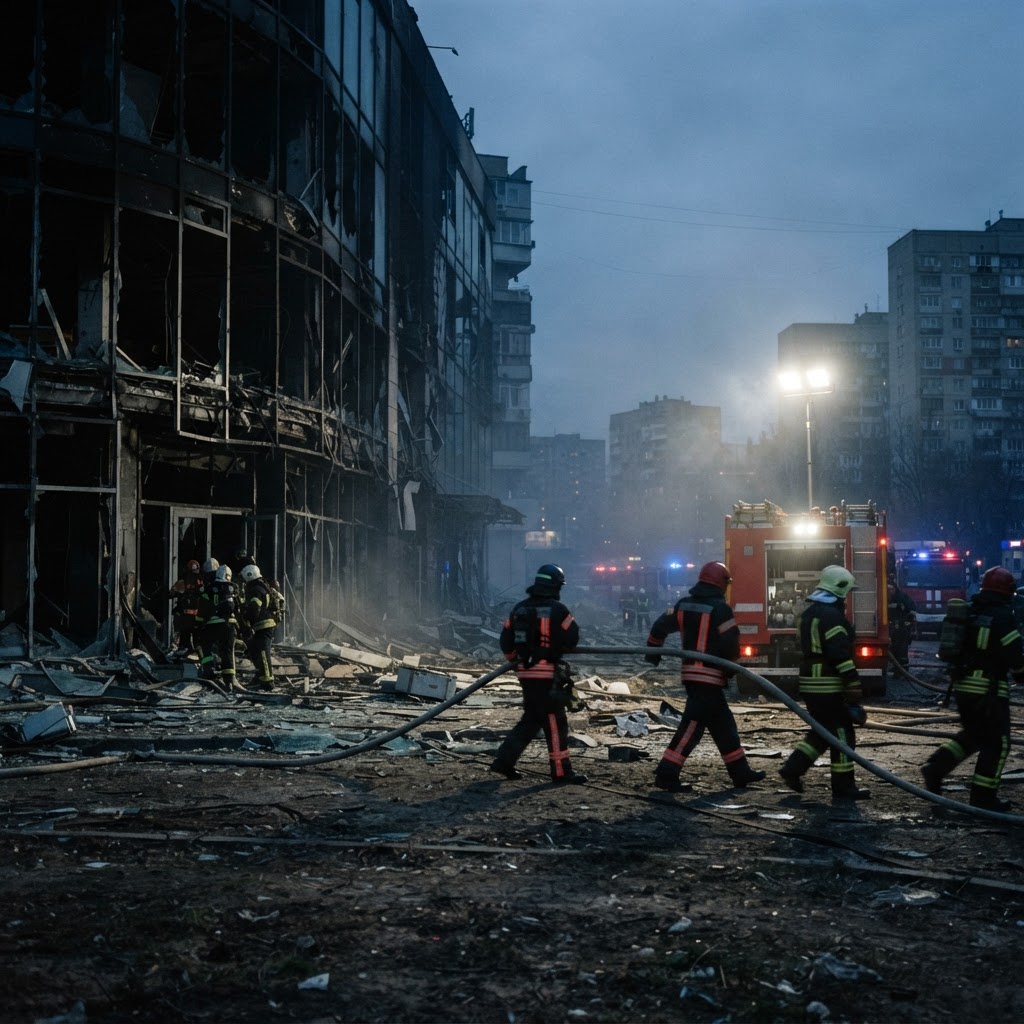
Across the European Union and its closest partners, a common message is becoming clearer: the continent is entering a period in which security, economic competitiveness and strategic resilience can no longer be handled separately. Recent high-level discussions in Brussels have reinforced that mood, with European leaders emphasizing defence readiness, fair global competition, support for Ukraine and the need to shield households and industries from renewed external shocks.
While the European Union remains the central political platform for these discussions, the wider European picture also includes the United Kingdom, Switzerland and Norway, along with key EU states such as France, Italy, Germany, Belgium and Denmark. Together, they form the core of a continent now trying to balance military preparedness, trade stability and domestic political pressure all at once.
Brussels remains the strategic center
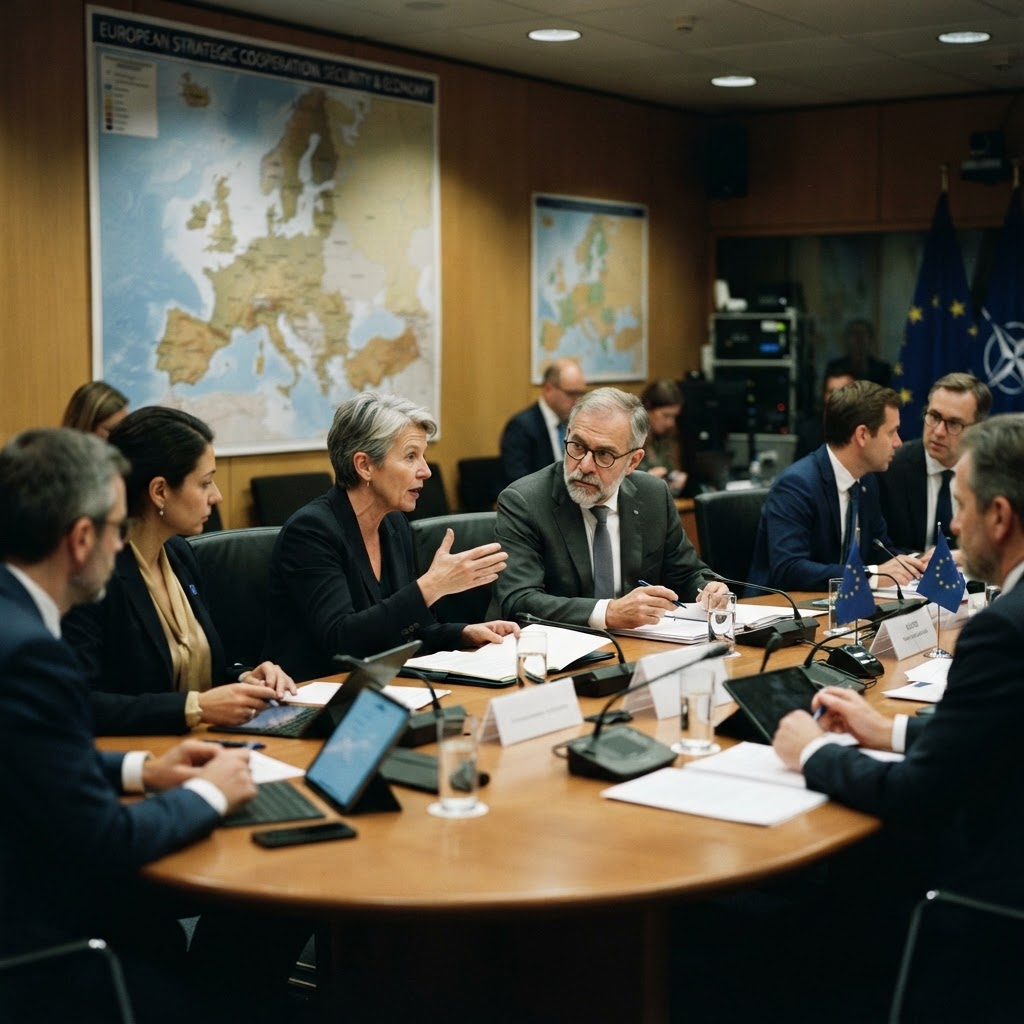
The European Council’s June conclusions showed how broad the agenda has become. Leaders addressed not only support for Ukraine and European defence, but also competitiveness, migration, long-term budgeting and the pressures created by a more confrontational global environment. That matters because Brussels is no longer serving only as a diplomatic hub; it is increasingly where Europe’s competing priorities are being forced into a single strategy.
Belgium, as the host of many of the bloc’s most important institutions, has again found itself at the center of decisions that affect the entire continent. But the decisions made there are being shaped heavily by the political weight of larger member states and by the growing involvement of non-EU partners that remain critical to Europe’s stability.
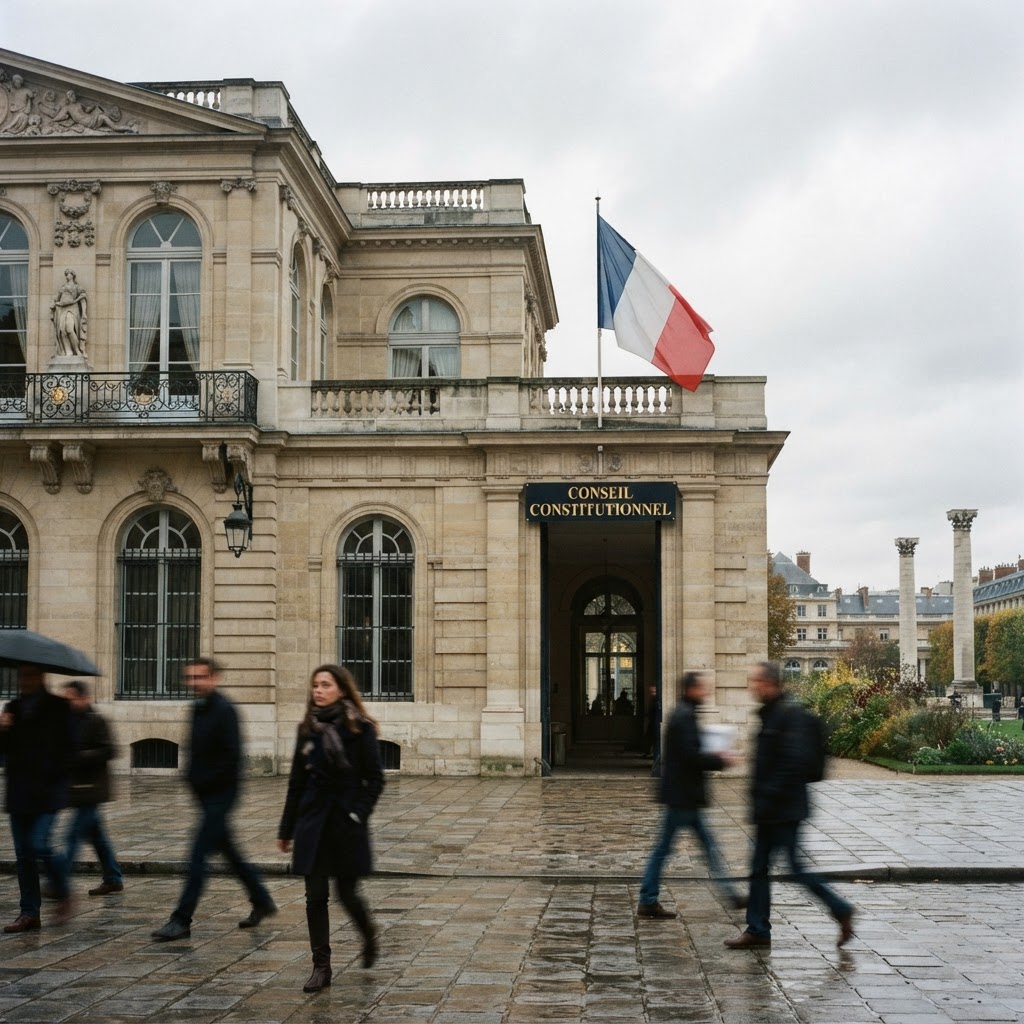
France, Germany and Italy are carrying the political weight
France and Germany remain indispensable to Europe’s political direction, especially on defence, industrial policy and the future pace of integration. Berlin is under pressure to pair economic discipline with stronger strategic investment, while Paris continues to argue that Europe must be able to defend itself and protect its industries in a harder geopolitical climate. Italy, for its part, remains central to questions of Mediterranean migration, energy routes and the bloc’s broader economic balance.
Together, the three countries are acting as anchors of the European project even as each faces its own domestic pressures. That combination of internal strain and external urgency is one reason Europe’s conversations now sound more serious and more coordinated than they did only a few years ago.
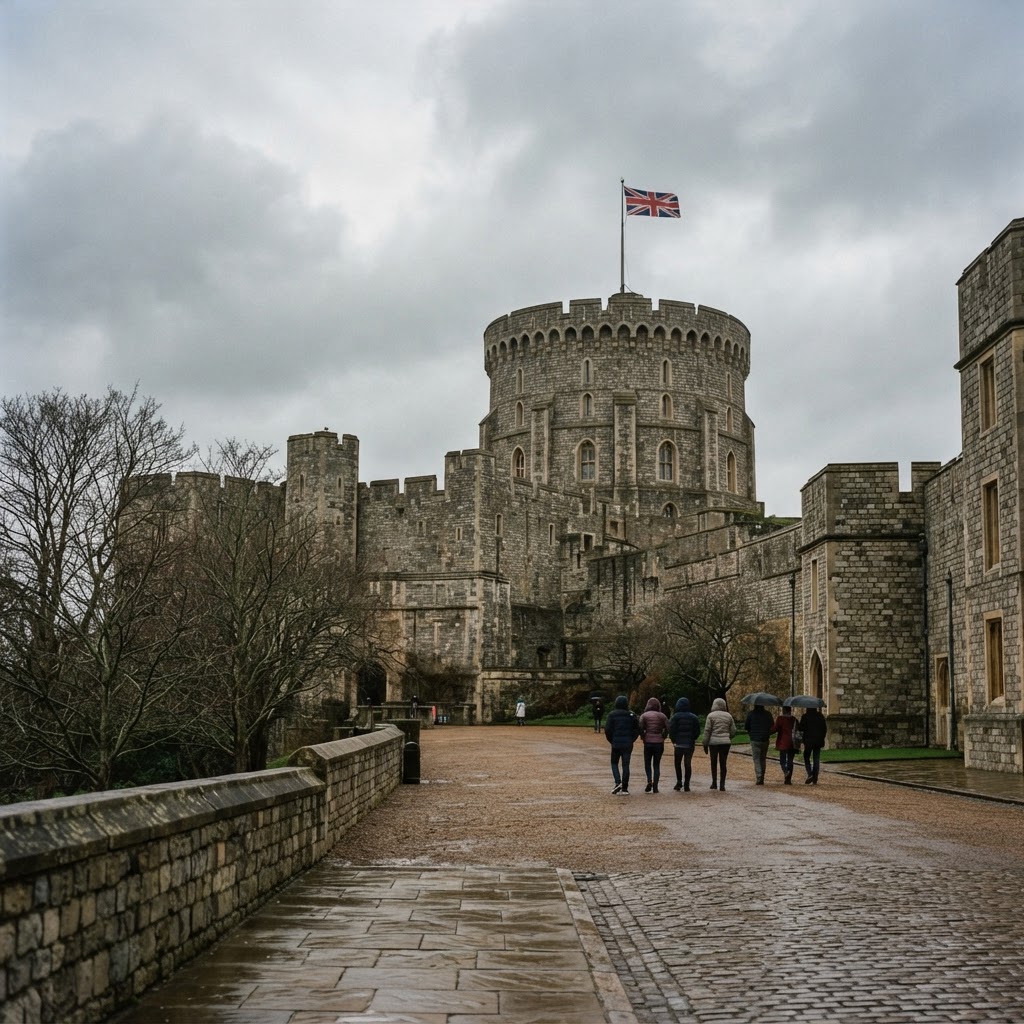
The UK, Switzerland and Norway are outside the EU, but not outside the moment
The United Kingdom is no longer inside the European Union, yet it remains deeply bound to continental security and economic stability. London’s role in defence coordination, sanctions strategy and diplomatic positioning means that it continues to shape the European response to major crises even from outside EU institutions.
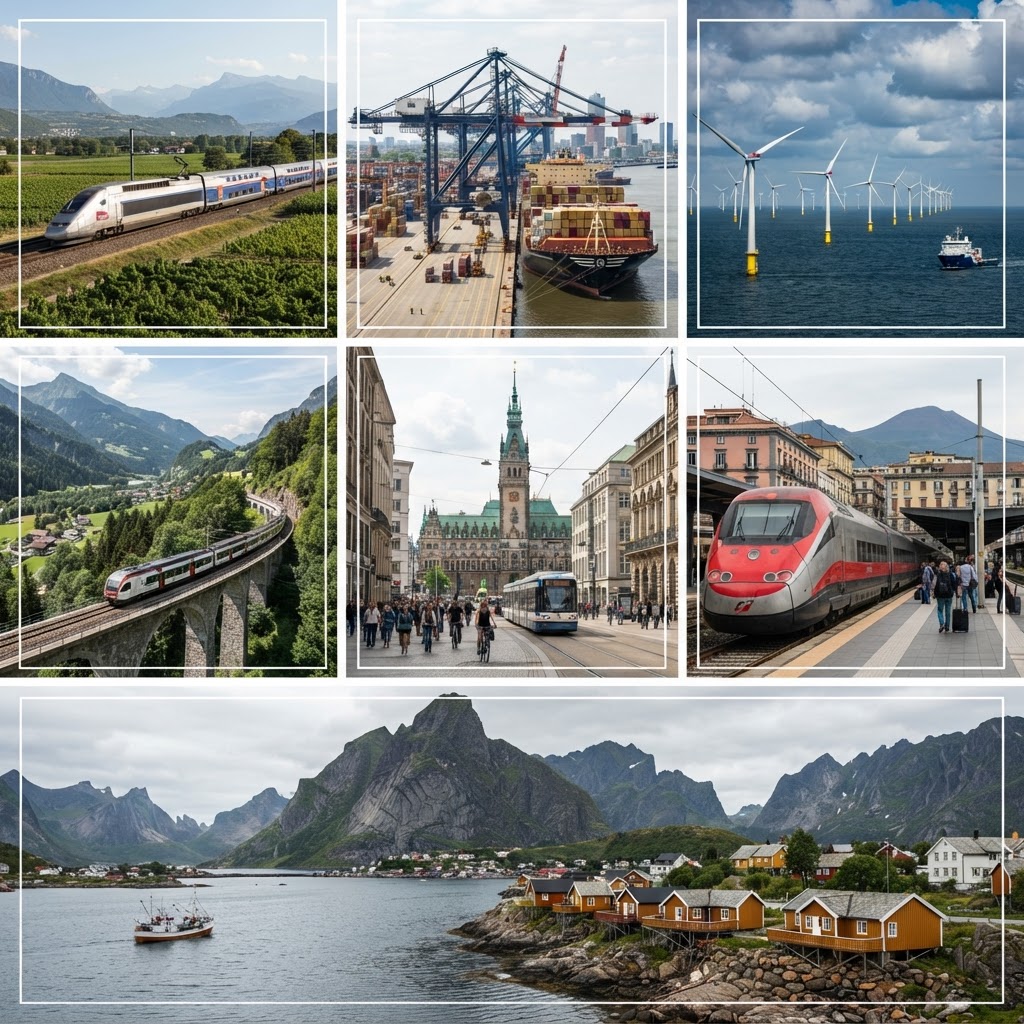
Switzerland and Norway occupy different but equally important positions. Switzerland remains a financial and diplomatic power whose stability matters well beyond its borders, while Norway’s importance in energy and regional security has grown as Europe looks for dependable supply and strategic depth. Denmark, meanwhile, continues to carry influence beyond its size through its role in defence debates, Arctic and Baltic security and broader northern European coordination.
What unites these countries now
What links the EU, the UK, France, Italy, Germany, Switzerland, Belgium, Denmark and Norway is not identical politics. It is shared exposure to the same forces: war on the continent’s periphery, fragile trade relationships, energy vulnerability, industrial competition and voter fatigue after years of crisis politics. In that environment, governments that once treated defence, migration, energy and competitiveness as separate files are increasingly managing them as parts of one larger survival strategy.
That does not mean unity is automatic. There are still sharp differences over budgets, trade protections, migration burdens and how far Europe should go in building its own strategic independence. But the broad direction is unmistakable: more coordination, more contingency planning and a stronger willingness to act together when pressure rises.
A continent still searching for balance
The challenge for Europe is that acting together is easier to declare than to sustain. Stronger defence capacity costs money. Economic protection can create trade friction. Tighter migration controls bring moral and political disputes. And every country on the list, from Germany to Norway, is still answerable first to its own voters.
Yet the bigger reality may leave little alternative. The European project, and the wider network around it, now faces a world in which passivity carries its own risks. That is why Brussels, London, Paris, Rome, Berlin, Bern, Copenhagen and Oslo are increasingly speaking in the language of preparedness rather than comfort. The old European model was built around stability; the emerging one is being built around resilience.
Comments (0)
Be the first to share your thoughts!
Your voice matters. Every comment helps build our community.
Discussion Starters
No comments yet. Be the first to share your thoughts!