




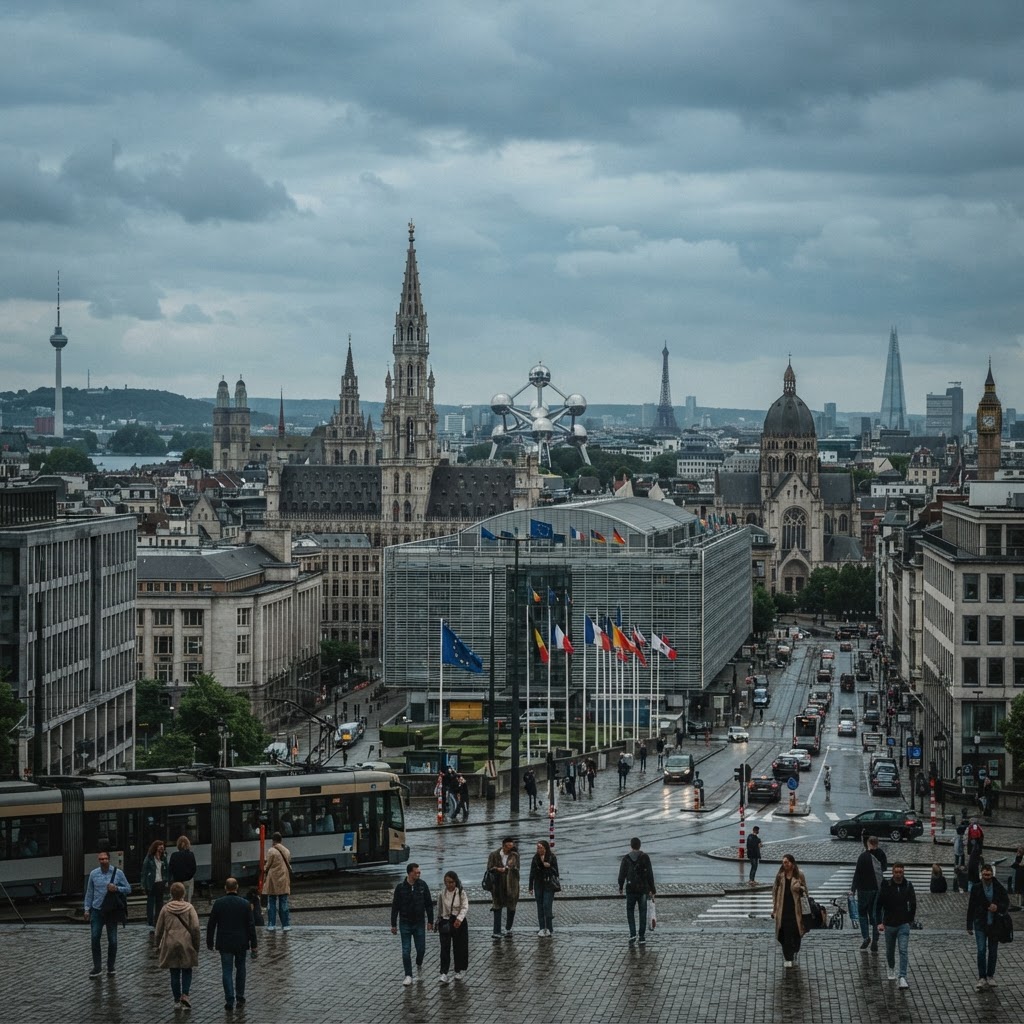
Europe’s news cycle on Thursday is being driven by a mix of climate pressure, economic unease and political tension, with the European Union, the United Kingdom, France, Germany, Belgium and Switzerland all facing sharply different versions of the same question: how much strain can governments absorb at once?
Across the continent, the themes are connected. Record heat and wildfires are testing emergency systems. Inflation and trade worries are shaping public mood. Security concerns are feeding new scrutiny in Brussels and beyond. Taken together, the day’s headlines sketch a Europe that is still functioning, but under visible pressure.
EU: a continent under heat and political pressure
At the European level, the most urgent shared story is the climate emergency spreading across multiple countries. Reuters reported that France, Spain and Greece are battling major wildfires as Europe swelters, while other coverage has highlighted widening stress from drought, heat and emergency evacuations. The EU picture is not defined by a single institution today so much as by a common challenge: governments across the bloc are being forced to respond to extreme weather in real time.
That broader strain matters politically because every summer of disruption intensifies questions about infrastructure, preparedness, energy resilience and how much room leaders still have to deal with longer-term reform when immediate crises dominate the public conversation.
France: wildfire danger and a tougher political edge
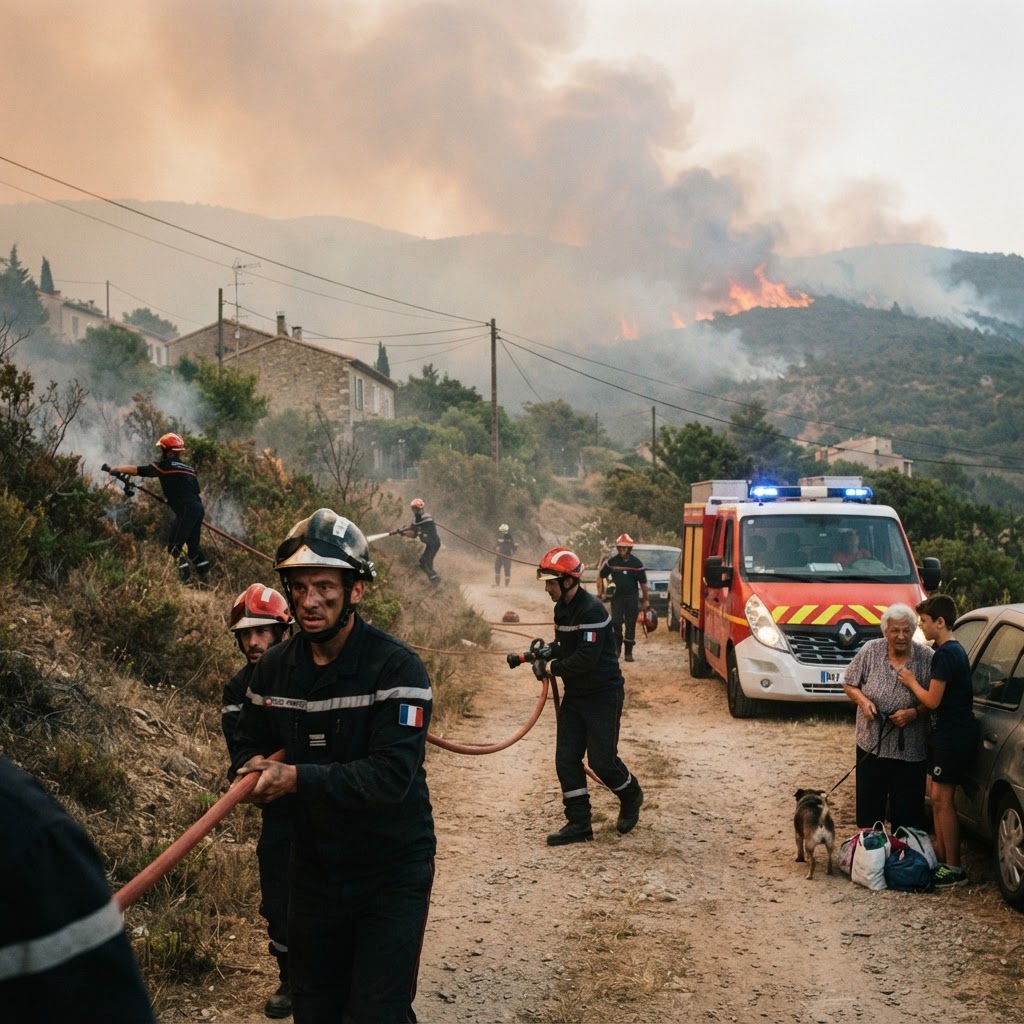
France is once again at the center of the climate story. Reuters and AP both highlighted the wildfire emergency, with parts of the country dealing with evacuations, smoke and renewed pressure on fire services. Even where the worst flames are temporarily contained, the scale of the response shows how quickly local disruptions can become national political tests.
France is also navigating a more confrontational political atmosphere. Reuters reported that Paris issued a deportation order against a Russian media personality, a reminder that French security and information-policy questions remain highly sensitive in the wider context of European geopolitics. In other words, France’s day is being shaped by both environmental crisis management and strategic vigilance.
United Kingdom: economic caution and political realism
In the United Kingdom, Reuters reported that the Bank of England is expected to keep rates steady while oil prices remain volatile. That may sound technical, but for households and businesses it feeds into a broader national mood of caution. Britain is not in the middle of the wildfire drama to the same degree as parts of southern Europe, yet it is still feeling the consequences of a turbulent international environment through prices, borrowing costs and weak confidence.
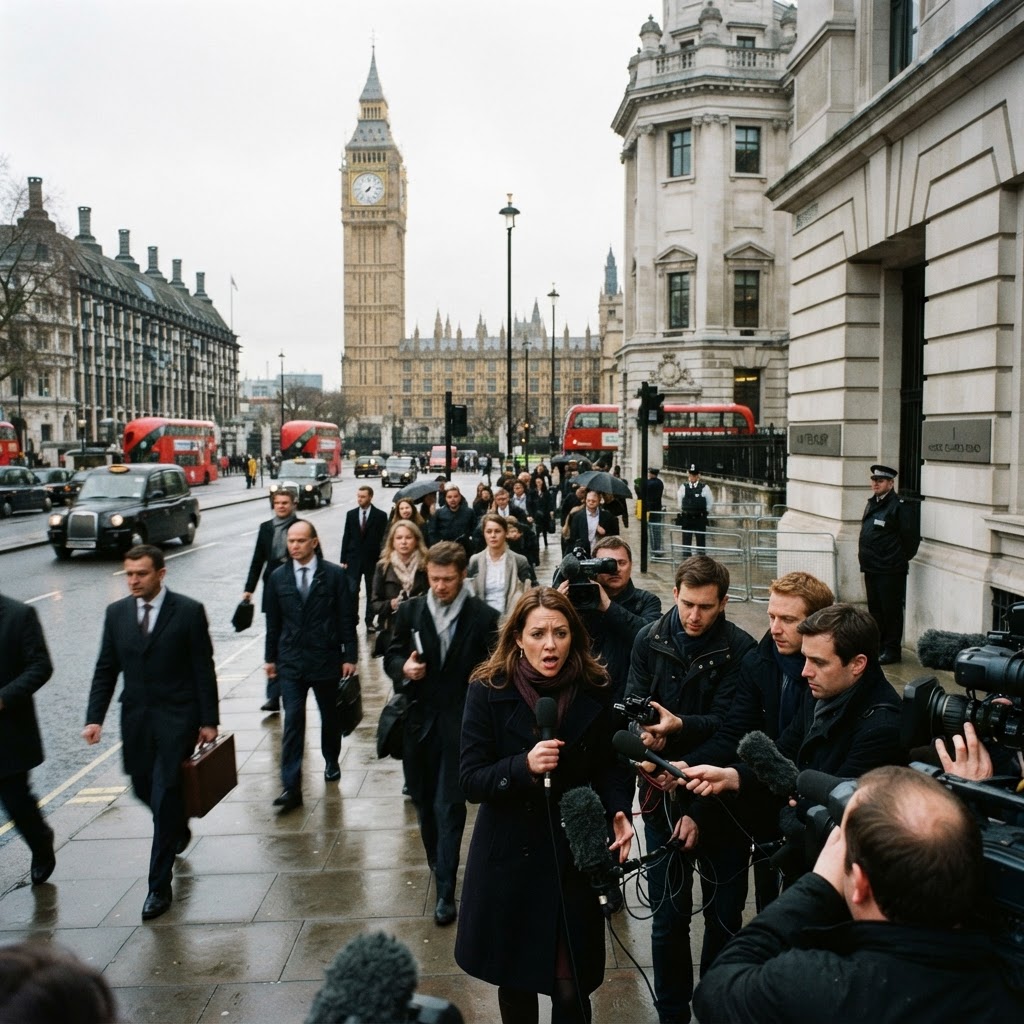
Reuters also noted that Prime Minister Andy Burnham has been arguing that difficult decisions are needed to fix England’s “unfair” adult care system. That reinforces the sense that the UK government is juggling long-term structural problems at the same time as the global backdrop remains unsettled.
Germany: inflation is back in focus
Germany’s headline is more clearly economic. Reuters reported that inflation accelerated in four German states in July, signaling that a national rise may follow. For Berlin, this matters well beyond the monthly data. Germany has been central to Europe’s attempt to move from crisis management back toward steadier growth, and any renewed inflation anxiety immediately raises concerns about consumption, industrial confidence and the political patience of voters.
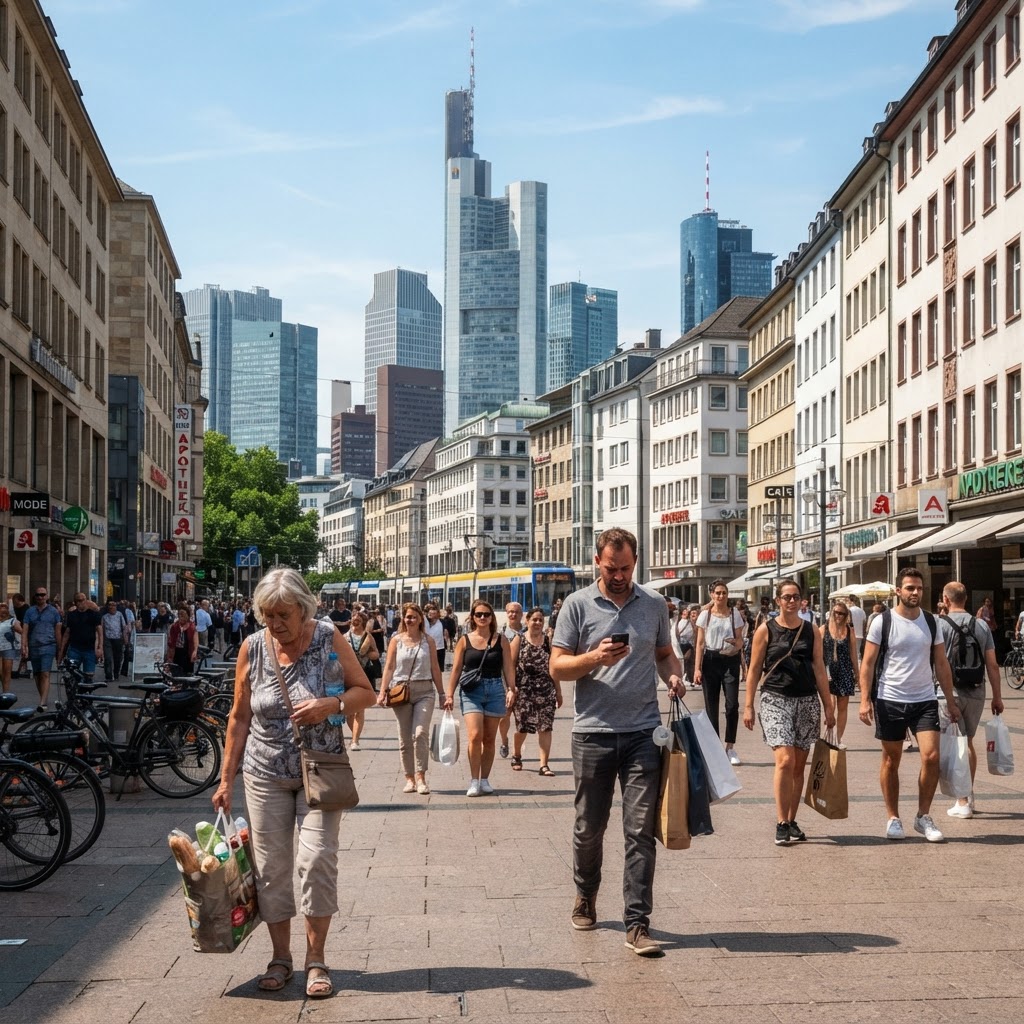
If prices continue to climb, Germany could once again become the place where European economic optimism runs into hard consumer reality.
Belgium: security concerns at NATO’s doorstep
Belgium’s role in the day’s news is tied less to domestic consumer issues and more to security and institutions. Euronews highlighted the significance of a Belgian probe into an alleged spy case linked to NATO’s SHAPE headquarters, underscoring how Belgium’s place at the heart of Europe’s diplomatic and defense machinery makes it especially vulnerable to the tensions surrounding intelligence, security and foreign influence.
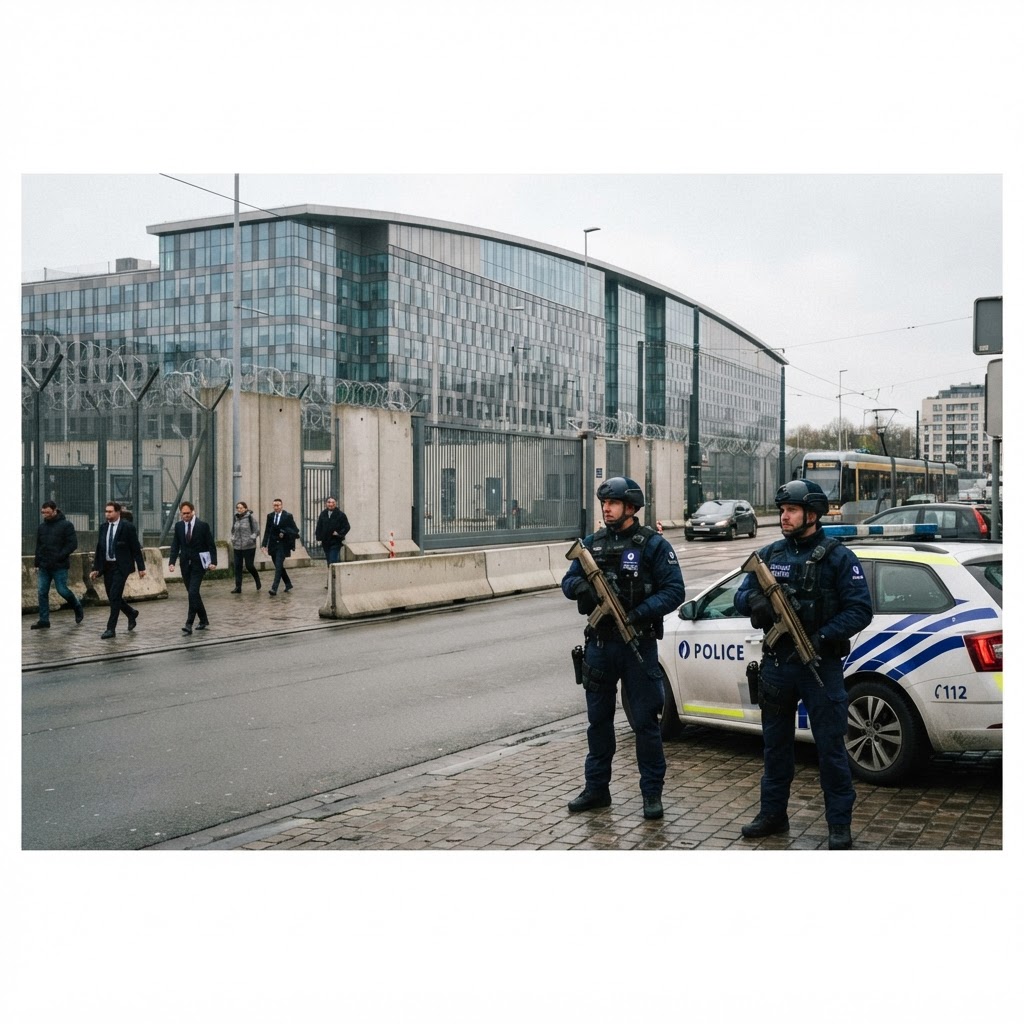
For Brussels, that is a reminder that the city’s strategic importance is also its vulnerability: the more Europe relies on Belgium as an institutional center, the more Belgian developments echo across the continent.
Switzerland: stability is still the story
Switzerland’s latest concerns are different in tone, but no less important. Reuters recently reported on Swiss negotiations over maintaining a 15% U.S. tariff rate and on Swiss lawmakers debating future rules around UBS as the country continues to reckon with the long shadow of the Credit Suisse collapse. Switzerland’s public image is often one of calm and precision, but the underlying story is still about managing exposure in a rougher global economy.
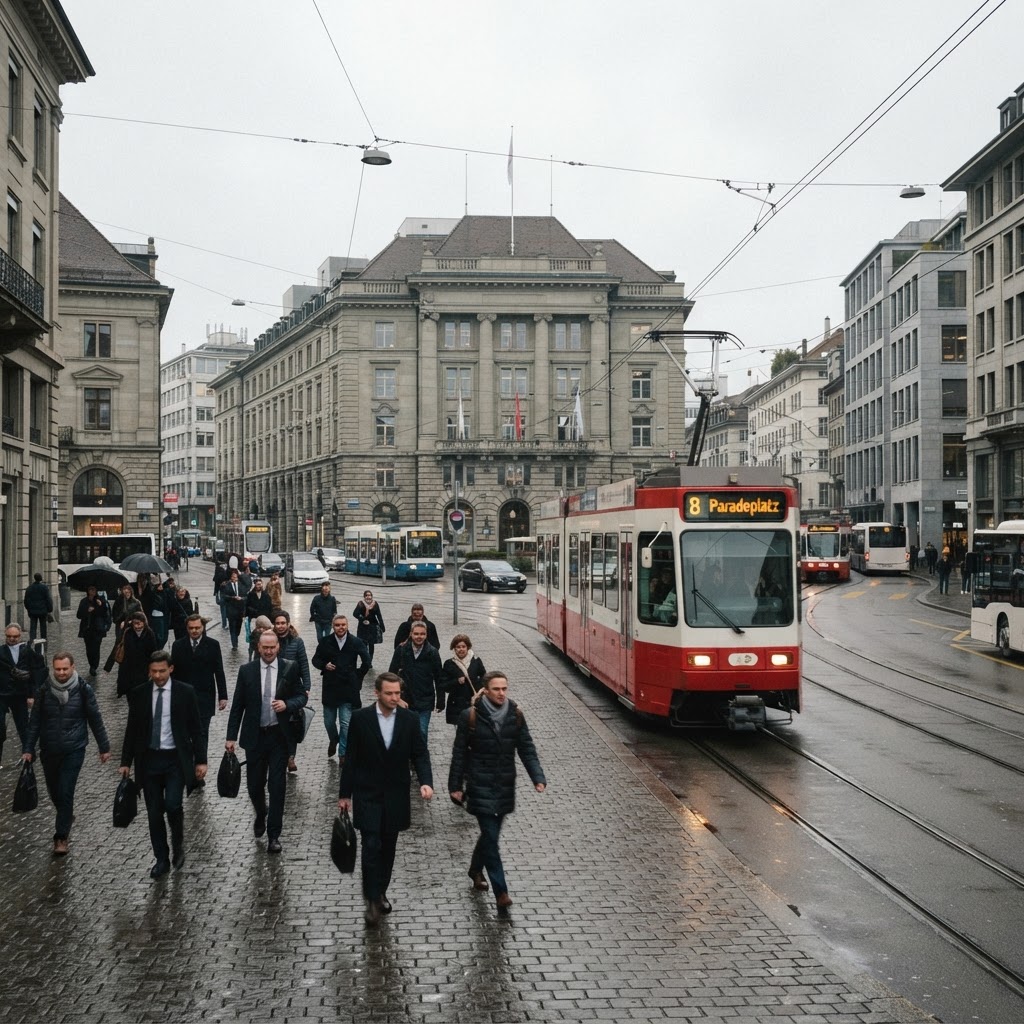
That makes Switzerland a useful contrast with the rest of Europe today. While others are dealing with flames, politics or consumer prices, Bern and Zurich are focused on keeping their reputation for predictability intact in a world that offers less and less of it.
The bigger picture
What connects all of these stories is not that Europe is facing one single crisis. It is that nearly every major country is managing a different front of pressure at the same time. France faces fire. The UK faces caution and reform stress. Germany watches prices. Belgium confronts security nerves. Switzerland guards stability. And the EU as a whole is trying to prove it can still act coherently when the shocks are environmental, political and economic all at once.
That is why the day’s European headlines feel so consequential. This is not one giant rupture. It is a continent being tested from many directions at once — and that often changes politics just as much as a single dramatic event.

Comments (0)
Be the first to share your thoughts!
Your voice matters. Every comment helps build our community.
Discussion Starters
No comments yet. Be the first to share your thoughts!