



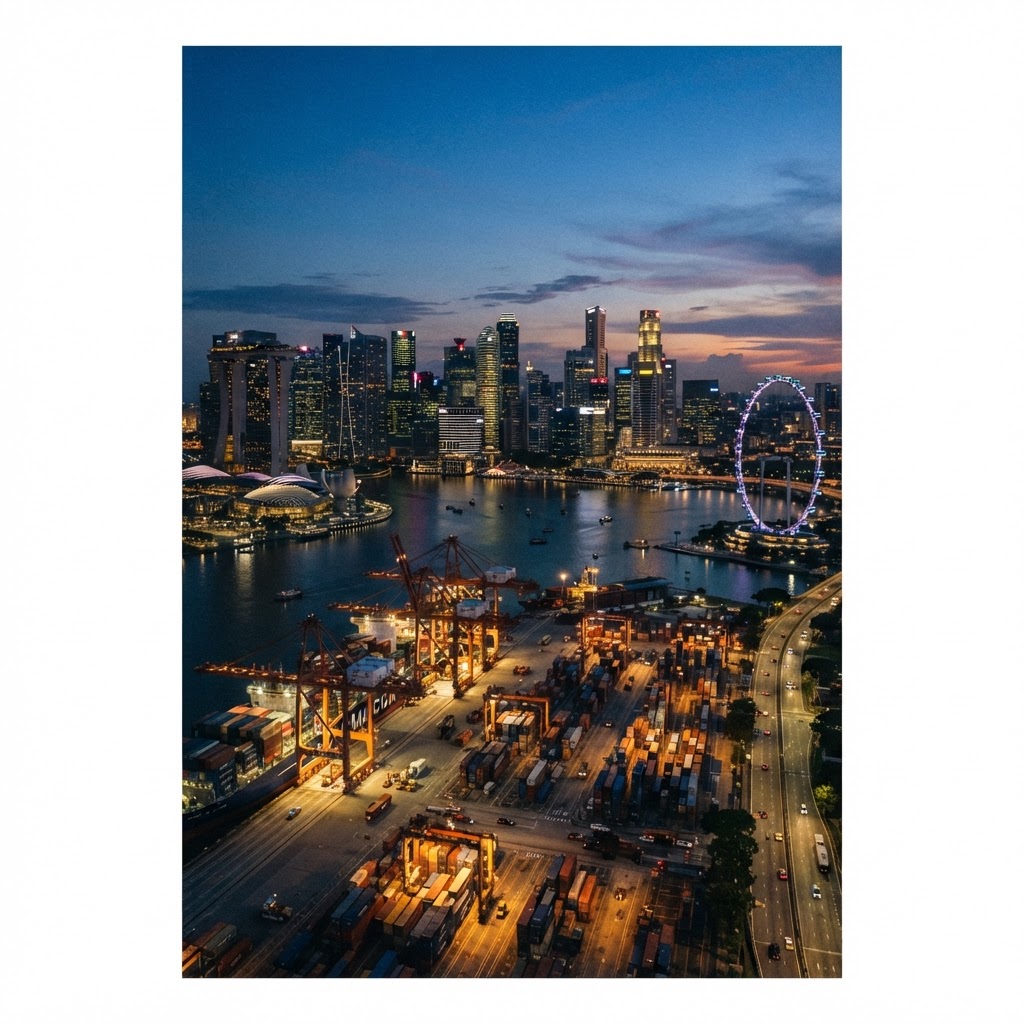
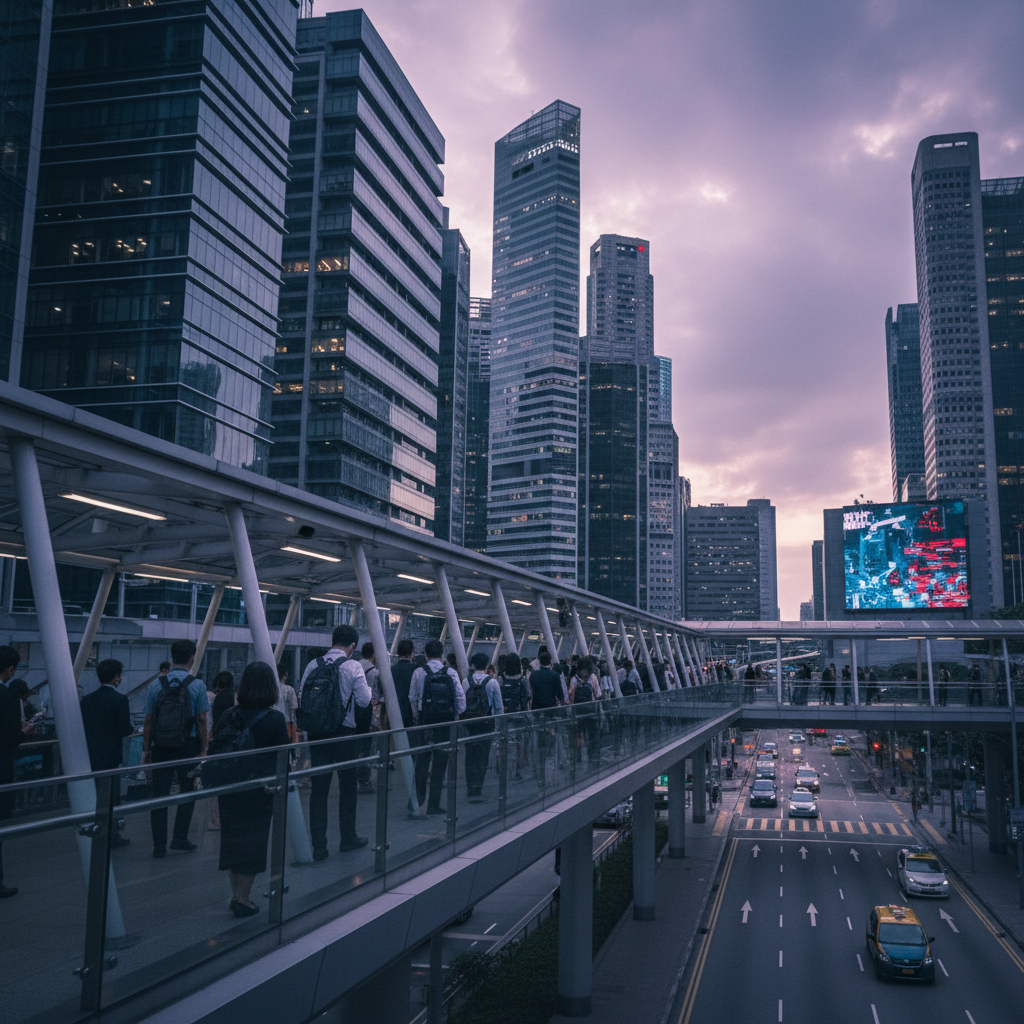
Singapore is still outperforming many expectations, yet the city-state’s outlook has become more measured. Reuters reported in June that economists cut Singapore’s 2026 growth forecast even as first-quarter growth came in stronger than expected, showing that strong recent numbers have not erased worries about the external environment.
Reuters also reported that Singapore had secured enough liquefied natural gas cargoes to replace lost Qatari supplies for the rest of 2026, an example of how the government is actively managing exposure to global disruption. That response is typical of Singapore’s model: careful planning, early adjustment, and a preference for stability over dramatic reaction.
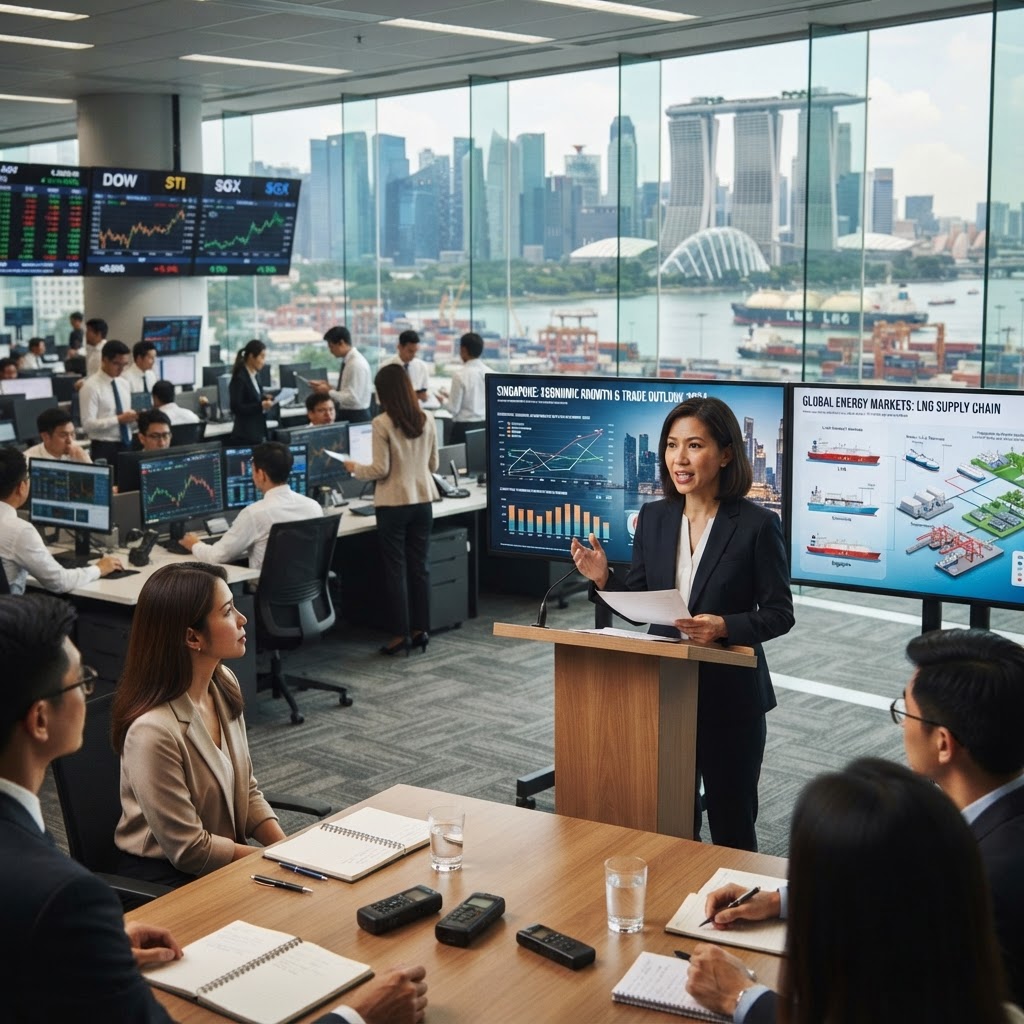
The wider challenge is that Singapore is deeply tied to global trade, finance, and energy flows. When the world becomes less predictable, the city-state feels it quickly. Yet its institutional discipline and strategic flexibility often allow it to respond faster than larger economies.
That leaves Singapore in a familiar role for 2026: not immune to global shocks, but still among the most capable countries in Asia at managing them.

Comments (0)
Be the first to share your thoughts!
Your voice matters. Every comment helps build our community.
Discussion Starters
No comments yet. Be the first to share your thoughts!