




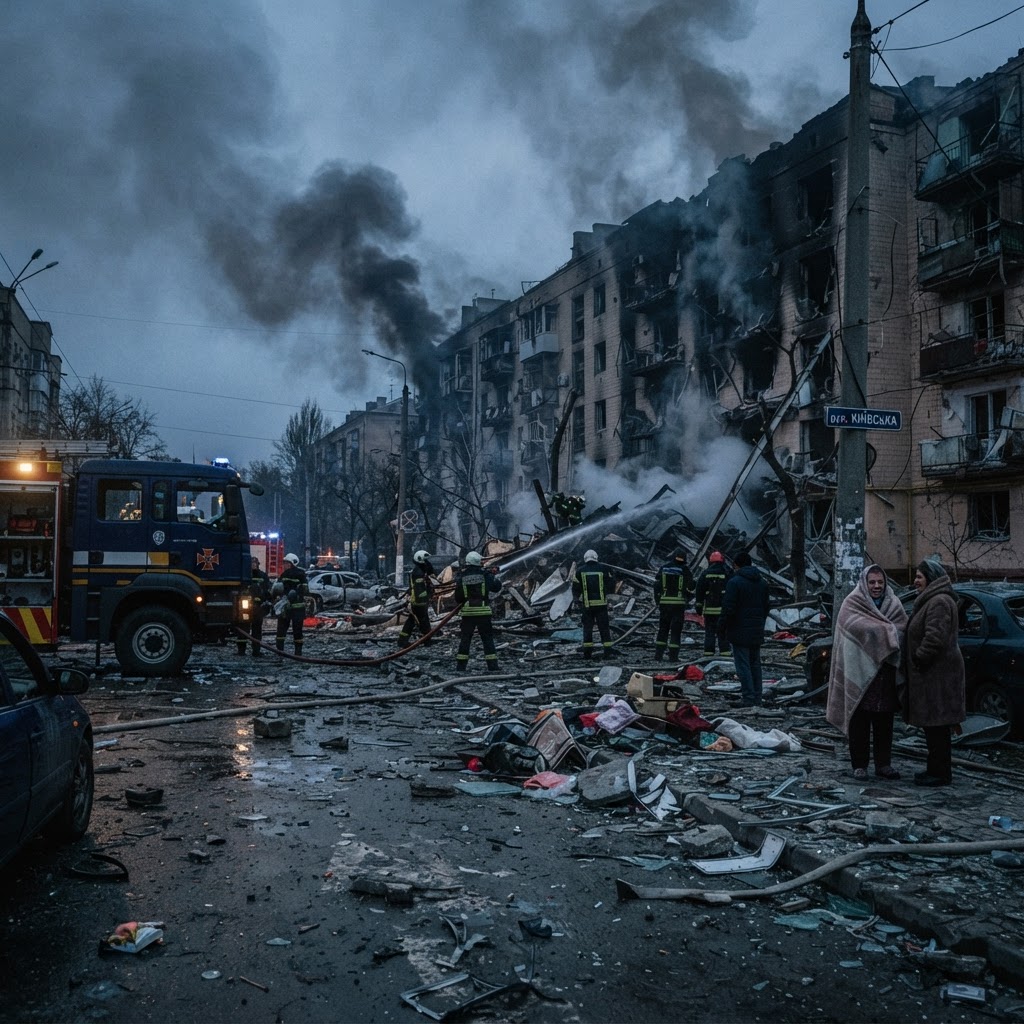
KYIV/MOSCOW — The war between Ukraine and Russia showed no sign of easing on Thursday as fresh strikes, drone attacks, and cautious diplomatic statements underscored the widening gap between battlefield reality and hopes for a negotiated end to the conflict.
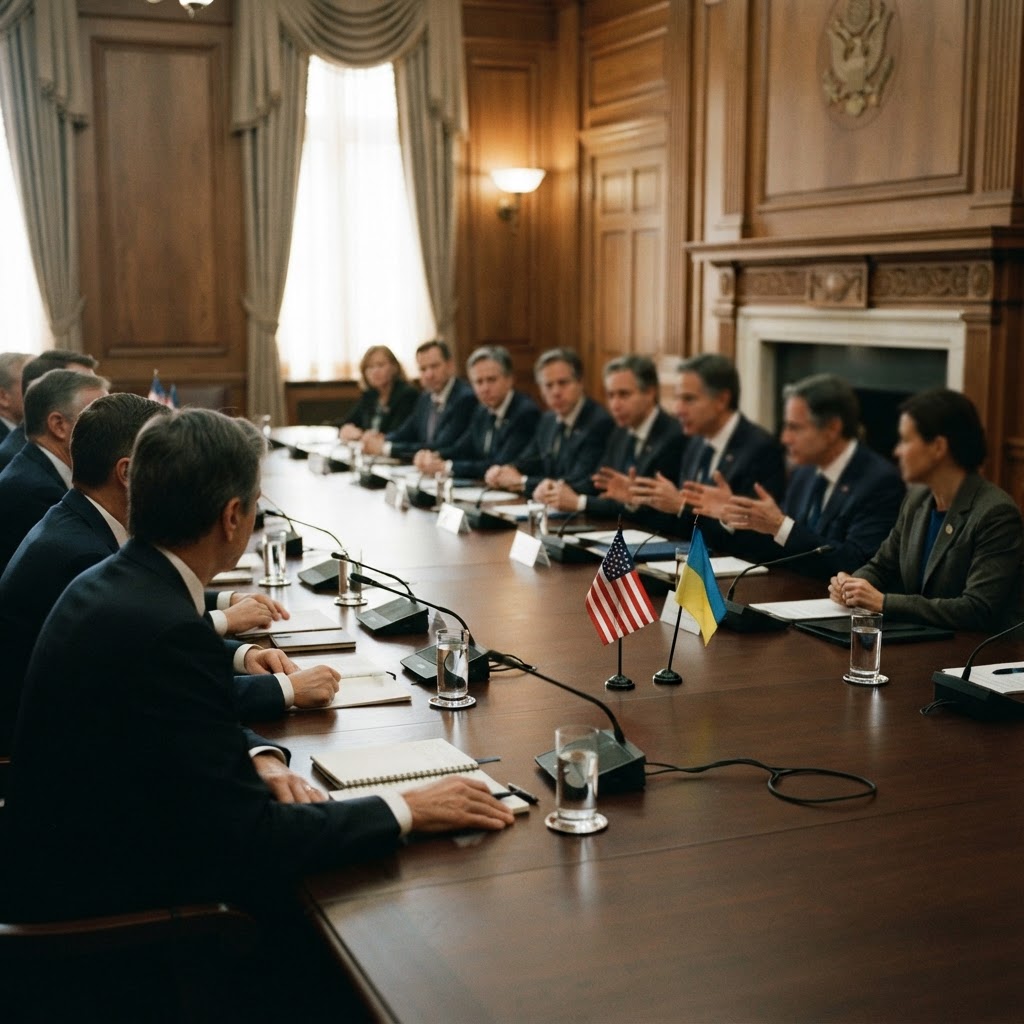
According to Reuters reporting on July 23, U.S. Secretary of State Marco Rubio said Washington remained committed to helping end the war after a meeting with Russian Foreign Minister Sergei Lavrov. But even as diplomatic contacts continued, the conflict on the ground remained active and deadly, with both sides reporting attacks far from the front line.
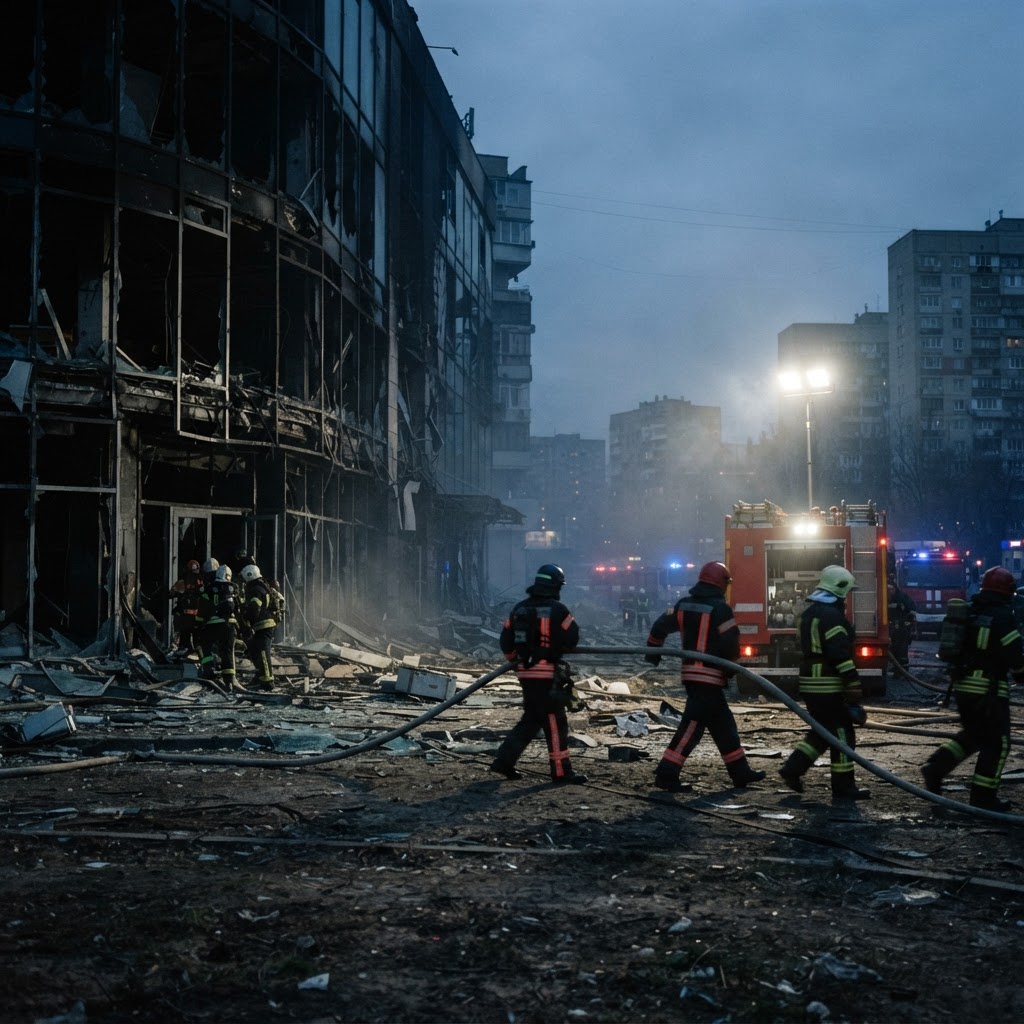
Reuters also reported that Russian officials said Ukrainian attacks struck Crimea and parts of southern Russia, while Russian forces kept up pressure on Ukraine with continuing aerial assaults that have become a defining feature of the war in 2026. For civilians across Ukraine, especially in and around Kyiv, the pattern has become grimly familiar: overnight warnings, air defense fire, damaged homes, and emergency crews racing to clear rubble by morning.
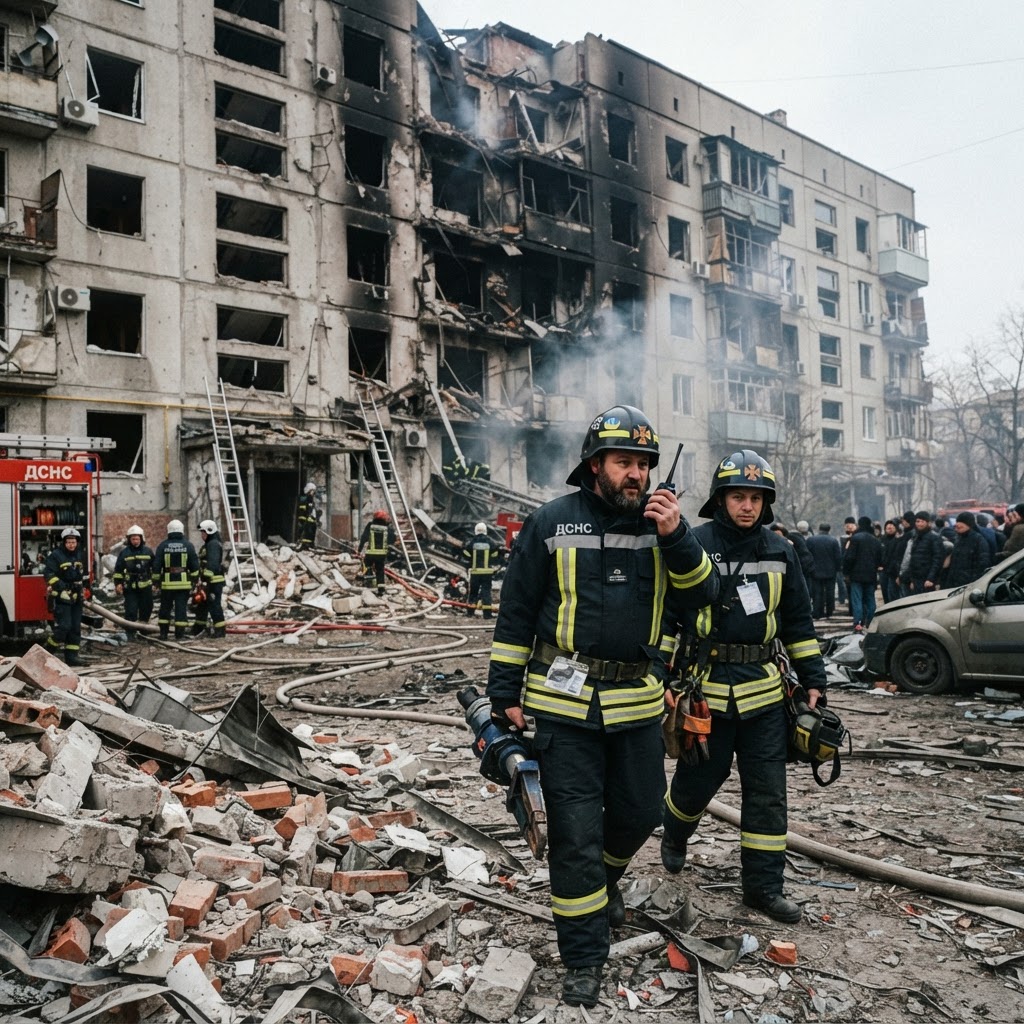
The war is now defined not only by territorial fighting in the east and south, but by a relentless long-range contest involving missiles, drones, logistics hubs, energy sites, and transport networks. Each new wave of attacks deepens the strain on public infrastructure and adds to the psychological exhaustion facing civilians on both sides of the broader conflict zone.
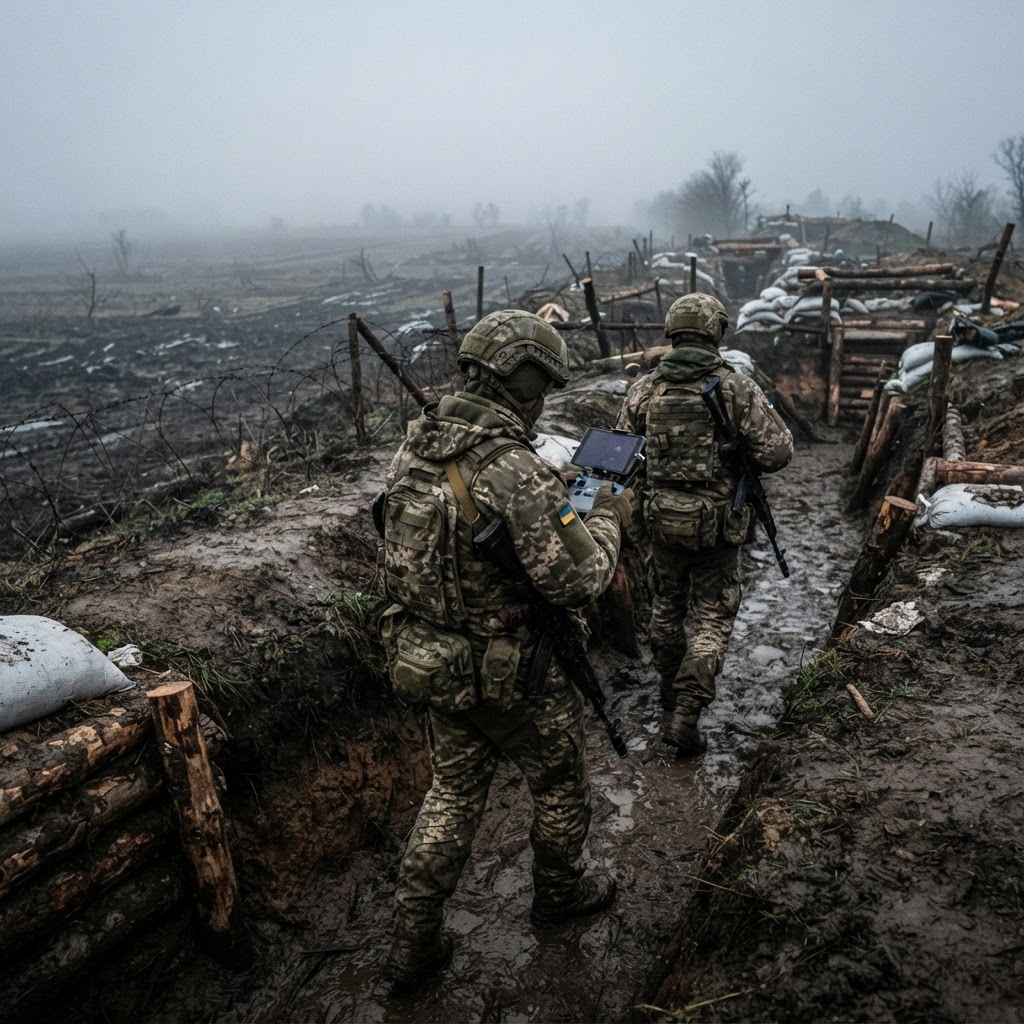
Recent international reporting has highlighted how Russia’s large-scale missile and drone barrages have repeatedly targeted Ukrainian cities, while Ukraine has intensified long-range strikes against military-linked and infrastructure targets inside Russia and in occupied territories. The result is a war that is no longer confined to trench lines or isolated battle sectors, but one that regularly reaches capital cities, residential blocks, industrial zones, and strategic supply corridors.
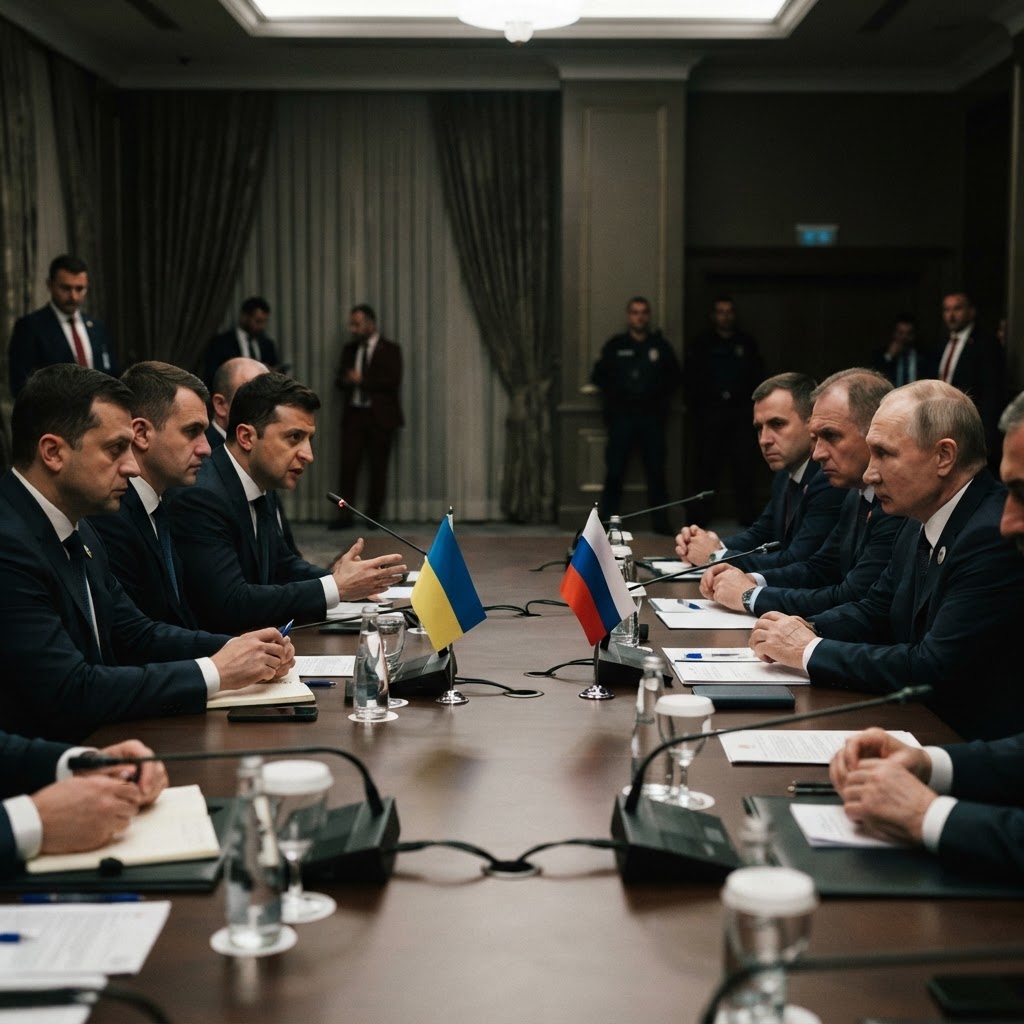
Diplomatic movement continues, but only in limited form. Rubio’s latest remarks signaled that the United States wants to keep channels open, yet there was no evidence of a major peace breakthrough. Instead, the political language surrounding the war appears increasingly detached from events on the ground, where both Moscow and Kyiv still believe military pressure can shape any future settlement.
The broader international picture is also tightening around Moscow. On the same day, Reuters reported that European Union envoys agreed on a new sanctions package targeting Russian banks and other financial channels linked to sustaining the war effort. That move reflects a continued Western strategy of combining military support for Ukraine with financial pressure on Russia, even as questions grow about how quickly either approach can alter the strategic balance.
For Ukraine, the central challenge remains survival under constant attack while sustaining international backing. For Russia, the test is whether it can continue absorbing sanctions and battlefield costs while maintaining pressure on Ukrainian defenses and national morale. Neither side is signaling readiness to concede core demands, which helps explain why the conflict remains locked in an attritional phase more than four years after the full-scale invasion began.
What emerges from the latest developments is a stark picture: diplomacy is still alive, but it is not yet stronger than the logic of war. Until that changes, Ukraine and Russia appear set to remain caught in a cycle of strikes, retaliation, and political messaging that leaves civilians paying the highest price.
Comments (0)
Be the first to share your thoughts!
Your voice matters. Every comment helps build our community.
Discussion Starters
No comments yet. Be the first to share your thoughts!