




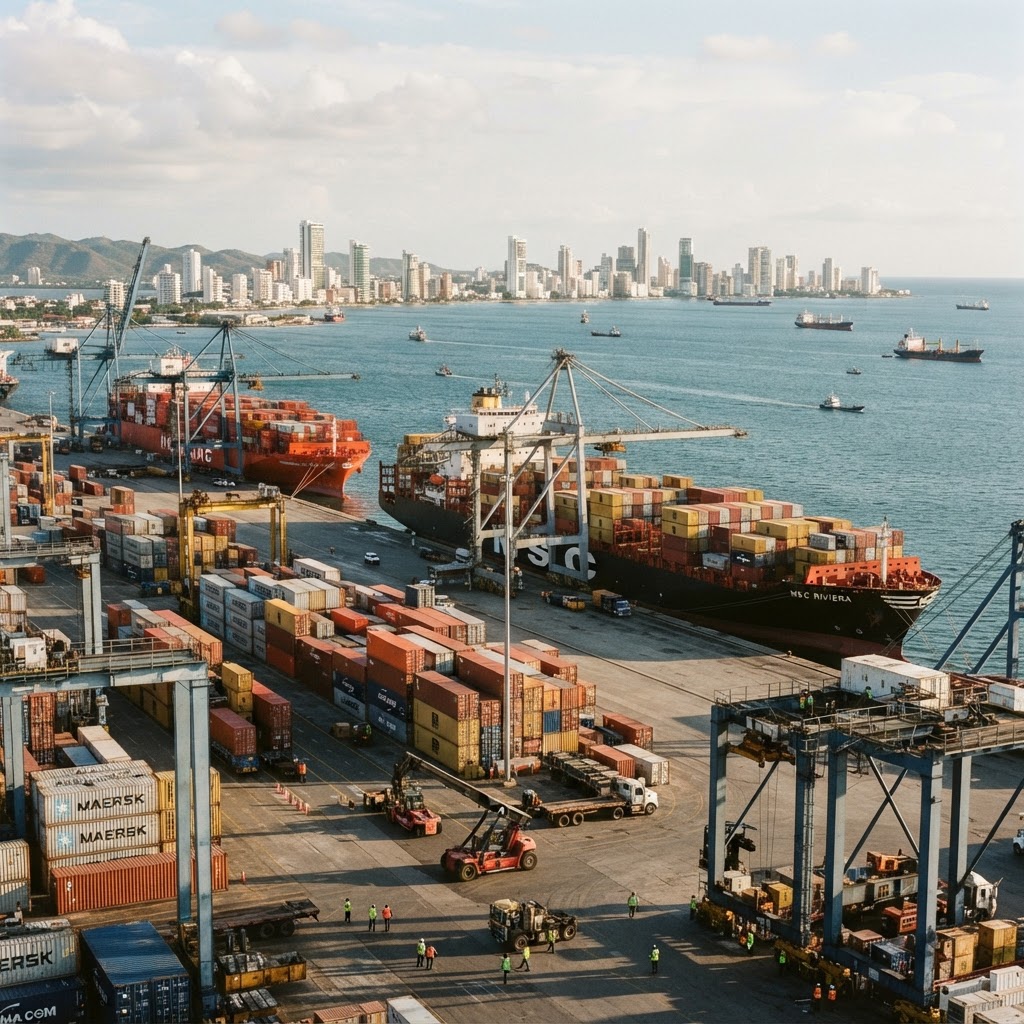
BRIDGETOWN/BRASILIA — The economic outlook for the Caribbean and South America is growing more complex as international lenders warn of slower regional growth, weaker external demand in some markets, and rising pressure on governments to improve trade links and fiscal discipline.
Recent reporting from Reuters on assessments by the Inter-American Development Bank and the World Bank shows that Latin America and the Caribbean are expected to expand by about 2.1% in 2026, a modest pace that reflects both resilience and persistent vulnerability. For Caribbean and South American economies, the challenge is not simply whether growth continues, but whether it is strong enough to create jobs, stabilize public finances, and protect consumers from renewed global shocks.
The outlook is uneven across the region. Some commodity-linked South American economies continue to benefit from energy, mining, and agricultural exports, while several Caribbean states remain heavily exposed to tourism performance, import costs, and weather-related disruptions. That means growth may continue on paper, but the lived experience across households and businesses can still feel fragile.
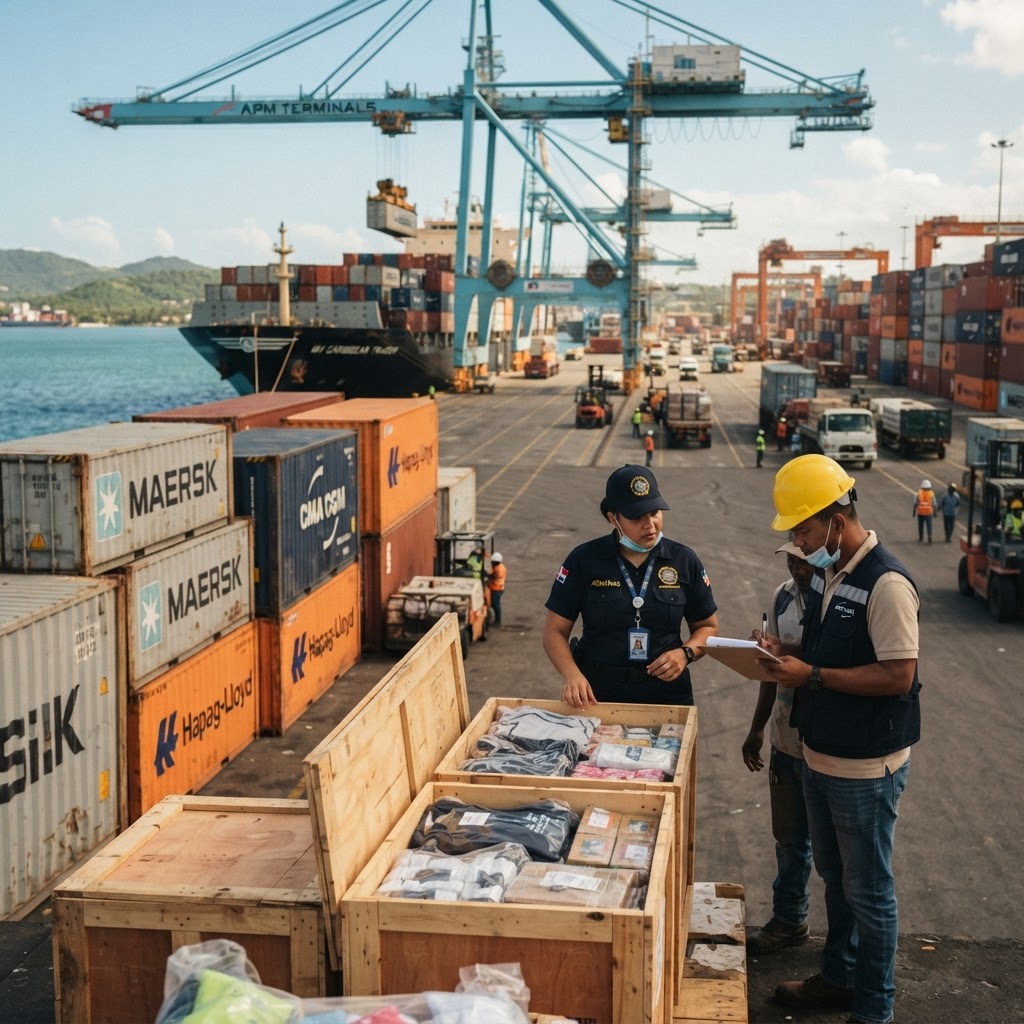
In South America, policymakers are watching export demand, currency volatility, borrowing costs, and political uncertainty. For the Caribbean, governments face a different but equally urgent calculation: how to protect growth while managing debt burdens, imported inflation, and infrastructure risks during another demanding hurricane season. Those parallel pressures are keeping regional leaders focused on trade, transport, and investment links that can make the broader economic system less vulnerable.
Analysts have increasingly pointed to regional integration as one of the few available levers that governments can control more directly. Better shipping routes, lower trade friction, stronger customs coordination, and more predictable energy and food supply networks could reduce costs for consumers and make economies more competitive. That is especially important for smaller Caribbean markets that depend on efficient imports, and for South American exporters seeking more reliable access to regional buyers.
Trade remains one of the brighter spots. Reuters reported in June that Latin America’s trade with major partners has continued to evolve rapidly, including stronger commercial activity with China, even as the United States remains dominant in many areas. For countries in the Caribbean and South America, that shifting trade map creates opportunity, but it also raises strategic questions about dependence, negotiating power, and exposure to global political tensions.
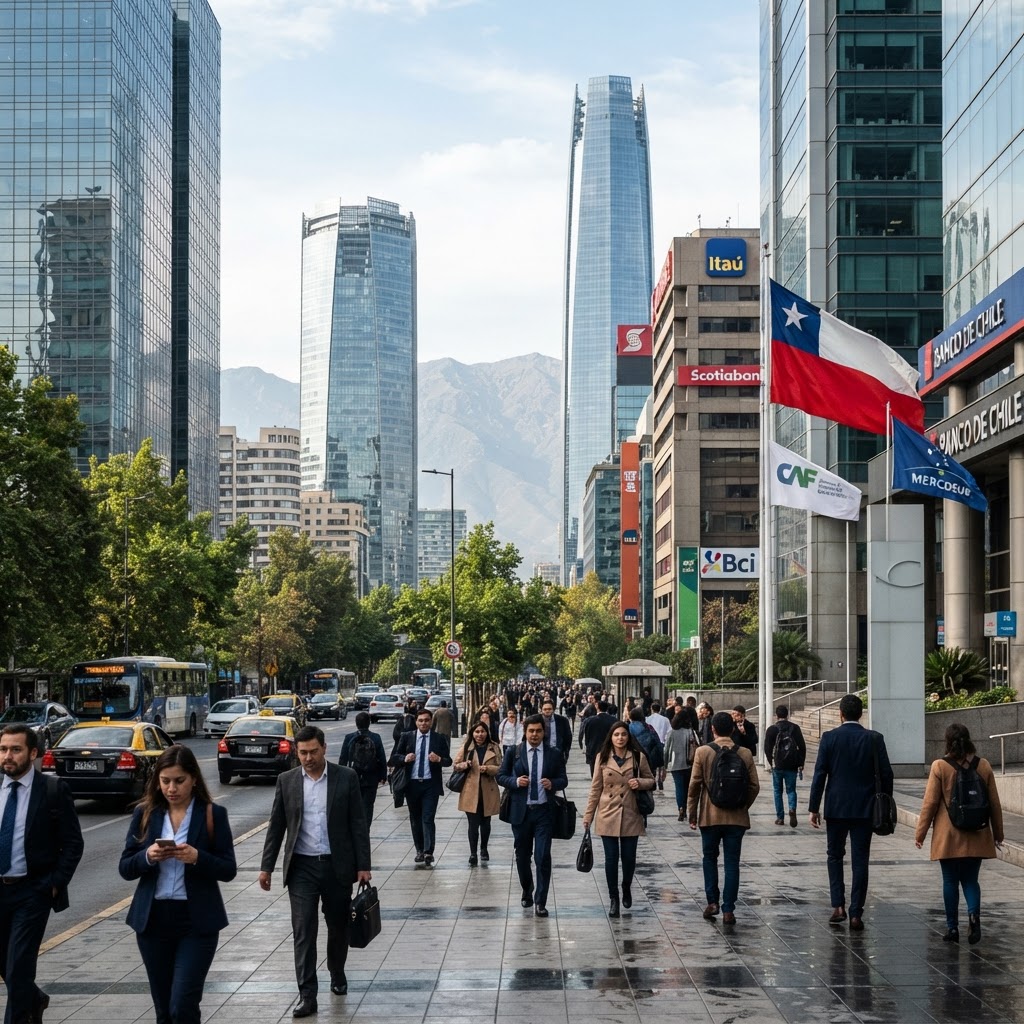
The World Bank’s April regional update and the IDB’s 2026 outlook both reinforce the same message: the region is still growing, but not fast enough to erase structural weaknesses. Debt, inequality, infrastructure gaps, and low productivity continue to weigh on long-term performance. In some countries, public frustration is likely to grow if growth figures fail to translate into visible improvements in wages, employment, transport, and food affordability.
For Caribbean and South American leaders, the months ahead will be shaped by whether they can turn cautious forecasts into coordinated action. That includes protecting trade channels, encouraging investment, strengthening regional transport, and building more shock-resistant economies. Without that push, the region risks remaining trapped in a cycle of modest growth and recurring vulnerability.
For now, the headline is one of caution rather than collapse: the Caribbean and South America are still moving forward, but slowly — and with little room for policy mistakes in an increasingly uncertain global economy.


Comments (0)
Be the first to share your thoughts!
Your voice matters. Every comment helps build our community.
Discussion Starters
No comments yet. Be the first to share your thoughts!