




From Catastrophe to Stabilization
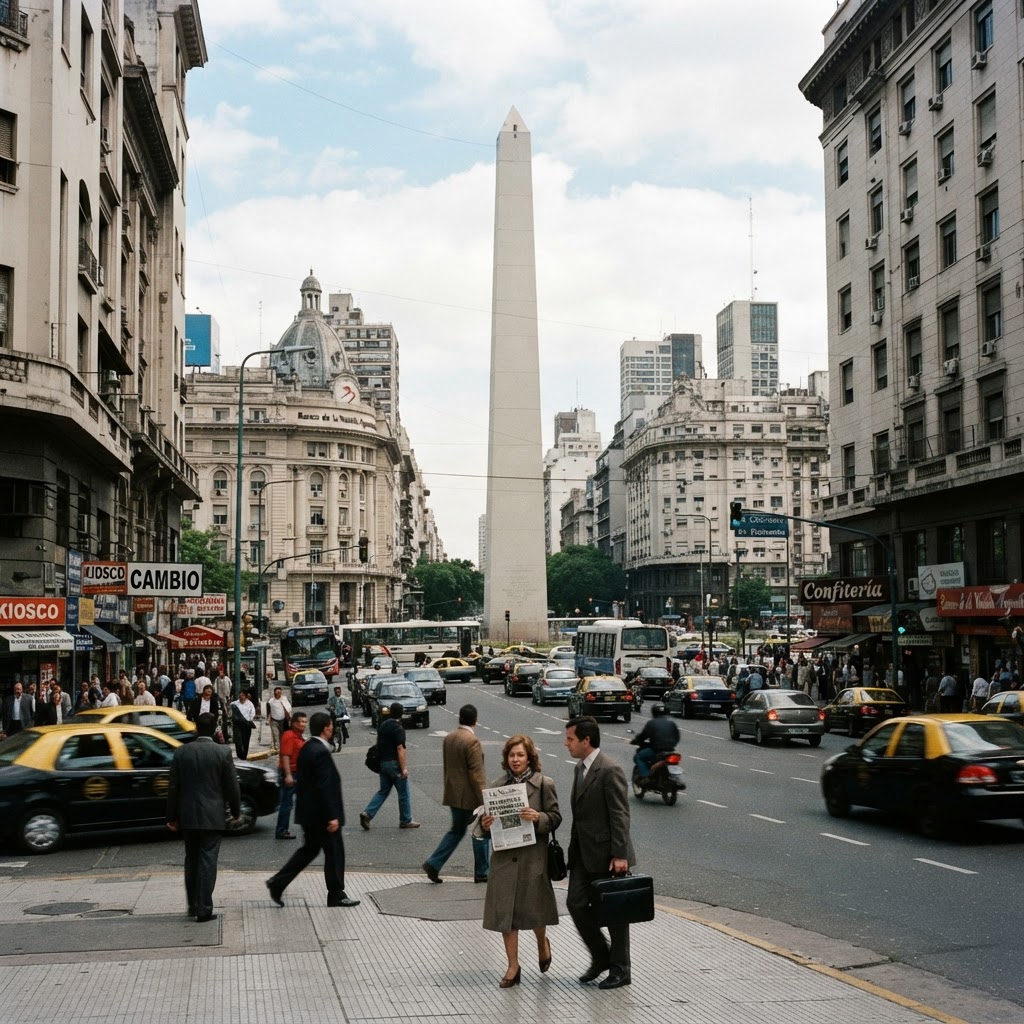
When Javier Milei took office in December 2023, Argentina's economy was in freefall. Annual inflation had reached a staggering 211% — one of the highest rates anywhere in the world — the peso was in tatters, and the country's reserves were critically depleted. Barely two and a half years later, Argentina has pulled off one of the most dramatic economic turnarounds in recent memory.
Inflation has fallen to approximately 31% annually as of early 2026, a reduction of over 180 percentage points. The International Institute for Strategic Studies (IISS), analyzing Milei's record in April 2026, described the achievement as 'remarkable by any standard,' noting that the speed of disinflation exceeded the expectations of even the program's supporters.
The Chainsaw in Action
Milei's approach was as uncompromising as his campaign rhetoric. Dubbed 'La Motosierra' (The Chainsaw) by supporters and critics alike, his economic program involved the elimination of entire government ministries, a dramatic reduction in public subsidies, a sharp devaluation of the peso, and a freeze on public sector hiring. Argentina entered a formal IMF program, securing a critical lifeline of over $20 billion that shored up reserves and restored market confidence.
The short-term pain was severe. Argentina's economy contracted sharply in 2024, unemployment rose, and poverty rates temporarily spiked before the stabilization took hold. The Friedrich Naumann Foundation noted that 'the social cost of the adjustment was enormous, but the fiscal correction was both rapid and credible.'
Signs of Recovery
By early 2026, green shoots are emerging. Argentina's economy returned to growth in late 2025. The country's 'Super RIGI' investment incentive bill — a massive package designed to attract foreign investment into energy, mining, and infrastructure — was submitted to Congress in May 2026 by Economy Minister Luis Caputo, signaling Milei's ambitions to now build on the stabilization with a structural growth agenda.
International investors, long wary of Argentina after successive defaults, are cautiously re-engaging. The country's sovereign bonds have rallied significantly from their 2023 lows, and the peso, while still managed, has shown signs of stabilization under the crawling-peg regime.
The Political and Social Battleground
Milei's reforms have not come without fierce opposition. Argentina's powerful union movement has staged multiple general strikes, social movements have protested spending cuts to education and healthcare, and the Congress remains a contested political arena. The New York Times described Milei's ambition as nothing less than wanting to 'rewire the Argentine mind' — a cultural as well as economic project that faces deep resistance from the country's historically statist traditions.
Whether Argentina can sustain its stabilization gains, achieve durable growth, and navigate the political turbulence ahead of future electoral cycles remains the defining question for South America's second-largest economy in 2026.

Comments (0)
Be the first to share your thoughts!
Your voice matters. Every comment helps build our community.
Discussion Starters
No comments yet. Be the first to share your thoughts!