




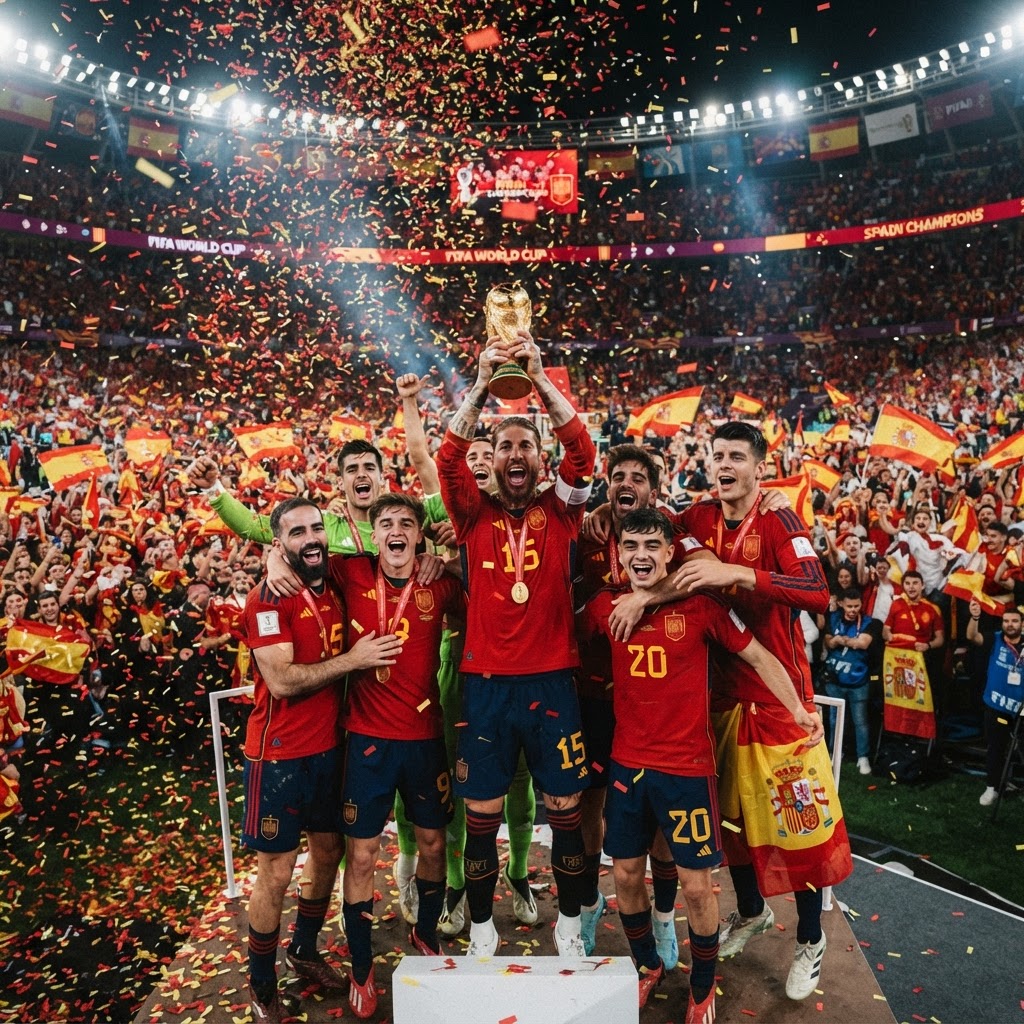
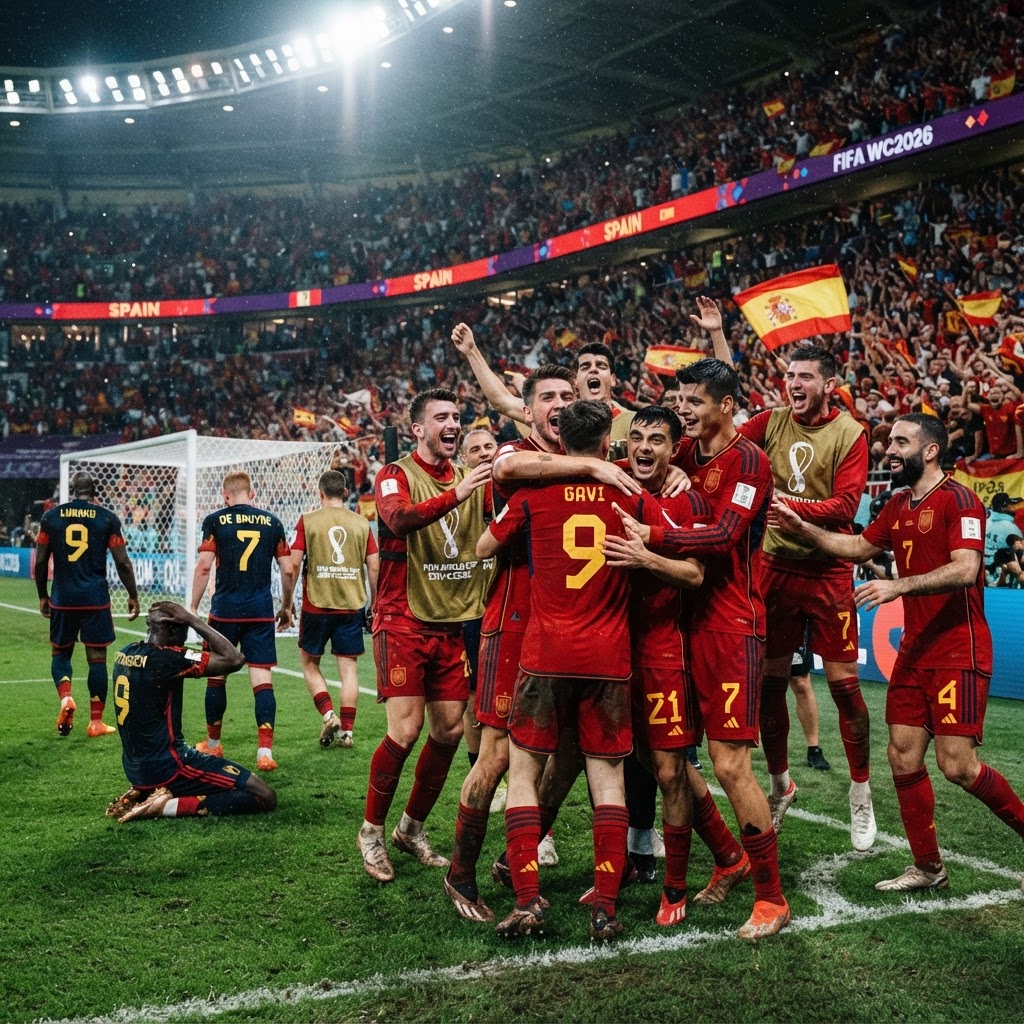
Spain are world champions again, and this latest triumph will live for generations. With a 1-0 victory over Argentina in the 2026 FIFA World Cup final, La Roja captured the men’s World Cup for the second time in the nation’s history and sparked a wave of celebration from the stadium to the streets of Madrid, Barcelona, Seville, Valencia, and far beyond.
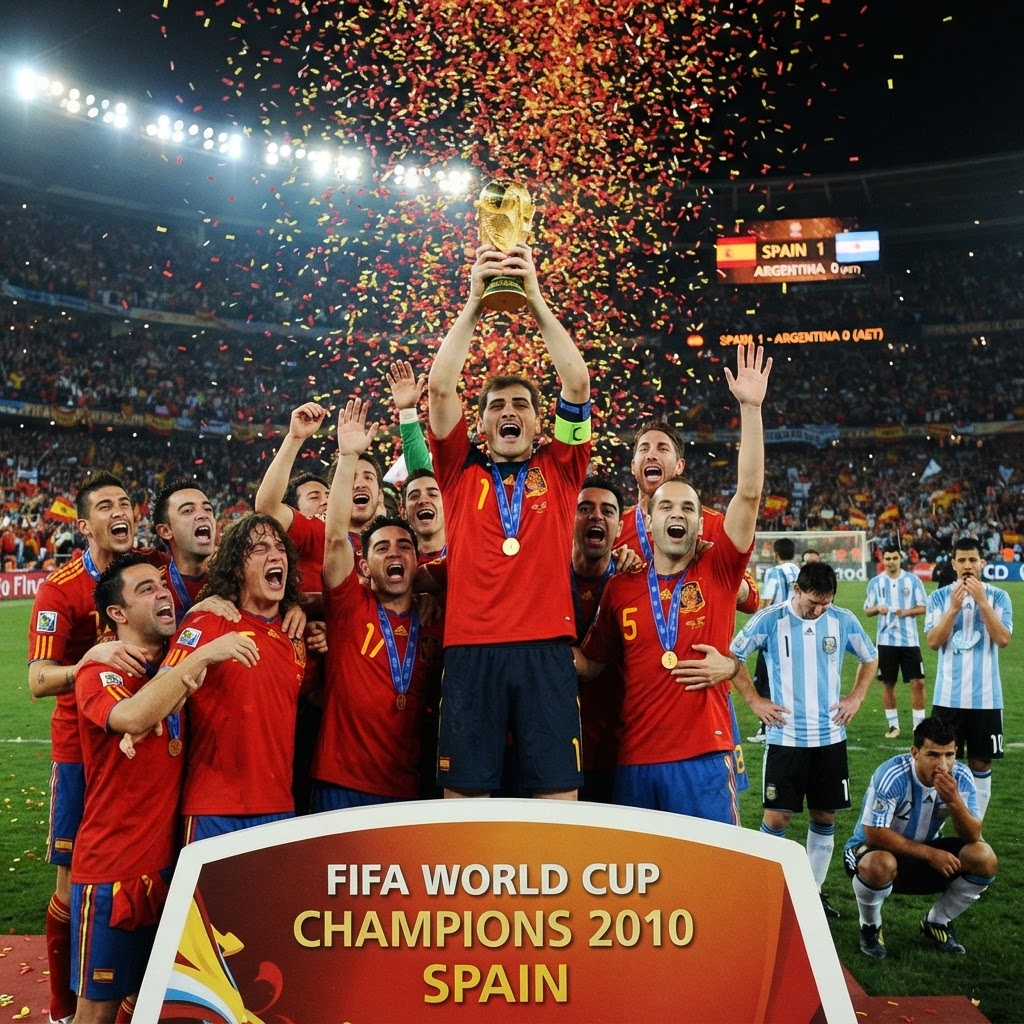
It was a victory built on composure, discipline, and belief. Spain did not just win a football match — they reclaimed a place at the summit of the global game. For supporters who have waited since the country’s first World Cup triumph in 2010, this moment felt like both history repeating itself and a new era being born.
A final that delivered history
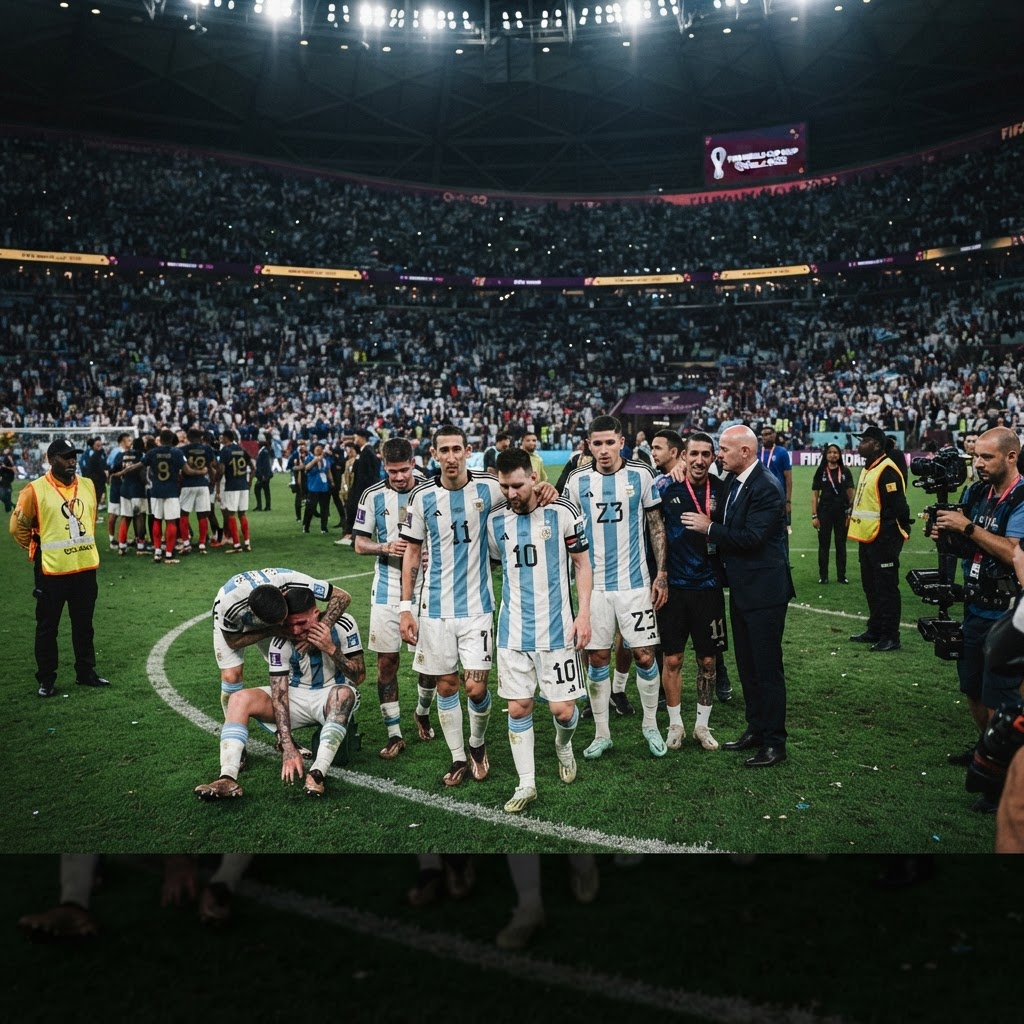
The final against Argentina carried enormous weight. Argentina came in as defending champions, while Spain arrived with the chance to write one of the proudest chapters in the country’s sporting history. In the end, Spain found the decisive goal and defended it with the calm and conviction of a team that believed the trophy belonged in its hands.
That 1-0 result will be remembered not for its simplicity, but for what it meant. It gave Spain a second men’s World Cup crown and placed this team alongside the legends who first brought the trophy home in South Africa sixteen years earlier. For Spanish football, it was a statement that the nation’s excellence was not a one-time peak, but a tradition renewed.
A country erupts in celebration
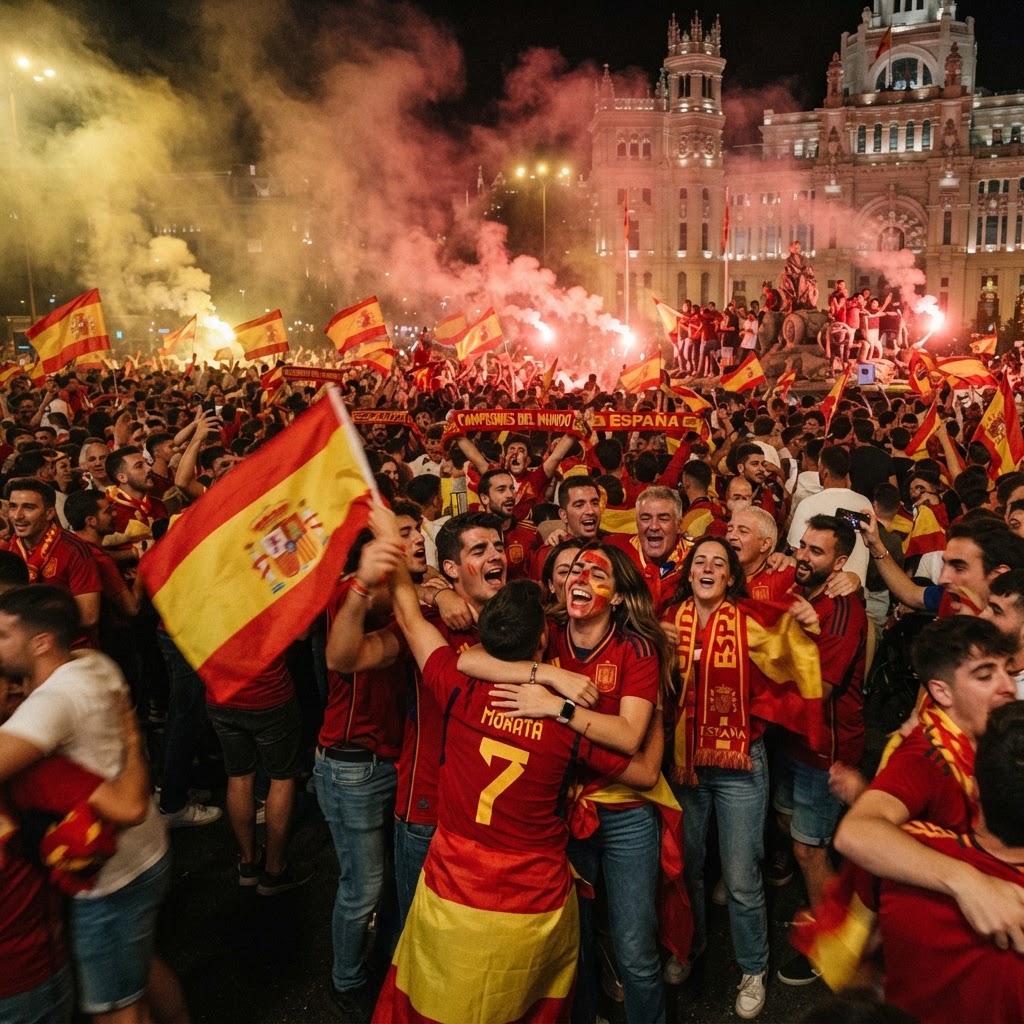
Almost as soon as the final whistle sounded, celebrations swept across Spain. Public squares filled, car horns rang through city centers, and Spanish flags waved above crowds of fans singing, dancing, and embracing strangers as though they were family. The victory belonged to the players on the field, but the emotion belonged to an entire country that had waited for another night like this.
From cafés and living rooms to giant outdoor watch parties, the scenes were full of pride and relief. Children wore red shirts and draped themselves in flags. Older supporters spoke of where they were in 2010 and what it meant to witness another generation lift the sport’s greatest prize. The images coming out of Spain told a story bigger than football: a story of national joy, unity, and shared memory.
The glory of a second star
Winning a World Cup once is enough to immortalize a generation. Winning it twice places a nation in even more rare company. That is why this title carries such symbolic weight. Spain are no longer remembered only for a glorious golden period in the past. They are now champions again, with a second star to prove that their football identity still belongs among the strongest in the world.
For the players, this was the reward for discipline and courage under pressure. For the supporters, it was the release of years of hope. And for Spain itself, it was a moment of unmistakable glory — a reminder that football can still unite millions in a single, unforgettable emotion.
A night Spain will never forget
Long after the confetti settled and the trophy presentation ended, this victory kept echoing through homes, bars, plazas, and hearts across the country. Spain’s second World Cup title is more than a result in a record book. It is a national celebration, a historic sporting achievement, and one of the defining football stories of the year.
Spain have captured the world again. And this time, as the chants rang out and the streets filled with red and yellow, the message was impossible to miss: football glory has returned, and an entire country is celebrating its champions.

Comments (0)
Be the first to share your thoughts!
Your voice matters. Every comment helps build our community.
Discussion Starters
No comments yet. Be the first to share your thoughts!