




Rising prices, costly borrowing and uncertainty about future employment are shaping the national conversation ahead of the 2026 midterm elections
By TND Economic Desk
The New Dispensation
August 26, 2026
The United States economy is sending increasingly mixed signals as Americans confront persistent inflation, elevated borrowing costs and growing uncertainty about the strength of the labor market.
Although the country continues to produce economic growth, new figures suggest that many households are becoming less confident about what lies ahead. This widening gap between official economic expansion and the daily experiences of consumers could become a defining political issue as the nation approaches the November 2026 midterm elections.
Consumer confidence fell in August to its lowest level in seven months. The Conference Board’s consumer confidence index declined to 89.4, down from a revised 90.2 in July. The decline was driven primarily by growing pessimism about future business conditions, employment opportunities and household income.
The figures reveal an important distinction: Americans’ assessment of present economic conditions improved slightly, but their expectations for the coming six months deteriorated. In other words, many consumers may be managing today, but they are increasingly worried about tomorrow.
That uncertainty is understandable. The labor market, which had been one of the strongest pillars of the post-pandemic economy, is beginning to show signs of weakness.
According to the U.S. Bureau of Labor Statistics, nonfarm payroll employment declined by 23,000 jobs in July. The unemployment rate stood at 4.1 percent, but the relatively low rate did not tell the entire story. A reduction in labor-force participation helped prevent unemployment from rising more sharply.
Employment declined in retail trade and local government education, while healthcare continued to add workers. The uneven results demonstrate that job opportunities are not expanding equally across the economy.
The challenge for American families extends beyond employment. Inflation remains above the Federal Reserve’s long-term target, keeping pressure on food, transportation, housing and other essential expenses.
Gasoline prices remaining above $4 per gallon in many areas have added another strain to household budgets. Higher fuel costs affect more than motorists: they can increase transportation and production expenses throughout the economy, eventually raising the price of goods delivered to stores.
Housing affordability is another major concern. The average interest rate on a 30-year fixed mortgage reached approximately 6.75 percent this week. At that level, many prospective buyers face significantly larger monthly payments than they would have encountered when rates were below 4 percent.
High mortgage rates are also discouraging some existing homeowners from selling. Many are reluctant to exchange older, lower-rate mortgages for more expensive loans. This reduces the supply of available homes and can keep prices elevated even when demand slows.
The broader economy nevertheless continues to expand. The Bureau of Economic Analysis reported that real gross domestic product increased at an annual rate of 1.5 percent during the second quarter of 2026. Consumer spending, exports and business investment contributed to the increase, while reduced government spending limited overall growth.
The 1.5 percent expansion represents a slowdown from the 2.1 percent growth recorded in the first quarter. It is not evidence of a recession, but it suggests that the economy has lost some momentum.
Manufacturing provides another example of the country’s conflicting economic signals. Federal Reserve data show that industrial production and manufacturing output each increased by 0.2 percent in July. Total industrial production was 1.1 percent higher than it had been a year earlier.
These gains demonstrate continued activity in the productive economy, but modest increases in manufacturing may not be sufficient to offset weakness elsewhere if consumer spending and employment continue to slow.
The Federal Reserve now faces a difficult balancing act. Raising interest rates further could help contain inflation, but it could also weaken employment, housing and business investment. Cutting rates too soon could stimulate demand while prices are still rising faster than policymakers would prefer.
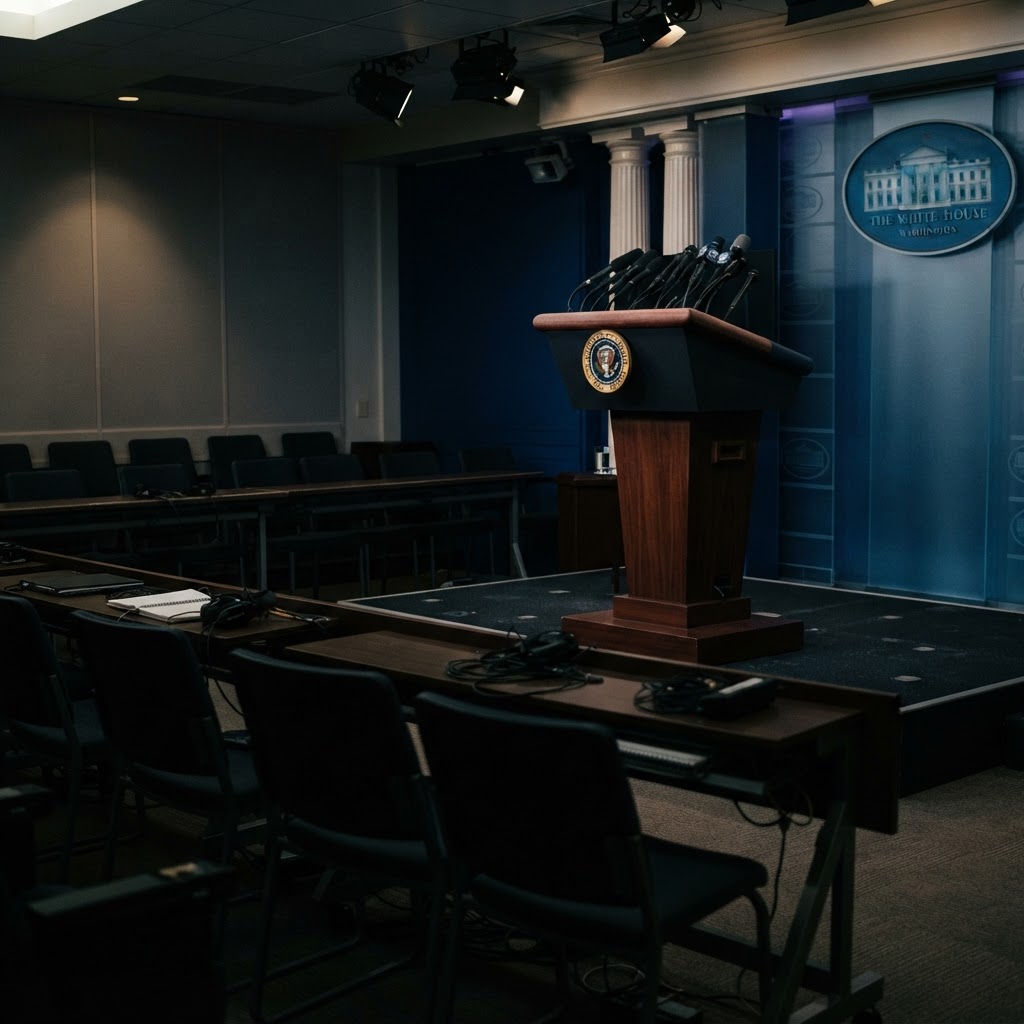
For the Trump administration and congressional Republicans, the economy presents both an opportunity and a political danger. The administration can point to continued growth, industrial investment and an unemployment rate that remains historically moderate. Democrats, however, are likely to emphasize higher consumer prices, declining confidence and the weakening employment picture.
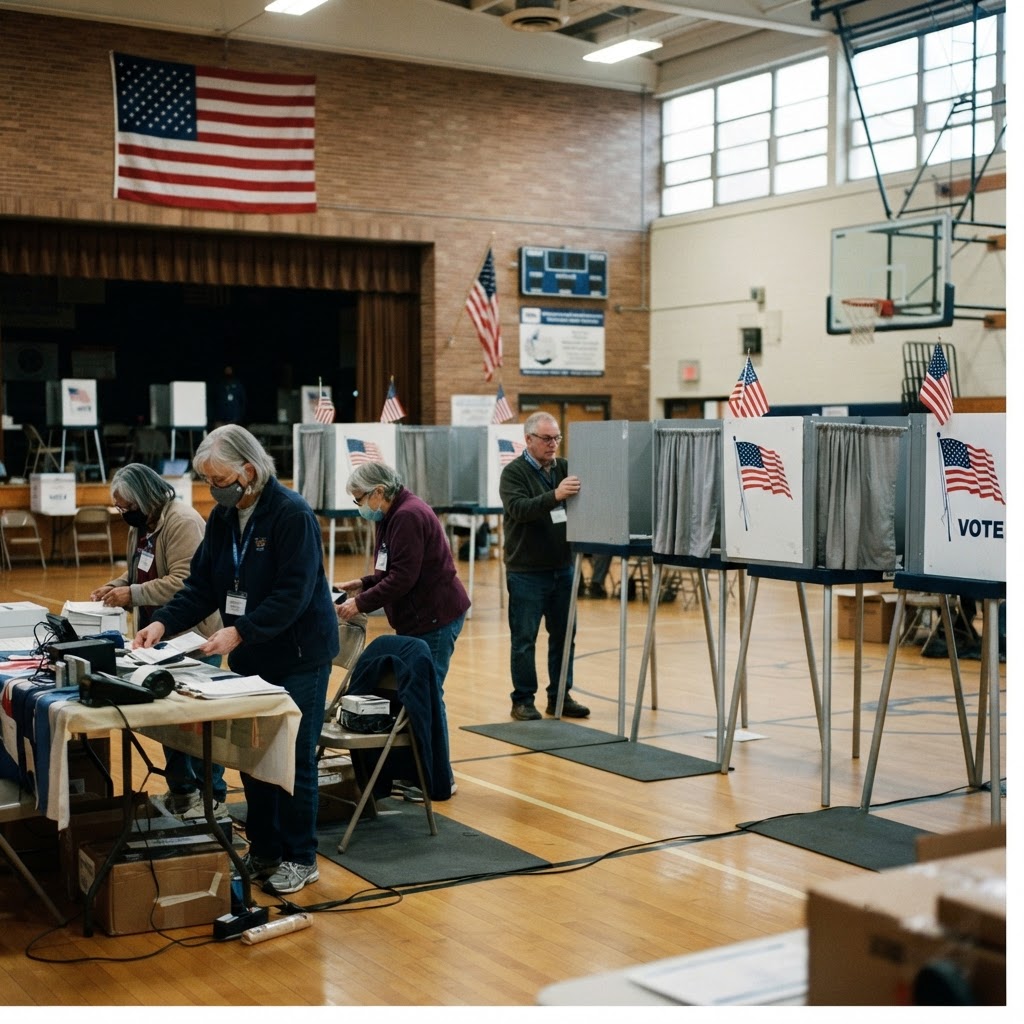
Ultimately, voters may judge the economy less by national statistics than by their personal circumstances. A growing economy provides little comfort to a family struggling with rent, groceries, gasoline, medical bills or an uncertain job.
America is not currently experiencing an economic collapse. It is facing something politically complicated: an economy that is still growing but feels increasingly insecure to many of the people living within it.
The decisive question is whether the present slowdown represents a temporary adjustment or the beginning of a more serious economic downturn. The answer will influence financial markets, Federal Reserve policy and the political direction of the United States.
Comments (0)
Be the first to share your thoughts!
Your voice matters. Every comment helps build our community.
Discussion Starters
No comments yet. Be the first to share your thoughts!