




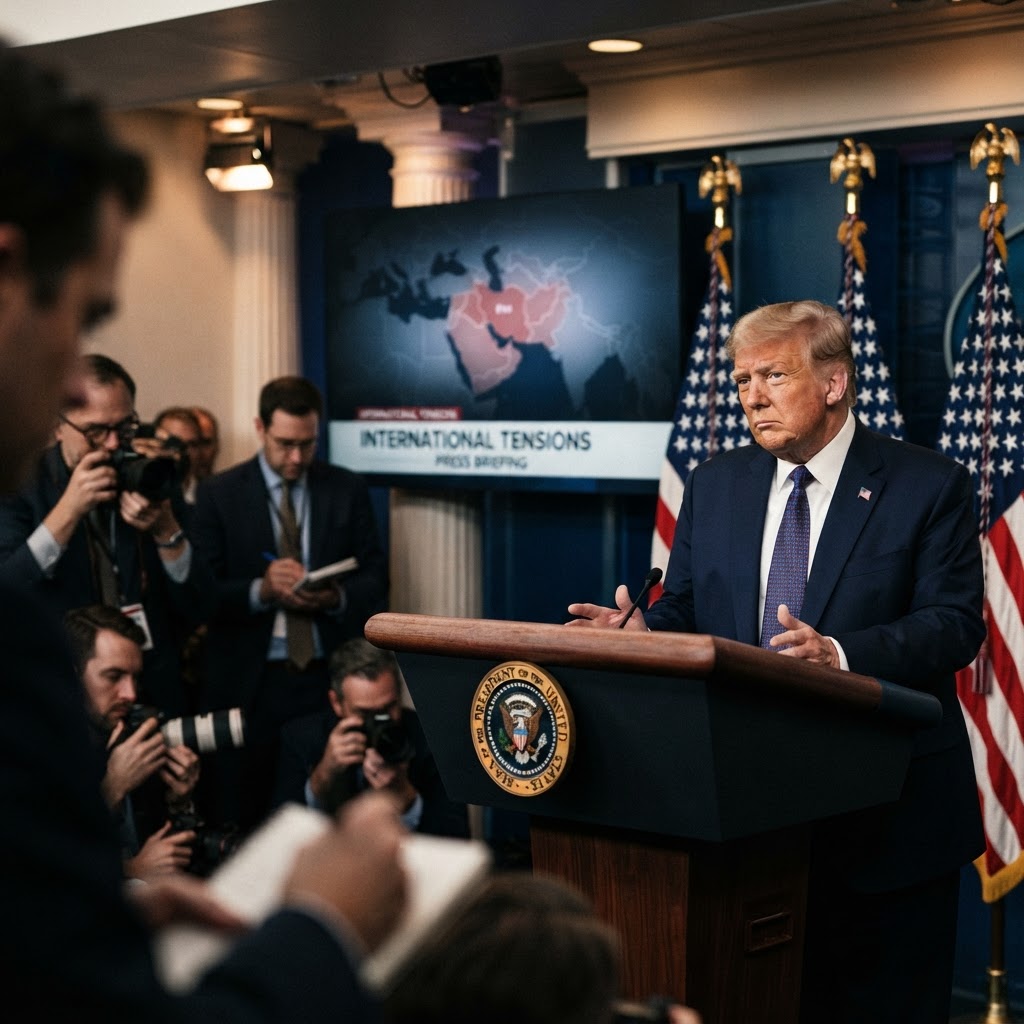
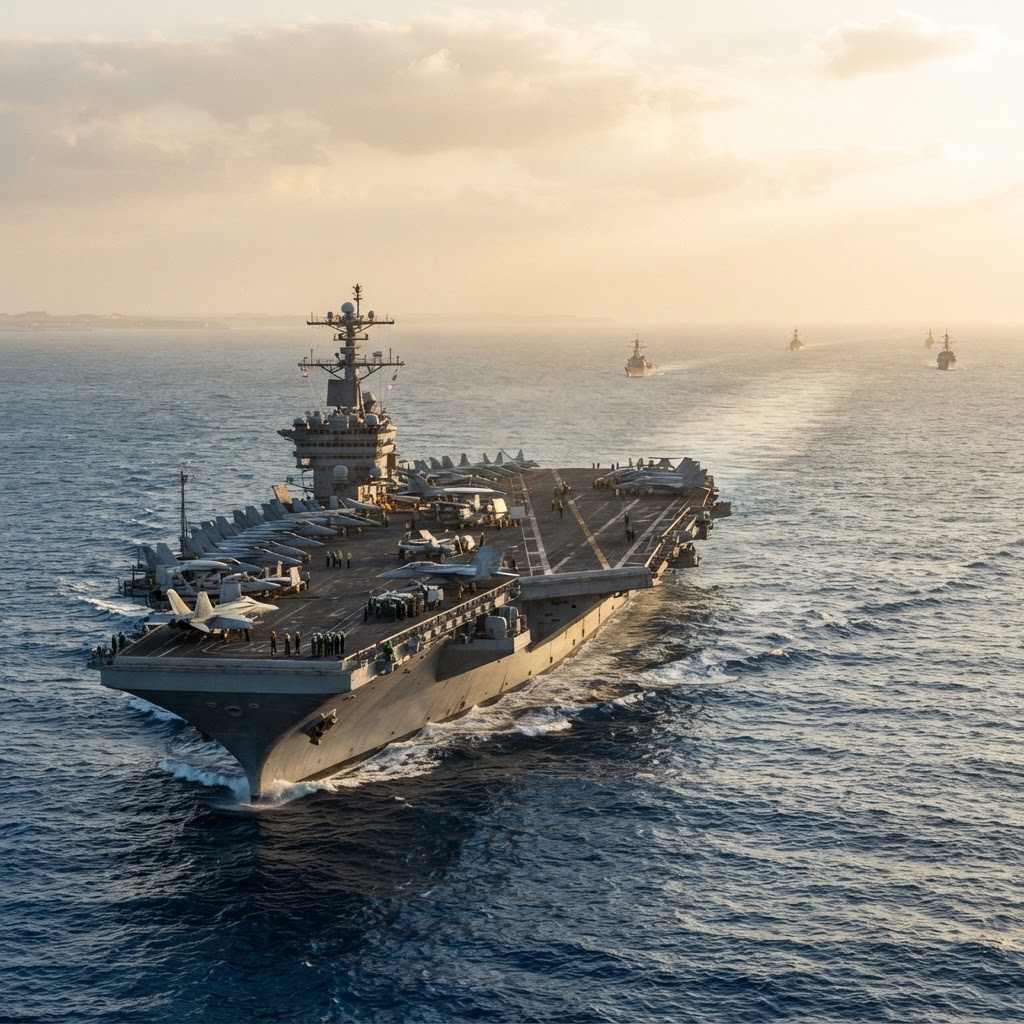
As military action against Iran expands, the political battlefield is no longer only in the Middle East. It is now firmly inside the United States, where President Donald Trump is trying to project strength abroad while managing rising anxiety at home over escalation, oil prices, and the risk of a wider war.
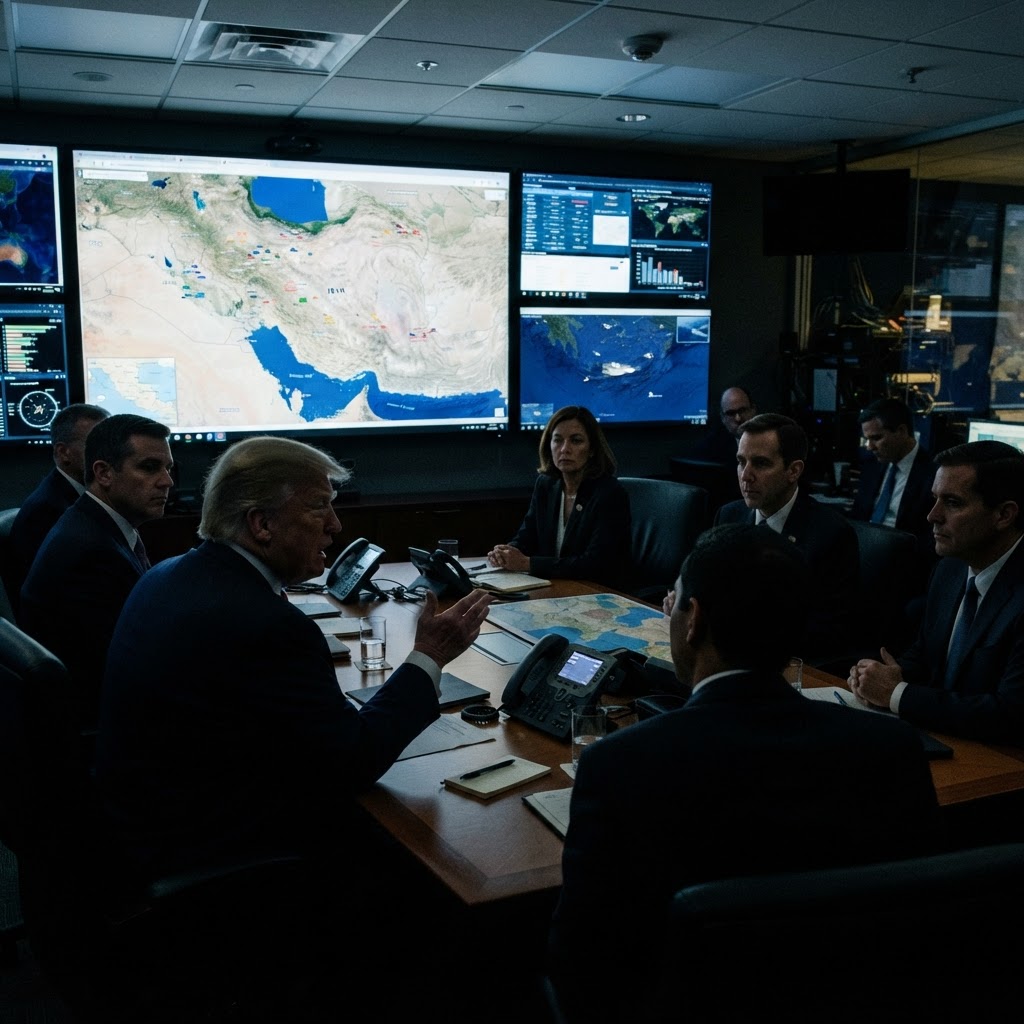
By the third week of July 2026, the conflict between the United States and Iran had moved into a new and more volatile phase. Recent reporting has described renewed U.S. strikes on Iranian military and maritime targets, fresh instability around the Strait of Hormuz, and growing fears that what was once framed as limited action could become a prolonged confrontation. For Americans, that matters not only because of foreign policy, but because wars overseas quickly reshape politics, prices, and presidential power at home.
Trump’s approach has been clear in tone: pressure, retaliation, and public insistence that force is necessary to restore deterrence. Supporters argue that a hard line signals resolve and protects commercial shipping and U.S. partners. Critics counter that the administration is moving faster militarily than diplomatically, and that every new round of strikes increases the chance of miscalculation. The collapse of the earlier ceasefire framework has only sharpened that debate.
Why this war feels domestic now
American voters do not experience a conflict like this only through headlines about missiles and military targets. They experience it through fuel costs, stock-market volatility, supply-chain nerves, and a steady sense that another foreign war could pull the country into a longer cycle of uncertainty. When shipping in or near the Strait of Hormuz is threatened, energy markets react. When oil surges, it reaches U.S. households quickly. That gives the Iran conflict direct political consequences in America, even for people who do not closely follow foreign affairs.
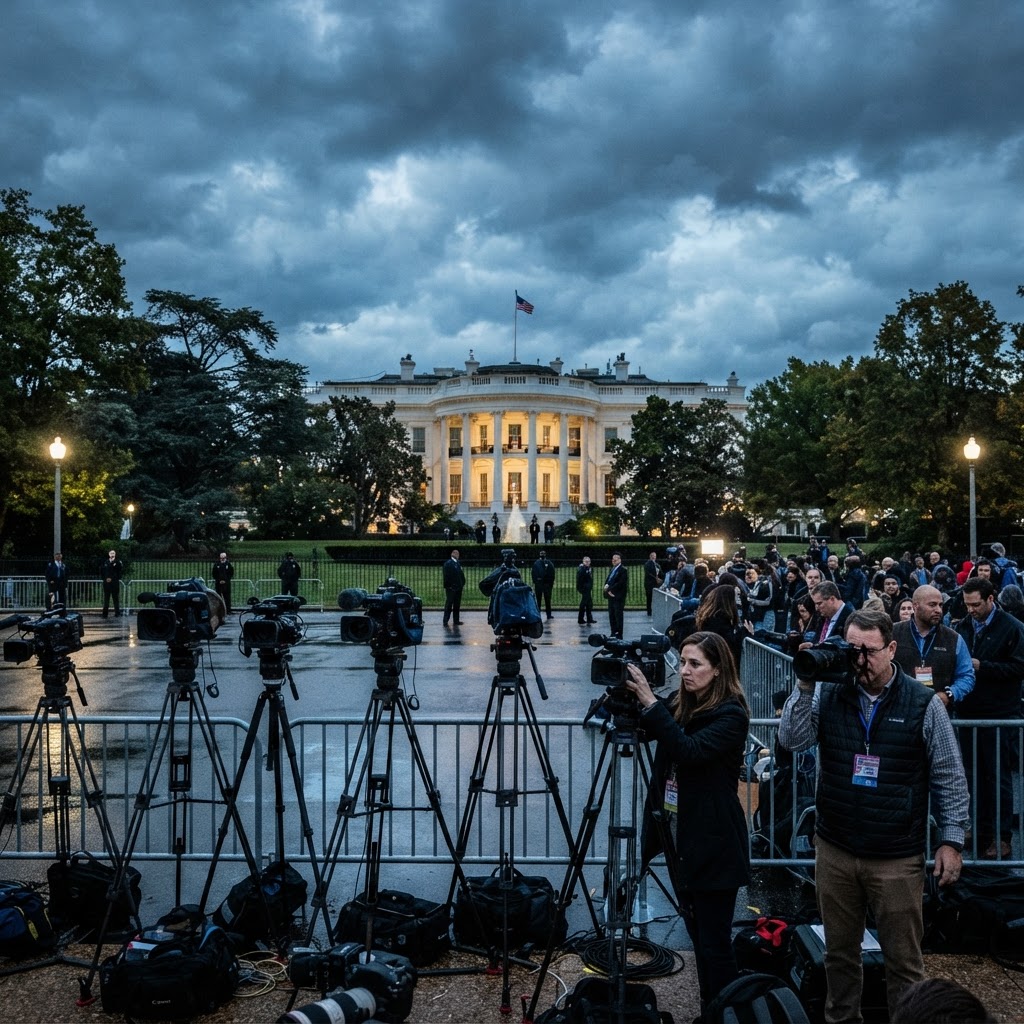
There is also the question of war powers. Each time the administration expands or prolongs military operations, lawmakers face renewed pressure to define the legal and political boundaries of presidential action. Some Republicans have rallied around Trump’s show of force. Others, along with many Democrats, are asking whether the White House is drifting into a broader war without a fully transparent public case for where it ends. The longer the operation lasts, the harder those questions become to contain.
Trump’s political calculation
For Trump, the Iran war is both a security challenge and a political gamble. He has long favored a leadership style built on visible strength, fast response, and sharp rhetorical contrast with perceived weakness. In the short term, that posture can energize supporters who want unmistakable action against Iranian threats. But wartime politics in America are rarely static. Presidents often gain room early in a crisis, then face harsher scrutiny when casualties, costs, or economic aftershocks begin to mount.
That is why the current moment is so delicate. If the administration can argue that its strategy has reduced Iranian military capacity and stabilized shipping lanes, Trump may frame the campaign as proof of decisive leadership. If, however, the conflict widens further, drags on, or drives a sustained rise in consumer costs, the same strategy could become a liability. Americans may accept risk in the name of security, but they do not do so indefinitely without demanding results.
America’s wider mood: fatigue, caution, and division
The national mood surrounding this conflict is not simple hawkishness or simple opposition. It is a mix of fear, fatigue, patriotism, and distrust. Many Americans want the country protected and expect forceful responses to attacks on U.S. interests. At the same time, many are weary of open-ended entanglements and skeptical of promises that a new round of strikes will remain limited. That tension is defining public conversation across television, social media, campaign messaging, and Congress.
It also intersects with a broader reality: the United States is already politically polarized. In that environment, almost every foreign-policy development is rapidly absorbed into domestic identity politics. One side sees Trump as restoring deterrence. The other sees him as raising the danger of a larger regional war with unclear long-term goals. The result is that the Iran conflict is no longer just a foreign crisis the White House must manage. It is becoming part of the story Americans tell themselves about leadership, competence, and national direction.
What to watch next
The next chapter will likely be shaped by three things: whether maritime attacks continue, whether U.S. military action stays limited or expands, and whether Americans begin to feel the economic consequences more sharply at home. If tanker disruptions continue and oil stays elevated, the war’s impact on everyday life in America will become harder for any administration to downplay. If Congress grows louder in demanding oversight, the political center of gravity could shift even more toward Washington.
For now, Trump is trying to manage both the battlefield and the narrative. But wars do not stay inside briefing rooms. They spill into grocery bills, campaign speeches, congressional hearings, and public trust. That is why the Iran war is already more than a geopolitical crisis. It is one of the defining current-events stories in America — and one that may do as much to shape domestic politics as it does events overseas.

Comments (0)
Be the first to share your thoughts!
Your voice matters. Every comment helps build our community.
Discussion Starters
No comments yet. Be the first to share your thoughts!