



America's political mood is being reshaped by war abroad and agitation at home.
As the U.S.-Iran conflict intensifies again, President Donald Trump is facing a volatile mix of military escalation, legal scrutiny over war powers, rising public anxiety, and a fresh domestic political battle over election security. Together, those forces are defining the current American moment.

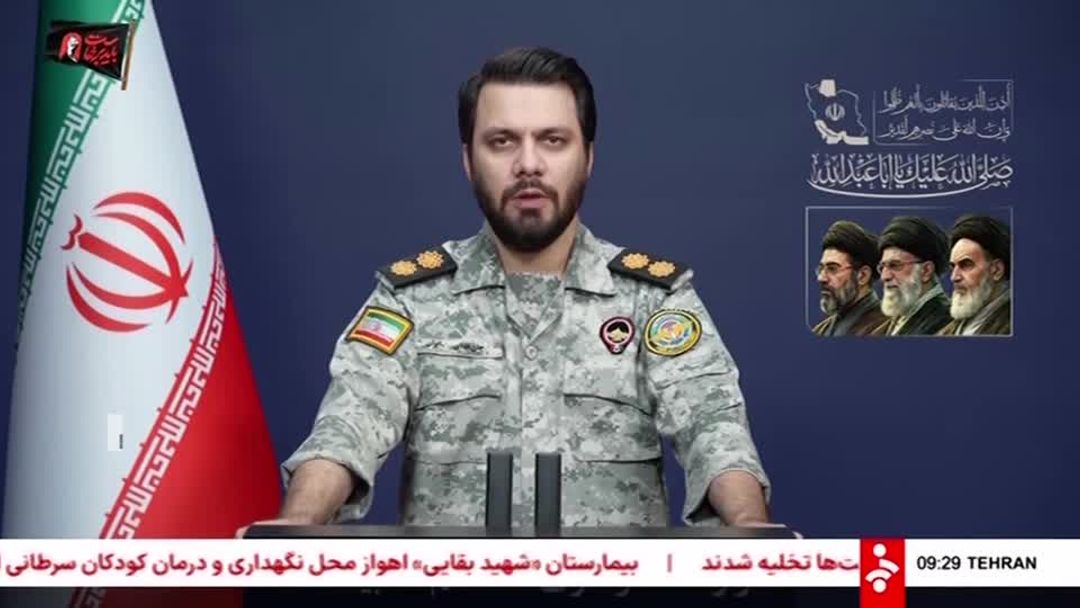
Reuters reported this week that the United States and Iran have traded a new round of attacks after last month's truce largely unraveled. U.S. forces launched additional strikes aimed at degrading Iranian military capabilities, while Tehran responded with missile and drone attacks and renewed pressure around the Strait of Hormuz, one of the world's most important energy chokepoints.
The war is back at the center of American politics
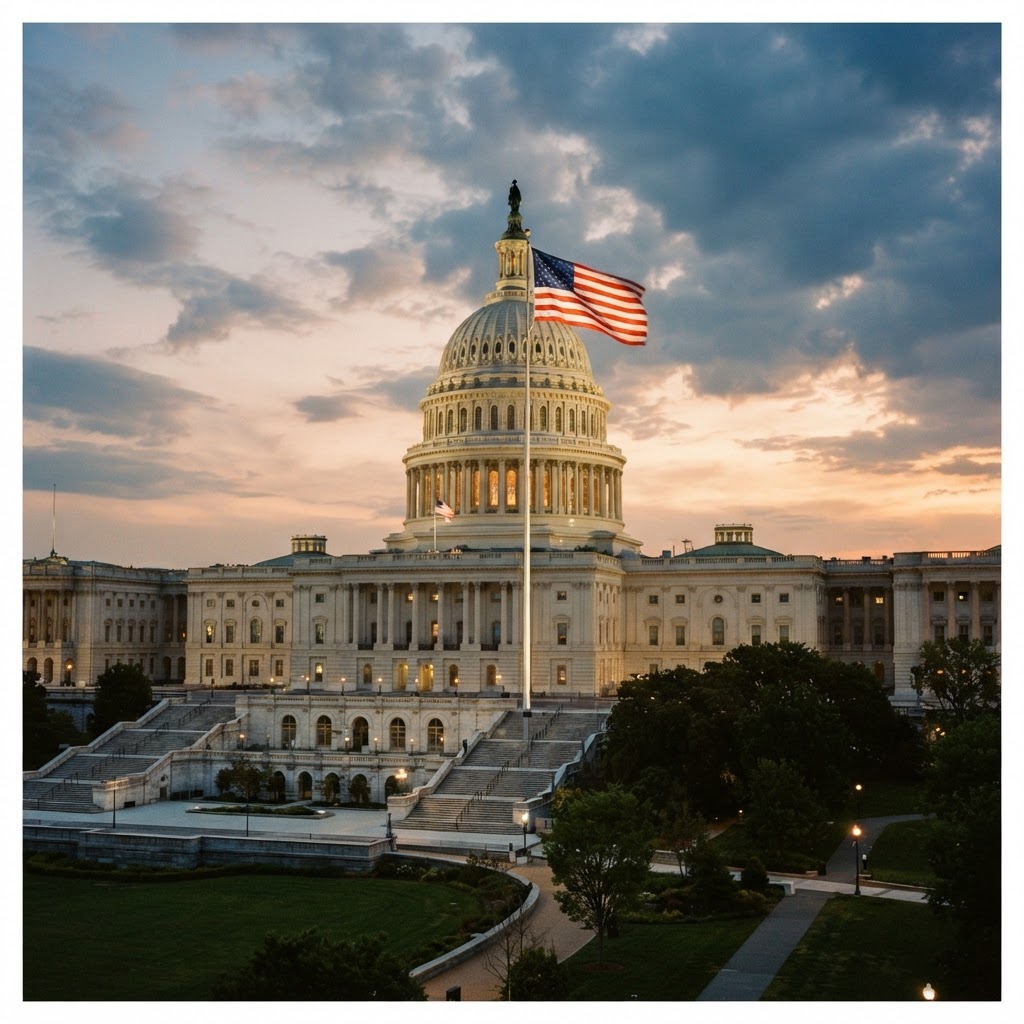
According to Reuters, Trump has formally notified Congress that hostilities with Iran resumed on July 7, a move his administration sees as opening a new 60-day window for military action without new congressional approval. That position is already sharpening debate in Washington over the War Powers Act and over how much authority a president can claim in an expanding conflict.
Critics in both parties have argued that the administration is stretching the law, while Trump's allies insist he is acting within his responsibility to protect U.S. interests and keep commercial routes open. The result is a war that is no longer only a foreign-policy story. It is also a constitutional and political fight inside America.
Americans are uneasy about where this is heading
A Reuters/Ipsos poll found that 79% of Americans now expect the U.S. war with Iran to continue for an extended period, up sharply from 65% in late March. Only 18% said they believed the war would end quickly. The same poll found that 60% expect gasoline prices to worsen over the next year, a sign that economic anxiety is becoming inseparable from the conflict itself.
That matters politically. Rising fuel costs and cost-of-living worries have created a real vulnerability for the White House and for Republicans heading into the midterm season. Half of those surveyed told Reuters they do not believe the war has been worth its cost.

Trump is also turning back to election politics
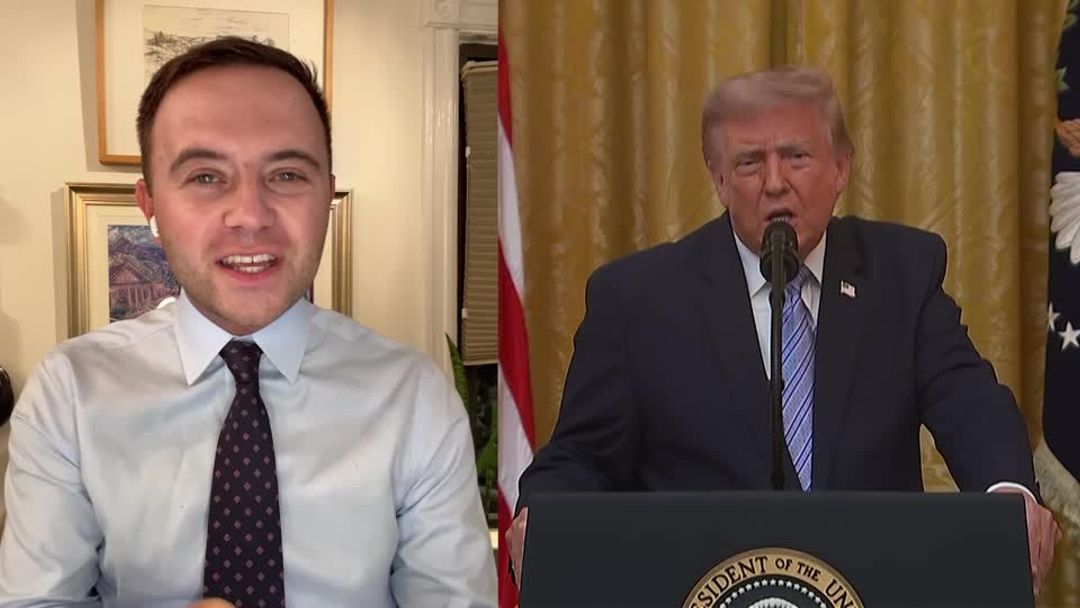
At the same time, Trump has tried to shift attention toward domestic political terrain. Reuters reported Friday that he is pushing election security to the center of the Republican midterm message, reviving claims about the 2020 election and pressing Congress to pass new voter identification and citizenship requirements.
In a White House address, Trump asserted that China interfered in the 2020 campaign, despite intelligence findings that Reuters said do not support altered votes or manipulated results. Beijing rejected the allegations, and Democrats accused Trump of recycling unproven claims at a moment when many Americans are more worried about war costs and everyday expenses.
A country pulled in two directions
The current American story is not just about missiles, oil routes or speeches. It is about a country being pulled in two directions at once: outward by war and inward by political distrust. Trump's supporters see strength, confrontation and executive action. His critics see drift, escalation and a deepening strain on democratic guardrails.
For now, there is no clean resolution in sight. The fighting with Iran is testing U.S. power abroad. The argument over war powers is testing institutions in Washington. And Trump's return to election-centered rhetoric is testing how much public attention can be redirected when the price of conflict may soon show up at the gas pump.
That is why this moment feels so consequential. America is not dealing with a single crisis, but with several overlapping ones — military, economic, legal and political — all converging at once.

Comments (0)
Be the first to share your thoughts!
Your voice matters. Every comment helps build our community.
Discussion Starters
No comments yet. Be the first to share your thoughts!