





America’s political mood is being reshaped again by Donald Trump and the widening Iran conflict, as new military action overseas feeds a fresh argument at home over presidential power, war authority and how much instability U.S. voters are prepared to absorb.
Reuters reporting over the last several days shows a fast-moving picture: Trump has formally told Congress that hostilities with Iran resumed on July 7, the U.S. military says it has completed a new wave of strikes across Iran, and even as Washington says talks will continue, the ceasefire that briefly suggested an off-ramp is now effectively over.
Trump reopens the war argument in Washington
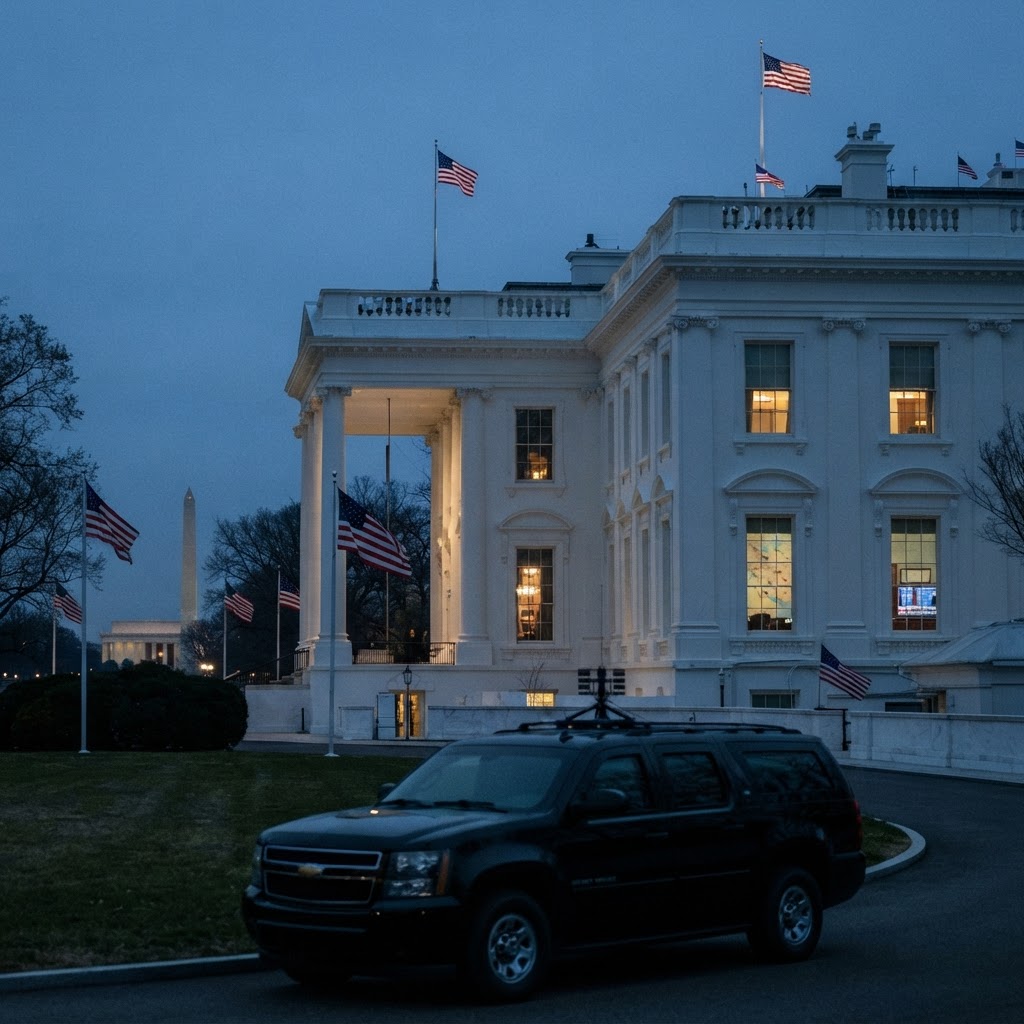
Reuters reported that Trump sent Congress formal notice saying hostilities against Iran had resumed, a step his administration sees as starting a new 60-day window to continue military action without direct congressional approval. In the letter, Trump argued that the action was consistent with his responsibility to protect Americans and U.S. national security interests.
That move immediately revived the constitutional fight over war powers. Under the War Powers Act, presidents must notify Congress within 48 hours of launching hostilities, and military action without approval is meant to end within 60 days. Critics in both parties argue the administration is stretching the law, especially after earlier votes in the House and Senate signaling opposition to the war.
That means the Iran conflict is no longer only a foreign-policy story. It is also a domestic political test of how far presidential authority can stretch in a prolonged conflict.
Three nights of strikes deepen the sense of escalation
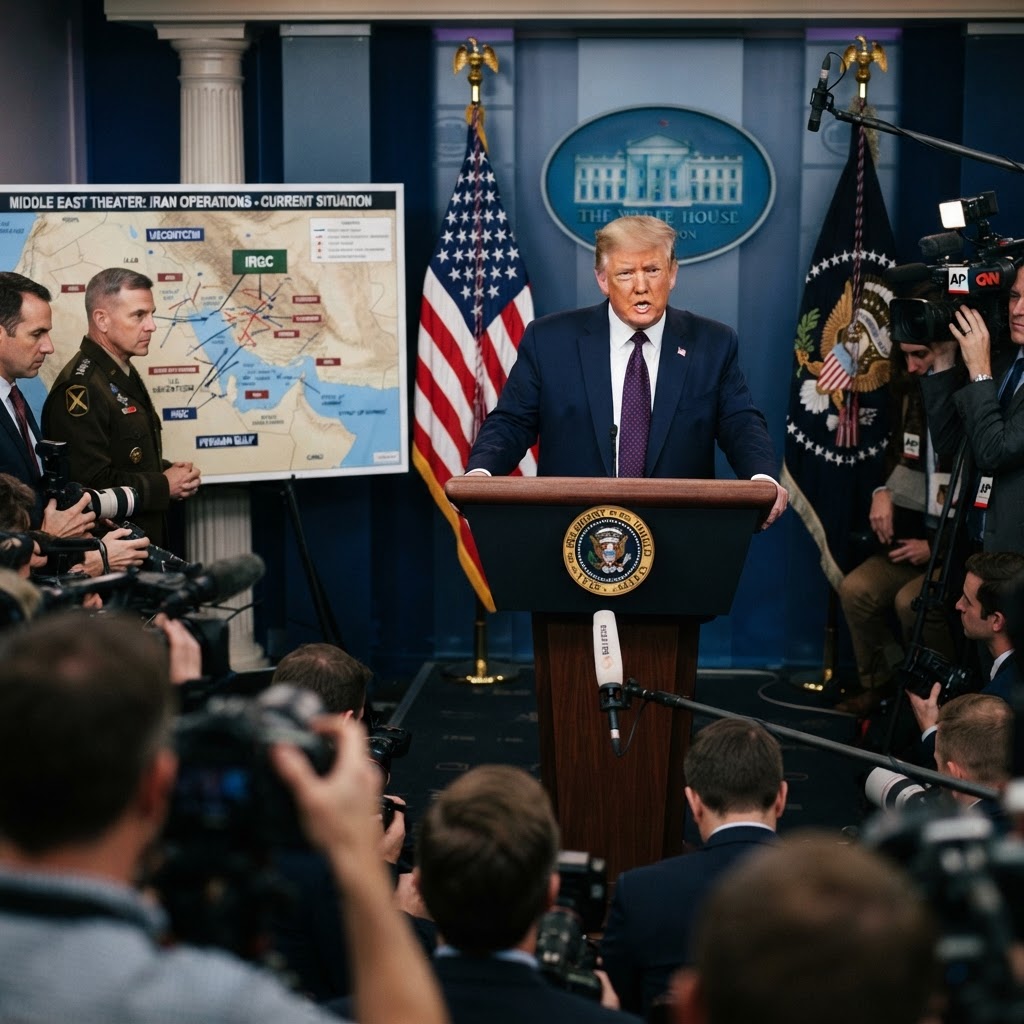
Reuters also reported that the U.S. military completed its latest wave of strikes on Iranian targets, marking a third consecutive night of attacks. Central Command said the operation hit military targets across Iran, including Bushehr, Chah Bahar, Jask, Konarak, Abu Musa and Bandar Abbas.
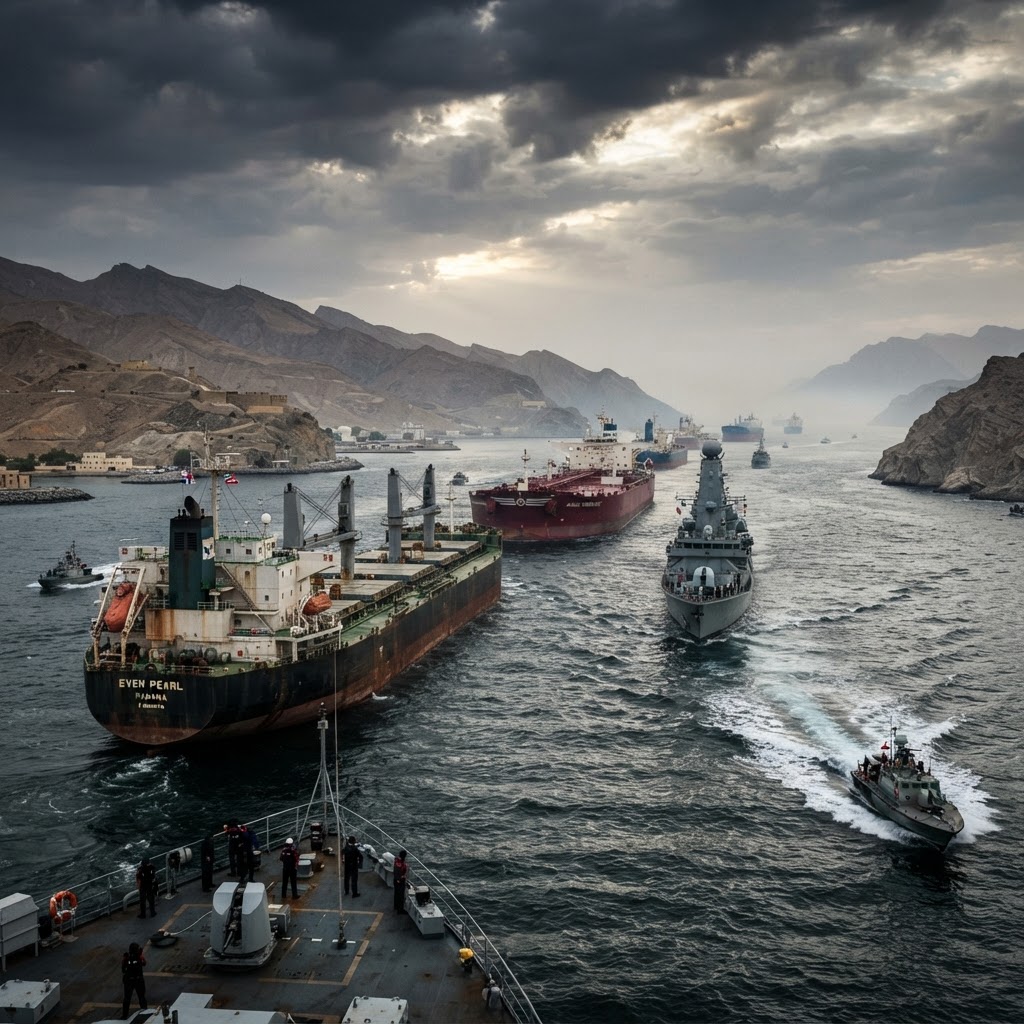
The renewed strikes came as Trump said the United States was reinstating a blockade of Iranian shipping and pushing to keep the Strait of Hormuz open. Iran, in turn, has insisted that Washington does not get to decide the future of the waterway. The clash has pushed the conflict back into one of the most dangerous pressure points in the global economy.
That matters in America far beyond the battlefield. Oil prices, shipping disruption and market instability all land quickly in U.S. politics, where inflation and consumer costs remain deeply sensitive issues.
Talks continue, but the ceasefire is gone
Even with the new strikes, Reuters reported that the U.S. and Iran had agreed to continue talks after mediation involving Oman. But Trump made clear that, in his words, the ceasefire is over. That leaves Washington in a contradictory moment: negotiating and escalating at the same time.
The negotiations have centered heavily on the Strait of Hormuz, where safe passage for commercial vessels has become one of the immediate flashpoints. About a fifth of the world’s oil supply moved through the waterway before the war, and every threat around Hormuz now feeds directly into global prices and American political nerves.
Why this feels bigger inside the United States
For American readers, the Trump-Iran story is not just about missiles, diplomacy and naval routes. It is about the return of a familiar national question: what happens when a president moves faster than Congress, diplomacy keeps failing, and a foreign conflict begins to shape the price of energy, the mood of voters and the tone of an election season?
That is why the Iran war is increasingly becoming a story about America itself. It touches executive power, economic anxiety, military risk and the public’s tolerance for open-ended conflict. Trump may frame the new actions as strategic necessity, but the political price will be measured at home as much as abroad.
TND takeaway
Current events in America are now running straight through the Trump presidency and the Iran war. The latest strikes, the renewed fight over war powers, the fragile talks and the threat to global shipping have combined into one of the defining U.S. political stories of the moment. For now, Washington is not stepping back. It is trying to manage escalation while arguing over who has the authority to keep it going.
Comments (0)
Be the first to share your thoughts!
Your voice matters. Every comment helps build our community.
Discussion Starters
No comments yet. Be the first to share your thoughts!