




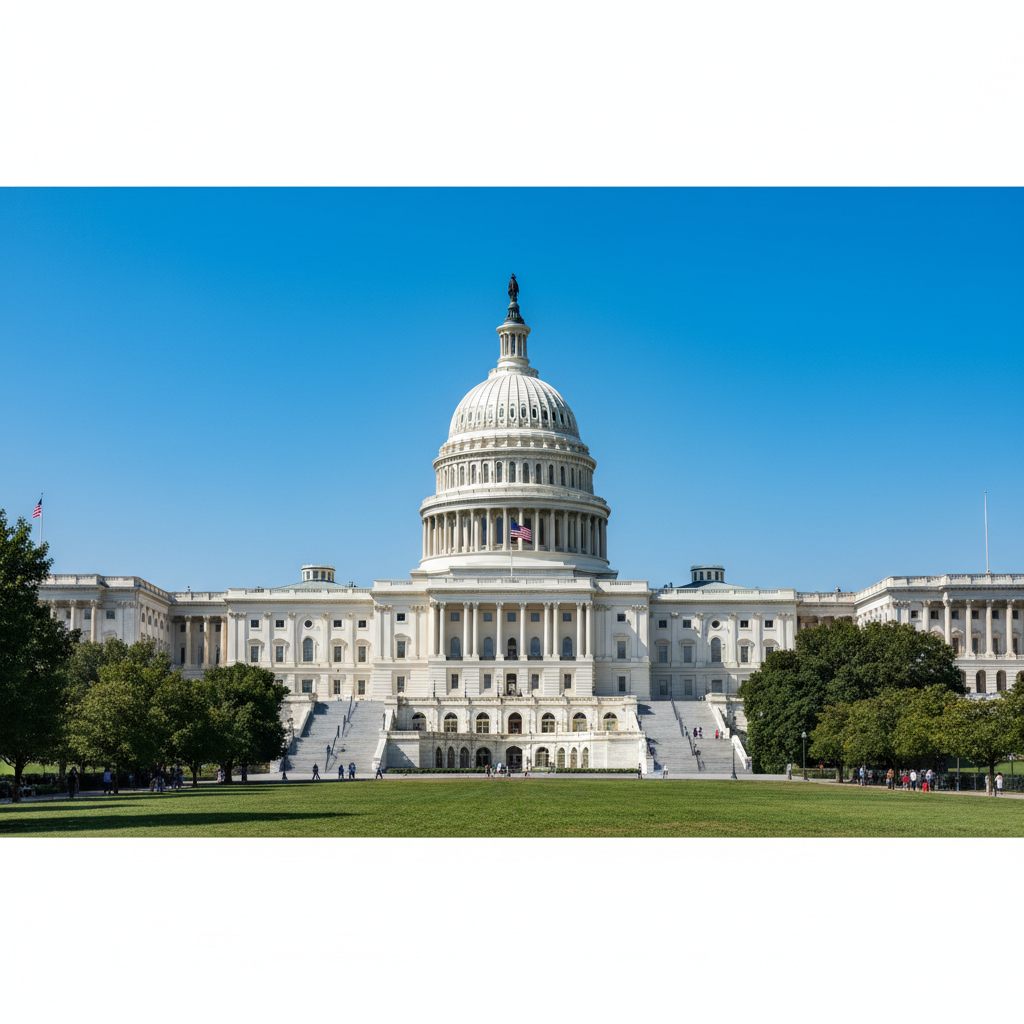
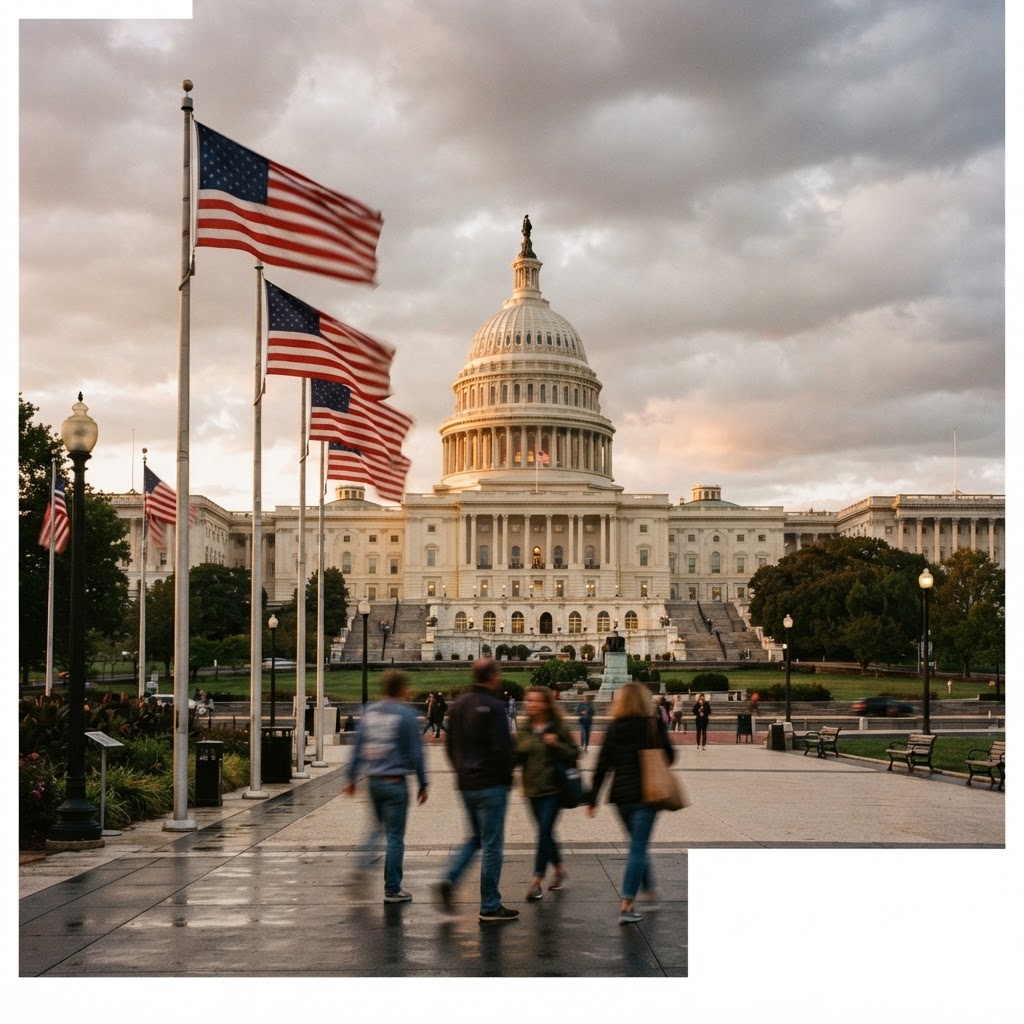
In the United States, a familiar but dangerous political standoff is unfolding once again in Washington, D.C., as lawmakers race against time to prevent a federal government shutdown. With the deadline rapidly approaching, negotiations in Congress remain tense, exposing deep divisions over national priorities and fiscal direction.
At the heart of the impasse are disagreements over federal spending levels, border security, and funding for key social programs. House Republicans, led by Speaker Mike Johnson, are pressing for significant spending cuts and stricter accountability measures, arguing that unchecked government expenditures are unsustainable. Across the aisle, Senate Democrats, under Majority Leader Chuck Schumer, are advocating for a balanced approach that preserves essential services while maintaining economic stability.
The debate over immigration policy has emerged as one of the most contentious issues. Republican lawmakers are demanding tougher border enforcement and policy reforms, while Democrats are pushing for a more comprehensive approach that includes humanitarian protections alongside security measures. This divide has slowed progress and complicated efforts to reach a bipartisan agreement.
President Joe Biden has stepped into the fray, urging Congress to act decisively. He has warned that a shutdown would have immediate and far-reaching consequences, from delayed federal salaries to disruptions in public services and increased uncertainty in financial markets. The administration has called on lawmakers to prioritize the needs of the American people over political differences.
Economic experts are also raising alarms. Even a temporary shutdown could ripple across the national economy, affecting small businesses, government contractors, and public institutions. Federal agencies have already begun implementing contingency plans, a clear indication that the risk of a shutdown is being taken seriously.
Public frustration is growing. Many Americans see the repeated budget battles as a sign of dysfunction within the political system, eroding confidence in leadership and governance. Business groups, advocacy organizations, and civic leaders are increasingly calling for compromise, emphasizing that prolonged gridlock carries real-world consequences.
As the clock ticks down, the nation watches closely. Whether Congress can bridge its divisions or allow another shutdown to take hold will not only determine the immediate future of government operations but also shape the broader political landscape in the months ahead.


Comments (0)
Be the first to share your thoughts!
Your voice matters. Every comment helps build our community.
Discussion Starters
No comments yet. Be the first to share your thoughts!