




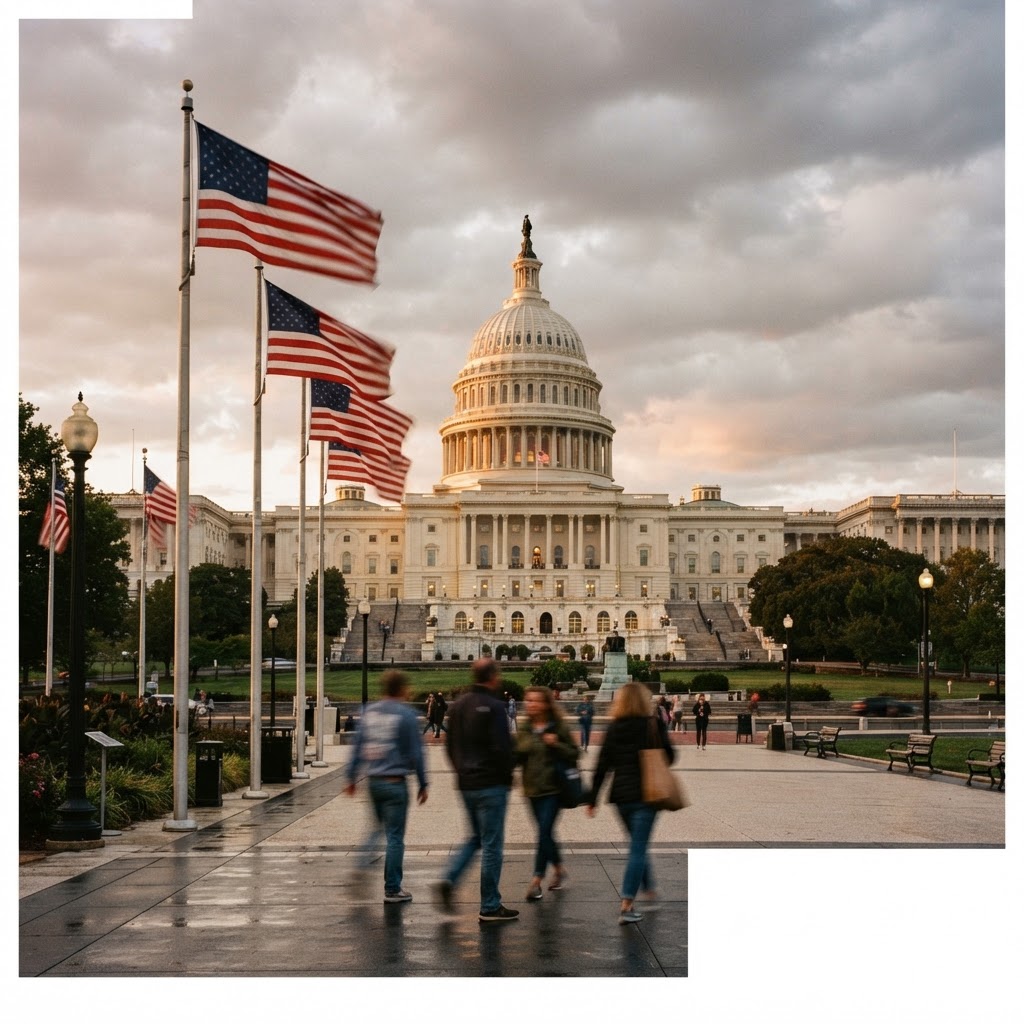
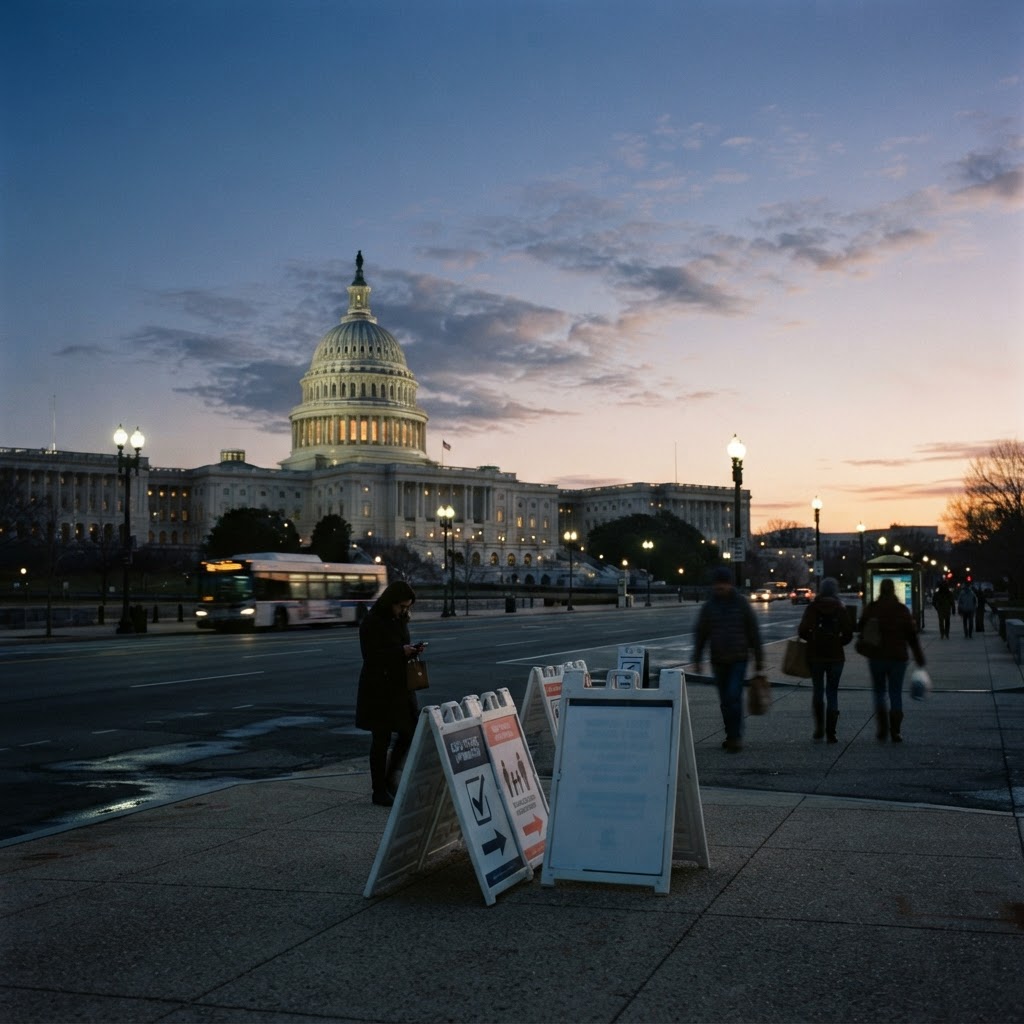
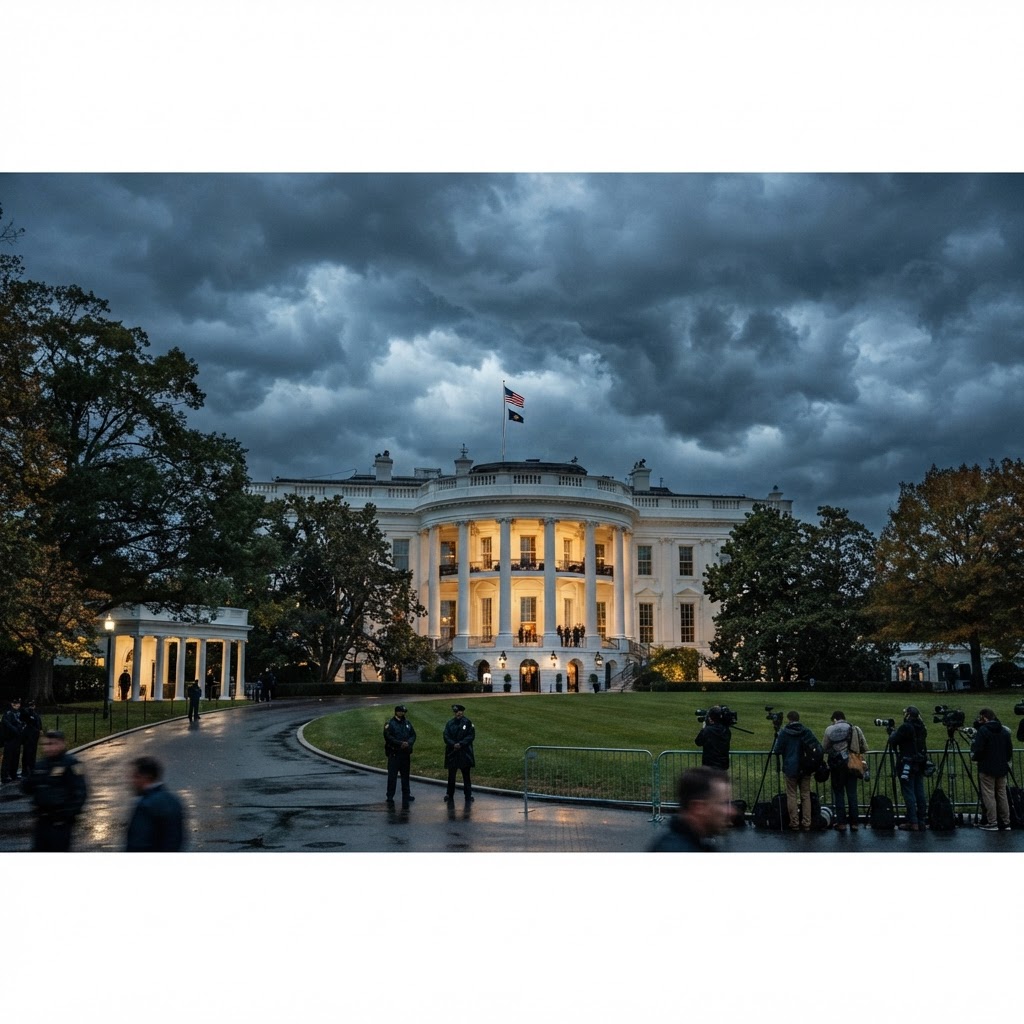
WASHINGTON — America enters the final stretch of August 2026 with its political engine at full throttle, its economy proving more durable than forecasters expected, and its households juggling the familiar late-summer rituals of school supplies, tuition bills, and campaign ads that seem to follow them from the television to the phone.
Midterm Season Reaches a Boil
With fewer than 80 days until the November 3 midterm elections, both parties are pouring unprecedented resources into a handful of states that will decide control of Congress. Senate races in Georgia, Michigan, Nevada, and Pennsylvania have drawn hundreds of millions of dollars in advertising, while House strategists are targeting suburban districts from Arizona to Virginia.
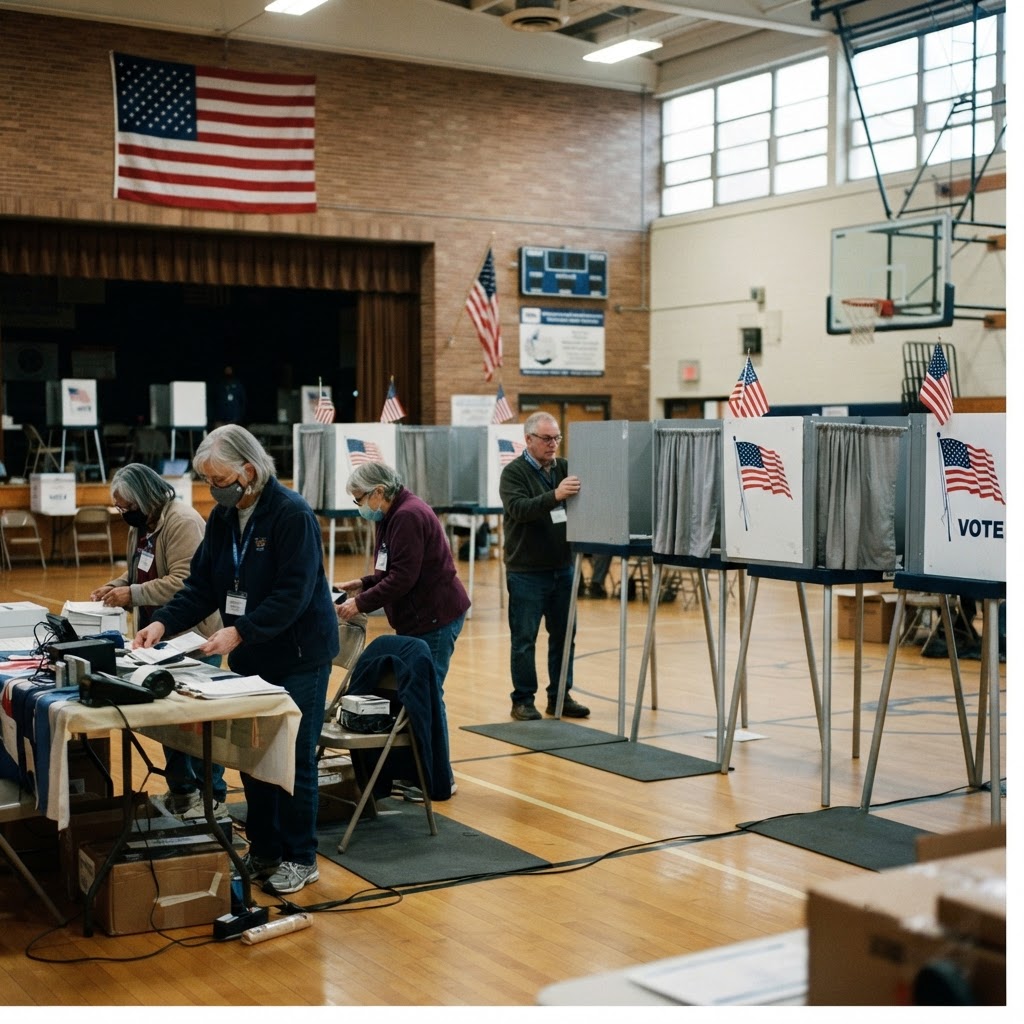
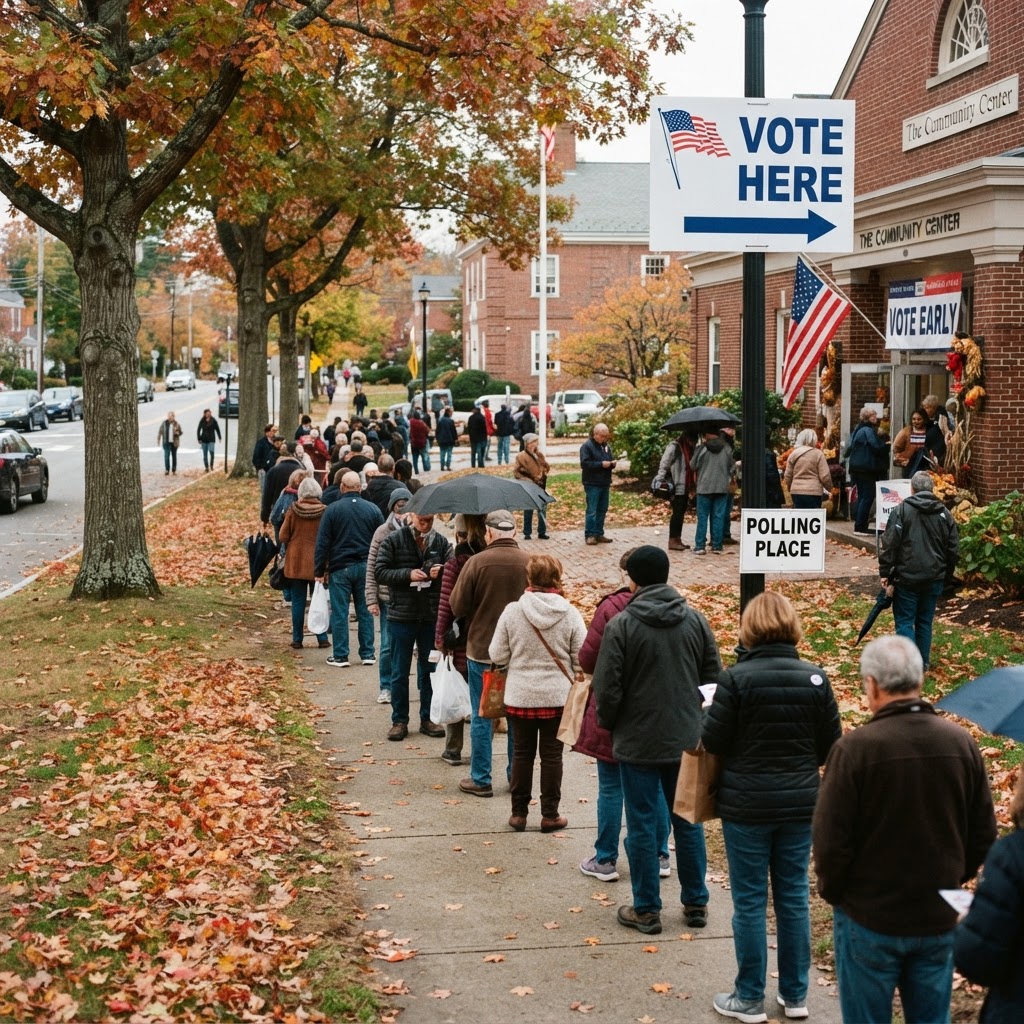
Early-voting infrastructure is already being tested. Election officials in several battleground states report record requests for mail ballots, and county clerks are hiring additional staff to handle what many expect to be the highest midterm turnout in modern history.
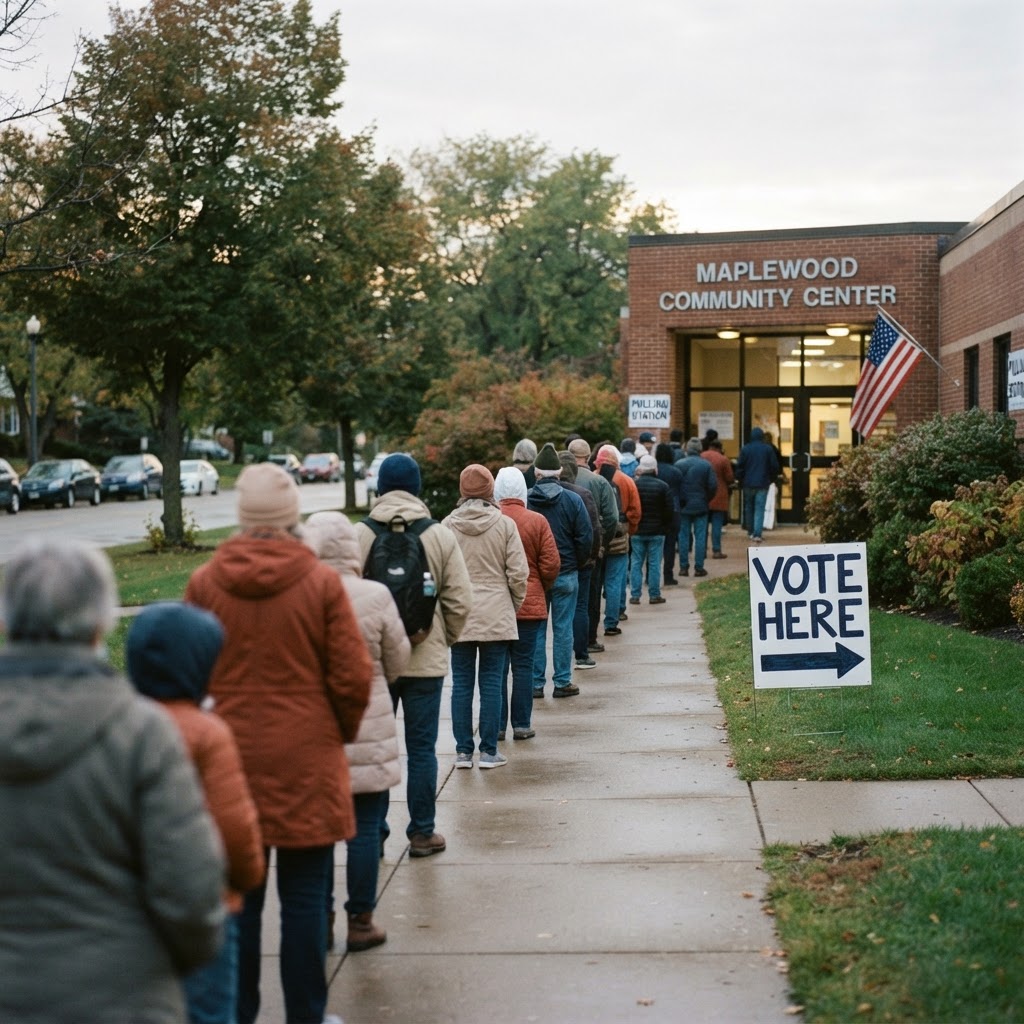
Voters queue outside a community polling site as early-voting preparations ramp up across battleground states.
The issues driving the campaign are familiar but sharpened: the cost of living, housing affordability, immigration, and the role of artificial intelligence in the workplace. Candidates in both parties have discovered that voters under 35 — a bloc that could decide a dozen close races — rank housing costs above nearly every other concern.
An Economy That Refuses to Stall
The American economy continues to confound the pessimists. Unemployment remains near historic lows, wage growth is outpacing inflation for the eighth consecutive month, and consumer spending held firm through the summer despite elevated borrowing costs.
Small businesses on Main Streets across the country report steady demand, though many owners say hiring remains their biggest challenge. Federal Reserve officials, meeting later this month in Jackson Hole, are weighing whether the data justifies a further easing of interest rates before year's end.
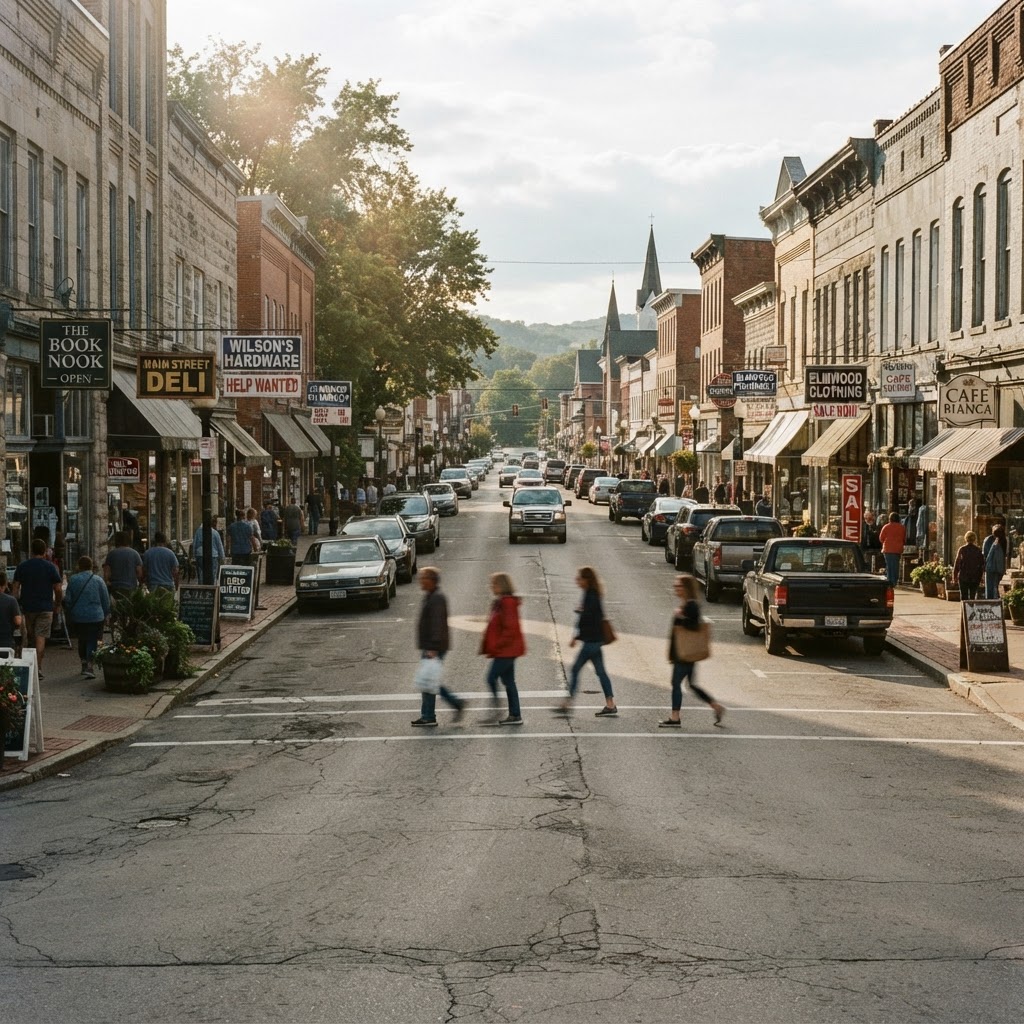
Main Street storefronts reflect an economy that has stayed resilient through a summer of uncertainty.
Housing remains the stubborn exception. Median home prices rose again in July, and rental costs in major metros continue to climb faster than incomes — a squeeze that both parties have placed at the center of their midterm messaging.
Back to School, With New Pressures
Roughly 50 million public school students are returning to classrooms this month, and families are feeling the pinch: the average household will spend more on school supplies, technology, and activities this year than ever before. Districts, meanwhile, are rolling out new guidelines on artificial intelligence in the classroom, with some embracing AI tutoring tools and others imposing strict limits.
Teacher shortages persist in rural districts and in high-demand subjects like math and special education, prompting states to expand alternative certification programs and signing bonuses.
The Weeks Ahead
Between now and Labor Day, Americans can expect the campaign tempo to accelerate, a closely watched Federal Reserve signal from Jackson Hole, and the first wave of candidate debates in marquee Senate races. The 2026 World Cup afterglow has faded into autumn sports season, but the biggest contest in America now runs through November 3.
The New Dispensation will continue tracking the midterms, the economy, and the stories shaping American life every week through Election Day.
Comments (0)
Be the first to share your thoughts!
Your voice matters. Every comment helps build our community.
Discussion Starters
No comments yet. Be the first to share your thoughts!