






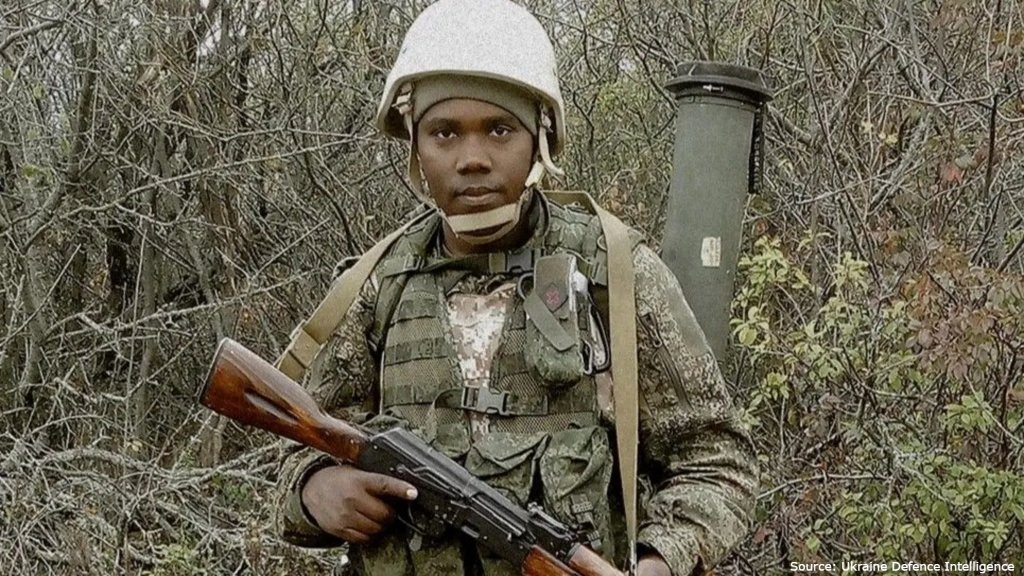
Kenya Demands Action from Moscow
Kenya will talk to Russia over growing reports that its citizens are being recruited to fight in the war in Ukraine. Speaking to the BBC News, Foreign Minister Musalia Mudavadi called the practice "unacceptable and clandestine", and said Nairobi had shut down illegal recruiters and would urge Moscow to sign a deal banning the conscription of Kenyan soldiers.
The Kenyan government estimates that around 200 of its nationals have been recruited to fight for Russia. The exact number remains unclear, as Nairobi maintains that none of them travelled through official channels.
"Kenya and Russia have had long relations since independence, literally. So this, in my view, becomes a very unfortunate episode of otherwise very positive and cordial relations between our two countries," Musalia Mudavadi said.
Diplomatic Engagement and Bilateral Agreements
Mudavadi has told the BBC that Kenya's engagement with Russia will focus on curbing illegal recruitment practices, including discussions on visa policy and bilateral labour agreements, excluding military conscription.
He said the Kenyan authorities had closed more than 600 recruitment agencies suspected of duping Kenyans with promises of jobs overseas.
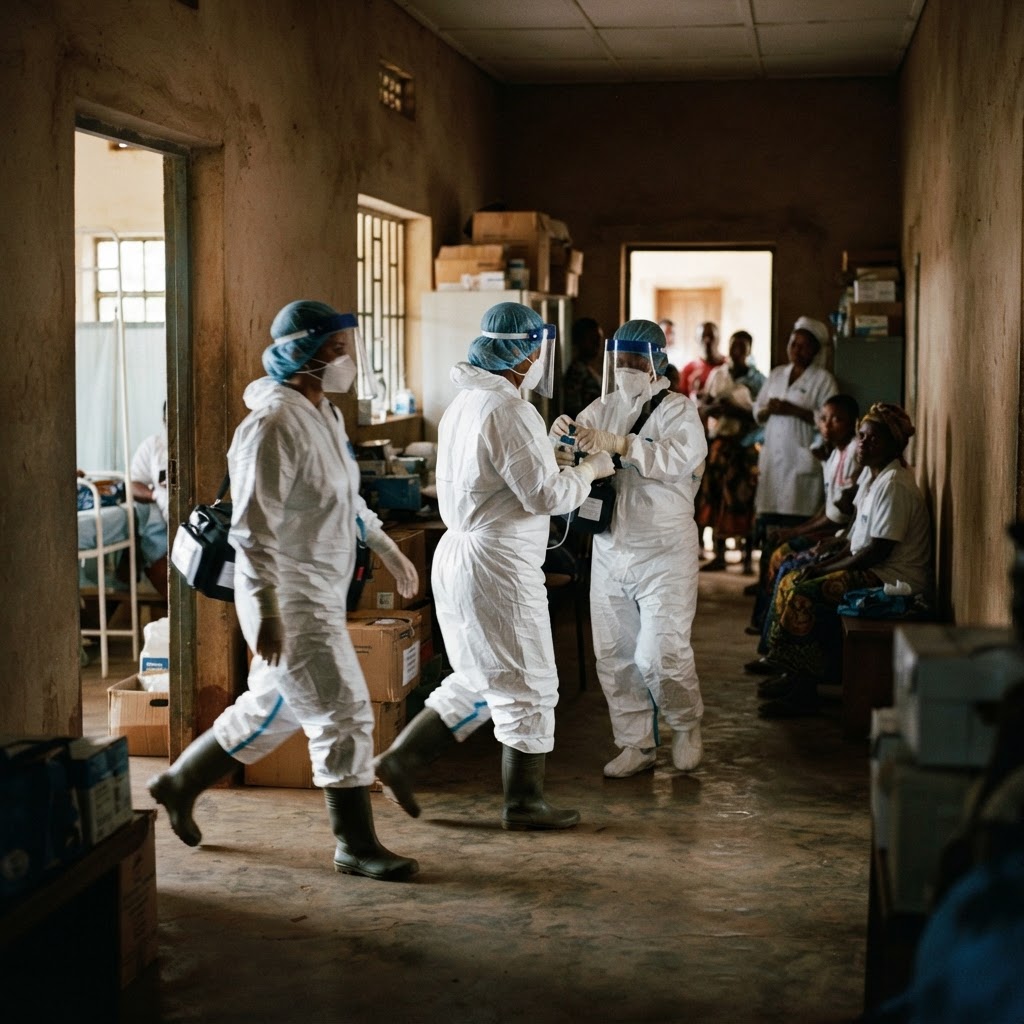
So far, 27 Kenyans who had been fighting in Russia have been repatriated, he said, with authorities providing psychological care to address their trauma and "de-radicalise" them.

Clinton Mogesa, 29, died while fighting for Russia against Ukrainian people
The Human Cost: Bodies Left Behind
It is not clear how many Kenyans have died in Russia's war against Ukraine, and Russia has not formally addressed such reports. Earlier, BBC News reported that relatives who approached the Russian embassy in Nairobi for answers were turned away.
"Families that we've spoken to say they have not been able to bury their loved ones because their bodies are still on the other end," Kenya's foreign minister said.
"It is difficult because, remember, it depends on where the body has been found. There have been some found in Ukraine – we are also working with the government of Ukraine to try and get the remains of those people repatriated."
Pressure has been mounting on the Kenyan government to act after the recent discovery of more bodies of citizens who had been recruited to fight for the Russian armed forces.
Government Response to Criticism
Some of the affected families have told the BBC that they lay the blame squarely at Kenya's government's door for failing to regulate and criminalise clandestine recruitment agencies.
But the Kenyan foreign minister rejects this.
"You cannot blame the government for this," Mudavadi told the BBC. "Where there are illegal recruitment agencies, we have scrapped them, and we continue to scrap them."

Russian President Vladimir Putin
A Continental Crisis: Africa's Recruitment Problem
Ukrainian intelligence assessment estimates that more than 1,400 people from 36 countries in Africa have been recruited to fight for Russia. Ukraine has also previously come in for criticism for trying to recruit foreign nationals, including Africans, to fight on its side.
Ukrainian officials have repeatedly warned that anyone fighting for Russia will be treated as an enemy combatant and that the only safe route out is to surrender and be treated as a prisoner of war.
Global Pattern of Exploitation
Since 2022, Moscow has targeted the economically vulnerable across Africa, South Asia, and Latin America — Nepalis promised security work, Kenyans told they'd guard facilities, Cubans offered escape from grinding poverty. Instead, they've become expendable infantry in a war they barely understand, while young women from Brazil and African nations labor under exploitative conditions in Russian drone factories.
This systematic deception reveals a broader pattern: Russia's war machine relies not just on its own conscripts, but on the desperate and deceived from around the world. These recruitment tactics represent a form of modern exploitation, where economic vulnerability is weaponized to feed a war effort that has already claimed hundreds of thousands of lives.
The Path Forward
Kenya's firm diplomatic stance sends a clear message: African nations will not tolerate the exploitation of their citizens for foreign military conflicts. As Minister Mudavadi seeks bilateral agreements and the closure of illegal recruitment networks, his actions set a precedent for other African countries facing similar challenges.
The international community must support efforts to protect vulnerable populations from predatory military recruitment and ensure that those already caught in this situation can safely return home.
Comments (0)
Be the first to share your thoughts!
Your voice matters. Every comment helps build our community.
Discussion Starters
No comments yet. Be the first to share your thoughts!