




Ukraine War: Talks Bring a Prisoner Deal, but No Breakthrough on Territory
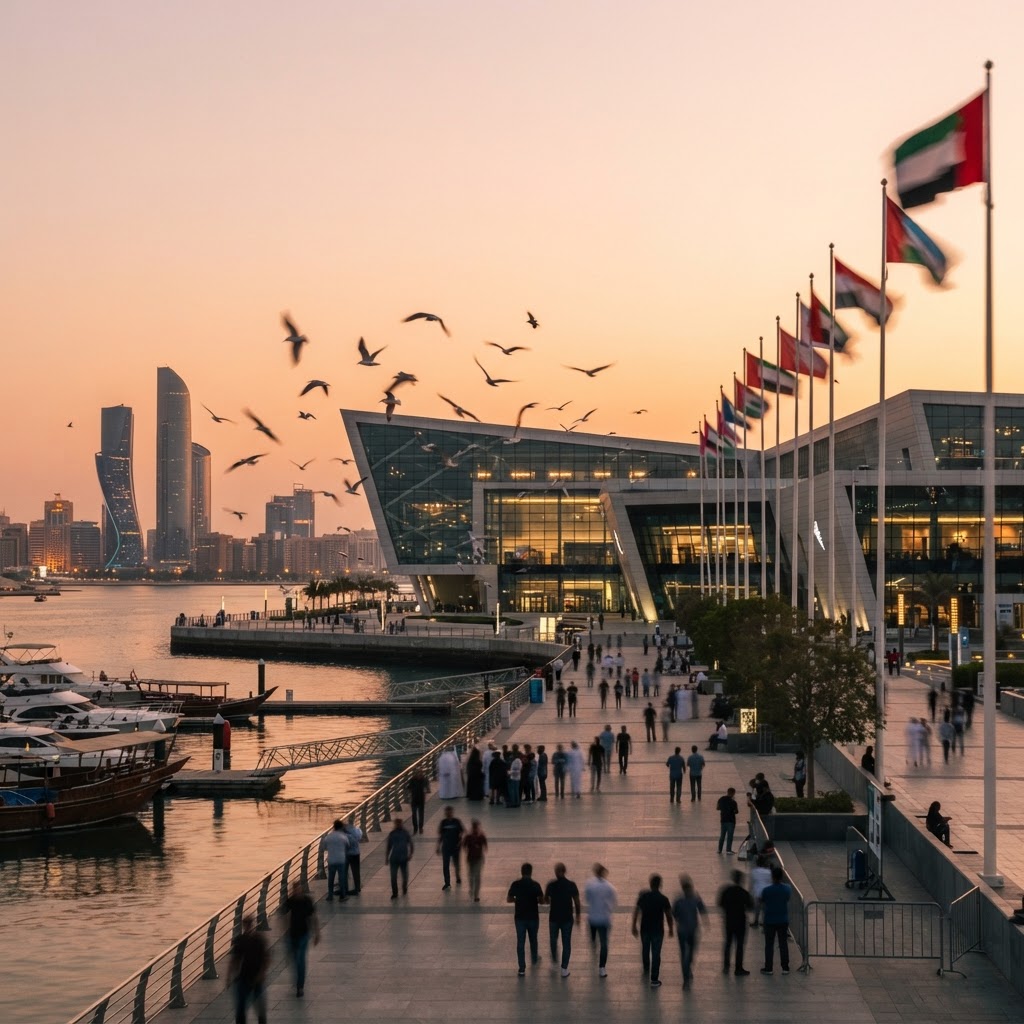
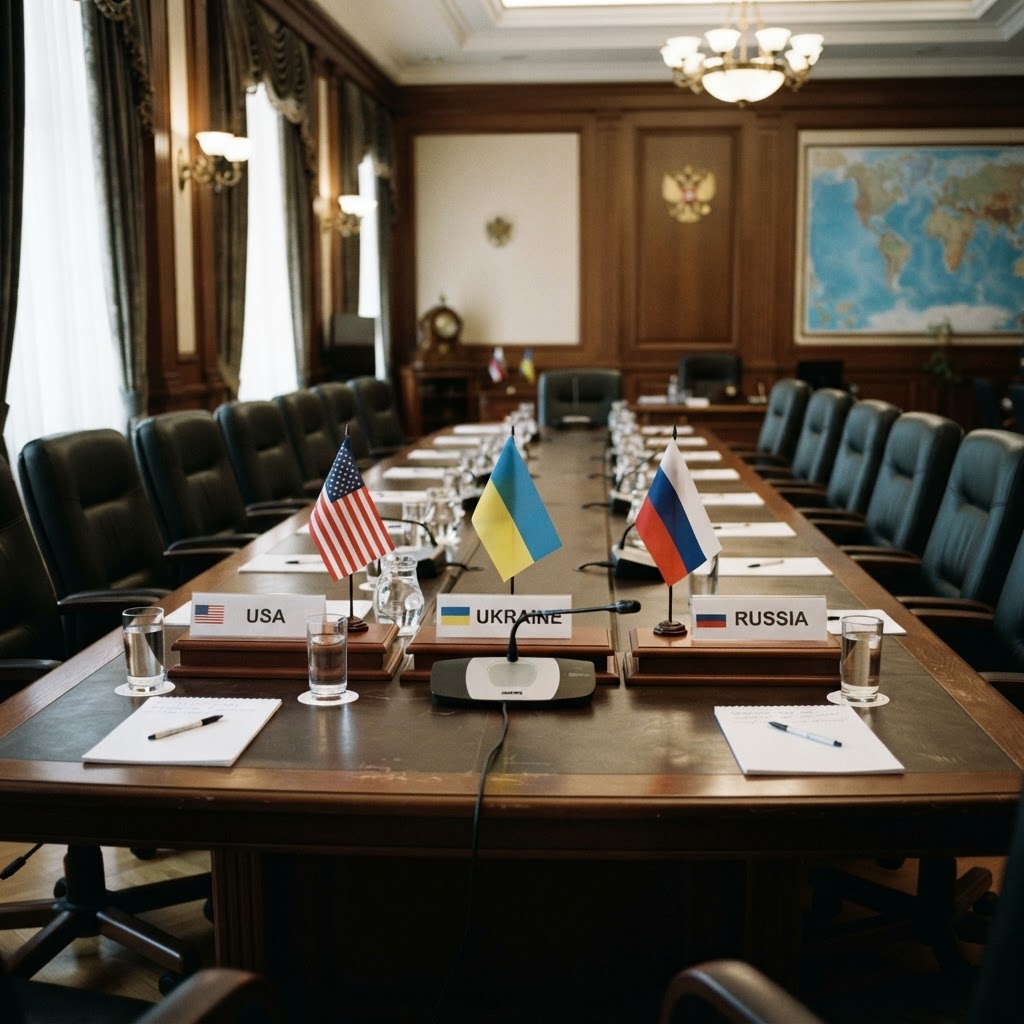
ABU DHABI — Russian and Ukrainian negotiators agreed in principle to a major prisoner-of-war exchange as two days of US-mediated peace talks in Abu Dhabi ended on Wednesday. It was their first round of direct negotiations in nine months. The exact number of prisoners is due to be settled on Thursday.
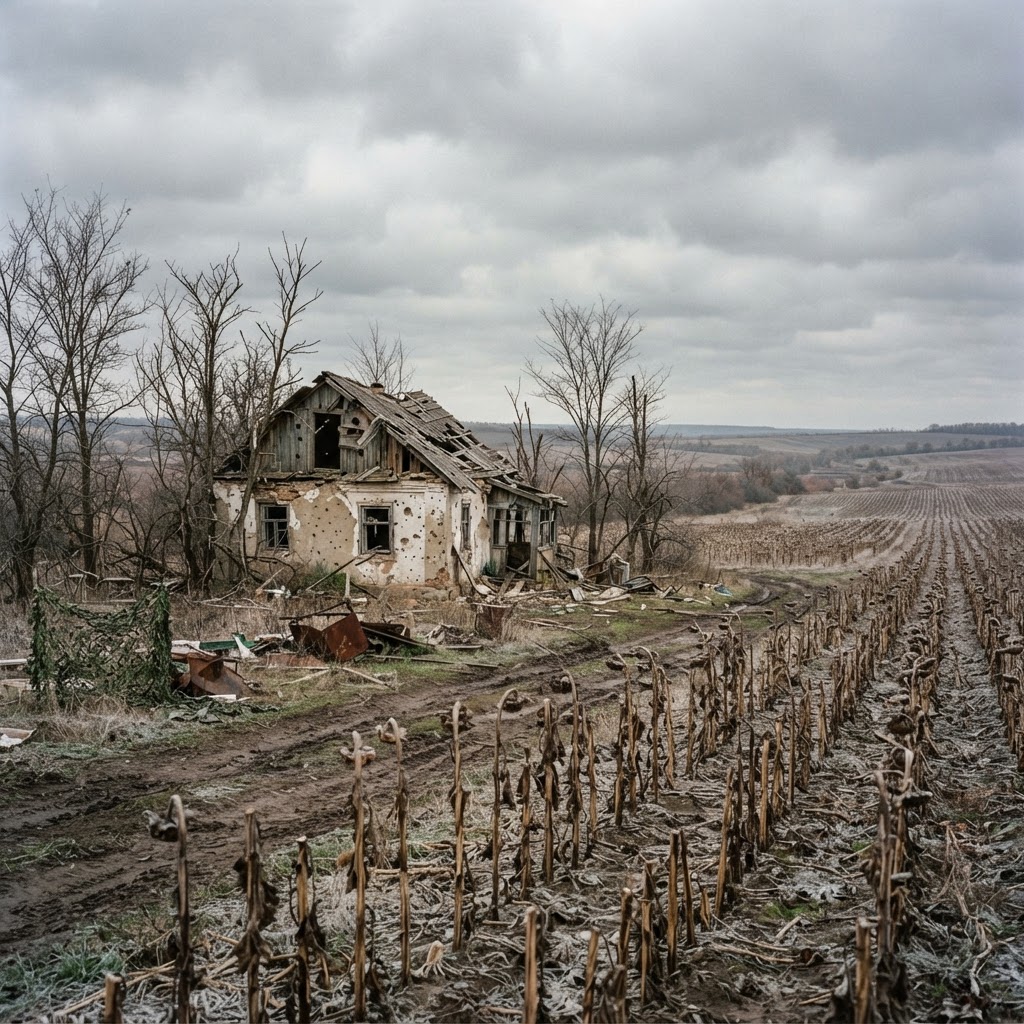
Both sides said progress was made and that talks will continue. But US mediators said differences remain on the biggest issues, above all territory. Kyiv continues to firmly reject President Vladimir Putin's demand that Ukraine hand over the whole of the eastern Donbas region in exchange for peace.
What Each Side Said
- Ukraine: Negotiator David Arakhamia said the talks were tough, with Russia's delegation arriving with "strict directives," but they created "good momentum" toward a solution by the end of the year. Delegation head Rustem Umerov said there was "still a lot of difficult work ahead."
- Russia: Chief negotiator Vladimir Medinsky said a deal was closer, but that "a great deal depends on Ukraine, on the US stance, and on whether Europe comes to its senses." He later told Russian TV that Moscow is seeking a "new, modern Yalta," a reference to the 1945 conference where Allied leaders divided postwar Europe.
- United States: Jared Kushner said the parties went into "much greater detail" on security guarantees for Ukraine.
Next Stop: Moscow, Then Dublin
US envoys Steve Witkoff and Jared Kushner travel to Moscow on Thursday to meet Putin. Kushner said they will raise adding European partners to the talks, who he said "must be at the table." The pair will then fly to Dublin to brief President Volodymyr Zelensky, who is attending European meetings there.
Zelensky told reporters in Dublin that Ukraine is focused on reaching an accord this year.
Europe Pushes Back
Medinsky questioned why Europe should join at all, saying Moscow had not received "a single peace initiative" from European countries. EU officials, for their part, say they see little real progress. They insist that wider talks on Europe's security should only come after a ceasefire, and that Russia must not be rewarded for starting the war. EU foreign policy chief Kaja Kallas said the US "can't negotiate on our behalf" on lifting sanctions on Russia.
Fighting Goes On
Even as negotiators met, Russia and Ukraine accused each other of launching new overnight attacks. Ukraine had hoped for progress on a Black Sea ceasefire to protect grain shipments, but Foreign Minister Andrii Sybiha said Kyiv is still waiting for Russia's response.
Elsewhere in the World
Israel: Eisenkot Works to Replace Netanyahu
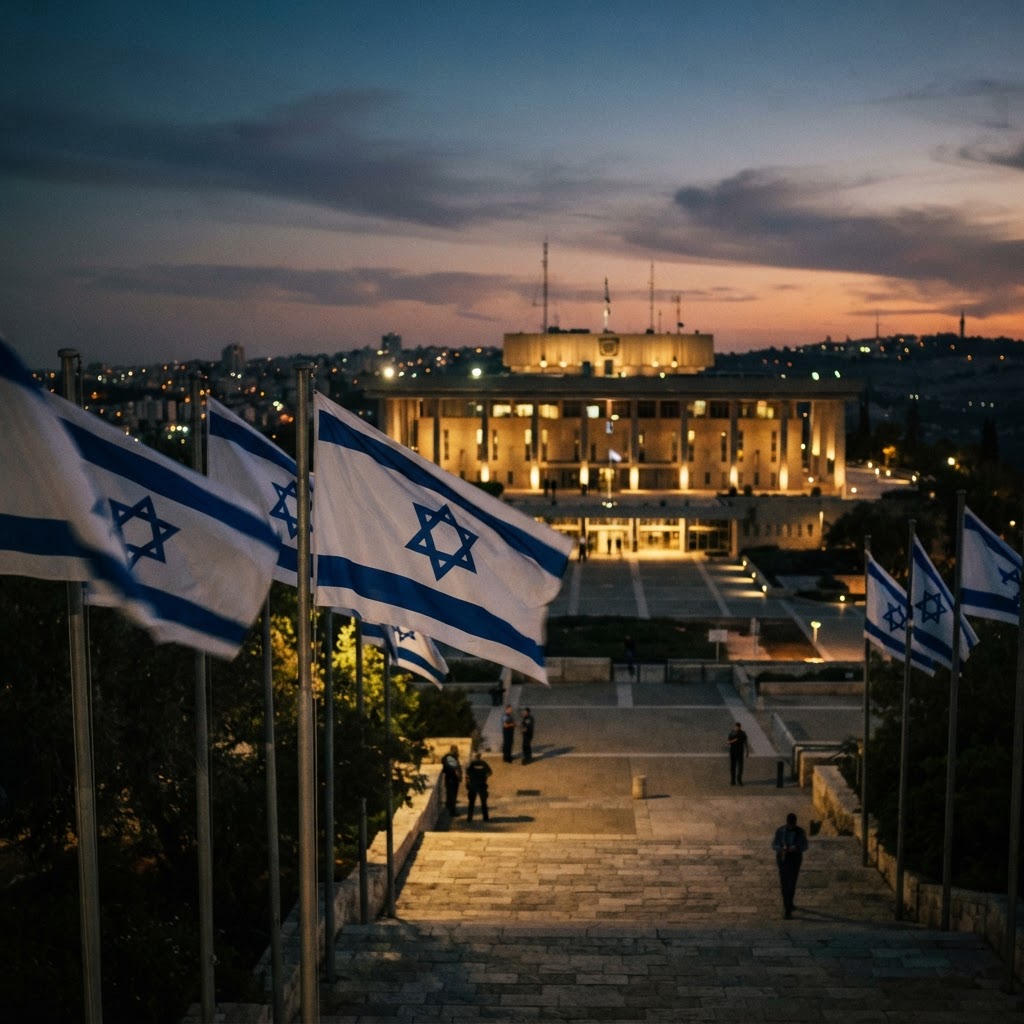
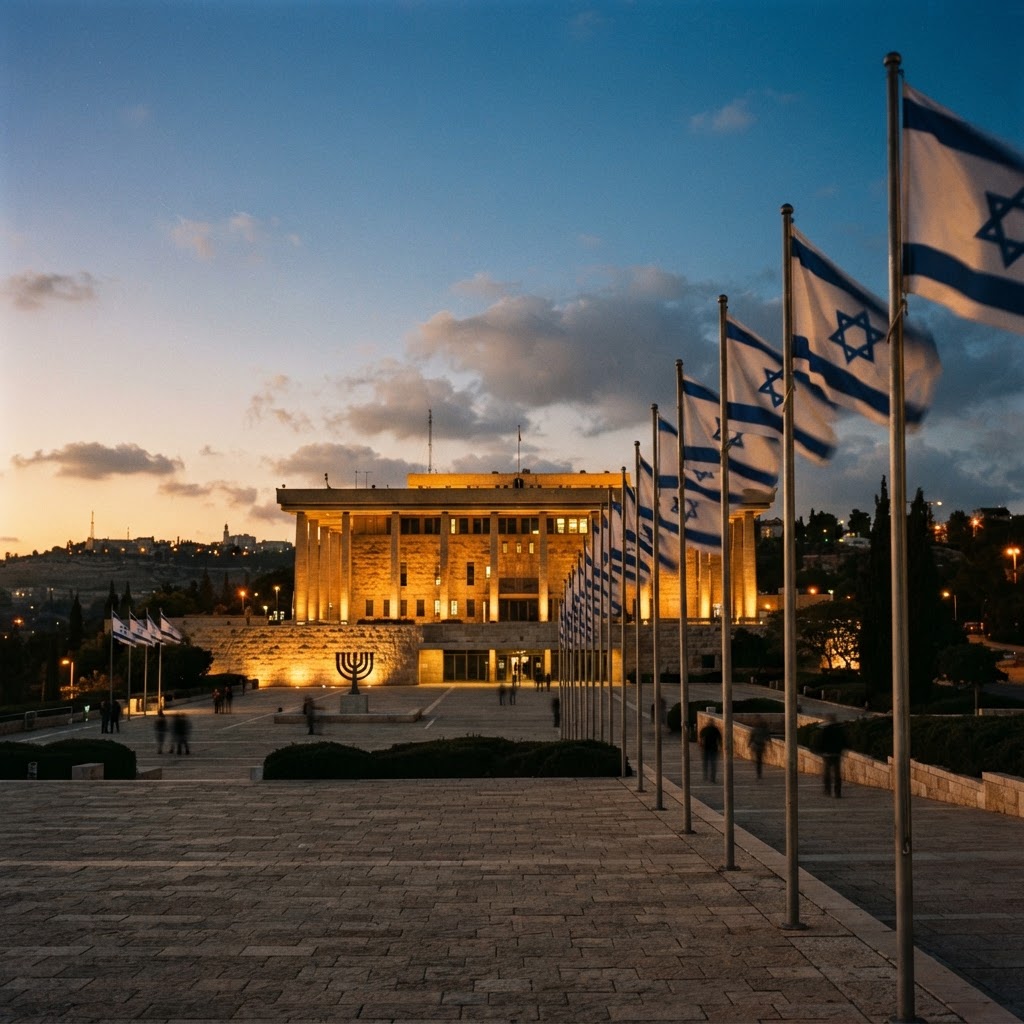
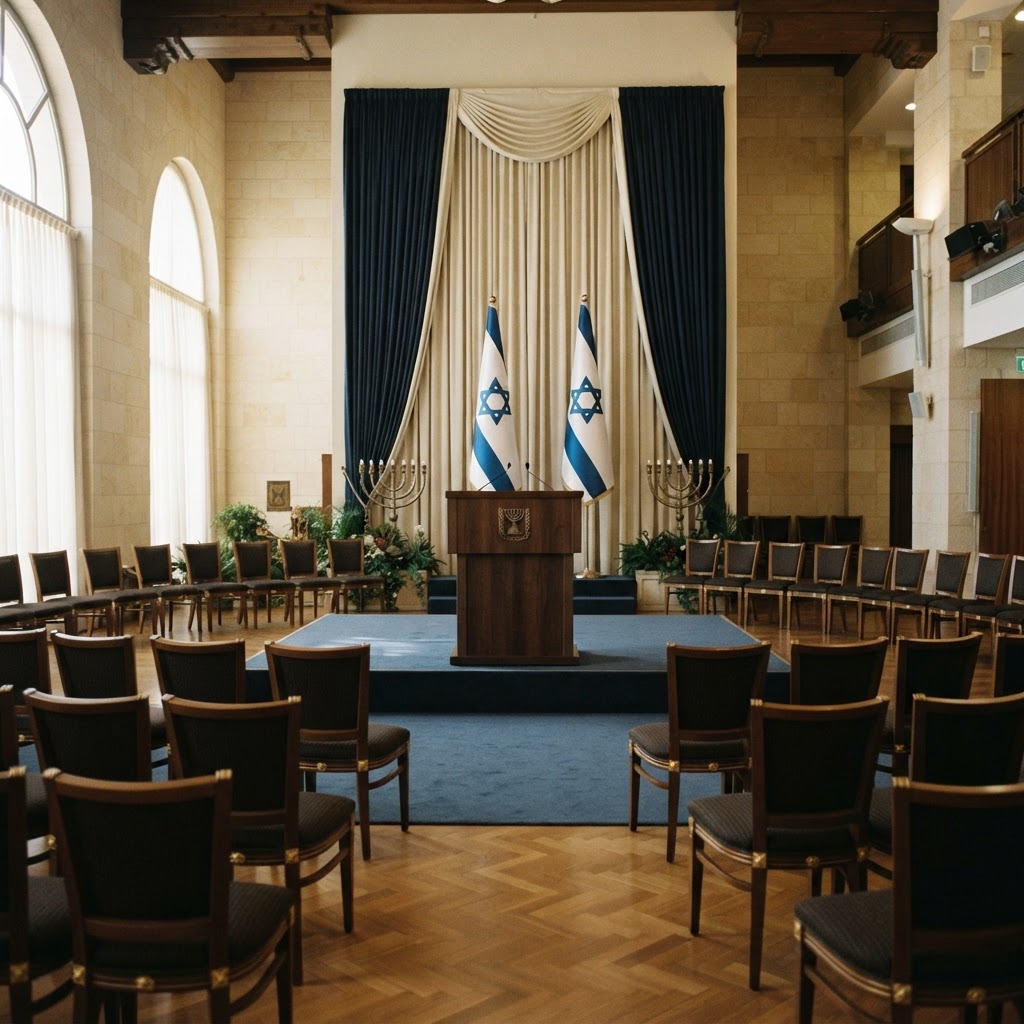
Israel's new Knesset was sworn in this week as former army chief Gadi Eisenkot tries to build a coalition to replace Benjamin Netanyahu, who remains caretaker prime minister. Eisenkot has called for a "national emergency government" but cancelled a planned meeting with Netanyahu's Likud party after a heated exchange in parliament. He has 28 days, with a possible two-week extension, to form a government.
Measles Watch Across the Americas
Health experts from the Pan American Health Organization are meeting in Washington through November 13 to decide whether the United States, Mexico and Bolivia have lost their measles-free status. Canada, Spain and the UK have already lost theirs. A decision is expected early next week.
TND will update this briefing as the Moscow talks and the prisoner exchange develop. Sources: Reuters, France 24, BBC News, The Associated Press.
Comments (0)
Be the first to share your thoughts!
Your voice matters. Every comment helps build our community.
Discussion Starters
No comments yet. Be the first to share your thoughts!