




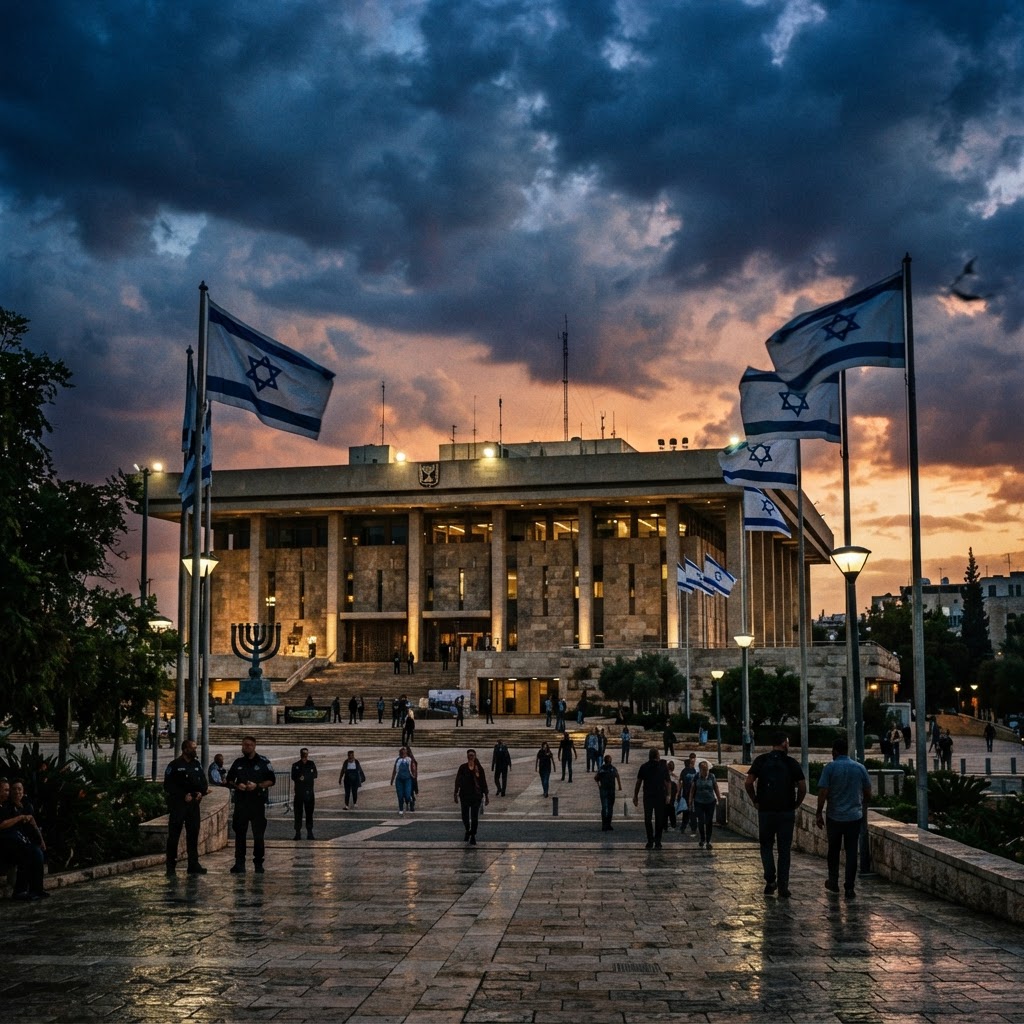
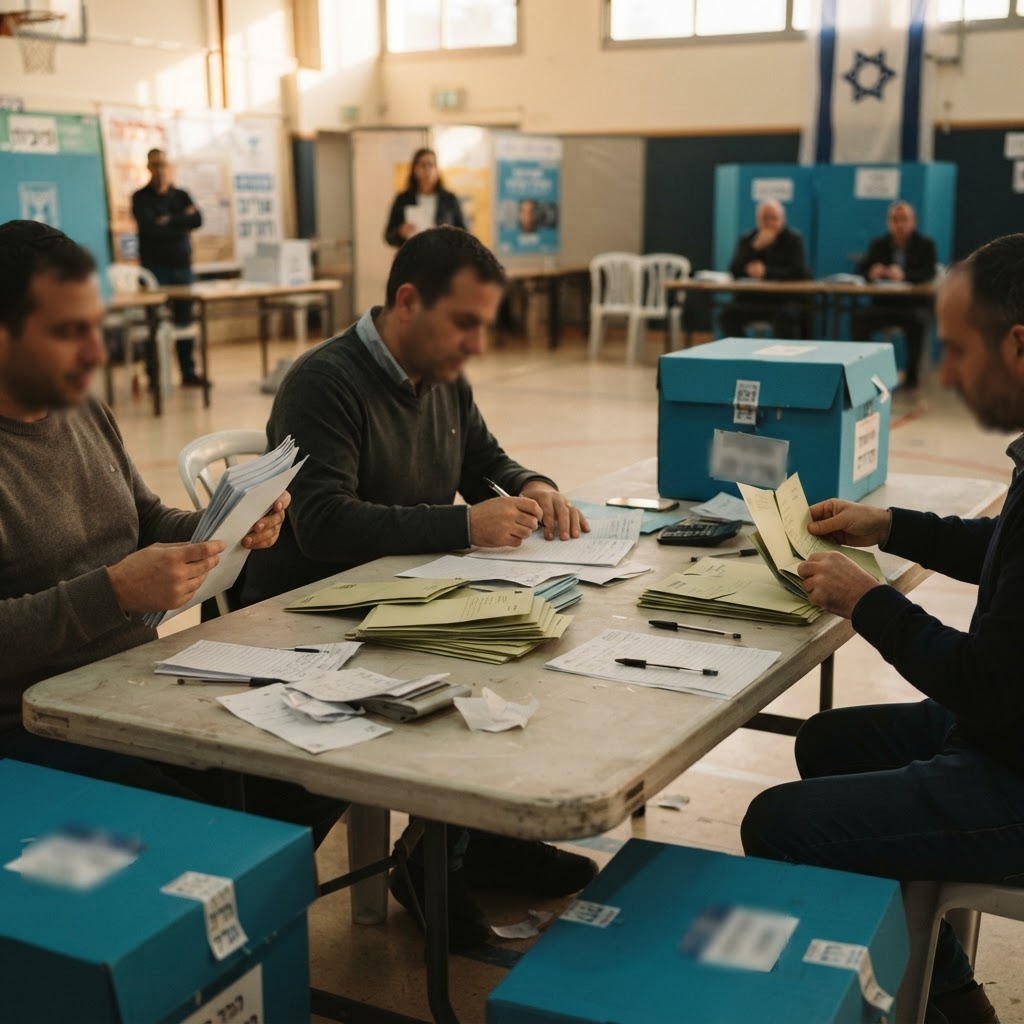
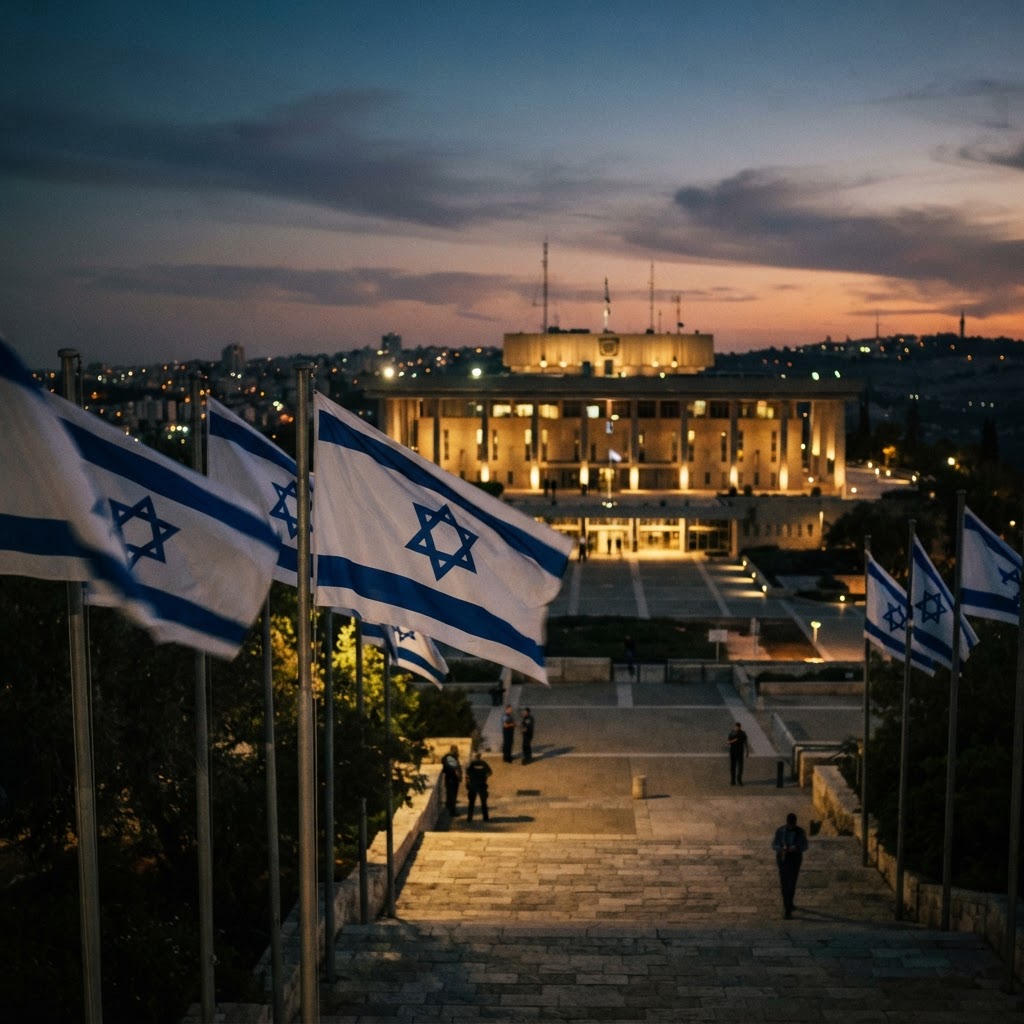
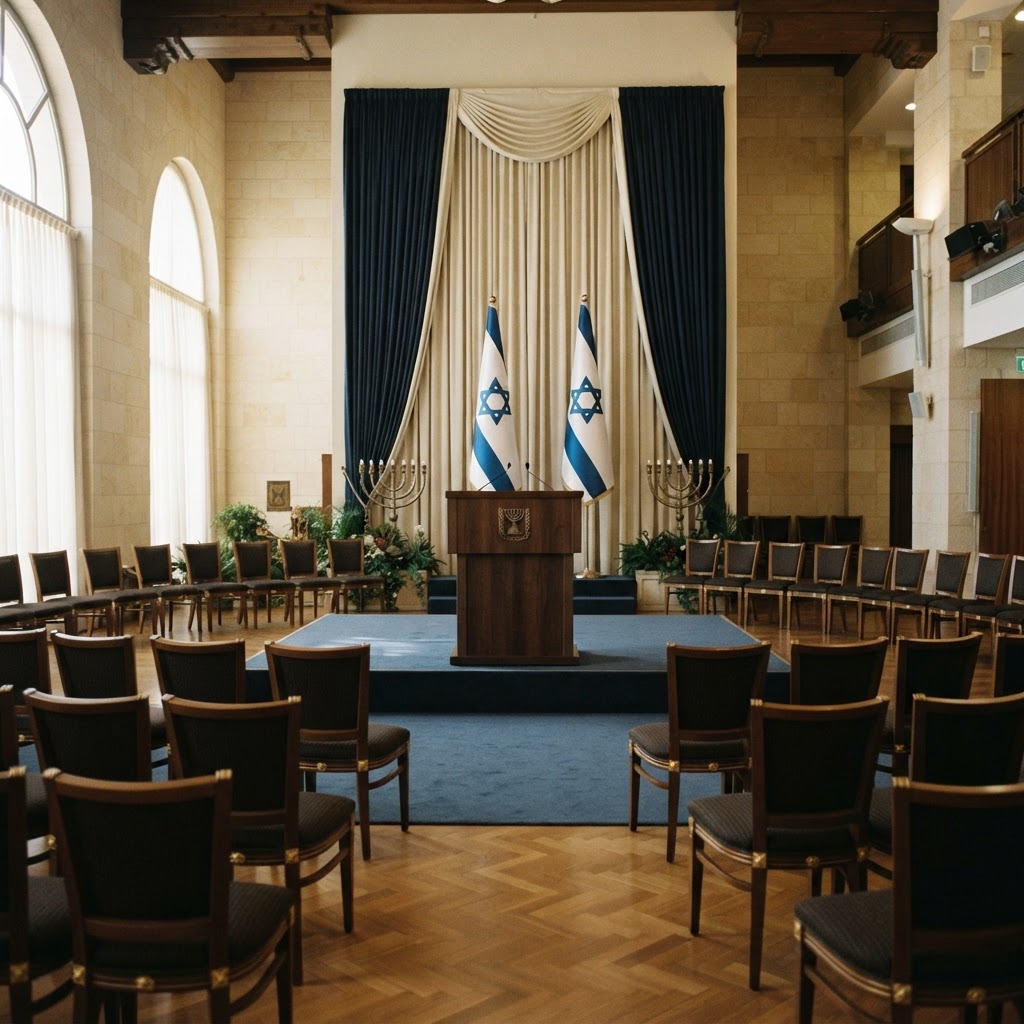
JERUSALEM — Israel's October 27 election ended in deadlock. Prime Minister Benjamin Netanyahu's governing coalition lost its majority in the 120-seat Knesset, but no one has a clear path to power yet. President Isaac Herzog says he will announce on Sunday who gets the first chance to form a government.
The Results
Netanyahu's Likud is still the largest single party, with 27 seats. But his wider religious-nationalist bloc fell from 68 seats to 53, eight short of the 61 needed to govern.
- Netanyahu's bloc (Likud, Shas, United Torah Judaism, Otzma Yehudit, Religious Zionism): 53 seats
- Gadi Eisenkot's Change bloc (four centre-left to right-wing Jewish-led parties): 48 seats
- Arab-led parties: a record 19 seats — the Joint List with 11 and the Islamist Ra'am party with 8
Turnout among Arab citizens of Israel, who make up about 20% of the population, more than doubled to about 80%, according to the Guardian. That surge reshaped the result.
Netanyahu's Fraud Claims Rejected
Netanyahu has pointed to an inquiry into possible vote tampering to cast doubt on the outcome, accusing Arab-led parties of "stealing" the vote. He denies trying to undermine the results. On November 4, the Central Elections Committee certified the results after finding no evidence that the election's integrity had been compromised.
"This is a real danger. One of the foundations of democracy is the peaceful transfer of power." — Supreme Court Justice Noam Sohlberg, head of the Central Elections Committee
Far-right allies of Netanyahu, including National Security Minister Itamar Ben-Gvir, have called for Arab party leaders to be arrested and questioned.
Who Did the Parties Back?
Herzog met every party in the Knesset on Wednesday and Thursday. 67 lawmakers recommended Eisenkot, a former military chief of staff. 46 recommended Netanyahu.
Netanyahu suffered a blow when United Torah Judaism, an ultra-Orthodox party and long-time ally, declined to recommend anyone. Both Arab-led parties recommended Eisenkot, giving him his majority of endorsements.
Herzog still warned that the outcome "may appear clear" but is not. He cited "mutual vetoes between the blocs and within the blocs themselves." He plans private talks with some party leaders over the weekend.
What Happens Next
Herzog will nominate the candidate he thinks is most likely to build a stable coalition. That person then has 28 days to form a government, plus a possible 14-day extension — up to 42 days in total. Netanyahu stays on as caretaker prime minister until a new government is sworn in. If no candidate succeeds, Israel must hold another election.
Three Possible Outcomes
1. Eisenkot forms a government
Eisenkot has the most endorsements, but his own bloc has only 48 seats. He needs Arab-led parties to reach 61. Like Netanyahu, he has ruled out a formal coalition with both Arab-led parties. He has set conditions for any partnership: recognising Israel as a Jewish state, accepting compulsory national service (civil or military), and denouncing Hamas as a terrorist organisation.
Ra'am has said it would join a government led by Eisenkot. The Joint List has suggested it would back him from outside the government with tactical votes. Its leader, Yousef Jabareen, admitted "disagreements with Eisenkot on many issues" but said voters wanted change: "We are not choosing between good and better but between what we see as bad and even worse."
2. Netanyahu holds on by bringing in new partners
To keep power, Netanyahu would need at least eight more seats than his bloc has, plus United Torah Judaism back on board. That means persuading parties from Eisenkot's camp to switch sides. So far none has shown willingness, and only 46 lawmakers have backed him.
3. Deadlock and another election
If neither man can reach 61 seats in the time allowed, Israel faces another election, with Netanyahu staying in office as caretaker until then. Herzog has urged all parties to avoid that outcome, pointing to the security and diplomatic challenges facing the country.
"An immense responsibility rests upon us." — President Isaac Herzog
The Bottom Line
Netanyahu has lost his governing majority, but he has not lost power yet. The opposition has the numbers in endorsements, but turning them into a working coalition depends on a partnership between Jewish-led parties and Arab-led parties that Israel has rarely seen. Sunday's decision by Herzog is the next key moment.
Sources: Reuters, The Guardian, Al Jazeera, Congressional Research Service.
Comments (0)
Be the first to share your thoughts!
Your voice matters. Every comment helps build our community.
Discussion Starters
No comments yet. Be the first to share your thoughts!